bluename
 How to Care for Jasmine (Double Petal) for Abundant, Fragrant Blooms
You’ve brought home a beautiful double petal jasmine, dreaming of its intoxicating fragrance filling your summer and autumn evenings. But now, you’re worried. Why are the buds dropping before they open? Why isn’t it flowering as profusely as you hoped? The secret to unlocking its full potential lies in understanding its simple, non-negotiable needs: adequate light, a careful watering hand, and seasonal care. This guide will walk you through every step to ensure your plant thrives and rewards you with a spectacular, fragrant display.
Understanding Your Double Petal Jasmine
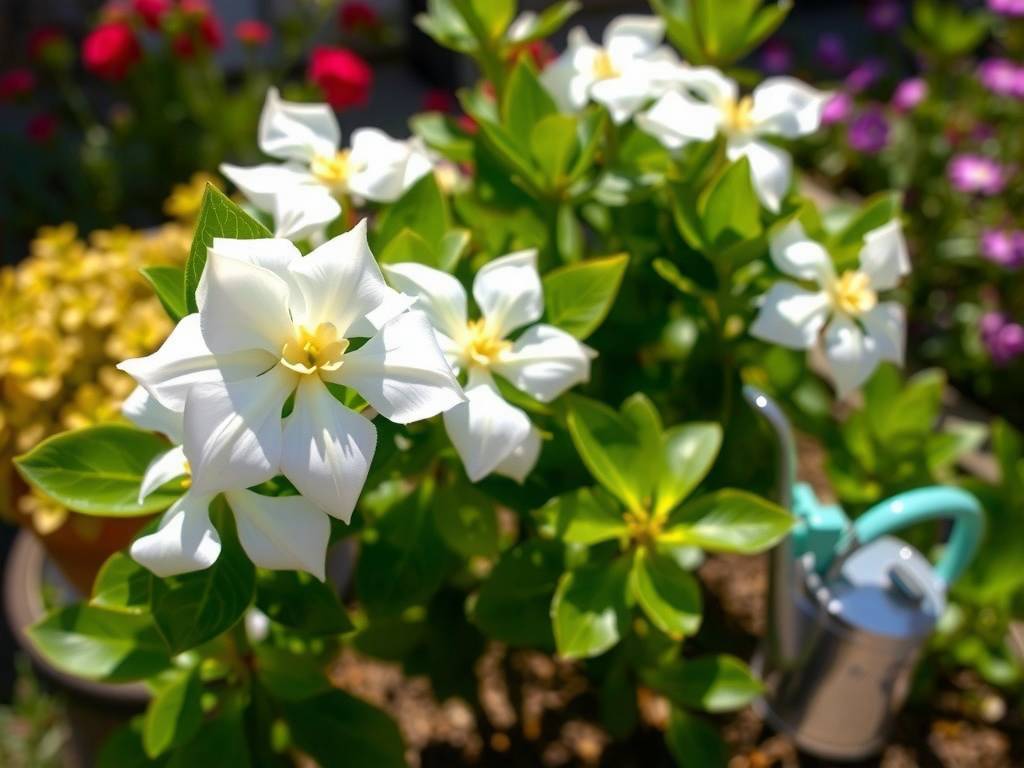
Before diving into care, it’s helpful to know your plant. Double petal jasmine, often referred to as Jasminum sambac 'Grand Duke of Tuscany' or similar varieties, is prized for its lush, multi-layered white flowers. Unlike its single-petal cousins, its blooms are rose-like and exceptionally fragrant. It’s a tropical evergreen shrub that blooms primarily from late spring through fall, with peak fragrance in the warmer months. Getting its care right means respecting its origins while adapting to your environment.
The #1 Rule: Providing Adequate Light
This is the most critical factor for flowering. Double petal jasmine is a sun worshipper.
Aim for at least 6 to 8 hours of direct sunlight daily. A south or west-facing window is ideal indoors. For outdoor plants, a spot with full morning sun and some light afternoon shade in extremely hot climates is perfect. Insufficient light is the leading cause of leggy growth, sparse leaves, and most disappointingly, a complete lack of blooms. The plant simply cannot produce the energy required to form those beautiful, fragrant summer-autumn flowers without ample light.
Mastering the Watering Balance: Tapping into Its Drought-Tolerant Nature
While jasmine enjoys consistent moisture, its roots are susceptible to rot. Here’s where understanding its drought-tolerant tendency is key.
Water deeply when the top 1-2 inches of soil feel dry to the touch. Then, allow the soil to approach slight dryness before watering again. This cycle encourages strong root growth. In winter, significantly reduce watering, allowing the soil to dry out more thoroughly between sessions. The goal is to mimic a tropical environment with periods of rain followed by well-drained conditions. Overwatering is a far greater threat than underwatering for this plant.
Soil and Potting: The Foundation of Health
The right soil ensures your watering practices work. Double petal jasmine requires excellent drainage.
Use a high-quality, well-aerated potting mix. A standard recipe is two parts peat or coco coir, one part perlite, and one part compost or pine bark for added structure and nutrients. Ensure your pot has large drainage holes. A terra cotta pot is an excellent choice as it allows the soil to breathe and dry more evenly, further preventing overwatering issues.
Feeding for Fragrant Flowers
To support its long blooming season and produce those intensely fragrant summer-autumn flowers, your jasmine needs proper nutrition.
During the active growing and blooming season (spring through early fall), feed every 4-6 weeks with a balanced, water-soluble fertilizer (such as a 10-10-10 formula) or one slightly higher in phosphorus (e.g., 5-10-5) to promote blooming. As noted by horticulturist Dr. Linda Chalker-Scott in her work on plant nutrition, "A consistent, moderate feeding schedule is superior to infrequent, heavy doses which can harm roots and soil biology." Stop fertilizing in late fall and winter when the plant is resting.
Pruning and Shaping for More Blooms
Strategic pruning not only maintains a pleasing shape but also stimulates new growth where flowers form.
The best time to prune is immediately after a flush of blooms fades or in early spring before new growth surges. Pinch back the tips of stems to encourage bushiness. Remove any dead, diseased, or overly tangled branches. Since flowers develop on new growth, light pruning encourages more branching, which leads to more buds and a more fragrant display.
Overwintering and Temperature Needs
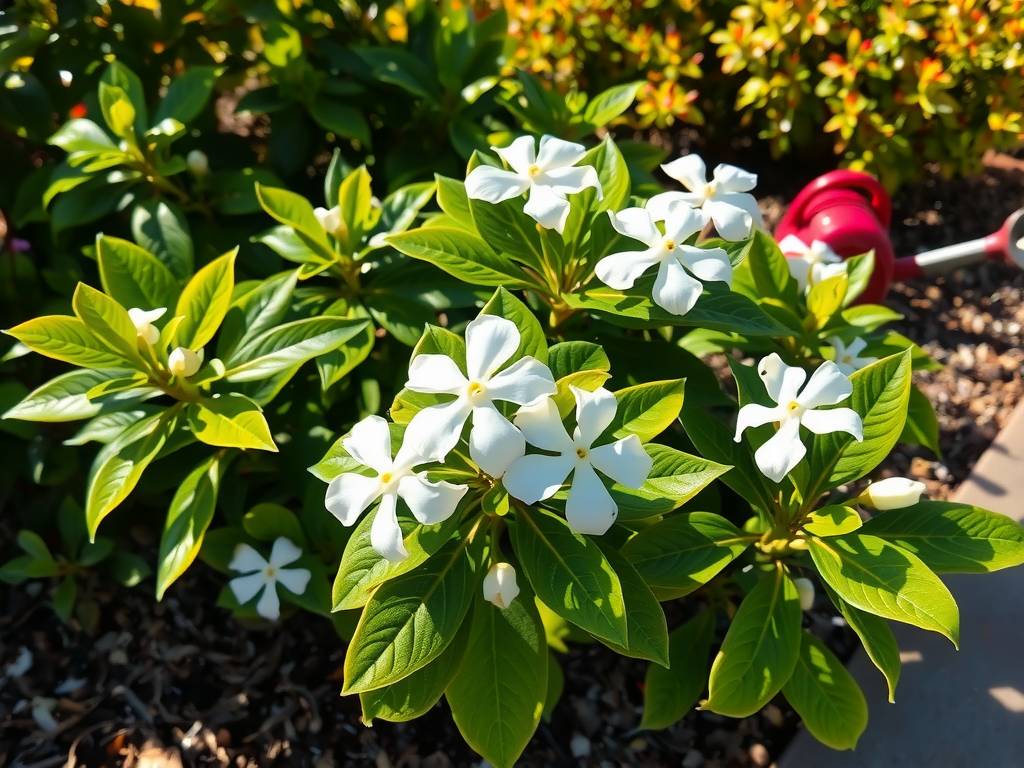
Double petal jasmine is not frost-hardy. It thrives in temperatures between 60-85°F (15-29°C).
When temperatures dip below 50°F (10°C), it’s time to bring outdoor plants inside. Place it in your brightest indoor spot. Be mindful of dry indoor air; occasional misting or a humidity tray can help. Reduce watering and cease fertilization during this dormant period. With proper winter care, your plant will be ready to burst back into growth when spring arrives.
Troubleshooting Common Problems
- Yellowing Leaves: Often a sign of overwatering or poor drainage. Check your soil moisture and drainage first.
- Bud Drop: Can be caused by sudden changes in environment (like moving indoors/outdoors), underwatering during bud formation, or extreme temperature swings.
- Pests: Watch for aphids, spider mites, or mealybugs, especially indoors. Treat early with insecticidal soap or neem oil.
Frequently Asked Questions
Why is my double petal jasmine not flowering? The most common reason is insufficient light. Ensure it receives several hours of direct sun daily. Other causes can be over-fertilization with a high-nitrogen formula (which promotes leaves over flowers), lack of pruning, or a root-bound plant that needs repotting.
How often should I water my jasmine plant indoors? There’s no fixed schedule. The frequency depends on light, temperature, and pot size. Always use the finger test: water only when the top inch or two of soil is dry. In winter, this may mean watering only every 2-3 weeks.
Can I grow double petal jasmine in full shade? No. It will struggle, become leggy, and almost certainly not bloom. It requires bright, direct light to produce the energy for its characteristic fragrant summer-autumn flowers. Consider it a high-light plant for the best results.
Caring for a double petal jasmine is a rewarding practice of balance—providing abundant sunshine while exercising restraint with water. By respecting its need for bright light and leveraging its drought-tolerant characteristics, you create the perfect conditions for it to prosper. With consistent, attentive care focused on these core principles, you’ll be greeted season after season with a cascade of lush, double-layered blooms whose exquisite fragrance is the true mark of your gardening success.