bluename
 How to Care for Orchid Cactus (Double Petal): A Complete Guide to Stunning Blooms
Are you struggling to make your orchid cactus thrive or wondering why it refuses to bloom? Many plant enthusiasts find themselves puzzled by the specific needs of this unique succulent, especially when it comes to light conditions and flowering cycles. Known for its breathtaking double-petal flowers that resemble lotus blossoms in winter and spring, the orchid cactus (Epiphyllum) demands attentive care to reveal its full beauty. In this guide, we’ll walk you through everything you need to know about nurturing this plant, from filtered light requirements to seasonal care tips.
Understanding the Orchid Cactus
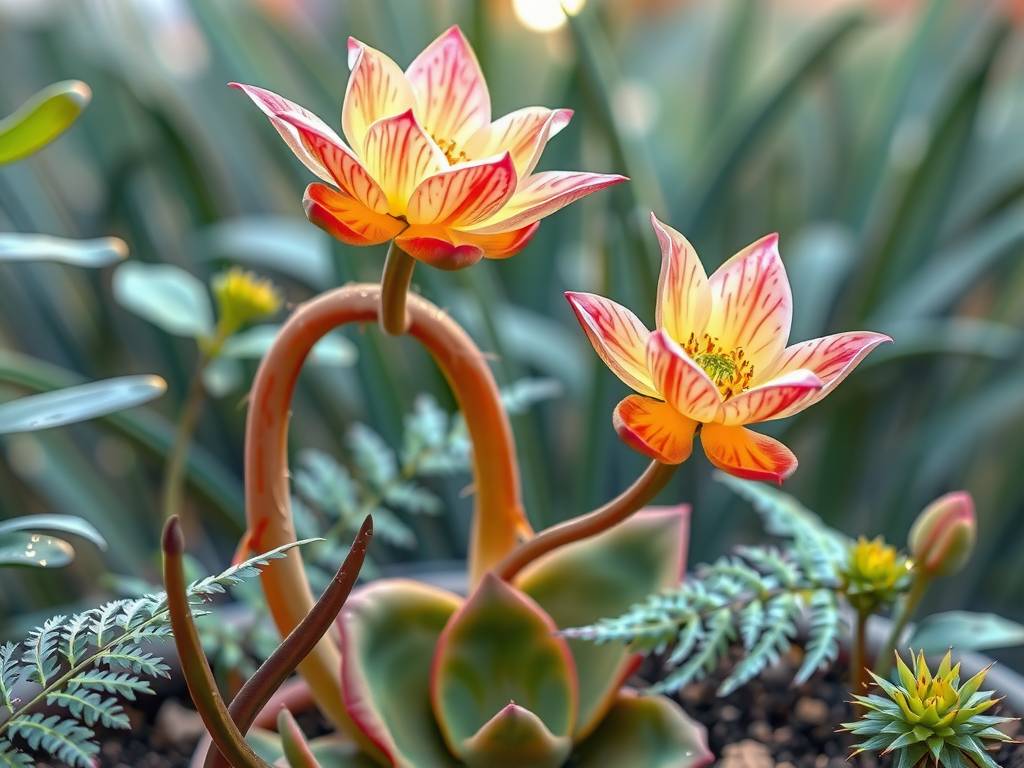
The orchid cactus, often referred to as double-petal orchid cactus due to its multi-layered blooms, is a tropical succulent native to rainforest habitats. Unlike desert cacti, it grows as an epiphyte on trees, which explains its preference for indirect light and well-draining soil. Its stunning, lotus-like flowers typically appear from late winter to early spring, making it a favorite among houseplant collectors. To mimic its natural environment, focus on providing filtered light, consistent moisture, and proper dormancy periods.
Ideal Light Conditions for Healthy Growth
Filtered light is essential for the orchid cactus to thrive. Direct sunlight can scorch its delicate leaves, while too little light may prevent blooming. Place your plant near an east or north-facing window where it receives bright, indirect light for most of the day. If growing outdoors, consider positioning it under a shaded patio or beneath trees. During the intense summer months, use sheer curtains to diffuse strong rays. Remember, the goal is to replicate the dappled light of its native habitat.
Avoiding Sun Damage
Sun exposure is one of the biggest threats to orchid cacti. Signs of sun stress include yellowing or brown patches on the stems. If you notice these symptoms, move the plant to a shadier spot immediately. For indoor setups, rotate the pot periodically to ensure even light distribution. In regions with harsh summers, temporary shading solutions like mesh screens can offer protection. By avoiding direct sun, you’ll encourage lush growth and vibrant blooms.
Watering and Humidity Tips
Water your orchid cactus deeply but infrequently, allowing the top inch of soil to dry out between waterings. Overwatering can lead to root rot, while underwatering may cause shriveled stems. During the active growing season (spring and summer), increase watering frequency slightly. Reduce it in fall and winter to support dormancy. As a tropical plant, it appreciates moderate humidity. Mist the leaves occasionally or place a humidity tray nearby, especially in dry indoor environments.
Soil and Fertilizer Requirements
Use a well-draining soil mix, such as a blend of potting soil, perlite, and orchid bark. This combination ensures adequate aeration and prevents waterlogging. Feed your plant with a balanced, water-soluble fertilizer every 4–6 weeks during the growing season. Switch to a phosphorus-rich formula before the blooming period to promote flower development. Avoid over-fertilizing, as it can harm the roots.
Encouraging Winter-Spring Lotus-Like Flowers
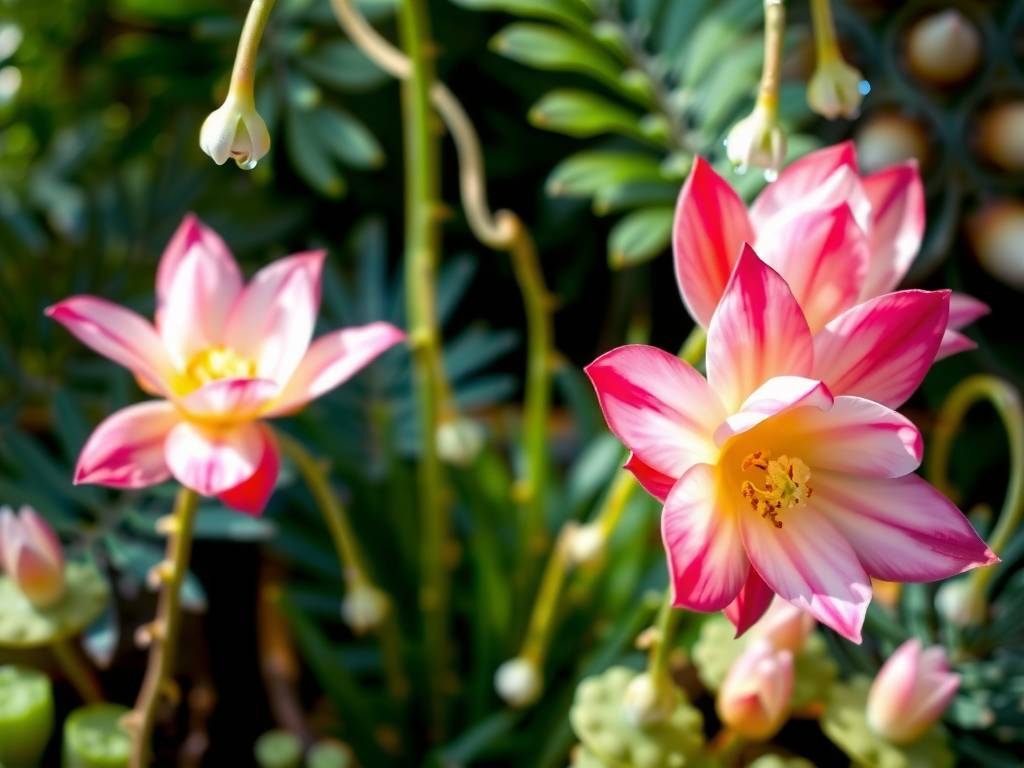
To enjoy those spectacular double-petal blooms, simulate the plant’s natural cycle. In late fall, reduce watering and move it to a cooler spot (around 50–60°F) for 6–8 weeks. This dormancy period triggers bud formation. Once you see buds, resume regular care and provide bright, filtered light. The lotus-like flowers should emerge in winter or early spring, lasting several days each.
Common Pests and Problems
Watch out for pests like mealybugs and spider mites. Treat infestations with neem oil or insecticidal soap. Yellowing stems often indicate overwatering or poor drainage, while lack of blooms may result from insufficient light or improper dormancy.
Repotting and Propagation
Repot your orchid cactus every 2–3 years in spring. Choose a slightly larger pot with drainage holes. Propagation is easy via stem cuttings—simply let the cut end callus for a day before planting in moist soil.
Frequently Asked Questions
How often should I water my orchid cactus?
Water when the topsoil feels dry, typically every 1–2 weeks. Adjust based on season and humidity.
Why isn’t my orchid cactus blooming?
Insufficient light, lack of dormancy, or overfeeding could be the cause. Ensure it receives filtered light and a cool rest period.
Can I grow orchid cactus in low light?
While it tolerates lower light, blooming may be reduced. Filtered indirect light is ideal for flowers.
With the right care, your orchid cactus will reward you with dazzling, double-petal flowers season after season. Focus on providing filtered light, avoiding direct sun, and maintaining a proper dormancy period for winter-spring blooms. Whether you’re a beginner or an expert, these steps will help you cultivate a healthy, flowering plant that becomes the centerpiece of your collection.