bluename
 How to Care for Anthurium with Large Red Flowers: The Ultimate Guide
Are you struggling to keep your anthurium plant thriving? Do its vibrant red flowers wilt despite your best efforts? Many plant enthusiasts face challenges in maintaining the perfect balance of light and moisture for their anthuriums. This comprehensive guide will walk you through essential care techniques to ensure your large-flowered anthurium remains healthy and blooms spectacularly throughout the year.
Understanding Anthurium Plant Requirements
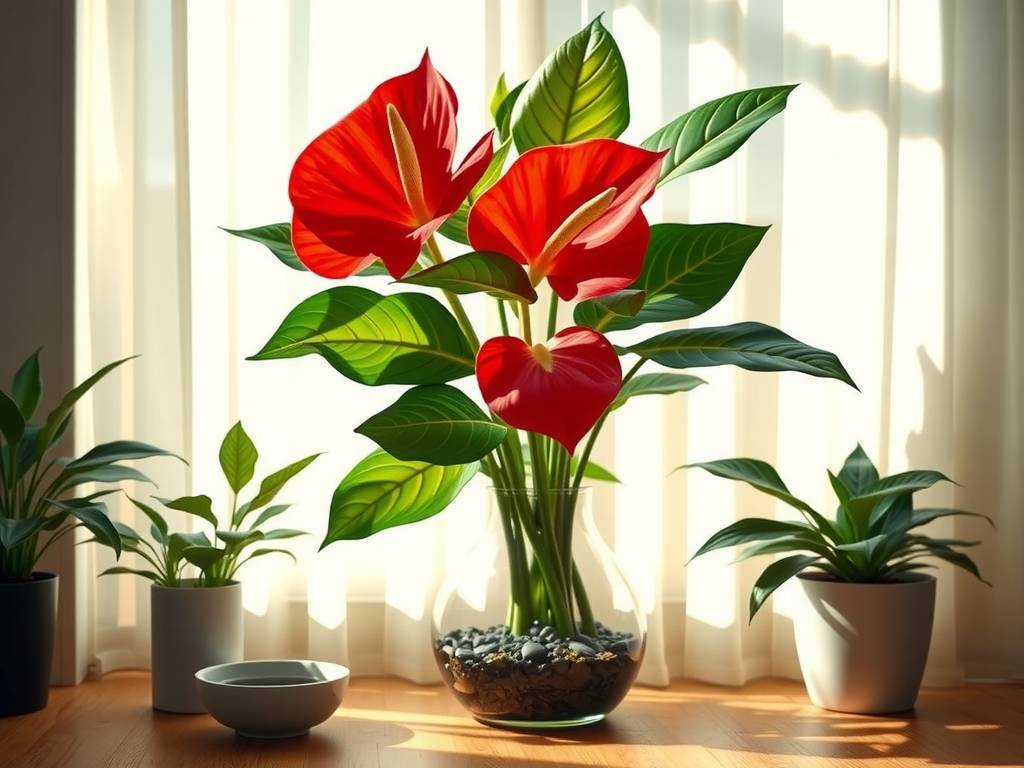
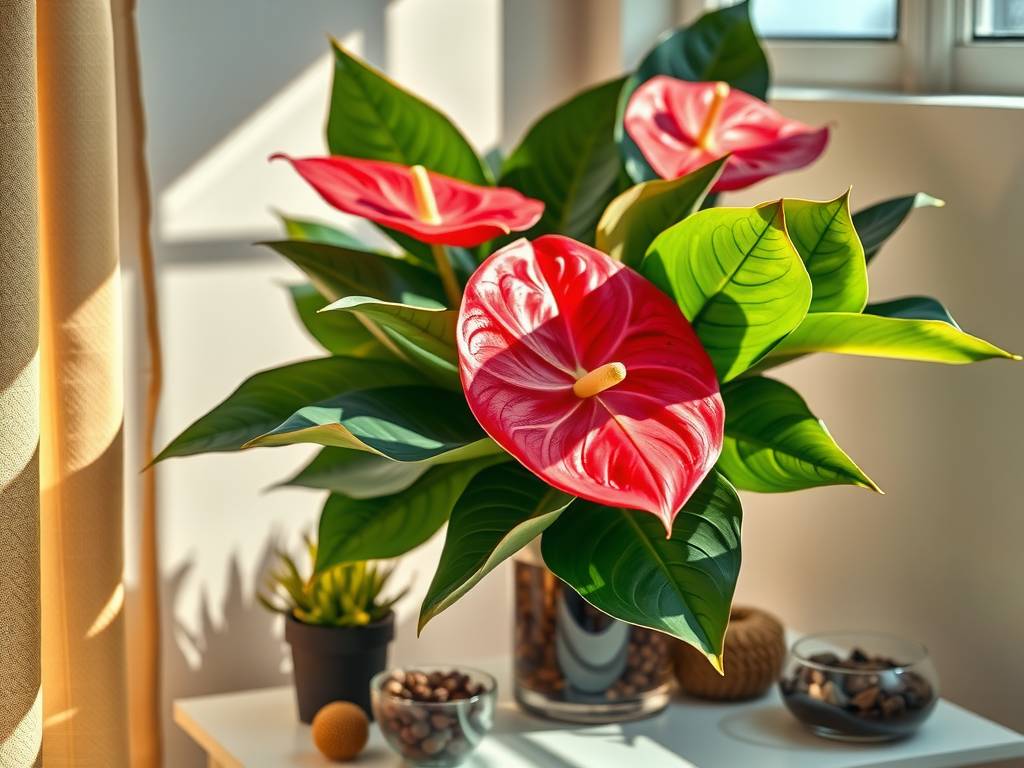
Anthuriums, particularly those producing large red flowers, thrive in specific conditions that mimic their natural tropical habitat. These stunning plants require consistent care to maintain their glossy green leaves and brilliant flower spathes. The key to successful anthurium care lies in understanding their fundamental needs for filtered light, proper moisture levels, and adequate humidity.
Many people mistakenly treat anthuriums like typical houseplants, leading to disappointing results. However, with the right knowledge, you can create an environment where your anthurium will flourish and produce those coveted large red flowers repeatedly.
Perfect Lighting Conditions for Vibrant Blooms
Anthuriums with large red flowers demand warm filtered light to reach their full potential. Direct sunlight can scorch their delicate leaves and flowers, while insufficient light will result in poor blooming and leggy growth.
Place your anthurium near an east-facing window where it can receive bright, indirect sunlight for most of the day. If you only have south or west-facing windows, use sheer curtains to filter the intense afternoon sun. During winter months, when natural light diminishes, consider supplementing with grow lights to maintain consistent light exposure.
Experts from the Royal Horticultural Society recommend rotating your anthurium weekly to ensure even light distribution. This practice encourages symmetrical growth and prevents the plant from leaning toward the light source.
Mastering Watering Techniques
Maintaining proper moisture levels without causing waterlogging represents the most crucial aspect of anthurium care. These plants prefer consistently moist soil but will quickly develop root rot if left in standing water.
Water your anthurium thoroughly when the top inch of soil feels dry to the touch. Use room-temperature water and continue pouring until it drains freely from the bottom of the pot. Always empty the drainage saucer within 30 minutes to prevent the roots from sitting in water.
The quality of water matters significantly for anthuriums. They're sensitive to chemicals in tap water, particularly fluoride and chlorine. Use filtered or distilled water for best results. Rainwater collected in clean containers also makes an excellent watering option.
Optimal Soil and Potting Mix
The right soil composition plays a vital role in preventing waterlogging while maintaining adequate moisture. A well-draining, airy potting mix allows oxygen to reach the roots while holding sufficient moisture for the plant's needs.
Create an ideal anthurium soil mix by combining:
- Two parts peat moss or coco coir
- One part perlite
- One part pine bark chips
- A handful of horticultural charcoal
This combination provides excellent drainage while retaining the slight moisture anthuriums prefer. Report your anthurium every two to three years, or when you notice roots growing through the drainage holes.
Humidity and Temperature Control
As tropical plants, anthuriums thrive in humid environments. Average household humidity often falls below their preferred range, especially during winter when heating systems dry the air.
Maintain humidity levels between 60-80% for optimal growth. You can increase humidity by:
- Placing the plant on a pebble tray filled with water
- Grouping plants together to create a microclimate
- Using a room humidifier
- Regular misting with filtered water
Temperature consistency proves equally important. Keep your anthurium in an environment between 65-80°F (18-27°C). Avoid placing it near heating vents, air conditioners, or drafty windows, as sudden temperature fluctuations can stress the plant.
Fertilization for Continuous Blooming
Proper feeding encourages your anthurium to produce those stunning large red flowers consistently. During the growing season (spring through early fall), fertilize every six to eight weeks with a balanced, water-soluble fertilizer diluted to half strength.
Look for fertilizers specifically formulated for flowering plants, as these contain higher phosphorus levels to support blooming. Reduce feeding during winter months when plant growth naturally slows. Over-fertilization can lead to salt buildup in the soil, which may damage the roots and hinder flower production.
Pruning and Maintenance
Regular grooming keeps your anthurium looking its best and promotes new growth. Remove yellowing or damaged leaves at their base using clean, sharp scissors. After flowers fade, trim the entire flower stem close to the plant's base to encourage new blooms.
Wipe the large, glossy leaves monthly with a damp cloth to remove dust. This not only improves the plant's appearance but also allows better light absorption for photosynthesis.
Troubleshooting Common Issues
Even with proper care, anthuriums sometimes develop problems. Yellow leaves often indicate overwatering or poor drainage. Brown leaf tips typically result from low humidity or chemical buildup from tap water. Lack of flowering usually stems from insufficient light or inadequate fertilization.
Pests like aphids, mealybugs, and spider mites can occasionally bother anthuriums. Treat infestations promptly with insecticidal soap or neem oil, applying according to product instructions.
Why isn't my anthurium producing red flowers? Insufficient light represents the most common cause of poor flowering. Move your plant to a brighter location with filtered light and ensure you're fertilizing regularly during the growing season. Also, remember that anthuriums need a rest period in winter to set buds for the next flowering cycle.
How often should I water my anthurium plant? Water when the top inch of soil feels dry. This typically translates to once weekly during active growth periods and less frequently in winter. Always check soil moisture before watering rather than following a rigid schedule, as conditions like temperature and humidity affect drying time.
Can I grow anthuriums in low-light conditions? While anthuriums can survive in lower light, they won't produce their characteristic large red flowers without adequate filtered light. For best blooming results, provide bright, indirect light for at least six hours daily.
With proper attention to lighting, watering, and humidity requirements, your anthurium will reward you with spectacular red flowers that last for weeks. Remember that consistency proves key – these plants thrive on stable conditions rather than dramatic interventions. By understanding and meeting your anthurium's specific needs, you'll enjoy this tropical beauty's stunning display for years to come.