bluename
 How to Care for Pothos (Large Leaf): A Complete Guide to Shade-Tolerant, Drought-Tolerant Green Vines
Are you struggling to keep your large leaf pothos thriving? Maybe you’ve noticed its vibrant green leaves turning yellow, or perhaps it’s just not growing as vigorously as you’d hoped. Don’t worry—you’re not alone. Many plant lovers face these challenges, especially when caring for shade-tolerant and drought-tolerant varieties like the large leaf pothos.
This guide will walk you through everything you need to know to keep your pothos healthy and lush. From lighting and watering to propagation and troubleshooting, we’ve got you covered. Let’s dive in!
Understanding the Large Leaf Pothos
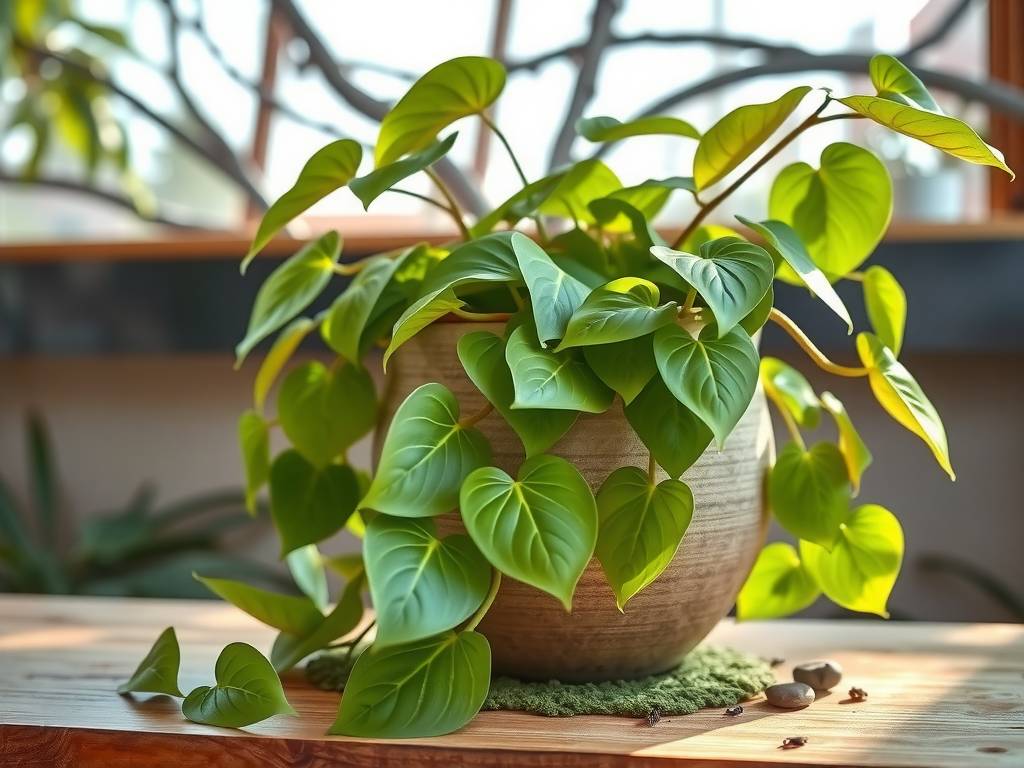
The large leaf pothos, also known as Epipremnum aureum, is a popular houseplant cherished for its stunning foliage and low-maintenance nature. Its trailing vines and glossy green leaves make it a favorite for homes and offices alike.
What sets this plant apart is its adaptability. It thrives in conditions that would challenge other houseplants, making it perfect for beginners or those with less-than-ideal growing spaces.
Why Choose a Shade-Tolerant and Drought-Tolerant Plant?
Shade-tolerant plants like the large leaf pothos are ideal for spaces with limited natural light. Whether you have a north-facing window or a dimly lit office corner, this plant will adapt without losing its charm.
Similarly, its drought-tolerant nature means you don’t need to worry about daily watering. Even if you forget to water it occasionally, the pothos will forgive you and bounce back with minimal fuss.
Lighting Needs for Large Leaf Pothos
Large leaf pothos plants thrive in indirect light but can tolerate low-light conditions. While they prefer bright, filtered sunlight, they won’t suffer in shadier spots.
Avoid placing them in direct sunlight, as this can scorch their leaves. If you notice the leaves losing their vibrant green color, it might be a sign that the plant needs more light.
Watering Your Drought-Tolerant Pothos
One of the biggest mistakes people make with pothos is overwatering. As a drought-tolerant plant, it stores water in its stems and leaves, allowing it to survive dry spells.
Water your pothos only when the top inch of soil feels dry to the touch. In low-light conditions, you may need to water even less frequently. Overwatering can lead to root rot, so it’s better to err on the side of caution.
Soil and Potting Mix
A well-draining potting mix is essential for large leaf pothos. Combine peat moss, perlite, and pine bark to create a light, airy soil that allows excess water to drain away.
Repot your pothos every 1-2 years to refresh the soil and give its roots more room to grow. Choose a pot with drainage holes to prevent water from pooling at the bottom.
Fertilizing for Lush Green Vines
While pothos isn’t a heavy feeder, occasional fertilizing can encourage vigorous growth. Use a balanced liquid fertilizer once a month during the growing season (spring and summer).
Avoid over-fertilizing, as this can cause salt buildup in the soil and damage the roots. If you notice the leaves turning brown at the tips, it might be a sign of fertilizer burn.
Pruning and Training Trailing Vines
Pruning helps maintain the shape of your pothos and encourages bushier growth. Use clean, sharp scissors to trim any leggy or yellowing vines.
You can also train the vines to climb a trellis or cascade from a hanging basket. This not only enhances its appearance but also promotes healthier growth.
Propagating Your Large Leaf Pothos
Propagating pothos is incredibly easy. Simply cut a 4-6 inch section of a healthy vine just below a node (the point where leaves emerge). Place the cutting in water or moist soil, and roots will develop within a few weeks.
This is a great way to share your plant with friends or expand your own collection of green trailing vines.
Common Pests and Problems
Pothos is generally pest-resistant, but it can occasionally attract spider mites or mealybugs. Wipe the leaves with a damp cloth or use insecticidal soap to keep these pests at bay.
Yellow leaves often indicate overwatering, while brown tips may signal underwatering or low humidity. Adjust your care routine accordingly to address these issues.
Enhancing Growth with Proper Humidity
Although pothos adapts to average household humidity, it appreciates a more humid environment. Mist the leaves occasionally or place a humidity tray nearby to keep them looking their best.
This is especially important during winter when indoor air tends to be drier.
Creative Display Ideas for Trailing Vines
The long, cascading vines of pothos make it perfect for creative displays. Hang it in a macramé planter, let it trail from a bookshelf, or train it to frame a window.
Its versatility allows it to fit into any décor style, from bohemian to modern minimalist.
Can large leaf pothos survive in low light?
Yes, large leaf pothos is highly shade-tolerant and can thrive in low-light conditions. However, its growth may slow down, and the leaves might become smaller. For optimal results, place it in bright, indirect light.
How often should I water my drought-tolerant pothos?
Water your pothos when the top inch of soil feels dry. This usually translates to once every 1-2 weeks, but always check the soil moisture first. Overwatering is more harmful than underwatering for this plant.
Why are the leaves on my pothos turning yellow?
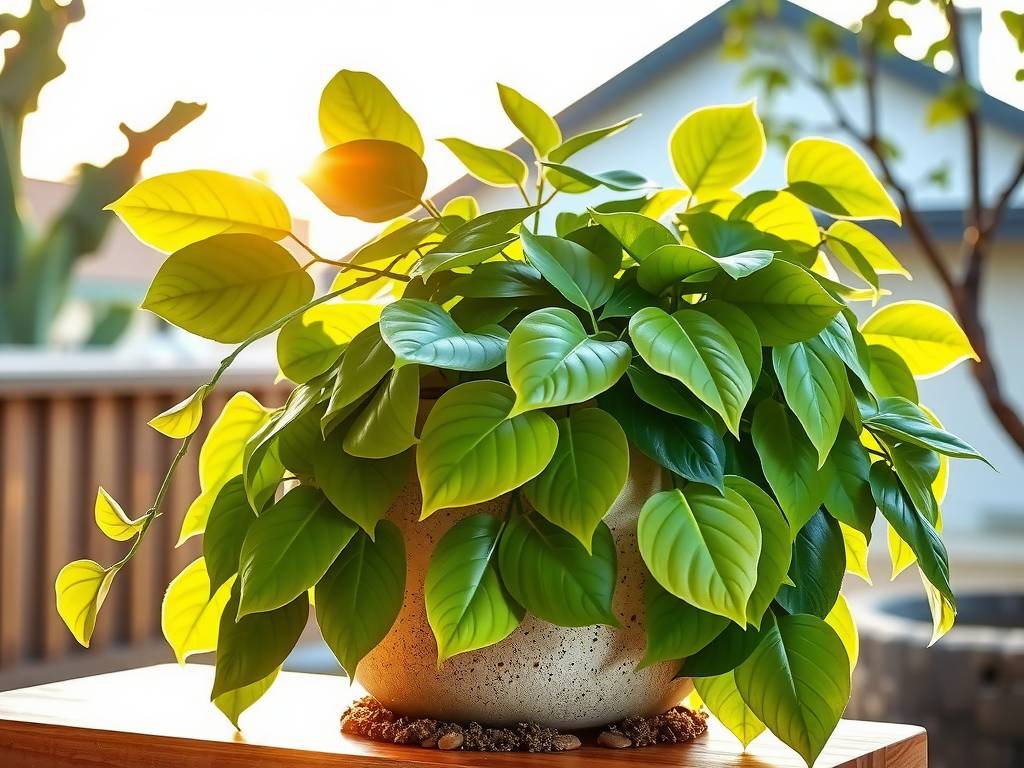
Yellow leaves are often a sign of overwatering or poor drainage. Ensure your pot has drainage holes and adjust your watering schedule. If the problem persists, check for root rot and repot the plant if necessary.
Caring for a large leaf pothos is simpler than it seems. By providing the right balance of light, water, and occasional maintenance, you can enjoy its lush green trailing vines for years to come. Whether you’re a seasoned plant parent or just starting, this shade-tolerant and drought-tolerant plant is sure to bring life and beauty to your space.