bluename
 How to Treat Thrips-Caused Leaf-Curl on Maranta Arundinacea: My 2-Week Recovery Plan
If your Maranta arundinacea has leaves curling inward like tiny green tacos, and you spot silvery streaks or tiny black specks on the undersides, you are dealing with thrips. The fastest fix? Isolate the plant immediately, shower every leaf with lukewarm water, and apply a spinosad-based spray every 72 hours for two weeks straight. That literally stopped the curling in my collection within four days.
I have killed more houseplants than I care to admit. The prayer plant was my third casualty before I finally understood what thrips were doing to it. The leaf-curl is not a watering issue this time — it is thrips feeding on cell contents. Young thrips pierce leaf tissue and suck out chlorophyll. The plant curls up as a stress response, trying to protect un-damaged cells. Simple enough to say, but I spent weeks treating the wrong problem. Let me walk you through exactly what worked, what failed, and how I fixed it.
Why Thrips Cause That Ugly Leaf-Curl (And Why It Looks Different)
Most people confuse this with overwatering. I did too. Overwatered Maranta leaves curl downward and feel mushy. Thrips damage curls the leaf longitudinally, like a scroll closing.
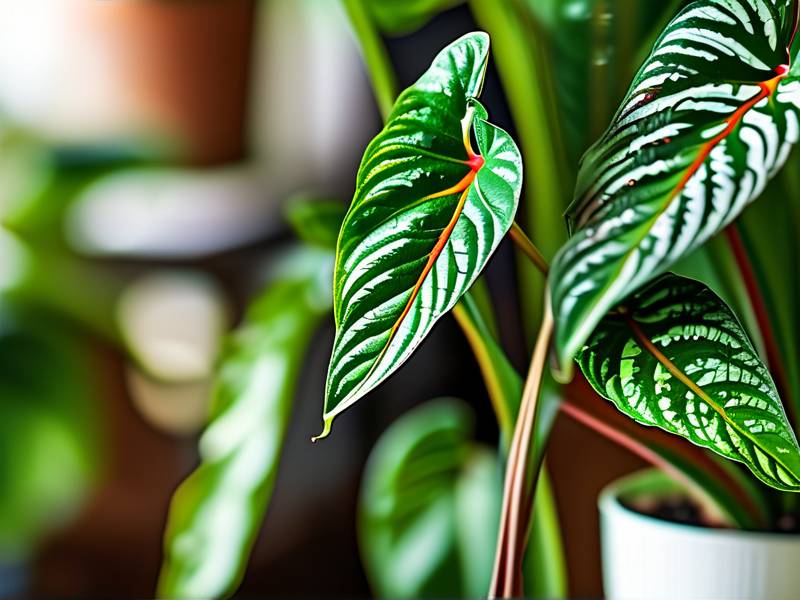
The damage pattern is distinctive. You will see:
- Silvery or bronze stippling on upper leaf surfaces
- Tiny black dots (thrips excrement) on lower surfaces
- Distorted new growth that comes out twisted
- Leaves that feel papery thin, not soft
Adult thrips are slender, about 1-2 mm long. They jump when disturbed. If you hold a white paper under the leaf and tap, you will see tiny moving specks. That is your confirmation.
Step 1: Critical First Action — Isolate and Inspect (Day 1)
I learned this after my second Maranta died. I kept watering it, thinking the curl was drought stress. It was not. By the time I noticed thrips, they had spread to my Calathea and Stromanthe.
Move the affected Maranta away from all other plants. Ideally into a separate room. Thrips fly, and larvae crawl. A distance of three meters across a room is not enough. Trust me on that.
Then inspect every single leaf. Use a magnifying glass if you have one. Thrips larvae are almost translucent, nearly invisible to the naked eye. The adults are dark and easier to spot. Look at the leaf axils where the stem meets the blade, the undersides, and especially the folded new leaf tips. That is where they hide.
Step 2: Mechanical Removal — The Shower Trick That Actually Works
Here is the part that saved my collection. Take the plant to a sink or bathtub. Tilt the pot at a 45-degree angle so you do not flood the soil. Run lukewarm water, not hot, not cold, and spray the undersides of every leaf hard.
I used my kitchen sprayer on a medium stream setting. You want enough pressure to dislodge thrips but not tear leaf tissue. The stream should look like a gentle jet, not a power washer.
Hold each leaf with one hand and direct the water from the base to the tip. Spend at least 15 seconds on the underside. Thrips cling with tiny hairs. One pass does not remove them all. After the shower, gently shake the plant to release excess water.
Then wipe each leaf dry with a soft microfiber cloth. This does two things. It physically removes any thrips that survived the water, and it lets you see the leaf surface damage clearly. Dry leaves also prevent fungal issues, because let me be honest, a humid wet plant left in low air circulation is asking for mildew.
Step 3: Apply Spinosad Spray — Every 72 Hours, Not Weekly
I tried neem oil first. That was my mistake. Neem oil coats the leaf surface and might suffocate adult thrips, but it does nothing to larvae inside the leaf tissue. Thrips larvae burrow into the plant cells. Neem cannot penetrate that.
Spinosad is a biological insecticide derived from soil bacteria. It works by ingestion and contact, and critically, it gets absorbed by leaves systemically to some degree.
I used a ready-to-use spinosad spray from a garden center. You can also find concentrate and mix it yourself at home. Check the label for spinosad content. Typical rates are about 1-2 tablespoons per gallon of water.
Spray the entire plant, top to bottom, leaf undersides especially, stems, and the top layer of soil. Early morning is best, right after the overnight dew evaporates. Spraying in the evening under high humidity can cause leaf burn. Learn from my experience.
Repeat every 72 hours for a full 14 days. That is the non-negotiable part.
Why 72 hours? Because the life cycle of thrips is about 12-15 days at room temperature. Eggs hatch into larvae, larvae feed, then pupate in the soil or on the plant, and adults emerge. Spinosad kills larvae and adults but not eggs. If you only spray once, new eggs hatch after the insecticide degrades. Spraying every 72 hours catches each generation as it emerges.
I marked on my calendar. Day 1, Day 4, Day 7, Day 10, Day 13. Five sprays total. By Day 8, I noticed no new leaf curling. By Day 14, the new growth came out flat and healthy.
Oh, and rotate the plant between sprays so you hit the leaf surfaces from different angles. Thrips are excellent at dodging.
Step 4: Treat the Soil — The Overlooked Pupation Stage
This is the step nobody tells beginners. Thrips pupate in the soil. When larvae are done feeding, they drop off the leaves and burrow into the top inch of growing medium. They emerge as adults a few days later. If you only spray the foliage, you miss half the population.
I used a soil drench with a systemic insecticide. Imidacloprid is common and effective for soil application. It does not work well as a foliar spray against thrips because they avoid it, but as a drench, the roots take it up and make new tissue toxic to feeding insects.
Mix according to the label, dilute in water, and pour over the soil surface until it comes out the drainage holes. Do this once. Do not reuse the runoff. Discard it.
Alternatively, you can use beneficial nematodes that hunt thrips pupae in the soil. If you prefer a non-chemical method, Steinernema feltiae works. I used imidacloprid because it is easier to find at a local nursery in a pinch.
One big caution. Do not combine imidacloprid soil drench with spinosad in the same week unless the label says it is safe. I made that mistake with a different plant and saw leaf tip burn. Give a three-day buffer between applications.
The Three Fatal Mistakes Every Beginner Makes With Maranta
Let us skip the fluffy generic advice. Here is what I specifically did wrong before I got it right. If you avoid these, you are already ahead of where I was.
Mistake #1: Watering on a Fixed Schedule
I watered my Maranta every Monday. Wednesday too if it looked slightly dry. That was the fast track to root rot.
The leaf-curl from overwatering looks similar to thrips damage initially, which confused the diagnosis. Overwatered Maranta leaves curl downward, the stems feel soft, and you might smell something damp and musty from the pot.
Here is the real accounting. 90% of indoor plants die from overwatering. I have killed three plants learning that lesson.
The fix is simple. Stick your index finger into the soil up to the second knuckle. Water only if it feels dry. Do not rely on calendar or plant app reminders. Each home has different humidity and temperature. My living room Maranta dries out in five days. My bathroom one needs water only every ten days.
Also, the leaf-curl from thrips makes you think the plant is thirsty. You water, the curl persists. You water more, the roots suffocate. A stressed plant with root damage is more vulnerable to thrips damage. It becomes a downward spiral.
Water thoroughly until water runs out the bottom. Wait 15 minutes, then empty the saucer. Never leave the pot sitting in standing water overnight.
Mistake #2: Wrong Light Placement
I placed my Maranta on a south-facing windowsill, thinking bright plants need bright sun. Wrong on every level. Maranta arundinacea lives on the forest floor in the tropics. It gets dappled, filtered light under a canopy, never direct sun.
Direct midday sun scorches the thin leaves. The leaf edges turn crispy, brown, and curl upward. That burn damages the cuticle, the protective layer on the leaf surface. Damaged cuticle means easier entry for thrips and other pests. A sun-stressed plant produces less defensive chemicals, leaving it vulnerable.
The ideal spot is a north or east-facing window. If your room only has a south or west window, place the Maranta one to two meters back from the window. Use a sheer curtain to diffuse the harsh afternoon light.
A quick test I use now. If you can read a book comfortably in the plant location without glare, the light is probably fine. Bright direct sunlight is not necessary. Intense morning sun for two to three hours is tolerable, afternoon sun is usually too harsh.
Mistake #3: Wrong Pot Choice
My first Maranta lived in a decorative ceramic cachepot with no drainage hole. I watered it, and the water pooled at the bottom, invisible to my eyes. The roots sat in water, slowly rotting over two months. The thrips issue just sped up the decline.
A drainage hole is not optional. It is mandatory. Terracotta pots are my favorite for Maranta because the porous clay lets excess moisture evaporate through the sides. The roots get more air flow, and you are less likely to overwater accidentally.
If you prefer plastic or glazed ceramic because of looks, make sure the pot has a clear bottom hole. When you water, you need to see water exiting freely from the bottom.
Do not double-pot without checking between layers. Water can sit in the gap between inner pot and outer decorative pot. That hidden water keeps the root zone damp for days longer than intended.
Choose a pot that is only 2-4 cm wider than the root ball. A too-large pot holds excess soil, which holds unused water, which leads to root rot. Maranta likes being somewhat root-bound. Repot only when roots circle the bottom of the pot or push out of the drainage hole.
For a pot size clue, if your plant falls over in its current pot without soil spill, it is probably ready for a move up. Otherwise, leave it alone. Repotting during active thrips treatment is stressful. Wait until you finish the two-week treatment program before changing the pot.
What to Expect During the Two-Week Treatment: A Day-by-Day Reality Check
I want to give you real expectations so you do not panic halfway through and give up.
Days 1-3: You will see adult thrips still moving around after the initial shower and first spray. That is normal. Spinosad takes time to work. The leaf-curl will look worse partly because the mechanical wash disturbed the leaves. Do not stress about that.
The new growth at the center may still appear twisted. This is residual damage from larvae feeding on the unopened leaf tips. It is not a sign of ongoing infestation.
Days 4-6: Adult thrips become harder to find. The silvery streaks on leaves remain but no new streaks appear on older leaves. The latest leaf, the one that was just emerging, may start to unroll flat.
One caution. Do not be fooled into stopping because you do not see pests. Congratulations if your eyes are that good, but invisible eggs may be waiting. Finish the minimum of two weeks.
Days 7-10: Existing leaves will still show the scars from thrips feeding. Those marks are permanent. The plant cannot undo the physical damage. However, the curl should relax noticeably. New leaves pushing out should be flat and unblemished.
I noticed the colors brightening on leaf surfaces, the deep green returning to the upper face, the distinctive red-purple underside becoming more vibrant.
Days 11-14: New leaves open normally. The plant perked upright, stems pointing to the light source. You may notice a tiny bit of leaf drop, that is just the plant shedding the most damaged old leaves. It is a survival mechanism. Let them fall, or gently remove them with clean scissors.
After Day 14, I waited three more days without spraying to confirm no new thrips appeared. I checked underside of leaves daily with a flashlight. Nothing. The treatment worked.
Ongoing Prevention: Keeping Leaf-Curl From Returning
Once you clear the infestation, do not relax completely. Thrips can re-enter from cut flowers, new plants, open windows, or even your clothes if you brushed against an outdoor infested plant.
Keep a spray bottle of neem oil and a few drops of mild dish soap mixed with water nearby. Spray your Maranta every two weeks as a preventive, focusing on leaf undersides. Do this early morning so the leaves dry by nightfall.
Inspect every new plant you bring home. Quarantine it for at least three weeks in a separate room. I skipped this once, brought in a cheap fern from the supermarket about three years ago, and spread thrips across five rooms in my apartment. Full lesson learned.
Maintain good airflow around the plant. A small fan on low settings directed near, but not directly at, the Maranta helps. Thrips prefer stagnant, dry conditions. Moving air disrupts their ability to land and lay eggs.
Monitor humidity. Maranta likes 50-70% relative humidity. A pebble tray with water under the pot keeps local humidity up without wetting the soil directly. Or use a cool-mist humidifier placed near the plant. High humidity strongly discourages thrips reproduction.
The RHS emphasizes that healthy plants resist pest damage better. Provide proper light, water, and feeding, and your Maranta will defend itself more effectively than any chemical product.
According to the AHS, early detection and physical removal are the most effective first lines of defense. The smaller the thrips population when you intervene, the shorter and less aggressive the treatment needs to be.
Personally, I also changed my watering approach entirely. Every plant in my home is now in a pot with drainage. I use a moisture meter for deep pots and my finger for shallow ones. It feels less intuitive at first, but it saves more plants than any spray.
Frequently Asked Questions From Real Home Gardeners
Can I use sticky traps for thrips? Blue sticky traps are more attractive to thrips than yellow ones. They catch adult thrips flying around, which helps monitor population levels. But traps alone will not solve an infestation on a Maranta, because larvae feed protected inside folded leaves. Use sticky traps as a detection tool alongside sprays, not as a standalone cure.
Will my Maranta leaves uncurl completely after thrips are gone? The leaves that already curled will not flatten back to their original shape fully. The physical curling is semi-permanent tissue contraction. However, new leaves that grow after thrips are removed will come out completely flat and healthy. Once the pest pressure stops, the plant allocates energy to fresh healthy growth. Focus on the new leaves, not the damaged ones.
Is it better to just cut off all affected leaves and start over? Only if the infestation is catastrophic where more than 50% of leaves show severe damage. Pruning all leaves stresses the plant massively. A Maranta can regrow from a bare rhizome, but recovery takes months. In my experience, treating the existing foliage is faster and less risky. Do prune off completely dead or mushy leaves to prevent fungal rot. Leave the curled but living leaves as photosynthesizing factories until new growth replaces them.
A final note from me to you. I have been exactly where you are now. Looking at a beloved Maranta with folded, distorted leaves. The answer is not to panic, not to overwater, and not to douse the plant in every product you have.
Pick one effective biological spray. Follow the strict 72-hour schedule for two weeks. Wash every leaf manually. Keep the plant in good light and dry feet. And give it time.
Within a month, you will see new growth that is flat, unblemished, and finally free of the curl that was driving you mad.
Now go check the undersides of those leaves one more time. You never know what you missed.