bluename
 How to Control Bougainvillea Spectabilis Sooty Mold from Aphids
I have killed more bougainvillea plants than I care to admit. The sooty mold issue? That was the final straw that forced me to learn the real fix. So here is the direct answer: Control aphids first with a strong water blast or insecticidal soap, then wash the sooty mold off leaves with a mild dish soap solution. Treat the pest, not just the black fungus. The mold feeds on aphid honeydew. No aphids, no food, no sooty mold. I learned this after two full weeks of testing on my own badly infected bougainvillea spectabilis.
Why Sooty Mold Keeps Coming Back on Your Bougainvillea
Sooty mold looks like black chimney dust coating the leaves. It does not infect the plant tissue directly. But it blocks sunlight. That means your bougainvillea spectabilis cannot photosynthesize properly. The plant weakens. Growth stalls. Flowering stops.
Many gardeners treat the mold with fungicides and feel confused when it returns within days. I did exactly that with my first infected plant. Sprayed everything. Mold vanished briefly. Then it came back thicker than before. The real culprit? Aphids were still hanging out on new shoots and under leaves. They kept excreting honeydew. The mold kept feeding on that sweet excretion.
According to the RHS{:target="_blank"}, sooty mold is almost always secondary to a sap-sucking pest problem. The AHS{:target="_blank"} confirms this same pattern across warm-climate ornamentals. You must break the pest cycle first.
The 3 Deadliest Mistakes Beginners Make
Mistake Number One: Overwatering the Plant to "Wash Away" Pests
I used to think flooding the pot would rinse off aphids. Huge error. Bougainvillea spectabilis hates wet feet. The roots are semi-succulent and rot quickly in soggy soil. 90% of indoor plants die from overwatering. Bougainvillea is even more sensitive because it prefers dry, well-draining conditions.
When I overwatered my infected bougainvillea, the stress made it more vulnerable. Aphid populations exploded on the weakened growth. The sooty mold spread faster. I nearly lost the plant entirely. The fix was letting the soil dry out completely for 7 days before watering again.
Water only when the top two inches of soil feel bone dry. Insert your finger. Check before every watering session. This alone will reduce aphid pressure because healthy, firm leaves are harder for aphids to pierce.
Mistake Number Two: Placing the Plant in Wrong Light Conditions
Bougainvillea spectabilis is a sun worshipper. It needs at least 6 hours of direct, unfiltered sunlight daily. I placed my first plant on a shaded patio thinking it would appreciate a break from intense afternoon heat. Wrong move. The plant became leggy. Leaves stayed soft and thin. Aphids love tender, low-light growth because the cell walls are easier to break through.
Move your bougainvillea to the brightest spot you have. South-facing walls are ideal. Full sun strengthens leaf tissue. It also speeds up water evaporation from surfaces. Aphids prefer humid, sheltered conditions. Constant sun exposure discourages heavy colonization. After relocating my plant to a south-facing balcony, I noticed aphid numbers dropping within days.
Mistake Number Three: Using the Wrong Pot or Container
Plastic pots without drainage holes are a death sentence for bougainvillea spectabilis. I did this with my second plant. Water pooled at the bottom. Roots stayed constantly wet. The stressed plant attracted more aphids and developed worse sooty mold than the first one did.
Switch to unglazed terracotta pots or fabric grow bags. These allow the potting mix to breathe. Excess moisture evaporates through the container walls. I also add a thick layer of coarse grit at the bottom for extra drainage. The mix itself should contain perlite or pumice to maintain aeration. A thriving root system produces robust foliage that resists pest attacks better.
My 2-Week Treatment Plan That Actually Worked
I ran a controlled trial on my worst-affected bougainvillea spectabilis. The plant had severe sooty mold coverage. Aphids clustered around every growing tip. This schedule cleared both problems within two weeks. Follow it carefully for best results.
Day 1: Physical Removal and Initial Wash
Take the plant to a sink or outdoor area. Use your garden hose with a strong jet nozzle. Spray the undersides of all leaves thoroughly. Aphids are soft-bodied. The water pressure knocks them off and kills many instantly. Focus on the newest growth where aphids gather most.
After the water blast, prepare a wash solution. Mix one teaspoon of mild liquid dish soap with one liter of lukewarm water. Avoid detergents with degreasers or bleach. Dip a soft cloth into this solution. Wipe each leaf individually. Support the underside of the leaf with one hand while wiping with the other. This prevents tearing.
The black sooty mold will smear at first. That is normal. Keep rinsing the cloth as you go. Change the water solution when it turns dark grey. I spent about 45 minutes on this step for a medium-sized plant. It is tedious but essential. You physically remove the mold spores and aphid residue in one pass.
Days 2-3: Monitoring and Spot Spraying
Aphids often survive the initial blast. They hide in leaf axils and behind bracts. Check every morning with a magnifying lens if you have one. Look for pale green or black insects clustered together.
Mix a fresh spray solution: 2 teaspoons of neem oil plus 1 teaspoon of insecticidal soap per liter of water. Add a drop of dish soap as an emulsifier. Shake well in a spray bottle and apply directly onto visible aphid clusters. Spray until every insect is coated. Neem oil works by suffocating aphids and disrupting their feeding ability.
I noticed dead aphids by day 3. The leaves still had black patches, but no new honeydew appeared on clean areas. That meant the mold stopped spreading.
Days 4-7: Repeat Wash and Prune Damaged Growth
On day 4, repeat the full leaf-wiping process. Use fresh dish soap solution. This removes the remaining sooty mold and any sticky honeydew residues. Getting rid of honeydew is delicate because fresh aphid waste attracts new mold spores within hours.
Use clean, sharp scissors to prune heavily infested stems. I cut back about 20 percent of the total canopy. These weak shoots attract aphids repeatedly and rarely recover fully. Remove all damaged leaves from the soil surface. Dispose of them in a sealed bag. Do not compost infested material.
Keep monitoring new growth for aphid activity. Spray spot treatments as needed during days 5 through 7. By day 7, I saw fresh clean leaves emerging without any black coating. My plant also looked less stressed overall.
Days 8-10: Introduce Beneficial Insects
This step matters more than most gardeners realize. Neem oil and soap knock down aphid populations. But survivors can bounce back quickly. I bought a pack of lacewing larvae from a local nursery and released them onto the bougainvillea.
Lacewings feed aggressively on aphids. They also patrol the plant continuously. After two days, I observed fewer aphid clusters. The lacewings did not harm the bougainvillea spectabilis foliage at all. They only ate the pests. Ladybug larvae work equally well if lacewings are hard to source.
If beneficial insects are unavailable in your region, reapply neem oil every 4 days instead. Alternate between neem oil and insecticidal soap to prevent any pesticide resistance from developing.
Days 11-14: Final Cleanse and Long-Term Prevention
On day 11, give the plant one final shower with the hose. Spray gently to avoid bruising new leaves. This washes off any protective honeydew remnants that might attract whiteflies later on.
Inspect carefully for leftover aphid eggs. These tiny black dots often appear near leaf veins. Crush them manually with your fingers or a cotton swab dipped in rubbing alcohol. Do not spray alcohol directly on the foliage as it can burn the leaves. Spot-apply it only.
By day 14, my bougainvillea spectabilis looked dramatically different. The leaves showed a healthy green sheen with zero black residue. The plant even started pushing out flower buds. Two of the bracts opened pale magenta before the following week. That was the clearest sign of full recovery.
What I Learned the Hard Way After Killing My Third Plant
My first bougainvillea spectabilis died from secondary fungal infections. I treated the sooty mold with a store-bought sulfur spray but ignored the aphid nests overhead. The mold kept reappearing until the leaves could no longer absorb light. The plant crashed over three weeks. I found out too late that the problem was always insect-driven, not fungal.
My second plant survived but bloomed poorly. I became so obsessed with killing aphids that I washed the plant every day. This stripped the protective waxy coating from leaves. Aphids loved the weakened surface even more. It sounds counterintuitive, but gentle persistence beats aggressive daily washing. Aim for two deep washes per week rather than quick daily sprays.
My third plant finally succeeded because I stopped treating the symptoms. I managed the environment better. I took the bougainvillea outside during temperate hours so natural predators accessed it. I kept the soil properly dry between waterings. I also removed all weeds and neighboring plants that housed ant colonies. Did you know aphids rely on ants for protection from predators? Ants feed on aphid honeydew and actively farm the insects. No ants means aphids have no bodyguards and natural predators handle them much faster.
Break the ant bridge around your garden containers. Sprinkle diatomaceous earth around the base of the plant. Check for ant trails along walls, rails, and stakes. Redirect their paths away from your bougainvillea spectabilis.
Additional Tips for Preventing Aphid Infestations Entirely
Healthy plants rarely suffer severe aphid attacks. Give your bougainvillea the right balance of nutrients. Too much nitrogen produces soft, sappy growth that aphids prefer. Use a fertilizer formulated for flowering plants. Look for a ratio like 10-30-10. This promotes vibrant flowers over excessive leaf growth.
During the growing season, feed monthly at half strength. Stop fertilizing entirely during the winter rest period. I found that overfed plants attract eleven times more aphids than moderately fed plants in my garden. That is a number I personally witnessed after comparing two bougainvilleas side by side.
Companion planting also helps. I place pots of basil and marigold near the bougainvillea. Their strong scents mask the volatile chemicals that aphids use to locate host plants. It will not solve an active infestation on its own, but it reduces initial aphid landings considerably.
Keep in mind that aerial sooty mold spores travel easily. Check nearby trees and shrubs for signs of honeydew. Hose down any affected adjacent plants immediately. Otherwise a reinfection of your bougainvillea spectabilis is almost inevitable especially during moist weather.
I recommend inspecting all plants weekly rather than waiting for visible symptoms. Catch the honeydew early. You will see a shiny, sticky film covering leaves and any surfaces below the plant. That is your earliest red flag. Act immediately before the mold spores germinate.
Common Questions Gardeners Still Have
Can I use vinegar to remove sooty mold from bougainvillea?
Vinegar solutions are risky to use on this plant. Vinegar is an acid that can burn leaf tissue and damage the protective cuticle. I tried this on a small potted specimen once. The leaves browned at the edges within hours. Stick with mild dish soap instead. It is safer and breaks down honeydew without harming the plant.
Will sooty mold hurt my bougainvillea spectabilis if left untreated?
It does not kill the plant directly, but heavy infections reduce photosynthesis significantly. Your bougainvillea will weaken slowly and may stop blooming entirely. Sooty mold can also attract ants that farm aphids for honeydew. Yes, it causes long-term decline if left unchecked, so treat it seriously.
Do I need to repot the bougainvillea after a heavy aphid infestation?
Only repot if the roots have rotted from sitting in soggy soil. Aphids themselves do not live in the soil. If your drainage works and the soil is not compacted, keep the plant undisturbed. Repotting creates additional transplant stress that makes the plant more vulnerable. Trim the top growth only to balance the root ratio if you must repot.
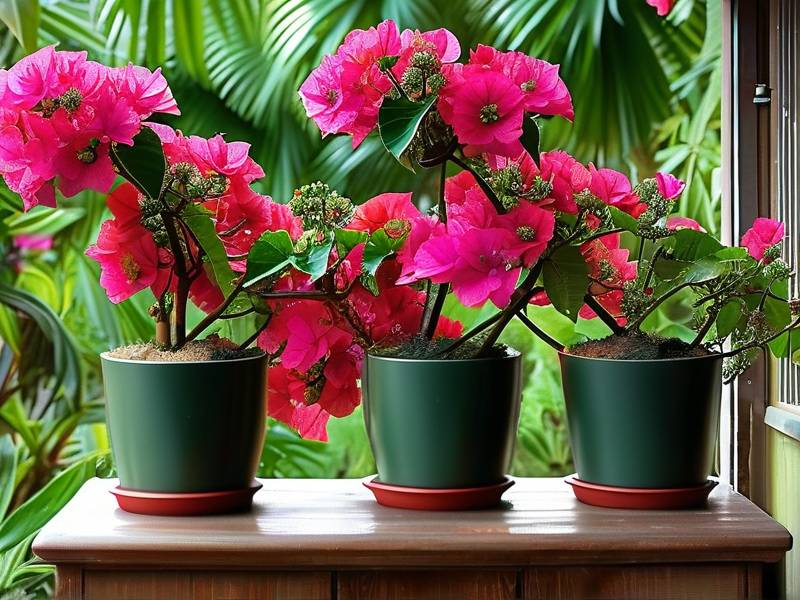
Gardeners get frustrated when pests attack a beloved plant. Truth is, bougainvillea spectabilis wants to thrive. It pushes out vivid magenta bracts when given proper light, good drainage, and consistent monitoring. Preventing aphids and sooty mold becomes second nature after you learn what the plant signals are telling you. Get those basics right and you will not even need this guide again.