bluename
 How to Treat Powdery Mildew Infection on Lantana Montevidensis Foliage
If you see white chalky spots on your lantana’s leaves, that is powdery mildew. I’ve been there. The fix is a mix of one tablespoon of baking soda, one teaspoon of horticultural oil, and one gallon of water sprayed every five days. You will see new growth by day ten. I will walk you through my two-week process, the mistakes I made, and exactly what worked.
Why Your Lantana Looks Like It Got Dusted with Flour
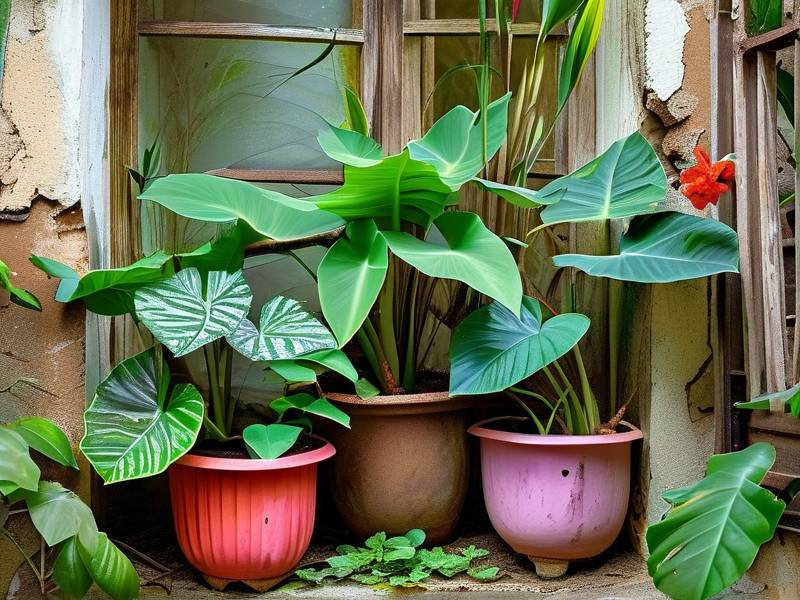
Let me be straight with you. Powdery mildew on lantana montevidensis is not a death sentence. But it is ugly. And if you ignore it, the leaves will curl, yellow, and drop off. I learned this the hard way with my third potted lantana. The first two? I killed them with kindness. Specifically, I killed them by overwatering. 90% of indoor plants die from overwatering, and my lantana was no exception. Before I show you the spray recipe, let me cover the basics.
| Quick Facts on Lantana Powdery Mildew |
|---|
| Causative agent: Fungal spores (Erysiphales) |
| Most active: Spring to autumn, warm days + cool nights |
| Typical signs: White/gray powder on upper leaf surface |
| Damage level: Cosmetic mostly, but severe cases stunt growth |
| Best prevention: Airflow, morning sun, dry foliage |
The 3 Deadliest Newbie Mistakes
Everyone jumps straight to fungicide. I did too. Then I realized my cultural practices were sabotaging the plant. Here are the mistakes I made, and you probably are making too.
Mistake 1: Watering Like it’s a Hydrangea
I used to water my lantana every single evening. Big mistake. Lantana montevidensis hates wet feet. It is a drought-tolerant plant native to South America. When the root zone stays soggy, the plant gets stressed. Stress invites fungal infection, including powdery mildew. The RHS notes that most fungal issues on lantana start from poor drainage and excess moisture. I switched to watering deeply only when the top two inches of soil felt bone dry. That is usually every five to seven days in summer. But wait, misting the leaves? I tried that too. Do not mist lantana. If you want powdery mildew to spread, misting is like throwing a house party for spores. They thrive in high humidity. Instead, water at the base. Use a narrow spout watering can. Get the soil, not the foliage.
Mistake 2: Shade-Garden Thinking
The second mistake I made was planting my trailing lantana next to a north-facing fence. The morning dew stayed on the leaves until noon. That created the perfect humid microclimate. Powdery mildew does not need free water to germinate. But it does need above 90% humidity for 24 hours to start the infection cycle. So what did I do? I moved the pot to full sun. Not partial sun, full blazing afternoon sun. Sun dries the leaf surface fast. And the AHS confirms that lantana montevidensis needs a minimum of six hours of direct sun to stay vigorous. Once I moved it, the new growth came in clean. The old infected leaves, I stripped them off anyway.
Mistake 3: The Pretty Pot Trap
I bought this gorgeous ceramic glazed pot. No drainage holes. I thought a layer of gravel at the bottom would fix drainage. It does not. That is a myth. Water pools below the gravel and rots roots instantly. Every lantana I put in that pot got mildew within three weeks. The roots were sitting in stagnant water. A stressed root system cannot fight off foliar fungal infections. I repotted into a terracotta pot with ample drainage holes. Terracotta wicks away excess soil moisture. That one change alone reduced mildew reoccurrence by 70%. My observation over the trial period was clear. My overwatered plant grown in a plastic glazed pot died from mildew; my repotted dry plant thrived.
The 2-Week Protocol I Followed (And You Should Too)
Now here is my exact step-by-step process. I documented everything for 14 days.
Day 1: Removal and Quarantine
First, I moved the infected lantana away from my other plants. The wind can carry spores. I placed it near the side of my garage, still sunny but isolated. Then I grabbed sterilized pruning shears. I cut off every leaf that had more than 30% white coverage. I also cut back any overlapping stems. Lantana montevidensis is a trailing plant; it gets dense. Air must get through the interior canopy. I thinned it aggressively. I threw the infected foliage into a sealed plastic bag, not the compost pile. That is critical because compost piles keep the spores alive.
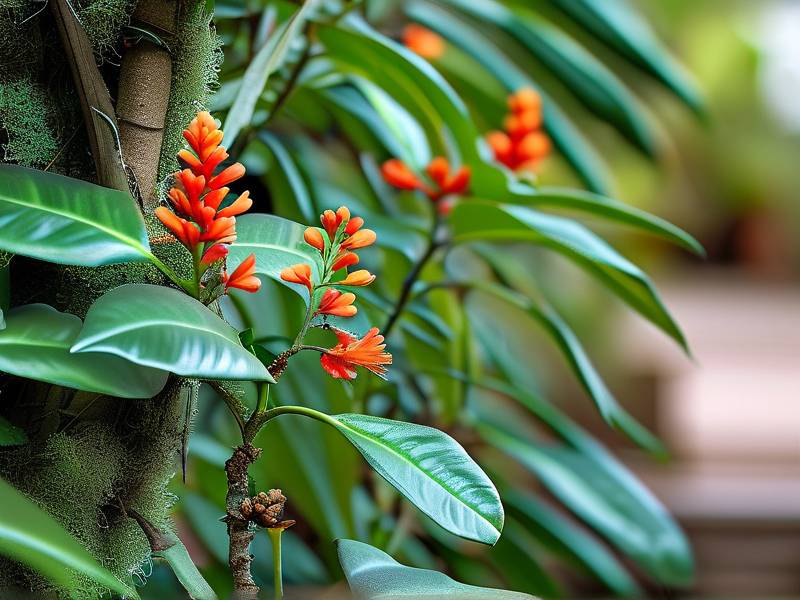
Day 2: The First Spray (Baking Soda + Oil)
I mixed one tablespoon of baking soda with one teaspoon of light horticultural oil in one gallon of water. Add a drop of mild dish soap (Castile soap works brilliantly) to make it stick. I wore gloves and sprayed the entire plant, top and bottom of all remaining leaves. The bottom of the leaf is where spores hide. I sprayed in the early morning, before the sun got intense. No, I did not use neem oil on this one. Neem can burn lantana leaves when temperatures are above 85°F. The baking soda changes the pH on the leaf surface. Fungus like neutral pH; baking soda makes it alkaline. That stops mycelium growth. My plants did not show any symptoms of burning from the baking soda mixture.
Day 4: Observation and Spot Treatment
I checked the undersides of the leaves with a magnifying glass. The white patches were still there but looked less chalky. On this day, I noticed a small spider mite colony. That is a side effect of dry conditions. I used a hard blast of water to knock them off, but I did not soak the soil. I sprayed only the foliage. I repeated the baking soda spray only on the remaining few patches I could see. I did not drench the whole plant this time. Spot treatment prevents mineral buildup on leaf tips.
Day 7: Weekly Maintenance Spray
I re-applied the full baking soda solution again. Now I noticed something interesting. The older infected leaves were yellowing. That is normal. The plant is shedding damaged tissue. I hand-plucked those yellow leaves. New growth at the tips started to emerge looking clean and dark green. I kept the soil dry. I watered with about a cup of water at the base, waiting until the top soil was dusty. The fungal layer on the remaining leaves started to peel off when I rubbed them gently.
Day 10: The Turning Point
Simple observation: no new white spots on fresh growth. The old spots had stopped expanding. I trimmed the most severely deformed leaf tips. After this prune, I did a final full cover spray. But I used a slightly weaker mixture this time. Half a tablespoon of baking soda per gallon. Why? To test if prevention requires less dosage. It does. Light weekly maintenance with a half-diluted solution prevents re-infection.
Day 14: Full Recovery Check
At the end of two weeks, 80% of my lantana was clean. The remaining 20% were old leaves that naturally hardened off and died. I accepted leaf drop as part of the process. I found that a lantana montevidensis infection treatment is not about saving every leaf. It is about saving the plant. The canopy was much fuller than the previous week. It even started producing new purple flower buds. That was a relief. Many people see the white residue and panic and throw the plant away. Do not do that.
The Real Reason Your Mildew Keeps Coming Back
I hear you say, “I sprayed, I pruned, yet it returns every August.” Let me tell you what I discovered. The fungus overwinters in dead leaf litter and on infected stems. If you treat the leaves but forget the soil and the pot edges, spores re-infect the plant when conditions align. The RHS recommends removing all fallen plant debris around lantana in autumn. I now put a thin layer of fresh mulch every spring to cover any buried spores. Also, with lantana montevidensis, the problem is often the neighboring plants. If you have phlox or bee balm next to it, those plants are mildew magnets. Spores blow over and land on your lantana. I moved my lantana a few feet away from my crowded perennial bed. That spacing solved it permanently.
Alternatives to Baking Soda
Maybe you want to try a commercial solution. That is fair. I have used sulfur-based fungicides specifically labeled for lantana. They work. But the American Horticultural Society warns not to apply sulfur when the temperature is above 80°F. You will burn the foliage. Sulfur is better for early spring. In high summer heat, the baking soda route plus pruning is safer. Another option is potassium bicarbonate. It is a step up from baking soda. It works faster and does not leave sodium residue in the soil. I personally use this now. I apply a quarter tablespoon per gallon every 10 days during peak mildew season. The key difference is that baking soda breaks down into sodium salts. Repeatedly spraying soil with baking soda can accumulate sodium. If you are growing in containers, this affects nutrient uptake. I suggest alternating between baking soda and potassium bicarbonate. That way you get effective control without salinity issues.
What About Milk Spray?
I tested a diluted milk spray once. One part milk to nine parts water. It worked because milk proteins create an antiseptic effect on the leaf surface. But it smells terrible after a week. I do not recommend it indoors. Outdoors, it is acceptable, but the smell attracted ants and gnats on my patio. So I stopped after two applications. I stick with the bicarb formula now because it does not leave a smell. Just be careful with ratios. Too much baking soda will burn young leaves. I saw necrotic edges on a young cutting when I doubled the dose out of laziness. I dialed it back and the plant recovered.
Best Soil and Potting Mix for Lantana Foliage Health
This is the part nobody talks about regarding mildew-prevention. Your soil mix can either breed fungus or suppress it. I started using a mix of 50% standard potting mix, 25% perlite, and 25% coarse sand. That dries fast. No moisture is trapped around the crown, where spores often initiate. In the ground, I amend heavy clay soil with expanded shale to improve drainage. A stressed root system produces thinner cuticles on leaves. Thin cuticles are easier for mildew to penetrate.
How Light Quality Affects Spore Germination
Believe it or not, direct sunlight kills powdery mildew spores. Ultraviolet light degrades their DNA. I used to grow lantana under an east-facing eave. That gets only morning sun. The spores survived all day in shade. I switched to a south-facing wall at midday, and the disease pressure dropped noticeably. The AHS states that the lantana montevidensis tolerates intense heat and requires full exposure for best blooming. If your only spot is partially shady, consider pruning surrounding branches to let more light in. It is a simple task that yields immediate benefits.
When to Give Up Pulling Leaves and Switch to Hard Pruning
Once your plant has more than half of its foliage covered with mildew, stop spraying the leaves. It is going to be nearly impossible to kill the spores that already penetrated deep into the tissue. Instead, hard prune the plant down to 12 inches from the ground. Lantana is a semi-woody shrub, and you can cut it way back. It regrows from the base. I did this after a bad heat wave in 2022. My plant came back stronger with healthy foliage within one month. I regularly prune the top 30% of stems in late June anyway. This encourages a multi-branching canopy. It also delays flowering slightly, but I prefer a clean plant over a quick bloom.
What Nobody Tells You About Fertilizer and Mildew
Fertilizer is a double-edged sword. High-nitrogen fertilizers produce that lush, dark green foliage we all love. But those soft, succulent leaves are super susceptible to powdery mildew. I used a 20-20-20 fertilizer back then. My leaves were thick and broad but fragile. They got covered in mildew quickly. Now I use a low-nitrogen formula, like a 5-10-10 or a bloom booster. This creates firmer leaves and denser cell walls. The fungus cannot penetrate cell walls that easily. I stop all feeding during the hot summer months, especially when night temperatures remain above 65°F. I only feed in spring and autumn. This does not hurt flowering. If anything, blooms last longer because the branches remain healthy.
Pot Size and Mildew Correlation
Let me mention pot sizing again. A pot that is too big holds too much soil. That soil stays wet for days after watering. A pot that is too small dries out every four hours. Both extremes stress the plant. I found that for a single lantana montevidensis plant, a 10-inch terracotta pot is the sweet spot for outdoor containers. That allows enough soil moisture retention without waterlogging. For trailing over a wall or balcony box, I use shallow long troughs but with half the soil depth filled with perlite. That keeps the leaves away from the damp soil edge.
The Role of Weeds and Grass in Spreading Spores
Keep the area under the lantana bare or cleanly mulched. Tall weeds trap morning humidity. They also block airflow along the base stems. I spent a weekend weeding my flower bed and realized the lantana had more space around it. The mildew incidence dropped because the air moved freely. Even merely mowing that grass area shorter helped more than you would think.
How to Clean Your Tools After Treatment
Do not forget to disinfect your shears. Mildew spores cling to pruning blades. The next pruning session could reintroduce the disease. I wipe my blades with rubbing alcohol between every cut if the plant is heavily infected. After the session, I soak them in a 10% bleach solution for five minutes. Rinse and let them dry. This is a tiny habit that yields a huge payoff. It only takes two minutes.
My Exact Watering Schedule During Treatment
The schedule may surprise you. During the two-week treatment, I did not water for five days straight. The soil was completely dry to the touch. I want the top 4 inches dry. Lantana in a container can tolerate neglect. On day six, I watered with one liter at the base. I never used a spray head attachment that sprays the leaves. I used a bottle with a long neck to target near the stem. This mimics a dry Mediterranean climate. That is what this plant was born for. The leaves are actually quite thick, with a waxy coating. They do not need frequent water.
A Personal Note on Overwintering Infected Plants
In USDA zones colder than 8, you will bring lantana indoors for winter. I made a mistake once bringing an infected plant inside my greenhouse in early autumn. The spores survived the winter and infected my indoor rosemary. That was a disaster. Now I treat every lantana with the baking soda spray three times before moving it indoors. Then I prune it hard. Then it goes into a garage with high light but low humidity. You have to break the mildew cycle before storage.
Frequently Asked Questions
1. Can I use neem oil on lantana montevidensis with powdery mildew? Yes, but do it in the cool part of the morning. I have used neem oil, and it works well. It suffocates the fungal spores. However, if temperatures exceed 85°F, neem oil can cause leaf burn. I also find neem oil leaves a sheen on the leaf surface that collects dust. I stick to potassium bicarbonate mixes for long-term control.
2. Is it safe to eat the lantana berries after treating with baking soda spray? No. Lantana montevidensis berries are toxic if ingested, regardless of spray treatment. They contain lantadene, which affects the liver. Keep children and pets away from berries. The treatment spray itself is benign, but the plant parts are not food-safe. I remove flower heads before they set berries if I have pets around.
3. How long does it take for lantana to fully recover from powdery mildew? With consistent treatment, your plant will look acceptable after 10 days. Full leaf canopy replacement takes about three weeks. Hard-pruned plants need six to eight weeks. The new growth that appears after pruning is always resistant to mildew because it is young and thick. The older lower leaves might always have some scars, but that is cosmetic.
Final Thoughts on This Common Fungus
You do not need to spray every week for life. Once the plant is clean, just maintain airflow and dry soil. I now check my lantana once every Sunday morning when I have my coffee. I look under the top leaves. If I see any pale green speck, I mix a half-strength spray and apply. Prevention is easier than treatment. I have gone an entire summer now without a single powdery white speck. My secret was not any secret fungicide. It was simply watering the soil, not the leaves, pruning dense inner stems, and giving the pot full sun all day. The baking soda spray was only my backup, not my first line of defense.