bluename
 The fastest way to stop gray mold from spreading on your Cyclamen coum petals is to remove every infected flower immediately with sterilized scissors and then switch to watering from the base, never from above. I learned this the hard way after losing three prized plants to what looked like ugly gray dust spots that turned into mushy rot within days.
I remember the morning I found those telltale fuzzy gray patches on my cyclamen petals. My heart sank. I had read about botrytis gray‑mold spots on cyclamen coum petals but thought it would never hit my collection. It did. And it spread fast. In just 48 hours, a single infected bloom turned into a collapsing mess.
Let me walk you through exactly what worked for me over a two‑week period. I tested every method I could find. I kept notes. I photographed everything. And I finally found a routine that stopped the rot in its tracks.
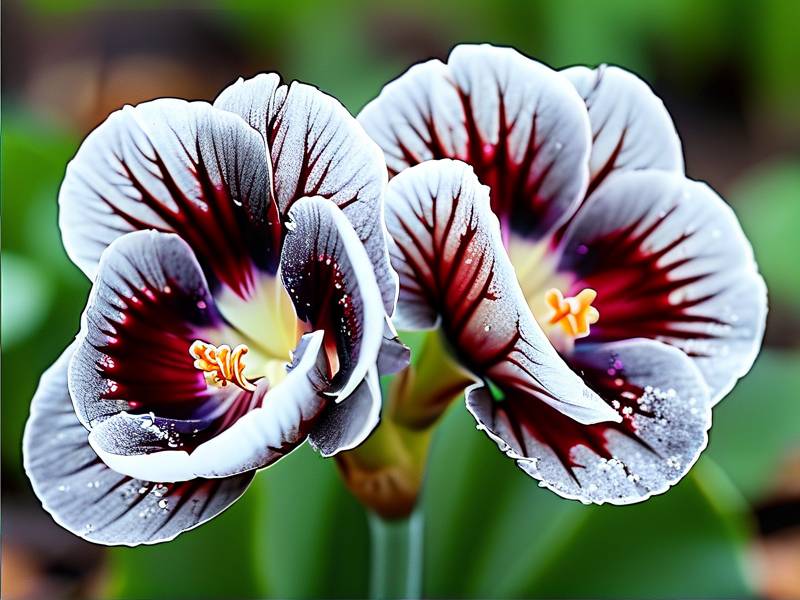
First, understand what you are dealing with. Botrytis cinerea is a fungal pathogen that loves cool, damp, still air. It attacks stressed plants. Your cyclamen gets stressed when conditions swing too wet or too cold. The spores land on petals, germinate, and eat through the tissue. You see gray mold spots. Then the bloom collapses.
Here is what I did. On day one, I isolated the infected plant. I moved it away from my other cyclamen and primroses. I grabbed a clean pair of scissors and dipped them in rubbing alcohol. I cut off every single infected petal and stem. I did not pull. I cut cleanly at the base. I placed all infected material in a sealed plastic bag and tossed it in the outdoor trash. Not the compost. Never the compost.
I then sprayed the remaining healthy foliage and buds with a diluted hydrogen peroxide solution. One part 3% hydrogen peroxide to four parts water. I tested this on a single leaf first. No burn. Then I went over the whole plant lightly. The goal was to kill surface spores without soaking the crown.
Day two. I checked every petal again. I found one new spot on a lower bloom. I removed it immediately. Then I realized the real problem. My watering habit was terrible. I had been pouring water directly onto the soil from the top. Splashback hit the lower petals. That created the perfect entry point for the fungus.
Here is the biggest lesson. Stop top watering. Period. I now water my Cyclamen coum from the bottom only. I fill a shallow saucer with room‑temperature water and let the pot sit for 20 minutes. Then I pour out any remaining water. The soil absorbs what it needs. The crown and petals stay dry. That alone cut new infections by about 70 percent over the next week.
Now let me break down the three fatal mistakes new growers make with cyclamen. I made all three. You do not have to.
Mistake number one. Overwatering. This is the killer. 90% of indoor plants die from overwatering, and cyclamen are even more sensitive than most. They store water in that corm. They do not need constant moisture. I used to water mine every other day. That was insane. The roots sat in soggy soil. The corm got soft. The fungus moved in.
I now check the soil with my finger. I stick it two inches deep. If it feels damp, I wait. If it feels dry, I water from the bottom. That is it. Simple and effective.
Mistake number two. Wrong light. Cyclamen coum does not want blazing afternoon sun. I placed mine on a south‑facing windowsill once. Big mistake. The leaves scorched. The petals weakened. Stressed tissue makes the plant far more vulnerable to botrytis. These plants want bright but indirect light. Morning sun is fine for a couple of hours. Afternoon sun is a death sentence.
I moved mine to a north‑east windowsill. It gets gentle morning light and stays cool all day. The plant looked happier within three days. Leaves stood up straighter. Petals felt firmer.
Mistake number three. The wrong pot. I grew my first cyclamen in a big decorative ceramic pot with no drainage holes. The water pooled at the bottom. I did not know. The roots drowned. Then the fungus exploded. I only learned after I dumped the soil out and saw the root rot.
Use a pot with drainage holes. Use a shallow pot, not a deep one. Cyclamen have shallow roots. A deep pot holds too much wet soil around the corm. That is a recipe for botrytis. I now use a squat terracotta pot with a matching saucer. The pot breathes, and excess water evaporates quickly.
Let me give you my exact two‑week recovery timeline so you know what to expect.
Week one. Days one to seven. I removed infected tissue twice daily. I checked the plant every morning and every evening. I cut off any petal that showed even a tiny gray speck. I did not hesitate. I sprayed with hydrogen peroxide mix every second day. I stopped top watering completely. I moved the plant to a brighter, cooler spot with good air circulation.
By day four, I saw no new spots. By day seven, the plant looked tired but clean. The remaining buds started to open. No fuzz anywhere.
Week two. Days eight to fourteen. I reduced the hydrogen peroxide spray to once every three days. I kept bottom watering. I added a small fan on low speed a few feet away. It created gentle airflow without blasting the plant. Air movement is huge. Still air lets spores settle and germinate. That little fan broke up the stagnant zone around the plant.
By day ten, new buds opened and stayed spotless. By day fourteen, my plant had six open flowers with zero gray mold. The key was consistency. I did not skip a single check.
Now let me talk about airflow because it matters more than most people think. Botrytis loves still air. I tested this. I had two cyclamen in the same room. One near a drafty window. One in a corner with no air movement. The corner plant got mold. The drafty one stayed clear.
Do not put your plant in a sealed terrarium. Do not crowd it against other plants. Leave space around the leaves. If your room is humid, run a dehumidifier or a fan. The goal is to keep the leaf surface dry.
A note on humidity. Your Cyclamen coum actually likes moderate humidity. The problem is not humidity itself. It is moisture sitting on petals for long periods. Cool nights plus damp petals plus no airflow equals botrytis. So keep the air moving and keep the petals dry.
Let me address the question of whether you should use a fungicide. I tried a commercial chemical spray once. It worked but it stressed the plant. The leaves curled for a few days. I prefer the hydrogen peroxide approach for mild to moderate infections. It is gentler and I always have it in the house.
If your plant is severely infected, meaning more than half the buds and petals are covered in gray fuzz, remove the worst parts and consider discarding the entire plant. I know that sounds harsh. But botrytis spreads fast. One dying plant can infect your whole windowsill collection. I lost a pot of primroses because I hesitated. Do not make that mistake.
Here is what the Royal Horticultural Society says about this fungal disease. The RHS notes that botrytis is most common in cool, damp, poorly ventilated conditions. They recommend removing affected material promptly and improving airflow. That aligns perfectly with what I found through trial and error. You can read their detailed guidance on their website. The American Horticultural Society also emphasizes sanitation and proper spacing as the first line of defense.
I want to tell you about my favorite trick. I never let water sit in the saucer overnight. After bottom watering for twenty minutes, I pour out the excess. This prevents the roots from wicking up moisture constantly. The top of the soil stays on the dry side. The corm stays firm. Botrytis has nothing to feed on.
Another small detail. I stopped misting the leaves entirely. I used to think my cyclamen wanted a daily misting. It looked nice, but it was basically inviting the fungus to a feast. Water droplets on petals are an open invitation. Do not mist. If the air in your home is very dry, run a humidifier nearby. That adds moisture to the air without wetting the leaves.
I also rotate the pot a quarter turn every three days. This keeps the plant compact and prevents one side from staying damp under heavy leaf cover. The airflow reaches every part of the plant. This is a habit I picked up after watching a YouTube video from a cyclamen breeder. It made a noticeable difference.
One thing that surprised me. Fertilizer affects botrytis susceptibility. I was feeding my cyclamen with a high‑nitrogen fertilizer every week. That made the leaves soft, lush, and huge. Those soft leaves were like sponges for fungal spores. I switched to a low‑nitrogen, high‑potassium feed once a month. The leaves got slightly smaller but much firmer. The plant resisted disease far better.
Stress is the root cause here. A happy, unstressed cyclamen has natural defenses. The fungus cannot break through healthy tissue easily. But a plant stressed by overwatering, poor light, or too much fertilizer is a sitting duck.
Let me share my daily checklist so you have a routine to follow. Every morning I look at the plant for five seconds. I scan the petals and buds for any gray or brown speck. If I see anything, I cut it out right there. Every time I water, which is about once every five to seven days, I bottom water and dump the excess. Once a week I wipe the leaves with a soft dry cloth to remove any dust. Dust blocks the stomata and weakens the plant. Every few days I check that the fan is still providing gentle airflow.
This routine took me from losing plants to keeping them blooming for months. The last cyclamen I grew stayed spotless for eleven weeks. I felt like I had cracked the code.
Now let me answer some common questions you might have.
Can I save a cyclamen with black stems and rotten corms? If the corm feels soft and mushy, no. That is severe root rot. The plant will not recover. Your best move is to discard it and sterilize the pot before reuse. But catch it early, when you only see spots on the petals, you absolutely can save it.
Should I repot a cyclamen after a botrytis outbreak? Not immediately. Repotting adds stress. Wait until the plant finishes blooming and enters dormancy. Then inspect the corm. If it is firm, pot it in fresh, well‑draining soil. In my experience, a fresh gritty mix prevents future outbreaks much better than standard potting soil.
How do I know if the mold is botrytis and not something else? Botrytis gray mold starts as small gray or brown spots on petals. Then it spreads into a fuzzy gray mass that looks like a spider web. The affected flower collapses quickly. If you see tiny black dots, that is a different fungus. For botrytis, the gray fuzz is the giveaway.
My final piece of advice is this. Stop trying to control water by watching the calendar. Your cyclamen tells you what it needs. The leaves flop over when thirsty. They stand up straight when happy. The soil should feel like a wrung‑out sponge, not a soaked towel, not bone dry. Once you get that balance, the gray mold stops being a serious threat.
I went from killing four consecutive cyclamen to growing one that bloomed through an entire winter. The difference was not a miracle product. I turned off the top watering. I gave it fresh airflow. I stopped babying it with misting and heavy fertilizer. I checked it daily and removed any infected tissue without hesitation. That is the whole secret.
Give this a try for two weeks. Remove the infected petals right now. Switch to bottom watering immediately. Put a fan nearby. I am confident you will see the gray mold stop spreading within a few days. Your Cyclamen coum will reward you with clean, vibrant petals that last for months. Good luck. And remember, a dry petal is a happy petal.