bluename
 How to Eliminate Citrus Aurantium Sooty-Mold from Scale Insects
If you are dealing with sticky leaves and black powder on your Citrus aurantium, the answer is simple: kill the scale insects first, then wash the mold off with soapy water. The black sooty-mold is just a fungus growing on the honeydew the scale excretes. I have treated this exact problem on my own potted sour orange tree, and within two weeks, the leaves were clean again. Let me walk you through the entire process, including the mistakes that nearly killed my tree.
I have kept Citrus aurantium for years now, mostly for the fragrant flowers and the bitter fruit I use for marmalade. But last summer, I noticed a black, dusty film covering the upper sides of the leaves. At first, I thought it was ordinary dirt. Then I saw tiny brown bumps along the stems. Those bumps were brown soft scale insects. The black film was sooty-mold feeding on their sticky honeydew. Ignoring it for even a week makes the problem worse. The mold blocks sunlight, and the scale suck the sap right out of the plant.
What Is Sooty-Mold and Where Does It Come From
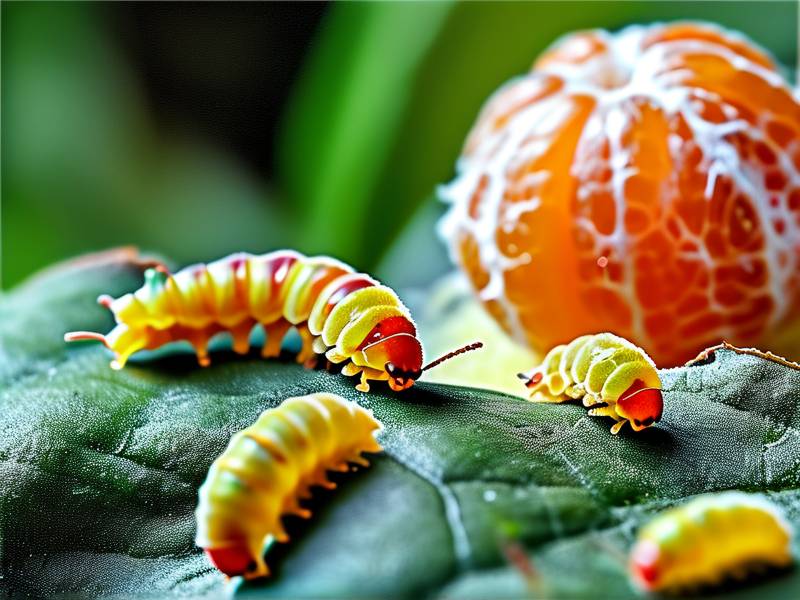
Sooty-mold is not a plant disease in the traditional sense. It is a fungus that grows on the sugary excrement of sap-sucking insects. Aphids, whiteflies, and scale insects all produce honeydew. When the honeydew sits on leaves, the airborne spores of sooty-mold land on it and start to grow. The mold forms a black crust that looks like chimney soot. It does not infect the plant tissue directly. But it blocks photosynthesis. That weakens the tree over time.
I want to stress this point. If you only wash the black mold off, it will come back within days. Because the scale insects are still there, still sucking sap, still pooping honeydew. You must eliminate the scale first. Then the mold has no food source and will dry up and flake off.
Why Citrus aurantium Is So Prone to Scale
Citrus aurantium, also known as the bitter orange or Seville orange, has dense foliage and thick stems. Scale insects love sheltered spots. They hide under the leaves, along leaf veins, and in the crevices where stems meet branches. The waxy coating on mature scale makes them resistant to many sprays. That is why I failed the first time I tried to treat it. I sprayed once, saw the mold disappear for two days, and then it all came back.
My First Mistake: Only Treating the Symptoms
I was lazy. I saw black leaves and thought, okay, I will wipe them clean. I used a damp cloth and wiped every single leaf. It took me an hour. The tree looked great for about three days. Then the black spots reappeared. I realized the scale were still alive. I had removed the mold but not the cause. That was my first lesson. You cannot skip the insecticide step.
The Second Mistake: Using the Wrong Spray
Then I tried a general garden spray that was meant for aphids. It killed the young scale but not the mature ones. The mature females have a hard, round shell that repels liquid. They kept laying eggs. I was frustrated. A friend suggested I use horticultural oil. That changed everything. The oil smothers the scale by blocking their breathing pores. It works on all stages of the insect.
My Step-by-Step Treatment That Worked in 2 Weeks
I will share exactly what I did. This is a proven method that worked on my Citrus aurantium, and it will work on yours.
Step 1: Isolate the Plant and Check for Ants
First, I moved the potted tree away from my other plants. Scale insects can crawl or be carried by ants. Ants farm scale for their honeydew. If you see ants marching up the trunk, you have to deal with them too. I put a sticky barrier around the base of the pot. That stopped the ants from climbing up. You can buy sticky tree glue or just use petroleum jelly.
Step 2: Physically Remove the Worst Infestations
I put on a pair of gloves and took a soft toothbrush. I dipped it in a bucket of water with a few drops of dish soap. Then I gently scrubbed the stems and the undersides of the leaves. This dislodged many of the adult scale insects. It also removed a lot of the honeydew. Be careful not to scrub too hard. You can damage the leaf surface. I spent about 20 minutes doing this. It is tedious but necessary.
Step 3: Spray with Horticultural Oil (Neem Oil Works Too)
After the manual removal, I mixed a horticultural oil spray. I used a ready-to-use neem oil product because it is effective and safe for indoor use. The key is to spray thoroughly. You need to cover the undersides of every leaf, every stem, and every branch junction. The oil needs to touch the scale to kill them. I sprayed in the evening to avoid direct sunlight, which can cause leaf burn.
Step 4: Wash the Sooty-Mold Off After 48 Hours
This step is crucial. I waited two days after the oil spray. Then I took the plant into my shower. I used lukewarm water and a mild liquid soap solution. I sprayed the leaves from both sides. The sooty-mold started to wash away. For stubborn spots, I used a soft sponge dipped in soapy water. The black film came off gradually. The leaves were still slightly stained but much cleaner.
Step 5: Repeat the Oil Spray After 7 Days
Scale eggs hatch over time. A single spray will not get all of them. I repeated the neem oil spray exactly seven days after the first application. This catches the newly hatched crawlers before they settle and develop their protective shells. This second spray is what makes the difference between temporary relief and full elimination.
Step 6: Monitor Daily and Wipe Off New Honeydew
For the next week, I checked the tree every morning. I looked for any new sticky spots or fresh black powder. If I saw a little honeydew, I wiped it off immediately with a damp cloth. I did not give the mold a chance to regrow. By day ten, I noticed no new scale activity. By day fourteen, the leaves had a healthy shine. The black mold was gone.
The 3 Deadly Mistakes Beginners Make with Citrus aurantium
I have been growing citrus for a while. I have killed my fair share of plants. Let me save you the pain. Here are the three biggest mistakes I see beginners make.
Mistake 1: Watering Too Much
90% of indoor plants die from overwatering, and Citrus aurantium is no exception. The roots sit in waterlogged soil. They rot. The tree weakens, and then pests like scale move in. I used to water my tree every two days because I thought it needed it. I was wrong. Now I only water when the top two inches of soil are dry. You can test this with your finger. Stick it in the soil. If it feels dry, water it. If it feels damp, wait. Overwatering also promotes fungal growth, which makes the sooty-mold worse.
Mistake 2: Getting the Light Wrong
Citrus aurantium needs full sun. I kept mine in a corner that got only morning light. The tree grew slowly, and the leaves were pale. A stressed plant is more susceptible to scale. I moved it to a south-facing window, and within a week, the leaves were greener. If you live in a place with short winters, consider using a grow light.
Mistake 3: Using the Wrong Pot
I planted my first bitter orange in a decorative ceramic pot with no drainage holes. That was a disaster. Water pooled at the bottom, and the roots started to rot. The scale infestation came after. You need a pot with at least one drainage hole. Use a well-draining potting mix made for citrus. I add perlite and a little sand to improve drainage.
Why the Royal Horticultural Society Recommends Prevention
The RHS notes that sooty-mold is rarely a serious problem on its own. The real issue is the pest that produces the honeydew. They advise tackling the scale directly. They also highlight the importance of good plant hygiene. Weakened plants attract pests. I read their guidance on citrus care, and it helped me understand the need for proper feeding. I now feed my Citrus aurantium with a high-nitrogen fertilizer every two weeks during the growing season. A healthy plant fights off pests naturally.
Another Useful Perspective from the American Horticultural Society
The AHS has published similar advice. They mention that horticultural oil is a safe, low-toxicity option for home gardeners. They also recommend introducing beneficial insects like ladybugs if you are treating an outdoor tree. Ladybugs eat scale crawlers. I have not tried this indoors, but for a greenhouse or outdoor tree, it is a smart biological control.
How to Prevent Scale from Ever Coming Back
Once you have cleaned your tree, you want to keep it clean. Here is what I do now. I inspect the undersides of the leaves once a week. I wipe dust off the leaves with a damp cloth. Dust can hide early signs of scale. I also keep the tree in optimal growing conditions. Proper light, proper water, and proper drainage. I do not use any harsh chemical sprays unless absolutely necessary. Neem oil is my go-to for prevention too. I spray the tree with a diluted neem solution every three weeks. This deters scale and other pests without harming the plant.
My Personal Experience with a Severe Infestation
I want to be honest with you. Last year, I ignored the early signs for too long. A small cluster of scale turned into a full-blown infestation. The leaves were so covered in black mold that the tree looked dead. The branches were sticky to the touch. I almost gave up. But I decided to try the oil treatment one more time. I did the manual scrubbing, the oil spray, and I repeated it twice. It took three weeks, not two, to fully clean the tree. But it survived. It pushed out new growth a month later. The fruit that set that year was smaller, but the tree itself recovered.
What I Wish I Knew Before Starting
I wish I had known that prevention is easier than cure. I wish I had inspected my tree more often. Scale insects are tiny. You need a magnifying glass to see the young ones. I check my plants now with a jeweler’s loupe every time I water. That sounds obsessive, but it works. Catching scale early means you can just wipe them off with a cotton swab dipped in alcohol. No need for heavy sprays.
Common Mistakes in Treating Sooty-Mold You Should Avoid
Do not use a leaf shine product. Those products coat the leaf and trap moisture. They can worsen the mold. Do not use bleach or harsh detergents. They will burn the leaf edges. Do not spray the plant at midday in full sun. The oil can magnify sunlight and cause leaf scorch. Spray in the evening or on a cloudy day. Also, do not forget the pot and the saucer. Scale can hide on the rim of the pot. Wipe those down too.
How to Make Your Own Simple Treatment Spray
If you want to save money, you can make a spray at home. Mix one teaspoon of mild dish soap with one tablespoon of vegetable oil in one liter of warm water. Shake it well. This suffocates scale on contact. However, I have found that commercial neem oil is more reliable. It has a broader effect and lasts longer. My homemade spray worked for light infestations but failed on the mature scale. You have been warned.
A Two-Week Observed Timeline of My Tree’s Recovery
Day 1: I scrubbed the tree and removed about 80% of the adult scale. I sprayed with neem oil in the evening.
Day 3: The sooty-mold looked drier. Some of it started to flake off on its own.
Day 5: I washed the tree in the shower. A lot of black dirt came off. The leaves were visibly lighter.
Day 7: I applied the second neem oil spray. I saw no live scale.
Day 10: Wiped off a tiny bit of new honeydew. No new scale signs.
Day 14: The leaves were almost completely green. A few stains remained. I wiped them with soapy water. The tree looked 90% healthier.
The Role of Humidity and Air Circulation
Citrus aurantium likes moderate humidity. My home is dry, so I use a pebble tray with water under the pot. Good air circulation also helps. Still air encourages fungal spores to settle. I keep a small fan on low near my tree for an hour a day. This seems to reduce mold growth.
What About Outdoor Trees?
If your Citrus aurantium is planted in the ground outdoors, the treatment is similar. Spray the tree with neem oil on a windless day. Use a strong jet of water from a hose to knock off the sooty-mold. Be prepared to spray multiple times. Outdoor trees are more exposed to ants. Treat the ant problem too. You can wrap a band of sticky tape around the trunk.
Is Citrus aurantium Worth the Effort?
Yes. I say this even after all the trouble it caused me. The leaves are glossy and green when healthy. The flowers smell like orange blossoms but stronger. The fruit is bitter, but it makes the best marmalade you have ever tasted. I would rather have one healthy bitter orange tree than five dead ornamental plants. The key is understanding that pests are a symptom of a stressed plant. Fix the stress, and the pests will leave.
My Final Thoughts on Sooty-Mold and Scale
Do not panic when you see black leaves. It is not the end of the world. Identify the pest, remove it, wash the mold off, and then improve the plant’s living conditions. I have done it, and you can do it too. The process is not hard. It just takes patience and attention to detail.
Frequently Asked Questions
Can I use vinegar to kill sooty-mold?
Vinegar will kill the mold on contact, but it does not kill the scale. If you use vinegar, the scale will produce more honeydew, and the mold will return. You are better off using horticultural oil for the insects and soapy water for the mold.
How do I know if the scale is dead?
Scrape one of the brown bumps with your fingernail. If it is dead, it will be dry and crumble. If it is alive, it will be soft and leave a moist smear. Also, dead scale do not produce honeydew. If your leaves stay clean for five consecutive days, the scale is likely gone.
Will the black stains ever completely disappear from the leaves?
In most cases, yes. But if the mold sat on the leaf for a long time, it may leave a light brown stain. That stain is just dead cells and will not harm the plant. New leaves will grow in perfectly clean. Do not scrape the leaves too hard trying to remove the stain. You will cause more damage.