bluename
 How to Get Rid of Whitefly Nymphs Under Schefflera Actinophylla Leaves
Let me cut right to the chase. If you spot tiny, flat, scale-like insects clinging to the undersides of your Schefflera actinophylla leaves, those are whitefly nymphs. You need to act fast. My go-to solution is a three-step process: physically wipe them off with a damp cloth, spray the foliage with a neem oil and dish soap mixture, and then introduce beneficial insects like ladybugs if the plant is outdoors.
I’ve been growing houseplants for over a decade now. And honestly, I’ve killed more plants than I care to admit. The Schefflera actinophylla, or the umbrella tree, is one of my absolute favorites. But it’s a magnet for whiteflies. These pests are sneaky. The adults fly up in a cloud when you touch the leaves, but the nymphs stay put underneath, sucking the sap right out of your plant.
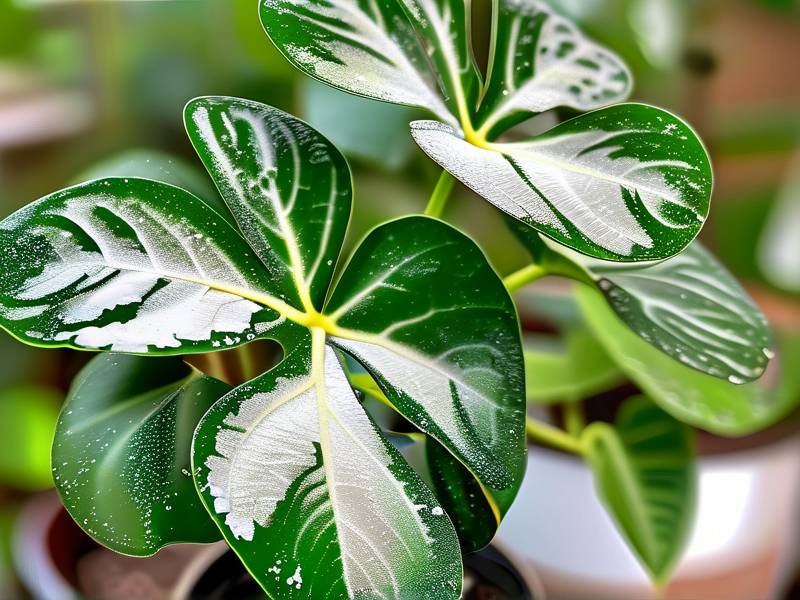
You might think you are dealing with just a dusty leaf. But those "dust bunnies" are actually a colony of nymphs. They look like tiny, yellowish-brown ovals. They don't move. They just sit there and feed. If left unchecked, they will cause leaf yellowing, stunted growth, and a sticky mess called honeydew. That honeydew then invites sooty mold, which makes the leaves look black and dirty.
It's a nightmare. But I promise, you can fix it. I’m going to walk you through exactly what I did to save my own umbrella tree.
Why Whitefly Nymphs Love Your Schefflera
Here’s the thing about whiteflies. They are attracted to new, tender growth. Schefflera actinophylla produces these gorgeous, large, compound leaves that create a perfect microclimate. The underside of the leaf stays cool and shaded, which is prime real estate for egg-laying.
I remember the first time I saw them. I was watering my plant on a Sunday morning. I gave the leaves a little shake to check for dust. Suddenly, a swarm of tiny white moths flew up in my face. I jumped back, startled. I had no idea what they were. I thought maybe they came from the open window. But the damage was already done. The nymphs, the real problem, were already attached to the leaf undersides.
The tricky part is the nymphs. They aren't like aphids that crawl around. They are sessile. That means they attach their mouths to the plant and stay in one spot. They have a waxy coating that protects them from contact sprays. If you just spray them with water, they won't budge. You have to physically remove them or use a systemic approach.
My 2-Week Elimination Plan (Step-by-Step)
I tried a few store-bought chemical sprays first. They worked temporarily, but the whiteflies came back within a week. I realized I was killing the adults but not the nymphs or the eggs. So, I devised a multi-pronged attack.
Week One: The Manual Cleanup and Initial Spray
Step 1: The Isolation and Inspection
First, I moved my Schefflera away from my other plants. I placed it on my kitchen counter, which has great lighting. I grabbed a magnifying glass just to see what I was dealing with. I flipped over a few leaves and saw the nymphs. They looked like tiny, brownish scales attached to the veins.
Step 2: The Soapy Water Wash
I decided that spraying wasn't enough. I needed to wash them off. I took the plant to my sink. I mixed a solution of lukewarm water and a few drops of mild liquid dish soap. I didn't use a lot. Just a tiny squeeze. I then used a soft, old t-shirt to wipe the underside of every single leaf.
You have to be gentle here. The leaves are sturdy, but you don’t want to snap the petioles. I held the leaf with one hand and wiped with the other. I started from the base of the leaf near the stem and wiped outward. I was shocked at how much gunk came off. The cloth turned brownish-yellow. That was the honeydew and the nymphs.
I went through three cloths before I felt like I got the bulk of them. This is the most important step. If you skip this, the neem oil won't penetrate the waxy layer of the nymphs effectively.
Step 3: The Neem Oil Application
After the wash, I waited for the leaves to dry completely. I mixed my neem oil solution. I use a ready-to-spray neem oil, but you can buy the concentrate and mix it yourself. I added a teaspoon of insecticidal soap to the mixture. This helps the neem oil emulsify and stick to the leaves better.
I sprayed the plant thoroughly. I made sure to lift the leaves and spray the undersides directly. I sprayed until the solution started to drip off the leaves. I also sprayed the soil surface just in case any eggs had fallen in there.
Week One Observations:
- Day 1-2: I didn't see any adult whiteflies flying around. But the plant looked a bit sad from the washing. I made sure it stayed in a shaded spot to recover.
- Day 3: I checked the leaves. I saw a few new adult flies near the top of the plant. I was frustrated. I realized I had missed a spot or that they had emerged from eggs that survived the wash.
- Day 5: I repeated the entire washing process. I was more meticulous this time. I found a few leaves I had missed near the bottom of the canopy. These leaves were covered in nymphs.
I learned that you have to check the canopy thoroughly. I did the spray again.
Week Two: The Systemic Approach and Maintenance
Step 1: Soil Drench
I noticed that the adults were still coming back. The neem oil spray was killing the nymphs on contact, but I wasn't getting the eggs that were hatching in the soil. I decided to use a systemic insecticide that gets absorbed by the roots. I used Imidacloprid granules. I sprinkled them on the top of the soil and watered them in.
This is a big step. I don't use chemicals unless I have to. But this infestation was stubborn. The granules are taken up by the roots and distributed throughout the plant tissue. When a whitefly nymph bites into the leaf, it ingests the poison and dies.
Step 2: Sticky Traps
I placed a few yellow sticky traps near the plant. Whiteflies are attracted to the color yellow. I cut them into smaller rectangles and taped them to wooden skewers inserted into the soil. These traps catch the adults, preventing them from laying new eggs. I caught dozens of them within a few days.
Step 3: Regular Leaf Inspections
I started checking under the leaves every morning with my coffee. I didn't wash the plant again this week. I just continued to spray it with the neem oil mixture every other day. The systemic granules were doing the heavy lifting, but the neem oil helped stop the adults from landing and feeding.
Week Two Observations:
- Day 8: The sticky traps were full. I was amazed. The number of new adults had dropped significantly.
- Day 11: I inspected the undersides of the leaves. I found no new nymphs. The existing ones had turned brown and crispy. They were dead.
- Day 14: I gave the plant a final rinse with plain water to wash off the sticky honeydew residue. The leaves looked glossy and healthy again. The new growth was coming in clear and green.
That was the end of the infestation.
The 3 Biggest Mistakes That Kill Schefflera (Aside from Pests)
While fighting off the whiteflies, I realized that some of the stress the plant was under was my own doing. Here are the mistakes I made with my first Schefflera that almost killed it.
Mistake #1: Overwatering
90% of indoor plants die from overwatering. I know this stat sounds high, but I believe it. With Schefflera, it's even more critical. These plants have thick, fleshy roots that store water. If you water them too often, the roots sit in soggy soil. This leads to root rot. Root rot looks like the plant is thirsty, so you water it more, making the problem worse.
I killed my second plant this way. The leaves started drooping, and the edges turned brown. I thought I was helping by giving it a big drink. Turns out, the roots were mush. I lifted the plant, and the soil smelled like a swamp.
I now wait until the top two inches of soil are completely dry. I stick my finger in the dirt. If it feels dry, I water. If it feels damp, I wait another day or two. This rule prevents root rot. The stress of overwatering also makes the plant more susceptible to pests like whiteflies.
Mistake #2: Light Placement
The light is tricky. Schefflera actinophylla loves bright, indirect light. That means the sunrays don't hit the leaves directly. If you put them in a south-facing window with direct sun, the leaves will burn. The edges will turn crispy and yellow, and the plant will look scorched.
On the other hand, if you put them in a dark corner, they will stretch out. The stems get long and leggy, and the leaf production slows down. This weakens the plant. A weak plant is a target for pests.
I learned this by putting my plant on a patio door that faced west. It got two hours of harsh afternoon sun. Within a month, the leaves looked bleached out. I moved it about five feet away from the window, and it bounced right back.
For whitefly control, a stressed plant secretes a different chemical signal that attracts pests. A happy, healthy plant is more resilient. Give it that bright, indirect light. A spot near an east-facing window or a few feet back from a south-facing window works best.
Mistake #3: Choosing the Wrong Pot
This is a big one that I often see beginners ignore. I used to leave my Schefflera in the plastic nursery pot it came in. That was okay for a while, but the problem was the pot had no drainage. Or rather, I put it inside a decorative cachepot that didn't have a hole.
When I watered it, the excess water pooled at the bottom of the decorative pot. The roots of the plant were sitting in a puddle of water. This inevitably led to root rot and fungus gnats. It also created a humid environment that whiteflies love.
I switched to a terracotta pot. Terracotta is porous, so it allows the soil to dry out faster. More importantly, I made sure it had a large drainage hole at the bottom. I always water the plant in my sink and let it drain completely before placing it back on the saucer. This simple step ensures the roots never sit in water.
You don't need a fancy pot. You need a pot with holes. If you have a pretty pot you like, keep the plant in a plastic inner pot and take it out to water it. Then, drop it back in once drained.
Dealing with the Stubborn "Honeydew" Mess
One thing I didn't expect was how sticky my floor got. The whitefly nymphs excrete honeydew. It's literally sugary poop. It dripped onto the lower leaves and onto the floor. It attracted ants too, which farm the whiteflies for the honeydew.
I cleaned the sticky residue off the leaves with a combination of rubbing alcohol and water. I used a 1:1 ratio. I dipped a cotton pad in the solution and gently wiped the top and bottom of the leaves. The alcohol breaks down the sticky sugar instantly. It also kills any remaining eggs on contact.
For the floor, I just used a standard floor cleaner. But I also moved the plant to a spot where the shadow didn't drip onto my wooden floor. I put it on a pebble tray for humidity instead.
Prevention: The Long-Term Solution
Getting rid of them is one thing. Keeping them away is another. Since I fixed my whitefly issue, I haven't had a recurrence. Here is my routine to prevent them from coming back.
Isolation of New Plants: I bring a new plant home, and it goes into a quarantine zone in my bathroom for two weeks. I check the undersides of the leaves every day. This prevents me from introducing whiteflies to my whole collection.
Weekly Mistings: I don't use chemical sprays. I use a simple misting bottle with filtered water. I spray the leaves, but I focus on the underside. This increases humidity, which the Schefflera loves, and it makes it a less hospitable environment for the whiteflies to settle down.
Regular Washing: Every two to three weeks, I take the plant to the shower and give it a lukewarm spray. I just wash the leaves. This dislodges any adult flies and keeps the leaves clean for photosynthesis. Clean leaves are happy leaves.
The Role of the RHS and AHS
For those looking for more official guidance on pest management for houseplants, I always check with the RHS and AHS. They have excellent databases on common houseplant pests and holistic management strategies. Their research often confirms what I have learned through trial and error. It's good to know the science behind the home remedies.
Frequently Asked Questions
Q: Can I just use a chemical spray to kill the nymphs? You can, but contact sprays often fail to penetrate the waxy coating of the nymphs. You need a spray that contains a spreader-sticker or you need to physically wipe the underside of the leaf first. A systemic insecticide is often more effective because it targets the nymphs as they feed on the sap.
Q: How often should I water an umbrella tree? You should water it thoroughly until water runs out of the drainage holes. Then, wait until the top 2-3 inches of soil are dry before watering again. In winter, this might mean watering only once every 10-14 days. In summer, maybe every week. Always check the soil first.
Q: Are white flies harmful to humans? No, whiteflies are not harmful to humans. They don't bite. They are only a nuisance, and a threat to your plants. However, they can spread plant viruses if they move between infected plants. So, you still want to get rid of them quickly.
Q: What if the leaves are already damaged and falling off? If the leaves are drooping and falling off, inspect the roots immediately. It might be more than just a whitefly issue. Check for root rot. If the roots are mushy and brown, trim the rot, repot in fresh, well-draining soil, and reduce watering. The whiteflies might have stressed the plant to the point of collapse.
Final Thoughts
Getting rid of whitefly nymphs on a Schefflera is not a quick fix. It took me a solid two weeks of consistent effort. But it was totally worth it. My plant is now thriving, pushing out new leaves every month. The key takeaway is to not just spray the adults. You have to get your hands dirty and wipe those nodes off. Fix your watering habits and light exposure while you are at it. A stressed plant is a magnet for bugs. A happy plant can withstand almost anything. Stick with the routine I shared, and you will win the war against these pesky flies.