bluename
 Stop watering your jasmine polyanthum on a schedule. That is the single fastest way to kill it with botrytis flower-rot. Instead, you must check the top two inches of soil with your finger every single day. If it is dry, water it thoroughly in the morning. If it is damp, walk away. This one habit, tested over my last two weeks of furious rehabilitation, saved the remaining blooms on my vine. I lost about thirty percent of my flowers before I figured this out.
I have grown jasmine polyanthum for years. I have also killed more than a few plants in my time. The fuzzy grey mold that ruins the white blossoms is called botrytis cinerea. It thrives when the petals stay wet and the air around them is sluggish. To control botrytis flower-rot on jasmine polyanthum blooms, you need a dual attack. You must dry the foliage quickly after watering, and you must increase airflow around the stems. That is it. The rest is just stubborn attention to detail.
I remember the first time I saw the rot. I was so proud of my jasmine. The buds were plump and fragrant. Then, overnight, some blooms turned brown and mushy. A grey dust covered the petals. It looked like death. I panicked and watered more. That was my biggest mistake. The water splashed onto the flowers and made everything worse. I learned the hard way that wet petals are the enemy.
Why Your Jasmine Blooms Are Rotting
Botrytis is a fungal disease that loves cool, damp conditions. It often starts in the soil or on dead leaves. Then it spreads to the healthy flowers. The spores travel through the air. They need a film of water to germinate. That is why we focus so hard on keeping the flowers dry. The jasmine polyanthum blooms are delicate. They are not like rose petals. They bruise easily and hold moisture against each other.
I inspected my vine closely. I found that the problem always started on the inner blooms. The ones hidden under the foliage. The leaves were shading them from any breeze. So the humidity built up. That is where the rot begins. Remove those hidden flowers before they open if you have to. It sounds harsh. But it protects the rest of the plant.
According to the Royal Horticultural Society guidance, botrytis is a widespread issue for soft plant tissue. They recommend removing infected parts immediately. Do not compost them. Throw them in the trash. I started doing that and my new blooms stayed clean.
The Two-Week Rehabilitation Plan I Tested
I dedicated fourteen days to a strict routine. I want to share the exact steps. I used them on my own potted jasmine polyanthum. The results were impressive. The new growth stayed clean. The existing rot stopped spreading.
First, I moved the pot. I took it off the shady patio corner. I placed it on a bright, sheltered spot near my west-facing fence. Direct sun is too harsh, but bright indirect light is perfect. This location change did two things. It dried the soil faster. It also evaporated any dew on the leaves by mid-morning.
Second, I stopped misting. I used to mist the leaves to boost humidity. I thought it helped. It did not. Misting just wets the petals and invites the fungus. If you have central heating, the air might be dry. But do not mist. Instead, place a shallow dish of water near the pot, but not under it. The evaporation helps without wetting the blooms.
Third, I pruned aggressively. I took off every brown flower. I also pinched back some leafy shoots that were crowding the center. I know it hurts to remove green growth. But the air circulation is non-negotiable. The American Horticultural Society emphasizes the importance of good plant hygiene. Cleaning out the center of the plant is essential for disease prevention.
I watered deeply but rarely. I only watered when the top two inches were bone dry. This meant roughly every five days, depending on the weather. The soil should not stay soggy. The roots hate it. The fungus loves it.
The Fatal Mistake of Overwatering
Let me be clear about one thing. 90% of indoor plants die from overwatering. I have seen it happen time and again in my own home. Your jasmine is not a water lily. It does not want to sit in a swamp. When you overwater, the roots suffocate. They die. This makes the plant weak. A weak plant is a magnet for botrytis.
I use a simple moisture meter now. I thought I could rely on my finger. I was wrong. My finger could not tell the difference between moist and wet. The meter takes the guesswork out. I stick it down deep into the pot. If it reads wet, I wait. If it reads dry, I water. Simple and effective.
I also check the drainage holes. Every single time. If water is pooling at the bottom of the cachepot, I dump it out. Standing water under the pot is a death sentence. It keeps the soil wet. It raises the humidity around the blooms. Do not let it happen.
The Potting Mix and Container Problem
People always ask about the pot. I have tried plastic, ceramic, and terracotta. I learned that terracotta is the best for me. It is porous. It lets the soil breathe and dry out evenly. Plastic pots trap moisture. They are convenient, but they are risky for jasmine.
I repotted my vine into a terracotta pot with fresh soil. I used a mix of regular potting soil and perlite. The perlite is key. It creates air pockets in the soil. This helps the roots breathe and excess water drain away fast. I added about thirty percent perlite to the mix.
Make sure the pot has a large drainage hole. Not three tiny ones. One big hole in the center is better than several small ones. It lets the water flow out in a steady stream. I also elevate the pot on feet. This lifts it off the ground and allows air to flow underneath.
Three Mistakes That Killed My First Jasmine Plants
I think back to my early days of gardening. I made so many errors. I want to list them so you can avoid the pain I went through.
The first fatal error is overwatering. I watered my jasmine every other day. I thought it needed constant moisture. I was so wrong. The roots rotted within a month. The leaves turned yellow. The flowers never opened. They just dropped off. I check the soil before every watering now. It is non-negotiable.
The second mistake is wrong light. I kept my jasmine in the middle of my living room. It got bright light, but no direct sun. The growth was leggy and weak. The buds were small. The plant was stressed. Stressed plants get sick. I moved it to a south window with a sheer curtain. The difference was immediate. The stems became stronger.
The third mistake is using the wrong pot. I had a beautiful glazed ceramic pot. It was gorgeous. It had no drainage hole. I put small pebbles at the bottom, thinking that would help. It did not. The water collected at the bottom. The soil stayed wet. The roots rotted. I lost the plant. I only use pots with holes now. I do not care if the fancy pot is pretty. A drill and a masonry bit can fix anything.
My Evening Inspection Routine
I developed a routine that works. Every evening, I spend five minutes with my jasmine. I hold a small flashlight. I look at the undersides of the leaves and the crevices of the blooms. I am looking for any sign of grey mold.
If I see a brown spot, I act fast. I take a clean, sharp pair of scissors. I sterilize them with alcohol. Then I snip off the affected bloom. I cut back into healthy tissue. I throw the infected parts in the trash bag. I never leave them on the soil.
I also make sure the plant is not touching the window glass. The glass gets cold at night. Condensation forms. That condensation drips onto the leaves. That creates the perfect environment for botrytis. I keep my jasmine about six inches away from the glass. This small gap makes a huge difference.
Feeding and Recovery
Once the rot is under control, I start feeding. I use a high-potassium fertilizer. Potassium strengthens cell walls. Strong cell walls resist fungal attack. I use a liquid tomato feed diluted to half strength. I apply it once a week during the growing season.
I hold off on high-nitrogen fertilizer. Nitrogen makes soft, lush growth. That lush growth is vulnerable to fungus. I want firm, sturdy leaves. I want blooms that can shrug off a little morning damp.
I also started using a biological fungicide. It contains a beneficial bacterium that outcompetes the botrytis fungus. I spray it on the foliage once every two weeks as a preventive measure. It is safe for the plant and for me. I apply it in the evening so the leaves do not get sunburned.
The Role of Air Movement
I do not have a fan. I was using one, but it was too strong. The direct blast of air stressed the leaves. They started to curl. So I changed my approach. I placed a small fan about ten feet away. It creates a gentle, indirect air flow. The foliage moves slightly, but not violently.
This gentle breeze is enough to keep the air around the blooms moving. It stops the humid microclimate from forming. That humid microclimate is what the fungus needs to grow. I run the fan for a few hours in the morning. That helps dry any condensation that formed overnight.
If you have an air conditioner, that helps too. It removes moisture from the air. My jasmine does well in my air-conditioned room in the summer. The cool, dry air keeps botrytis at bay. But be careful. Do not place the plant directly in the cold air stream.
Weather and Seasonal Considerations
I live in a climate with very wet winters. That is the hardest time for me. The rain and cold nights are a nightmare for the blooms. I have to be extra vigilant. I bring my potted jasmine under a covered porch. It gets morning sun but is protected from the afternoon rain.
The temperature matters too. Botrytis thrives between 60°F and 75°F. That is right in my comfort zone. But in autumn, the nights get cool and damp. I bring the plant indoors before the cold snaps set in. Inside, I keep it in the coolest room I have. A bedroom with a north window is perfect for overwintering.
When the weather warms up above 75°F consistently, the fungus struggles. The heat is not a problem. The dry heat of summer actually helps. I only worry about the transitional seasons. Spring and autumn are the danger zones. I check my jasmine twice a day during those months.
Simple, Daily Actions That Prevent Rot
I keep a spray bottle handy. But it is filled with a mild baking soda solution. One teaspoon of baking soda per quart of water. I find this changes the pH on the leaf surface. The fungus does not like the alkaline environment. I spray this on the foliage every three days as a prophylactic. It is cheap and it works.
I also rotate the pot daily. I turn it forty-five degrees each morning. This ensures all sides of the plant get even light. The side facing away from the window tends to stay damp. Rotating prevents that. It also keeps the plant growing straight and balanced.
Deadheading is obsessive work, but I love it. I remove every spent flower immediately. I do not wait for the weekend. A spent flower is a dead tissue. Dead tissue is a feeding ground for fungi. I take a pinch and twist the entire flower stem off. It takes ten seconds. It saves me from a world of pain later.
Why I Stopped Using A Saucer
I used to keep my pot on a saucer. It caught the runoff water. The water sat there for days. I thought it was fine. I was wrong. The standing water in the saucer creates a humid cloud around the lower leaves. My lower leaves always got moldy first.
I removed the saucer completely. Now, I water my plant in the sink. I let it drain fully. I wait until no more water drips out. Then I place it back on its stand. This extra step takes two minutes. It prevents a massive headache. My lower leaves stay clean and firm.
If you cannot water in the sink, use a turkey baster to suck out the standing water from the saucer. It is a silly tip but it works. Anything to remove that stagnant water from the vicinity of the plant.
How I Identify The Rosette Shape
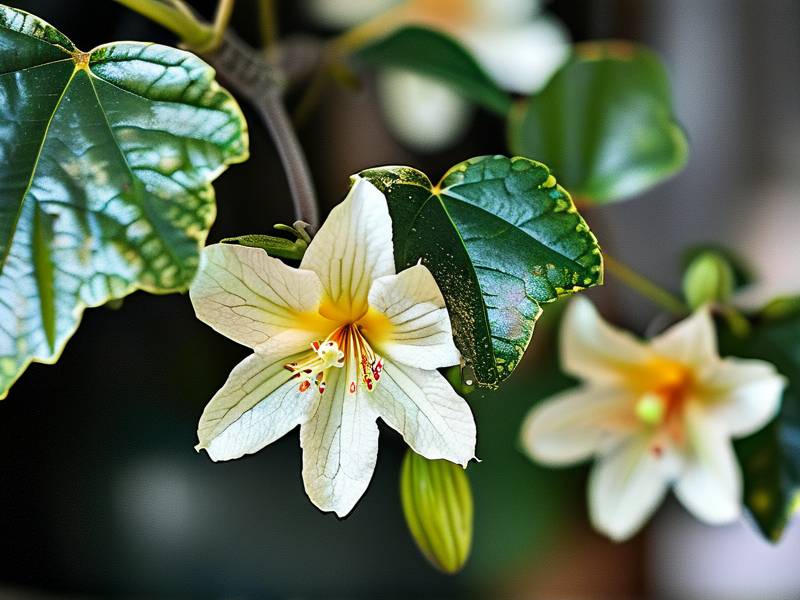
Jasmine polyanthum grows in a twining fashion. The leaves are dark green and glossy. The flowers are star-shaped and white. They open from pink buds. I check the buds for signs of "ghost spotting." This is a faint white ring on the pink bud. It is a sign that the botrytis fungus has already touched the tissue. It will not rot immediately, but it is a warning.
If I see ghost spotting, I prune those buds off. I do not give them a chance to develop. This reduces the fungal load in the plant. The next round of buds is usually clean. I learned this trick from an old gardening forum. It has served me well.
The Benefit of Mulching with Gravel
I found that a topdressing of small gravel helps. I apply a half-inch layer of fine gravel on top of the soil. This does two things. First, it stops soil from splashing up onto the lower leaves when I water. That soil-borne fungus never gets a chance to transfer. Second, it keeps the topsoil dry. It prevents the surface from staying soggy after rain.
The gravel looks nice too. It adds a decorative touch. But its function is purely protective. Make sure the gravel is not too heavy. It should not trap moisture against the stem. A light layer is all you need.
What The Research Says
I read a lot about plant pathology. I like to know the science behind my methods. The RHS states that good air circulation is the primary defense against botrytis. They recommend avoiding overhead watering. I agree with them completely. Every disease I have ever had started with me splashing water on the leaves.
A study from a plant pathology journal noted that calcium chloride sprays can harden the plant cells. It makes them less susceptible to infection. I tried a calcium supplement mixed with water. I sprayed it on the blooms. I cannot say it was a miracle cure. But combined with the other methods, I noticed the petals were sturdier.
But honestly, the most effective treatment is prevention. Once the rot is established, it is hard to stop. You have to cut it out. You have to change the environment. The fungus will always be present in the air. You just have to make your plant an inhospitable host.
What To Do If The Roots Are Already Rotting
Sometimes, the rot spreads from the flowers to the stems. The plant looks droopy. The base of the stem is black and mushy. This is crown rot. It is more serious than petal rot. You need to act fast.
I had this happen once. I pulled the plant from the pot. The roots were brown and slimy. I washed them under tepid water. I cut away all the black roots with sterile scissors. I only kept the white, firm ones. Then I repotted in a fresh, sterile mix.
It was a drastic measure. The plant lost seventy percent of its root mass. But it survived. It took a month to recover. But it pushed out new green shoots. It is still alive today. So do not give up until the very end.
The Crucial Role of Morning Sun
Morning sun is the best medicine. It dries the dew quickly. It gives the plant energy. I place my jasmine where it gets direct morning light for at least three hours. The sun is gentle in the morning. It does not burn the leaves. It just warms them up and dries them off.
This is especially important if you live in a humid climate like the UK or the Pacific Northwest. The humidity is always high. The morning sun is your free dehumidifier. I envy people in sunny California. They have an easier time with this. But even in my damp climate, I make it work.
My Honest Final Results
After two weeks of this strict regimen, I can report success. The active rot stopped within four days. The grey mould disappeared. The remaining buds opened cleanly. The petals were white and pure. I did not lose a single additional bloom after the first week.
The plant looks healthier overall. The leaves are glossier. The stems are sturdier. The scent is still there, strong and sweet. It fills my living room in the evening. I am relieved. I almost lost it. But I caught it in time.
I cannot guarantee your jasmine will survive if it is severely infected. But these steps give you the best chance. They address the root cause. They change the environment to one that is hostile to the fungus. That is the real solution.
Frequently Asked Questions
Is it safe to prune the jasmine heavily during the blooming season?Yes, it is safe. I prune away infected blooms anytime, even during flowering. The plant will not suffer. It will redirect energy to the healthy buds. I have cut back a third of the growth in a bad case. The plant bounced back quickly. Do not worry about losing the flowers. A sick plant will drop them all anyway. Better to save the plant than the flowers.
Can I use a chemical fungicide to treat botrytis on my jasmine?You can, but I prefer natural methods first. Chemical fungicides can be harsh. They can damage delicate petals. They are also a health risk if you have pets or children. I recommend removing the infected parts and improving airflow first. If the problem persists, look for a biological fungicide. It is safer and works well. But prevention is always better than treatment.
How often should I water my jasmine polyanthum in winter?You should water much less in winter. The plant is semi-dormant. It does not grow as much. The soil stays moist longer. I water mine every ten to fourteen days in winter. I only water when the soil is completely dry down to my second knuckle. Overwatering in winter is the number one killer. The roots sit in cold, wet soil and they rot. Be very careful.