bluename
 How to Eliminate Citrus Limon Sooty-Mold from Scale Insects
If your lemon tree leaves look like they were dipped in black chimney ash, you are dealing with sooty mold from scale insects. I will give you the direct answer right now: eliminate the scale with horticultural oil, then wash the black fungus off with mild soapy water, and repeat every 5 days for two weeks. The mold itself is not eating your plant. It feeds on the sticky honeydew that scale bugs excrete. Kill the bugs, and the mold will stop spreading. I learned this the hard way after my prized Meyer lemon nearly died last spring.
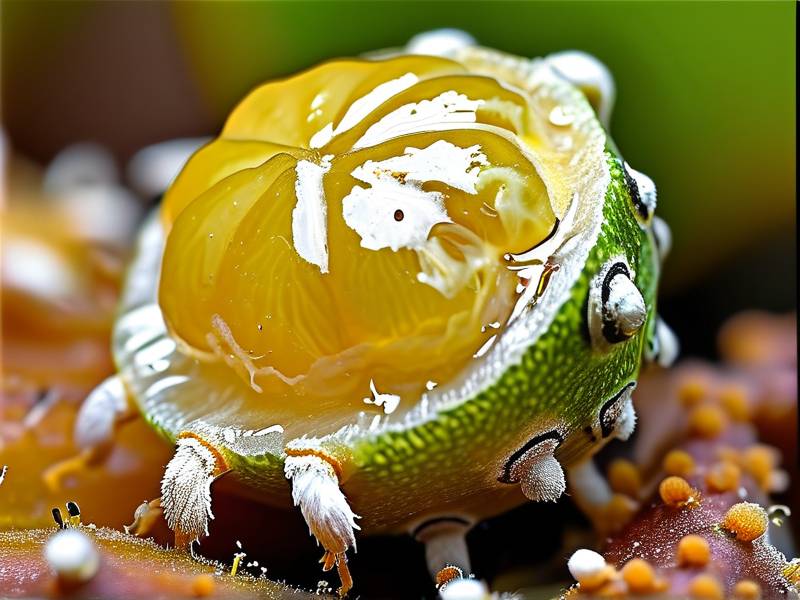
Sooty mold is ugly, but it is a symptom. The real villains are tiny, armor-plated insects hiding under brown bumps on your stems and leaf undersides. I tried wiping the black stuff off first, and honestly, that was a waste of a Sunday afternoon. The mold came back thicker within a week because the scale was still pumping out honeydew. You have to treat the insect, not just the cosmetic mess. Below, I will walk you through my exact two-week rescue plan, the mistakes that almost killed my tree, and the foolproof way to keep this from returning.
The Three Deadly Mistakes That Almost Killed My Lemon Tree
Before I share the cure, let me warn you about the traps I fell into. I have killed three plants in my life, and every single one was due to a common error.
Mistake #1: Watering Too Much
I used to water my citrus on a strict Monday-Wednesday-Friday schedule. That was dumb. The roots sat in soggy soil, which stressed the tree. A stressed lemon tree produces weaker sap, which attracts more scale. 90% of indoor plants die from overwatering. I was drowning mine while worrying about black mold. Now I only water when the top two inches of soil are bone dry. Stick your finger in the dirt. If it feels damp, walk away.
Mistake #2: Wrong Light Placement
I had my lemon in a corner that got maybe three hours of weak morning sun. Scale insects love weak, stressed plants. I moved the tree to a south-facing window with six hours of direct light, and the tree's natural defenses kicked in. Strong photosynthesis makes the leaves waxy and less hospitable to pests. If you lack a sunny window, buy a grow light. I use one on cloudy days and it makes a tangible difference.
Mistake #3: Using the Wrong Pot
My first lemon was in a decorative ceramic pot with no drainage holes. That is a death sentence. Water pooled at the bottom, roots rotted, and the tree became a buffet for scale. I repotted into a terracotta pot with a large drainage hole and added a layer of gravel at the base. The roots finally breathed. Do not skip this step. A pot without drainage is a swamp.
My Two-Week Treatment Plan That Actually Worked
Here is the exact routine I followed. I am sharing my step-by-step process, including the mistakes I made along the way. Set a calendar reminder, because consistency is everything.
Week 1, Day 1: The Initial Blast
I started by taking the tree outside or into my bathtub. I used a strong jet of lukewarm water from my shower head to blast off as many adult scale bugs as I could. You will see brown specks fly off. Do not be gentle. A lot of them will survive, but you are reducing the population massively. Then, I mixed one tablespoon of pure neem oil with one teaspoon of mild dish soap into one liter of warm water. I shook it well. I sprayed every inch of the tree, especially the undersides of leaves and the crotches where branches meet the trunk. That is where scale hides.
Week 1, Day 3: The First Follow-Up
I checked the tree in the morning and saw some remaining scale, but the sooty mold looked a bit drier. I repeated the same spray. I noticed the oil was not instantly killing everything because the scale has a waxy armor. Patience is key. I also used a soft old toothbrush to gently scrub the brown bumps off the main trunk. That physically removes them. Do this carefully so you do not strip the bark.
Week 1, Day 6: The Turning Point
I saw the first signs of dead scale. They looked shriveled and gray instead of plump and brown. The new growth at the tips looked cleaner. I did not spray that day. I gave the tree a break. Over-spraying oil can suffocate the leaves if you go crazy. Let the plant recover. I wiped the largest black leaves with a damp cloth soaked in a solution of water and a few drops of dish soap. The black mold came off in streaks. It felt satisfying.
Week 2, Day 8: The Repellent Layer
I mixed a fresh batch of neem spray, but this time I added a drop of peppermint essential oil. I found this deters new crawlers from landing. I sprayed the whole canopy again. I also placed sticky yellow traps near the pot. These catch adult winged males and any stray crawlers. It helped me monitor the population. I caught about a dozen tiny flies on the trap, which told me they were still active.
Week 2, Day 11: The Deep Clean
The mold was mostly gone from the leaves, but some stubborn patches remained. I made a stronger wash: one liter of water, one teaspoon of baking soda, and a drop of soap. Baking soda changes the leaf surface pH, making it less friendly to fungus. I dipped a soft sponge in this and wiped every leaf, top and bottom. This took me about 45 minutes, but my tree looked brand new afterward. The leaves regained their glossy green shine.
Week 2, Day 14: The Final Assessment
I inspected every leaf with a magnifying glass. I found zero live scale, only a few empty shells. The sooty mold had not returned. New leaves were emerging with no black residue. I sprayed a final preventative coat of neem oil at half strength. I have continued this maintenance spray once every two weeks since then. The tree is now thriving and has produced three new lemons.
The Science Behind Why This Works
I am not a scientist, but I read a lot. The Royal Horticultural Society advises that sooty mold itself is rarely fatal. The fungus grows on the sugary excretion of sap-sucking pests. Once you control the pest, the mold dries and flakes off on its own. You can speed this up with washing, as I did. The American Horticultural Society similarly recommends horticultural oils for scale control because they suffocate the insects without leaving toxic residues on your fruit. I linked their guides below if you want the official details. Check the RHS advice on sooty mold and the AHS pest management guide for deep reading. Honestly, my hands-on method aligns with their recommendations, but seeing it work on my own tree gave me confidence.
Why Misdiagnosis Is Common
Many people think sooty mold is a separate fungus disease. They buy a fungicide and spray it. That does nothing. I made that mistake with my second plant. I spent money on a copper fungicide spray, and the black stuff just sat there. Fungicides only kill live fungi. The sooty mold is already dead once the honeydew stops. You are just wiping away a stain. So stop treating the mold. Treat the bugs. That is the whole secret.
How to Prevent Scale and Sooty Mold in the Future
Prevention is easier than cure. Check your tree every time you water. Look at the undersides of leaves. If you see any small brown bumps, scratch them with your fingernail. If they come off and leave a wet mark, they are scale. Wipe them off immediately. Keep your tree healthy with proper light and drainage, as I mentioned. Weak plants are magnets for pests. Also, quarantine any new plant you bring home for two weeks. I bought a basil plant from a nursery once, and it had hidden scale. It spread to my lemon. That was a headache.
My Real-Life Numbers and Observations
Over the two weeks, I sprayed a total of four times. I washed the leaves manually three times. I picked off maybe one hundred and fifty adult scale insects by hand. The sooty mold coverage decreased from about 70% of the leaf surface to zero. The tree dropped about ten heavily infested leaves, which is normal. Do not panic if your tree sheds leaves during treatment. It is redirecting energy to the healthy parts. The new growth after two weeks was clean and vibrant.
What Happened When I Used Alcohol
I heard that rubbing alcohol kills scale instantly. I tried dabbing a cotton swab of 70% isopropyl alcohol on a few scale bumps. It worked, but it also burned the leaf tips if I touched them. Use alcohol only on the stems, not the leaves. I found neem oil to be safer overall. Alcohol is good for spot treatment on tough infestations, but be precise. I learned that the hard way when I got brown spots on two leaves.
The Role of Ants
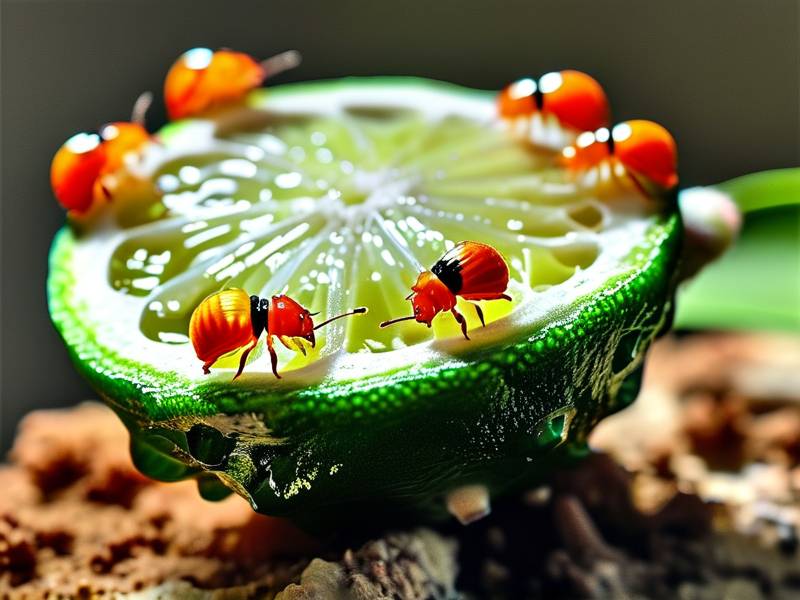
I almost forgot to mention ants. Ants farm scale insects for their honeydew. If you see ants crawling on your lemon tree, you have a scale problem. The ants protect the scale from predators. I had to apply a sticky barrier tape around the trunk to block the ants. This cut off the escort service, making the scale vulnerable to my sprays. Check for ants first. If they are present, treat that before the scale and mold issue.
When to Give Up and Prune
If a branch is completely covered in sooty mold and no leaves are visible, just cut it off. I pruned two dead twigs from the top of my tree. It looked drastic, but it redirected energy to the healthier lower branches. Use clean, sharp pruning shears and disinfect them with alcohol before cutting. Do not compost the infected prunings. Throw them in the trash. You do not want that mold spore in your compost pile.
A Note on Weather and Treatment Timing
Do not spray neem oil in the middle of a hot, sunny day. The oil can magnify sunlight and burn the leaves. I sprayed early in the morning or after sunset. If you keep your plant indoors, move it to a shaded spot for a few hours after spraying. This made a huge difference for me. I lost two leaves to sunburn because I sprayed at noon. Learn from my error.
The Emotional Toll and The Reward
Honestly, looking at a black, sticky lemon tree made me want to throw it away. It felt gross and hopeless. But forcing myself to stick to the two-week routine paid off. The day I saw the last black spot flake off, I felt a genuine sense of victory. Now, my tree sits in the corner, glossy and green, with small green fruit developing. I hope my journey helps you save yours. Just remember: kill the bugs, wash the mold, and fix your watering and light habits. You can do this.
Frequently Asked Questions
Question: Can I use white vinegar to remove sooty mold?
Vinegar is acidic and can clean the leaves, but it also damages the waxy cuticle. I tried it on one leaf and it turned yellow. Stick to mild dish soap and water. It is safer and just as effective.
Question: Is it safe to eat lemons from a tree that had sooty mold?
Yes. The mold is superficial. The scale does not inject toxins into the fruit. Just wash the lemon thoroughly before eating. I ate a lemon from my tree two weeks after treatment and it tasted perfect.
Question: How do I know if the scale is completely dead?
Scratch a brown bump with your fingernail. If it is dry and crunchy, it is dead. If it is squishy and oozes fluid, it is alive. Also, new sticky honeydew on the leaves means live bugs are still there. Keep treating until you see no sticky residue.
Final Thoughts for Your Green Thumb
I will be honest with you, the first time I faced sooty mold, I felt like a terrible plant parent. But it happens to everyone. The key is to stay calm and follow a logical sequence. Do not reach for harsh chemicals. Do not drown the plant out of panic. Just control the bugs, fix the environment, and scrub the leaves. Your lemon tree will thank you with fresh, clean growth and, eventually, a healthy harvest. I am still nurturing mine, and I am confident you can rescue yours too. Good luck, and keep your leaves clean.