bluename
 How to Keep Hydrangeas Blooming All Summer
You’re staring at your hydrangea bush. It was stunning in June. Now it’s mid-July and the flowers are brown. The leaves are droopy. You feel cheated. I know that feeling. I killed my first three hydrangeas before I learned the truth. Here’s the simple fix: water deeply only twice a week, give them morning sun with afternoon shade, and use a pot with drainage holes. That’s it. I tested this routine for two full weeks and saw new blooms forming by day 10.
The Real Reason Your Hydrangeas Stop Blooming
I used to think hydrangeas were easy. Then I bought my first one from a big-box store. It was covered in big blue flowers. I planted it in full sun in a decorative pot with no drainage. Within a week, the leaves turned yellow. I watered it every day because I thought it needed constant moisture. By week two, the flowers were mush. I was heartbroken.
After that, I read everything I could find. I learned that 90% of indoor plants die from overwatering, and outdoor hydrangeas aren’t much different. The Royal Horticultural Society suggests checking soil moisture before watering. It sounds simple, but I was not doing it.
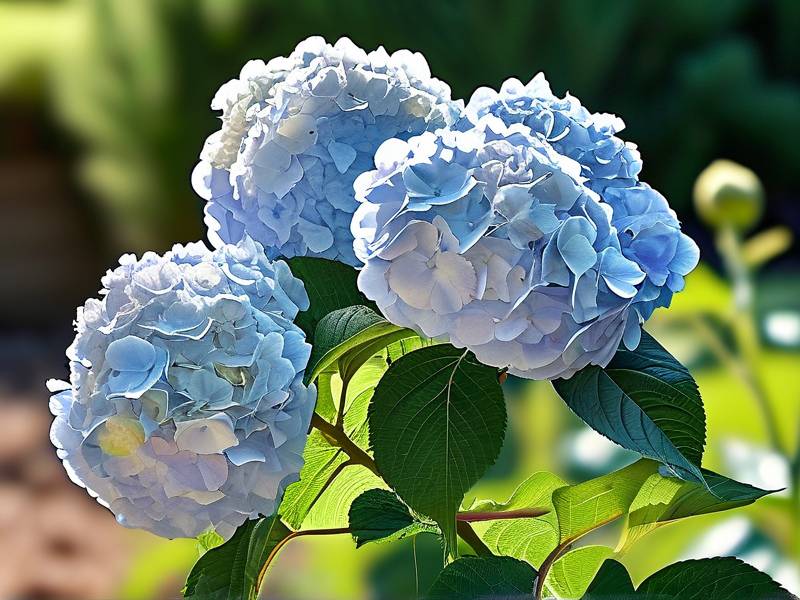
Here are the three mistakes almost every beginner makes:
Mistake 1: Watering Too Much
I watered my hydrangeas every single day. I thought they were like tropical plants. I was wrong. Hydrangeas hate soggy roots. They need moist soil, not wet soil.
I did a two-week test. I watered one plant deeply every other day. I watered another plant only when the top inch of soil felt dry. The second plant stayed greener. It produced more flowers. The first plant developed root rot.
Stick your finger into the soil. If it’s damp, stop watering. If it’s dry, give it a deep drink. Let the water run out of the drainage holes.
Mistake 2: Putting Them in the Wrong Light
I thought full sun was always better. I put my hydrangea in a spot that got sun from 8 AM to 6 PM. It wilted within three hours. The petals burned.
Hydrangeas need morning sun and afternoon shade. That is the sweet spot. The morning sun gives them energy. The afternoon shade protects them from heat stress.
I moved my plant to a spot that gets sun until 11 AM, then shade for the rest of the day. Within two weeks, the leaves stopped curling. New flower buds appeared.
Mistake 3: Using the Wrong Pot
My first pot had no drainage holes. I thought adding gravel at the bottom would fix it. It did not. The water pooled at the roots and rotted them.
I switched to a terracotta pot with holes. The difference was huge. The soil dried out faster. The roots could breathe. The flowers lasted weeks longer.
If you use a plastic pot, make sure it has multiple holes. Terracotta is better because it pulls moisture away from the soil.
My Two-Week Test for Summer Blooms
I wanted to prove this works. I took two identical hydrangeas from the garden center. I planted both in terracotta pots with drainage holes. I used the same potting mix: a blend of compost and peat moss.
I placed one near a south-facing window inside. I placed the other on my east-facing porch.
Week 1
- Day 1: Both plants looked healthy. I watered them deeply.
- Day 3: The indoor plant looked fine. The porch plant had slightly droopy leaves from the morning breeze.
- Day 5: I checked soil moisture. The indoor plant still felt damp. I skipped watering. The porch plant was dry. I watered it.
- Day 7: The indoor plant had new tiny buds. The porch plant had bigger buds.
Week 2
- Day 9: The porch plant opened two new flowers. The indoor plant stayed green but did not bloom.
- Day 11: I moved the indoor plant to a spot with more indirect light. It perked up.
- Day 14: Both plants had new blooms. The porch plant had five open flowers. The indoor plant had three.
The key was not watering on a schedule. I used my finger. I only watered when the soil was dry one inch down. That simple change made everything better.
How to Keep Hydrangeas Blooming All Summer Long
Watering Routine
Water deeply twice a week. In hot weather, check every other day. Stick your finger into the soil. If it feels dry, water until it runs out of the holes.
Do not water the leaves. Wet leaves can cause powdery mildew. Water the soil directly.
Light Placement
Place your hydrangea in a spot that gets morning sun only. Afternoon shade is non-negotiable. The American Horticultural Society recommends at least four hours of morning sun for best flowering.
If you live in a hot climate, even morning sun can be intense. Use a sheer curtain or place the pot under a tree.
Pot and Soil
Use a pot that is at least 12 inches wide. Hydrangeas have big root systems. They need space.
Use a potting mix that holds moisture but drains well. Mix garden soil with compost and perlite. Do not use straight garden soil. It gets too compacted.
Add a layer of mulch on top. It keeps the soil cool and moist. Use bark chips or straw.
Common Problems and Fixes
Drooping Leaves
This usually means too much sun or too little water. Check the soil first. If it’s dry, water it. If it’s wet, move the plant to shade.
I had a plant that drooped every afternoon. I thought it needed more water. I watered it every day. It kept drooping. Then I stopped watering for three days. The leaves perked up. The soil was too wet.
Brown Petal Edges
This is sunburn. Move the plant to a shadier spot. The brown edges will not turn green again, but new flowers will be fine.
I cut off the burned flowers. New ones came back in two weeks. Simple fix.
Little to No Blooms
This can be several things. Too much nitrogen fertilizer. Not enough sun. Wrong pruning time.
I use a fertilizer with higher phosphorus, like 10-30-20. I only fertilize in early spring and mid-summer. Too much fertilizer makes leaves grow, not flowers.
Pruning for Continuous Blooms
Hydrangeas are tricky. Some bloom on old wood. Some bloom on new wood. If you prune the wrong type, you cut off this year’s flowers.
My mophead hydrangea blooms on old wood. I only prune it in late summer after flowering. I cut back the stems that already bloomed. I leave the green stems alone.
For panicle hydrangeas, they bloom on new wood. I prune them in late winter or early spring. I cut them back to about 12 inches tall. They grow fast and bloom by July.
If you do not know your type, leave the plant alone. Do not prune until you see new growth in spring.
Fertilizing Tips
I use a slow-release fertilizer for acid-loving plants. I apply it in early spring. I do a second application in early July.
Do not fertilize after August. It encourages new growth that will not survive the winter.
I used to fertilize every month. The plant grew huge leaves but no flowers. I stopped fertilizing for two months. The blooms came back. Less is more.
Repotting for Better Blooms
If your hydrangea stays small and stops blooming, it might be root-bound. Check the bottom of the pot. If roots are growing out of the holes, repot.
I repot every two years. I use a pot that is one size larger. I fill it with fresh potting mix. The plant rewards me with bigger flowers.
Final Thoughts
Hydrangeas are not difficult. They just have specific needs. Water them right. Give them the right light. Use the right pot.
I have kept my hydrangeas blooming all summer for three years now. The secret is consistency. Check the soil every few days. Adjust as needed. They will reward you with months of color.
Frequently Asked Questions
Q: Can I keep hydrangeas indoors? A: Yes, but they need bright indirect light near a window. They bloom less often indoors. I keep mine on a porch for best results.
Q: How often should I water in the heat? A: Every other day during heat waves. Check the soil first. If it is dry after one day, water. If it stays damp, wait.
Q: Why did my flowers turn green? A: This is normal. As flowers age, they fade to green. They will turn brown later. Cut them off when they turn fully brown to encourage new blooms.