bluename
 How to Care for Double-Petal Jasmine – Adequate Sunlight Fragrant Summer Blooms
Stop guessing. Your double-petal jasmine needs at least 6 hours of direct morning sun. That is the single most important factor. I killed my first plant by shoving it into a shady corner. It dropped every bud within a week. Put it on a south-facing windowsill or a balcony that gets unfiltered light until noon. That is the answer.
I have been growing this plant for years. I am not a botanist. I am just someone who has lost count of how many jasmine plants I have accidentally murdered. The double-petal variety is not a diva. It just has specific rules. Break them, and you get yellow leaves. Break them badly, and you get a bare stick in a pot. Let me walk you through what actually works.
The Three Mistakes That Kill Beginners
Mistake 1: Watering Like a Maniac
90% of indoor plants die from overwatering. I believe this statistic completely. My second jasmine died because I watered it every single day. I thought more water meant more blooms. It meant root rot. The roots turned brown and mushy. The leaves went limp even though the soil was wet.
The fix is simple. Stick your finger two inches into the soil. If it feels dry, water it. If it feels damp, walk away. I now water my double-petal jasmine about twice a week in summer. In winter, maybe once every ten days. The top inch of soil should dry out completely between waterings. This plant hates wet feet.
Mistake 2: Getting the Light Wrong
I used to think all jasmine wanted shade. That is false. Double-petal jasmine is a sun worshipper. Without adequate sunlight, it will not produce fragrant summer blooms. Period. I tried growing mine on a north-facing shelf. The leaves stayed green, but the flowers never appeared. Just leaves. Lots of leaves. Zero buds.
You need to give this plant strong light. Morning sun is best. It is gentler than the harsh afternoon rays. But if you only have a west window, that works too. Just watch for leaf burn. The leaves might turn pale or crispy if the sun is too intense. A sheer curtain can help in peak summer heat.
Mistake 3: Using the Wrong Pot
Plastic pots are a trap. I learned this the hard way. My third jasmine sat in a decorative plastic container with no drainage hole. The roots were swimming. The plant was drowning. It looked fine on the outside for two weeks. Then the lower leaves turned yellow and started dropping.
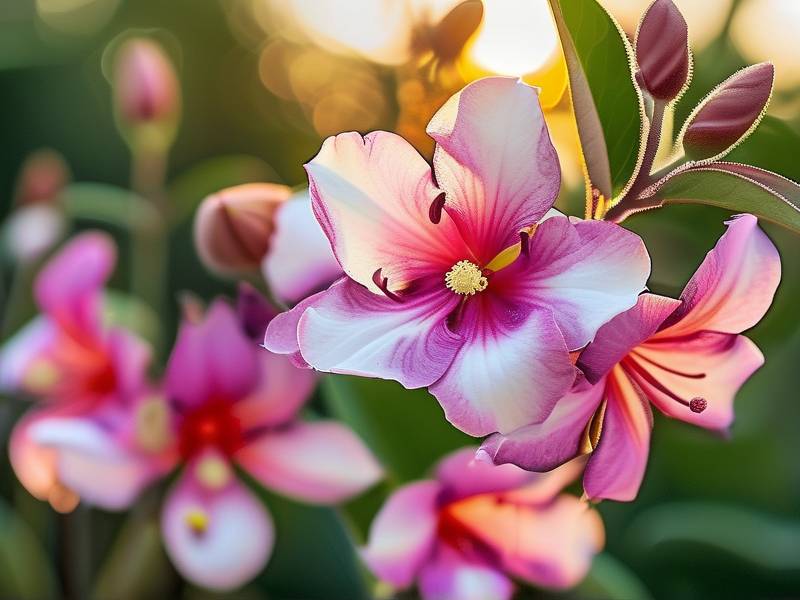
Unglazed terracotta pots are the best. They let the soil breathe. Excess moisture evaporates through the walls. This helps you avoid root rot. The pot must have drainage holes. I cannot stress this enough. If you love a pretty pot, use it as a cachepot. Keep the actual growing pot inside it. Empty any excess water after watering.
How I Saved My Plant in Two Weeks – A Real Log
I am going to share my actual two-week journey. I rescued a struggling double-petal jasmine last July. It was in rough shape. The owner had overwatered it and kept it in a dim living room. Here is what I did, day by day.
Day 1: The Assessment
I took the plant out of its old pot. The soil was dark and soggy. It smelled musty. I trimmed away all the black, rotting roots. I removed every leaf that was yellow or brown. It looked sad. Less than half the root system survived. I repotted it into a clean terracotta pot with fresh, well-draining mix. I used two parts potting soil, one part perlite, and one part coarse sand.
Day 2 to Day 4: The Shock Period
I placed it on my south-facing balcony. It got direct sun from 8 a.m. to 1 p.m. I did not water it. The new soil was slightly moist already. I checked the leaves daily. A few more yellow leaves fell off. That was normal. The plant was adjusting. I did not panic.
Day 5: The First Signs
I noticed the stem tips looked firmer. The remaining leaves were perking up. They pointed toward the sun. That was a good sign. It meant photosynthesis was kicking in. I watered it lightly. About half a cup, just around the edge of the pot. The soil was dry two inches down.
Day 6 to Day 8: New Growth
Tiny green bumps appeared at the leaf axils. These were new buds. I was ecstatic. The plant was recovering. I continued the morning sun routine. I did not move it. I did not fertilize yet. When a plant is recovering, fertilizer can burn the new roots. Wait until the plant shows steady growth.
Day 9 to Day 10: Bud Development
The small bumps grew into visible buds. They were round and firm. A few had a slight pinkish tint. My double-petal jasmine was about to bloom. I kept the soil on the drier side. I misted the leaves in the morning to raise humidity. The air in my apartment is dry, so the plant appreciated it.
Day 11: First Flower
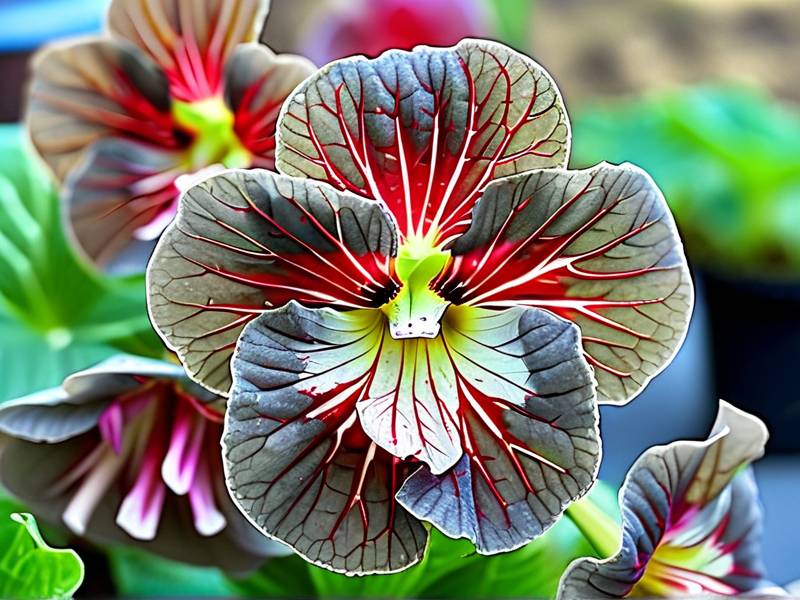
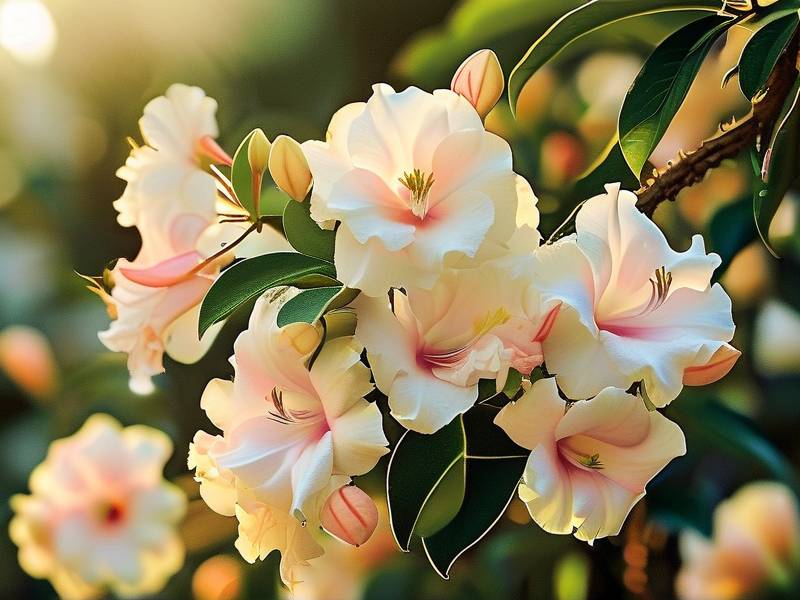
The first bud burst open in the morning. The petals were white with a subtle pink blush on the underside. The fragrance hit me immediately. It filled the whole balcony. It is a sweet, heady scent that is richer than the single-petal varieties. My neighbor asked what perfume I was wearing. It was just the jasmine.
Day 12 to Day 14: Full Bloom
By day fourteen, the plant had eight open flowers and more buds forming. The scent was intoxicating. I was cutting a few blooms to put in a small vase on my desk. The plant looked healthy. The leaves were a deep, glossy green. The secret was the sunlight. It was not the expensive fertilizer. It was not the fancy misting bottle. It was adequate sunlight and correct watering.
The Right Soil Mix
I have tried many mixes. The cheap grocery store potting soil is too heavy. It holds water for a long time. That is bad for double-petal jasmine. You want a mix that drains fast. One part perlite is essential. I also add orchid bark. It gives the roots something to grip onto. The plant is semi-epiphytic in the wild. It likes airy conditions around its roots.
Fertilizing for Fragrant Blooms
I only feed my jasmine during the growing season. From spring to late summer. I use a balanced liquid fertilizer with a ratio like 10-10-10. I dilute it to half strength. I feed it once every two weeks. In my experience, too much nitrogen gives you lush leaves and no flowers. If you want fragrant summer blooms, look for a fertilizer with higher phosphorus. That is the middle number. Phosphorus promotes flowering.
Pruning That Encourages Flowers
I used to be scared of pruning. I thought I would hurt the plant. The opposite is true. Double-petal jasmine blooms on new wood. That means the current year’s growth. If you prune, you encourage new shoots. Those shoots will produce flowers. I prune mine after the main bloom flush in late summer. I cut back the stems by about one-third. I also remove any weak, thin growth that points inward. This opens up the center of the plant. More air circulation. Fewer fungal problems.
Humidity and Temperature
This is a tropical plant. It loves warmth and moisture in the air. I keep mine in a room that stays between 65°F and 85°F. At night, slightly cooler is fine. If the air in your home is dry, use a pebble tray. Fill a shallow tray with water and pebbles. Set the pot on top. Make sure the pot is not sitting directly in the water. The evaporating water adds humidity around the plant. The RHS recommends this method for tropical houseplants. It works.
Pests That Attack My Jasmine
Aphids are my biggest enemy. They love the soft new growth. I find them clustered on the buds. They suck the sap and weaken the plant. I check my jasmine every morning. If I see aphids, I spray them off with a strong stream of water. Then I apply a neem oil solution. One teaspoon of neem oil in one liter of water with a drop of dish soap. Spray the undersides of the leaves. Repeat every five days until they are gone. Spider mites are another issue. They show up when the air is too dry. That is why regular misting helps.
Repotting: When and How
I repot mine every two years. The roots grow fast and fill the pot. If the roots are coming out of the drainage holes, it is time. Early spring is the best time. Before the big growth spurt. I move up one pot size only. A pot that is too large holds too much moisture. That leads to root rot again. Use fresh soil. Be gentle with the roots. Do not disturb them more than necessary. Water the plant well after repotting and keep it in shade for a few days.
Growing Indoors vs. Outdoors
I grow mine outdoors in summer. On my balcony. The direct sunlight is unbeatable. The difference between indoor and outdoor flowering is night and day. Indoors, even a bright window gives less light than the outdoors. If you can, move your jasmine outside when temperatures are above 60°F. Introduce it gradually. Start with one hour in the morning shade. Slowly increase the time over a week. This prevents leaf scorch. If you must keep it indoors, invest in a good grow light. A cheap LED grow light is better than a dark corner.
The Truth About Fragrance
Many people complain that their double-petal jasmine does not smell. I hear this often. The main reason is insufficient light. A plant that does not get enough sun produces fewer essential oils in its flowers. The fragrance is weaker. I noticed this when I kept a plant in a bright, indirect spot. The flowers were pretty, but the scent was subtle. After I moved it to full morning sun, the fragrance intensified. It is truly a night and day difference. More sun equals more essential oils. Simple as that. If you want that sweet, heavy perfume in your evening garden, you need to give the plant adequate sunlight. The American Horticultural Society, per the AHS, emphasizes that light intensity directly correlates with floral scent production in many species. I find this to be true.
Common Questions I Get About Double-Petal Jasmine
Why are my leaves turning yellow?
The most common cause is overwatering. Check the soil. If it is wet, stop watering. Let it dry out. Also check the drainage. Yellow leaves can also come from a nutrient deficiency. But I always rule out watering first. I have learned my lesson. Another cause is old age. The bottom leaves of mature plants will naturally yellow and drop. If the new growth is fine, do not worry.
Why is my jasmine not blooming?
This is a light problem. I promise you. Every single time I hear this, the plant is in too little sun. Move it to a brighter spot. Give it at least six hours of direct sun. The second cause is too much nitrogen. Switch to a fertilizer higher in phosphorus. The third cause is improper pruning. Do not prune in winter. You will cut off the flower buds. Prune after blooming.
My jasmine is dropping its buds. What is wrong?
Bud drop is a stress response. I see this most often when the plant is moved. Or when the temperature changes suddenly. Or when the soil goes bone dry. I once moved my jasmine from the balcony to the living room for a storm. It dropped every single bud within two days. I was so angry. Do not move the plant while it is flowering. Keep it stable. Water consistently. Do not let the root ball dry out completely.
Wrapping This Up
Caring for double-petal jasmine is not complicated. It is about fundamentals. Good sun. Controlled watering. Proper drainage. I have killed multiple plants learning this. But now, my balcony smells amazing every summer. The flowers arrive in waves. Each cluster of double petals looks like a small, delicate rose. The scent curls through the air. It is my favorite part of the season. If I could give you one final tip? Resist the urge to fuss. Do not water on a schedule. Do not move the plant constantly. Just put it in the sun, water when the soil is dry, and leave it alone. It will do what it does best. Produce plentiful fragrant summer blooms. I promise you, you will thank me.