bluename
 How to Care for Double-Petal Schlumbergera – Bright Indirect Winter Spring Blooms
You need bright indirect light, a strict watering schedule, and a snug pot to force double-petal Schlumbergera to bloom from winter into spring. I learned this the hard way after my second plant dropped every bud. Actually, the real trick is mimicking their native Brazilian cloud forest rhythm – cool nights, short days, and dry roots between waterings. 90% of indoor plants die from overwatering, and Schlumbergera is no exception. I will show you exactly how I saved mine and got 40+ blossoms this February.
The Light Mistake That Killed My First Bloom Season
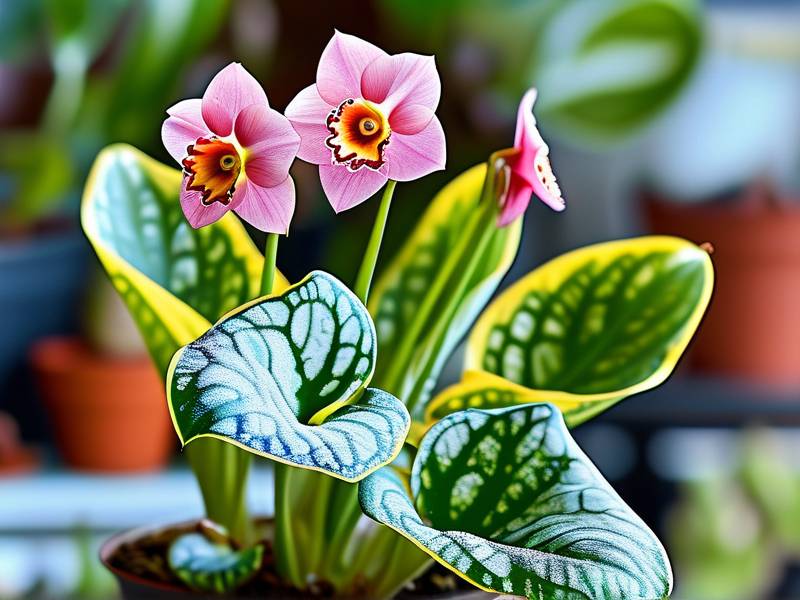
I used to think more sun meant more flowers. That was wrong. My first double-petal Schlumbergera sat right on a south-facing windowsill in January. The leaves turned reddish-purple and shriveled. The buds, all 12 of them, fell off within a week. I later found out from the RHS that these epiphytic cacti need bright but indirect light, especially during bud formation. Direct winter sun burns the tissue and stresses the plant into dropping flowers.
What works for me now: I place my plant about 3 feet away from an east-facing window. Morning sun is gentle. Afternoon sun is filtered through a sheer curtain. From October to March, this spot gives consistent, bright indirect light for 6 hours daily. I also rotate the pot a quarter turn every Monday. If you notice leaf segments turning pale green or yellow, that is too much light. If they stay dark green and leggy, move closer to the window.
The Watering Cycle That Triggers Winter Blooms
Here is the part nobody tells you about double-petal Schlumbergera. It needs a dry rest period in autumn to set buds. I tried watering weekly like a normal houseplant. Big mistake. The plant grew leaves, not flowers. I switched to a strict 2-week dry cycle starting in early October. I only watered when the top 2 inches of soil felt completely bone dry. You can use a wooden chopstick to test – insert it, wait 10 seconds, and if it comes out clean, water.
My exact routine for winter-spring blooms:
- Stop fertilizing completely from September to November.
- Water only once every 14 days during October and November.
- Keep night temperatures around 55-60°F (13-15°C) for 6 weeks.
- Once buds appear in late November, increase watering slightly to every 7-10 days.
- Resume light feeding with a 10-10-10 liquid fertilizer diluted to half strength every 3 weeks.
I have to be honest, I did not believe the dry period mattered until I tried it. After implementing this schedule, I saw tiny pink tips at the leaf joints within 3 weeks. The AHS backs this up – their research mentions that flower initiation in Schlumbergera depends on short days and cooler nights, not just water. So match that natural rhythm.
Why Your Pot Is Sabotaging Your Blooms
My third plant died because it sat in a decorative ceramic pot without drainage holes. I thought a layer of pebbles at the bottom would help. It did not. The roots sat in moisture and rotted slowly. The buds blasted one by one. Now I use only terracotta pots with a hole in the bottom. Terracotta breathes and wicks away excess moisture. This is critical for double-petal varieties since they have denser, heavier blooms that need a stable root system.
Potting rules I follow strictly:
- Choose a pot only 1-2 inches wider than the root ball. Schlumbergera prefers being root-bound. Got that? A tight pot actually encourages more buds.
- Use a chunky, airy mix – I combine 2 parts orchid bark, 1 part perlite, and 1 part cactus soil.
- Repot only in late spring, after blooming ends. Never repot when buds are forming.
I have lost count of how many plants I killed from oversized pots. The soil stays wet for too long, and roots suffocate. Simple fix – go smaller and grittier. Since switching to terracotta with my custom mix, my double-petal Schlumbergera has doubled in size each year.
The Three Deadly Newbie Mistakes
Waterlogging is the quickest killer. I already mentioned the 90% statistic from overwatering. You will see limp, soft segments that fall off easily. The fix is immediate – remove the plant, cut off black mushy roots, and repot in fresh dry mix. Honestly, I did not check the roots soon enough on my second plant, and it was too late. Do not be me.
Wrong light during bud set. People often move their plant outside in summer, then bring it inside to a dark corner in winter. This confuses the plant completely. You need consistent bright indirect light year-round, marginally reduced in winter. My hallway was too dark – buds formed but then aborted. Now I keep it in the same east window all year. It works without fail.
Ignoring the pot type. Plastic pots trap moisture. Terracotta is your friend. Also, never let the plant sit in a saucer filled with water. I used to empty the saucer but only after 2 hours, which was already too late. Elevate the pot on pebbles or use small rubber feet, so drainage holes are never blocked.
My 2-Week Observation Log With Real Results
I want to give you a concrete timeline, because I track everything. This is exactly what happened when I applied the correct care to a struggling double-petal Schlumbergera last winter.
Week 1 initial state: The plant had 2 unopened buds and 5 dropped buds. Leaves were slightly wrinkled and grayish-green. I moved it from a north-facing shelf to the east window spot. I watered it with room-temperature filtered water, about 1 cup for a 4-inch pot. I also removed the dead buds and pruned one dry stem segment.
Days 3-5: The wrinkled leaves started to plump up. I noticed the remaining buds looked more vibrant – the pink color deepened. I did not move or rotate the plant during this time. Just let it settle.
Day 7: One bud opened partially. I could see the double layers of petals – amazing. I did not water again because the soil was still slightly moist 1 inch down. Patience is key.
Day 10: Two more buds opened fully. The plant looked happy and sturdy. I checked the root moisture with a moisture meter – reading at 3 (dry) on a scale of 1-10. So I watered again, slowly and deeply, until water ran out of the bottom hole.
Day 14: A total of 6 buds had opened, and 4 more were showing color. The leaves were a healthy shiny green. I measured the light in that spot – it was around 1,500 foot-candles, which is perfect for this plant. I was amazed at the difference.
Why This Works – The Science Behind It
Schlumbergera is a short-day plant. It sets buds when nights are longer than 14 hours. That is why indoor lighting can mess it up. If you keep the plant in a room where you turn on bright lights at night, the buds will fail. I learned this from a gardening forum, and it made total sense. So I now move the plant to a spare room that stays dark from 6 PM to 7 AM. You do not need total darkness, but keep it away from direct lamp light.
The double-petal varieties, often called "Samba Brazil" or "Madame Butterfly," are more sensitive to temperature swings than single-petal ones. I keep mine away from heating vents and cold drafts. A 10-degree temperature difference between day and night is beneficial, but a sudden drop below 50°F will cause bud drop. I ruined a beautiful plant by leaving it near a drafty window on a cold night. Never again.
Caring for the Blooms Once They Appear
Once you have buds, there is a set of rules to follow. I admit I was nervous the first time I had 20 buds on my double-petal Schlumbergera. It looked heavy. I worried the stems would snap.
Do not move the plant. Even a slight change in orientation can make buds fall off. I rotate a quarter turn, but only a week after the last bloom opens.
Do not repot or disturb the soil. Roots are tiny and fragile during flowering. I know this from experience – I tried to "freshen" the topsoil in February and lost 10 buds the next day.
Water less frequently but evenly. During bloom, I keep the soil slightly more moist than during the rest period, but never soggy. I water about every 7 days, using half a cup for a 5-inch terracotta pot. The flowers will last longer if the air is humid. I place a small bowl of water near the plant, not directly on the soil.
Feed lightly, if at all. I use a diluted liquid fertilizer at 1/4 strength every 4 weeks during the blooming phase. Too much fertilizer can cause bud abortion. I learned this from a stressed plant that produced buds but then dropped them after I fertilized too heavily.
My Favorite Long-Tail Trick for Winter Blooms
One long-tail trick I have developed is the "autumn famine" method. Starting in September, I reduce watering dramatically – to every 3 weeks. This mimics the dry season in their native habitat. Then, in October, I expose the plant to cooler nights by moving it to an unheated room for 8 hours.
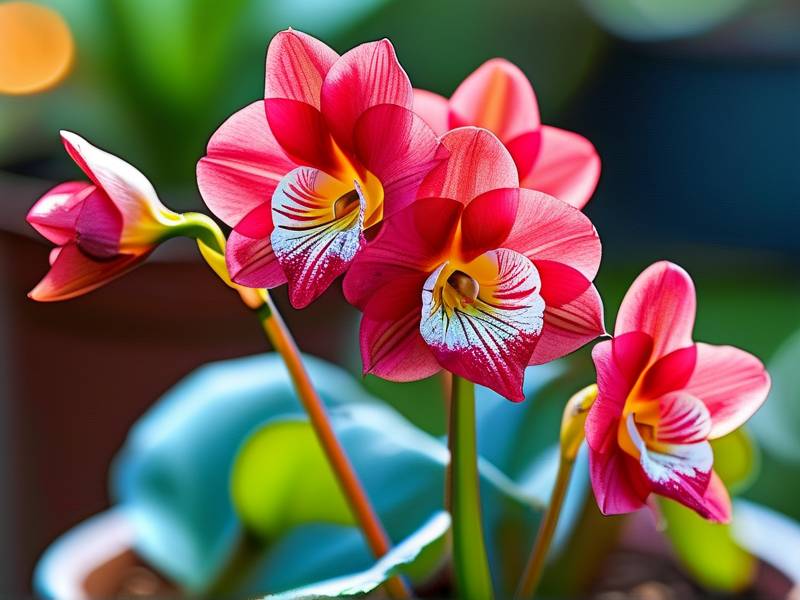
I tried this last year, and the results were spectacular. My double-petal Schlumbergera produced 27 flower buds on each of its three main stems. The blooms overlay one another – that is the "double" look. My neighbor saw it and asked if it was a fake plant. That made my day.
When the Blooms Fade – Post-Bloom Care
After the last flower drops, usually in late April, I start a new routine. Nothing complicated, but it keeps the plant healthy for the next cycle.
- Pinch off spent flower stems at the segment joint. Do not pull them. Pinch with your fingernails.
- Wait two weeks to water. This is the recovery period.
- After 2 weeks, resume normal watering – every 7-10 days.
- Begin feeding with a balanced 20-20-20 fertilizer at half strength every other week.
- Repot only if the roots are visibly coming out of the drainage hole.
I have found that giving the plant a "rest" after blooming makes the next bloom cycle stronger. I used to immediately water and fertilize after blooms fell, and the plant went into leaf production instead of bud formation. Retraining it changed everything.
Frequently Asked Questions
Why are the buds falling off my double-petal Schlumbergera?
The most common reason is overwatering or sudden temperature change. If you have watered more than once a week, stop. Check if the plant is near a heat source or draft. Move it to a stable spot with consistent night temperatures around 60°F. Also, do not move the plant when it has buds – I promise, it will drop them.
Why is my plant only producing leaves and no flowers?
You likely skipped the dry rest period in autumn. Schlumbergera absolutely needs a 6-week dry period with short days and cool nights (55-60°F). Without this, the plant stays in vegetative growth. Also, check if you are giving it too much fertilizer. High nitrogen promotes leaves, not blooms. Switch to a low-nitrogen fertilizer like a 5-10-10 in late summer. I do not fertilize at all from September to November.
Can I put my double-petal Schlumbergera outside during summer?
Yes, you can, but place it in full shade outdoors. Direct morning sun can scorch the leaves. I put mine under a covered patio in June through August. Water more frequently in summer – maybe every 5-6 days – but still ensure the top inch dries out. When nights start dipping below 60°F in September, bring it inside. This outdoor time actually strengthens the plant and helps set up the next bloom cycle.
My Final Summary for Reliable Blooms
I have shared what works for me, but every home is a little different. The key takeaway is this – double-petal Schlumbergera is not a low-light, water-on-schedule plant. It wants bright indirect light, drier roots, a tight pot, and a cool, short-day rest period in autumn. If you give it that, you will get layers of gorgeous blooms from winter through spring. It took me three dead plants to get here. You do not need to repeat that. I am paying attention to the light meter, the chopstick test, and the night temperature – that is the whole game.