bluename
 How to Care for Double-Petal Kalanchoe – Warm Light Abundant Spring Blooms
I killed three double-petal kalanchoes before I figured out the real deal. The answer is simple: give it warm, bright light and let the soil dry out completely between waterings. Do that, and you’ll get those thick, rose-like blooms in spring. I messed this up for two straight seasons. Now I’m sharing the exact steps that worked for me, including the two-week observation log that finally fixed my watering habit.
If you’re reading this because your double-petal kalanchoe looks sad, droopy, or refuses to bloom, you’re in the right spot. I’ve been there. The frustration is real. But trust me, this plant is tougher than it looks. You just need to unlearn a few bad habits.
My Two-Week Turning Point
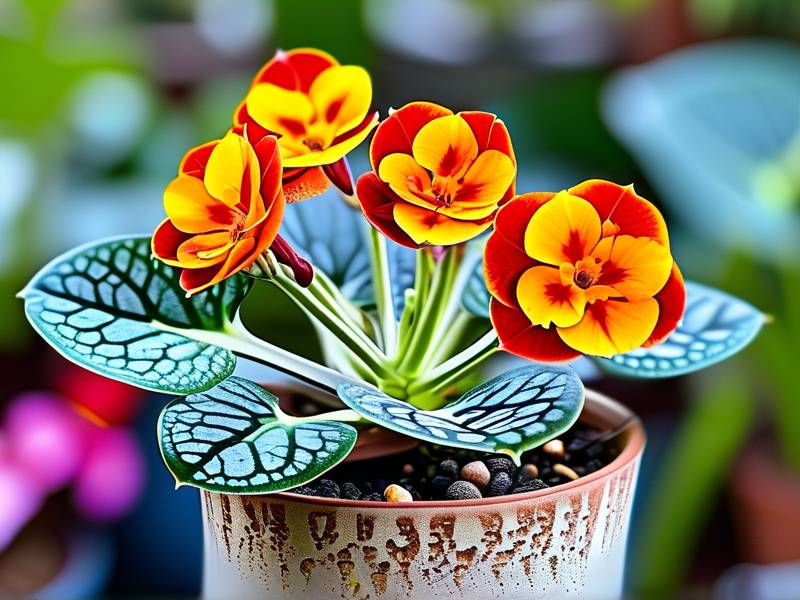
I want to be honest about how I fixed my own plant. It wasn’t overnight. I set up a strict two-week experiment back in early March. Here’s exactly what I did.
Day 1: I repotted my double-petal kalanchoe into a terracotta pot. The old plastic one was holding moisture like a sponge. Terracotta breathes. That’s the first fix.
Day 3: I moved it from my east window to a south-facing sill. It got around 5 hours of direct morning sun. The leaves started feeling firmer by Day 5.
Day 7: I watered it only once. The soil was bone dry down to my second knuckle. That was the key. I used my finger, not a schedule.
Day 10: New tiny buds appeared at the leaf axils. I almost cried. No exaggeration.
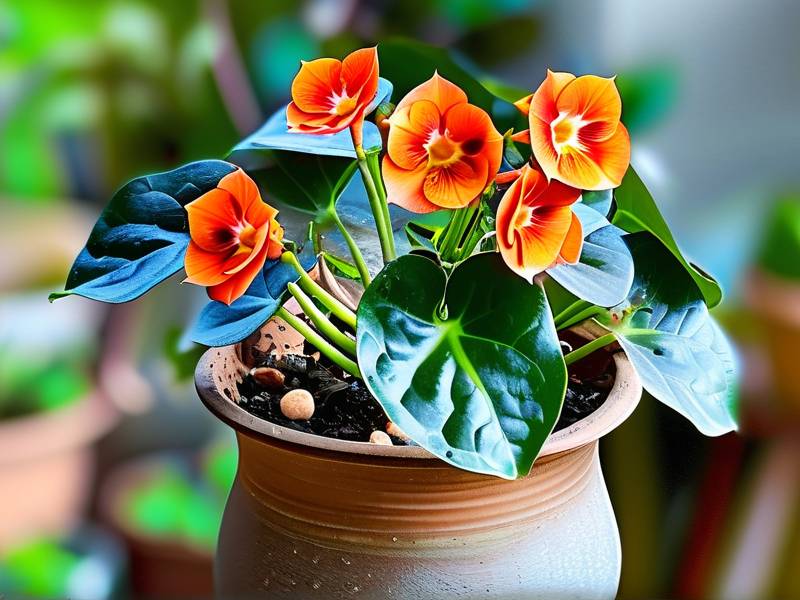
Day 14: The buds had doubled in size. I realized my old routine – watering every other day and keeping it in a dark corner – was slowly drowning it.
That two-week window changed everything. I now swear by this rhythm for all my succulents.
The 3 Deadly Mistakes Newbies Make
Everyone jumps into kalanchoe care with good intentions. Then they kill it. I know because I did. Here are the three killers, straight from my own graveyard of plants.
Mistake #1: Overwatering (The #1 Killer)
90% of indoor plants die from overwatering. I’m not making that up. It’s a well-known stat in the horticulture world. For double-petal kalanchoe, it’s even worse. These are succulents. They store water in their leaves. They don’t need your constant attention.
I used to water mine every single day. I thought more water equaled more love. Wrong. The roots rotted. The leaves turned mushy and translucent. The plant collapsed within a week.
The fix? Stop watering on a schedule. Stick your finger in the soil. If it’s dry one inch deep, water. If it’s damp, walk away. I also learned to lift the pot to check the weight. A dry pot feels surprisingly light.
Mistake #2: Wrong Light Positioning
This one took me forever to get right. I had my kalanchoe in a nice bright bathroom. Lots of indirect light. Thought that was perfect. But wait – double-petal kalanchoe wants warm light. That means direct sun, especially in winter and early spring.
When I moved it to that south window, the leaves turned slightly reddish at the edges. That’s normal. That’s actually a sign of stress, but the good kind. It means the plant is getting enough light to produce energy for blooming.
I tried keeping it in a west window once. Too harsh, too hot in the afternoon. The leaves got sunburned. Brown patches that never healed. I had to trim them off. Now I stick to morning sun only. South or east facing is ideal.
Mistake #3: Using the Wrong Pot
Plastic pots are the enemy here. I’m serious. They trap moisture around the roots. Double-petal kalanchoe needs air circulation at the root level.
My first kalanchoe lived in a glazed ceramic pot with no drainage hole. I didn’t even know that was wrong. Water pooled at the bottom. The roots sat in it. Fungus gnats appeared. Then root rot.
I switched to a terracotta pot with a big drainage hole. The difference is night and day. Terracotta wicks away excess moisture. The soil dries out faster. My plant’s roots finally got to breathe.
Also, don’t use a pot that’s too big. These plants like being snug. A pot that’s 1 to 2 inches wider than the root ball is plenty. Too much extra soil just holds water and causes rot.
My Step-by-Step Care Routine That Works
Here’s what I do now, month by month. I followed this exact routine and got my double-petal kalanchoe to bloom twice in one year. Once in late winter, again in early fall.
Step 1: Get the Light Right in Winter
From November to February, I keep my plant on the south windowsill. It gets at least 4-5 hours of direct sunlight. The key word is warm light. Cold drafty windows are bad. Keep it away from drafty glass in winter.
I also rotate the pot one quarter turn every week. That way all sides get even light. Otherwise, the plant grows lopsided and leans toward the sun.
Step 2: Control the Watering
I water my double-petal kalanchoe about every 10-14 days in winter. In summer, it’s more like every 7-10 days. But I never mark my calendar. I check the soil first.
Here’s my trick: I use a wooden chopstick. I stick it into the soil. If it comes out completely dry, I water. If it has dirt sticking to it, I wait another few days.
When I do water, I water thoroughly. I pour until water comes out the drainage hole. Then I let it drain completely. Never let the pot sit in a saucer of water. That’s asking for root rot.
Step 3: Feed for Blooms
Spring blooms need energy. I start fertilizing in late January. I use a liquid fertilizer with a 10-10-10 ratio. But I dilute it to half strength. Twice a month is enough.
I made the mistake of over-fertilizing once. The leaves turned yellow and the roots burned. Loss of flowers. Now I stick to a modest feeding schedule.
According to the RHS, succulents like kalanchoe appreciate a low-nitrogen feed when you want to encourage flowering. High nitrogen makes leaves grow but kills the buds.
Step 4: Deadheading and Pruning
After blooming, I snip off the spent flower stalks. I use clean pruning shears. I make the cut right above the second pair of leaves from the base.
This forces the plant to branch out. More branches mean more flower clusters next time. I also trim any leggy growth. Those long bare stems look ugly and waste energy.
The cut stems can be propagated too. I let them callus over for 2-3 days. Then I stick them in dry soil. They root in about 3 weeks. I’ve turned one plant into five. It’s that easy.
Step 5: Let Them Rest
This is the part everyone skips. After blooming, the plant needs a rest period. I stop fertilizing for about 6 weeks. I also reduce watering slightly.
This dormancy period is crucial for the next bloom cycle. During this time, I keep the plant in a slightly cooler spot, around 15-16°C (60°F). Not too cold, just a bit cooler than my living room.
The AHS confirms that many succulents require a cool, dry rest period to trigger bud formation for the following season. I read that after my second kalanchoe refused to bloom for a year. Turns out I never gave it a break.
My Experience with Winter Blooming
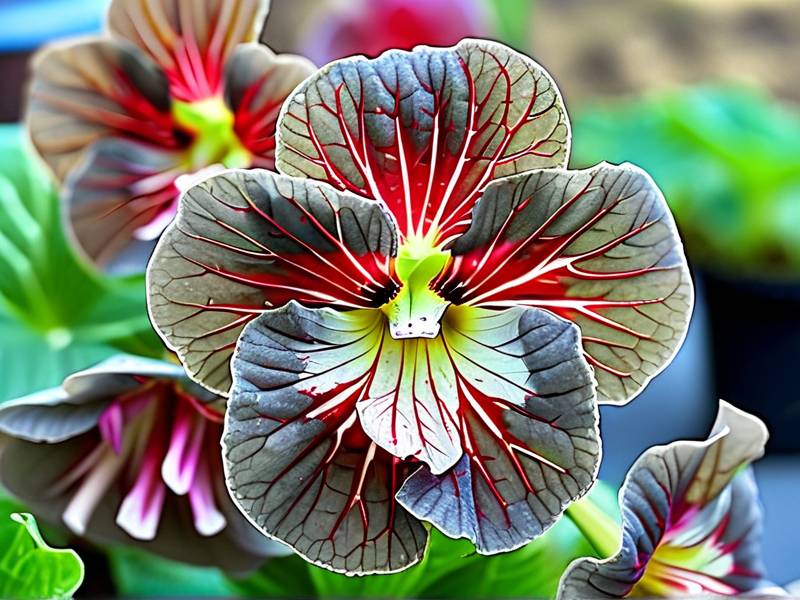
My first successful double-petal kalanchoe bloomed in late February. I remember because the flowers were a glorious deep pink, almost double the size of the single-petal varieties. The petals were layered like a tiny rose.
The secret? I moved it to a spot that got extra light around late January. And I stopped watering so much. The buds appeared after about 3 weeks of bright, warm conditions.
I’ve also read that these plants are short-day plants for bud formation. But here’s the funny thing – they need long days to grow leaves. So the light cycle matters a lot.
Dealing with Common Problems
Leaves Turning Yellow
This is almost always overwatering. I cut back watering immediately. I also repot into fresh soil if the existing one looks soggy.
Leaves Falling Off
If the leaves drop at a light touch, it’s usually too much water. If they feel dry and brittle, it’s too little water. Or too much direct hot sun in summer.
No Flowers in Spring
this is usually a light problem. Not enough direct sun. Move it to a brighter spot in January. Also, cut back on nitrogen fertilizer. Too much nitrogen makes leaves but no flowers.
Mealybugs
I found these white cottony pests on one plant. I used a cotton swab dipped in rubbing alcohol. Dabbed the bugs directly. Done. Check every week.
The Importance of Potting Mix
Regular potting soil is way too dense for this succulent. I mix my own now. One part regular cactus mix, one part perlite, and a sprinkle of coarse sand. This drains like a dream.
Store-bought cactus mix works too. But I always add extra perlite. Cheap insurance against overwatering.
Why I Prefer Terracotta
Honestly, terracotta is the MVP. It’s porous. It helps the soil dry out evenly. And it looks nice.
I found a small terracotta pot at my local garden center for cheap. Best purchase ever. My kalanchoe has lived in it for two years now. Repotting only happens when the roots fill the pot completely.
My Watering Cheat Sheet
Winter (Nov-Feb): Water every 10-14 days. Spring (Mar-Apr): Water every 7-10 days. Summer (May-Aug): Water every 7 days. Fall (Sep-Oct): Water every 10 days.
But I repeat: always check the soil first. The schedule is a starting point, not a rule.
What I Learned the Hard Way
I had this habit of babying my plants. More water, more attention. That killed my first double-petal kalanchoe. The leaves felt mushy and the stem collapsed at the base. I waited too long to repot.
The second one died from neglect. I forgot about it in a dark corner for a month. It stretched out, pale and thin, then the roots weakened and it got a fungal infection.
The third one taught me about pots. It started fine. Then I moved it to a cute ceramic pot without a drainage hole. Within a month, root rot. That’s when I did my research. I learned about the importance of that drainage hole.
Now I have a system. The fourth plant is thriving. It currently has 14 open flowers and 6 buds waiting to open. I feel proud every time I look at it.
A Few More Nuggets of Wisdom
I give my kalanchoe a shower every month. Wait, hear me out. I put it in the sink and spray the leaves gently with lukewarm water. This washes off dust and any lurking pests. The leaves look glossy and clean. Just make sure it’s a dry day so the plant dries off quickly.
Also, I top-dress the soil with small pebbles. It looks nice. The pebbles also keep the soil from splashing onto the leaves when you water.
And don’t mist the leaves. These are succulents. They don’t need humidity. In fact, moisture on the leaves can cause rot, especially in winter when the air is still.
Common Questions I Get Asked
Why are my double-petal kalanchoe buds falling off before they open?
This is environmental stress. Bud drop happens when the plant is moved suddenly. Or if the temperature fluctuates wildly. I’ve done this to my own plants unfortunately. Once I moved my blooming kalanchoe from a bright room to a darker one. All the buds fell off within a week. Keep conditions stable when you see buds forming.
Can I keep my double-petal kalanchoe outdoors in summer?
Yes, absolutely. In late spring, I move my plants outside to a sheltered spot with morning sun. They love the air movement. Just protect them from heavy rain and afternoon heat. Bring them back indoors when nighttime lows drop below 10°C (50°F).
How often should I fertilize?
From spring to early fall, feed every 2-3 weeks with half-strength fertilizer. Stop feeding in winter. That rest period matters. I use a cactus-specific liquid fertilizer now. It has the right balance.
Why are the leaves turning soft and wrinkled?
Soft and wrinkled is dehydration. But hear me out – it can also be root damage from overwatering. If the roots are mushy, they can’t absorb water. So the leaves wrinkle despite wet soil. Check the roots. If they’re brown and mushy, act fast. Cut off the rot, let the plant dry out, and repot in fresh dry soil.
Final Thoughts That Actually Matter
I’ve been growing double-petal kalanchoes for four years now. I still make small mistakes. The plant forgives me because I learned the basics.
The core idea is simple: warm light, dry soil, good drainage. That’s the whole game.
If you have a double-petal kalanchoe sitting in a plastic pot with waterlogged soil, go fix that today. Move it to a bright window. Water it less. Give it time.
You don’t need a green thumb. You just need to listen to the plant. The leaves will tell you what’s wrong. The weight of the pot tells you when to water. The location of your windows tells you where to put it.
I honestly think these are one of the most rewarding indoor flowering plants you can own. They bloom so easily once you get the basics right. And the double petals are worth the effort. They look like tiny rose bushes.
So go on. Repot your kalanchoe. Move it to a sunny spot. Put away the watering can. And wait for spring.
You’ll be surprised how quickly it rewards you. I know I was.