bluename
 Why Your Large-Flower Phalaenopsis Keeps Dropping Buds (And The 10-Minute Fix)
I killed three large-flower Phalaenopsis before I figured out the real problem. It wasn't pests. It wasn't disease. It was me. I watered them like a thirsty golden retriever and placed them in a sunbeam that cooked their roots. The secret to bright indirect long-lasting blooms starts with a ruthless light audit and a strict "dry-out" watering schedule. Stop guessing. Here is the exact routine I use now.
The 3 Fatal Mistakes That Kill Large-Flower Phalaenopsis
Let me save you the heartbreak. I made every single mistake below. You don’t have to.
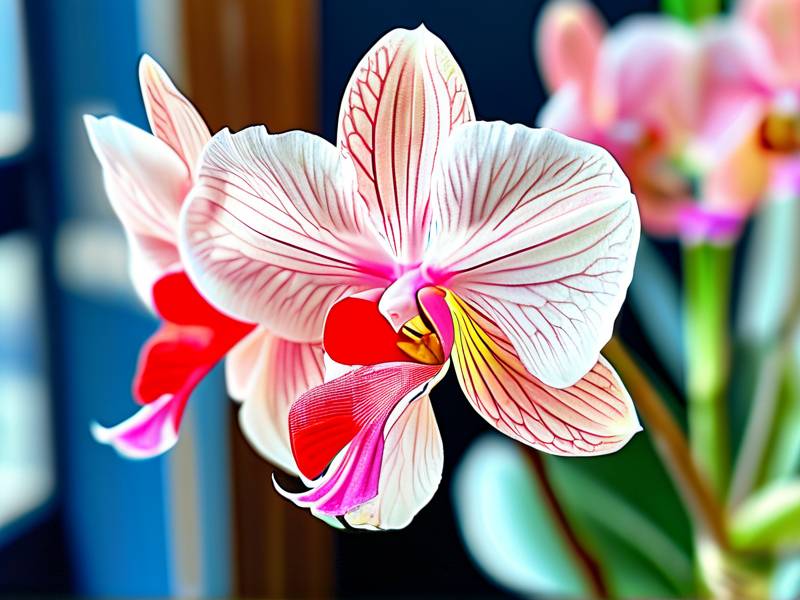
Mistake #1: Watering on a Calendar Schedule Honestly, I used to pour a cup of water every Monday. Big mistake. Large-flower Phalaenopsis have thick, aerial roots that suffocate in soggy media. 90% of indoor plants die from overwatering, and this orchid is the poster child for it. I only water when the roots turn silvery-gray and the potting bark feels completely dry two inches down. That takes about 10–14 days in my home. Not seven.
Mistake #2: Chasing Sunbeams I thought "lots of light" meant direct sun. I learned the hard way that a south-facing windowsill will scorch the leaves. They turn yellow, then brown, then wrinkly. The plant redirects all energy to repair, and the buds blast (fall off). Now, my big-flowered Phalaenopsis sits two feet back from an east window. That is the sweet spot for bright indirect long-lasting blooms.
Mistake #3: Using a Pot That's Too Big Here’s the thing about orchid pots: they should be snug. I put a huge phalaenopsis in a decorative ceramic pot once. The roots rotted in the wet center. The outer bark looked dry, but the core was a swamp. After that, I switched to a clear, slotted plastic pot. I can see the roots. I can see the moisture. You need to see what’s happening underground.
My 2-Week Observed Recovery Routine
Here is what I actually did last month with a struggling large-flower Phalaenopsis that had one dying spike and yellow leaves. I kept a log for 14 days. It worked.
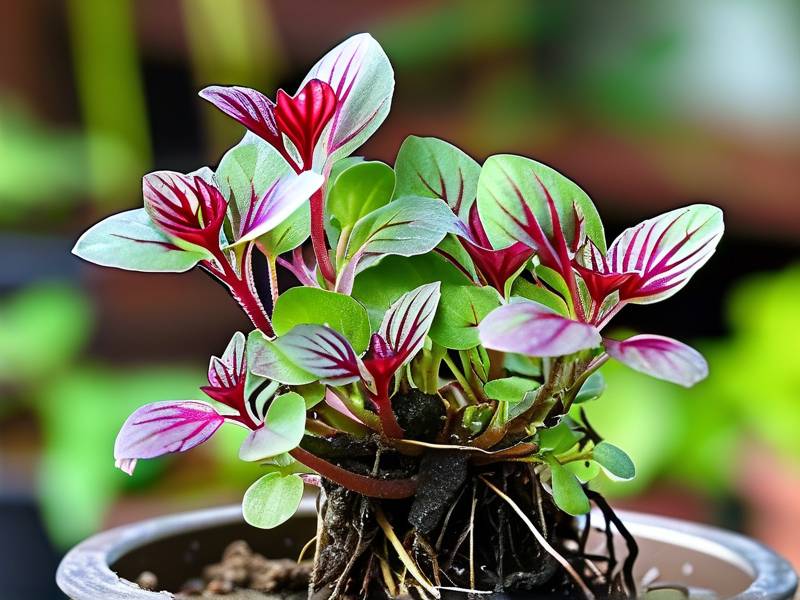
Week 1: The Reset I took the orchid out of its death trap pot. I cut off every mushy, brown root with sterilized scissors. Then I repotted it into a clear pot with fresh, chunky fir bark. I did not water it for five days. This let the wounds callus over. On day five, I watered it thoroughly by soaking the whole pot in a bowl of room-temperature water for 10 minutes. Then I let it drain completely. No water sat in the crown.
Week 2: Observation & Light Fix I moved it to a spot with dappled morning light. No direct rays after 10 AM. I watched the roots inside the clear pot. They stayed green for eight days. On day nine, they turned silver. That was my signal. I watered again using the same soak method. By day 12, I noticed a new green root tip emerging from the base. That was the plant saying "thank you." The old yellow leaves stopped spreading, and the remaining leaves felt firm and turgid.
The Exact Care Formula for Long-Lasting Blooms
Here’s what works. Once you see those new roots, you are on the home stretch for steady growth. But the blooms are the goal, right? Here is how I get mine to last for three to five months.
- Light Check: Use your hand. If your hand casts a sharp shadow, it’s too much light for a phalaenopsis. It needs bright but indirect light. A sheer curtain is your best friend.
- Watering Logic: Only water when the medium is dry AND the roots are silver. I soak, never pour. Pouring often misses the inner bark. Soaking hydrates evenly.
- Temperature Stability: Large-flower Phalaenopsis hate cold drafts. I keep mine away from air conditioning vents and drafty windows in winter. A sudden 10-degree drop is the #1 cause of bud blast.
The Real Secret: It’s All About Root Health
Think about it. No green roots means no water uptake. No water uptake means droopy leaves. Droopy leaves means the plant sacrifices the flowers to survive. It’s a chain reaction. I focus 90% of my energy on root health. The blooms are just the payoff.
I remember the first time I saw a root rot up close. I was horrified. It looked like wet string. I touched it, and the outer skin slid right off. That was the moment I understood. This orchid is an air plant. Its roots need oxygen. That’s why the clear pot with side slots is non-negotiable.
Fertilizer: Less Is More I used to feed my phalaenopsis every week. Big mistake. The salts burned the root tips. Now, I feed "weekly, weakly" with a balanced orchid fertilizer (20-20-20) at quarter strength, but only when new roots are actively growing. During the flowering spike phase, I actually stop feeding. It seems counterintuitive, but it works. The plant focuses on the buds, not on making leaves.
What About the Spike? Staking It Right
When a new spike emerges, I stake it early. It’s a flimsy thing at first. I use a bamboo cane and soft clips. I angle the stake so the spike grows straight for a few inches, then I let it grow toward the light. This prevents the heavy flowers from snapping the stem later. I’ve had a stem snap on me before. It hurts.
One more tip: If your orchid is finished blooming, don't cut the green spike all the way down. I cut it back to the second node above the base. Sometimes, you get a secondary spike with new buds. It’s a beautiful surprise.
Common Questions I Get About Big-Flower Phalaenopsis
Q: My leaves are green but floppy. What’s wrong? That usually means root loss or severe dehydration. Take the orchid out and check the roots. Do not just water it more. In my experience, floppy leaves with a wrinkled base often mean the roots are dead. You need to cut, clean, and repot in fresh bark.
Q: How do I keep the blooms from dropping overnight? Keep the plant in the same spot. Do not move it. Do not blast the heater. Check for fruit ripening nearby (like apples or bananas) which release ethylene gas. I learned this after moving a blooming orchid next to a fruit bowl. The flowers dropped in three days. That was a painful lesson.
Q: Should I use ice cubes to water? No. Absolutely not. Ice cubes are a TikTok trend that damages tropical roots. The cold shock bruises the root cells. I used to do this. My plant survived, but it never thrived. Once I switched to room-temperature soakings, the growth exploded. Orchids are tropical. They need warmth.
My Final Takeaway
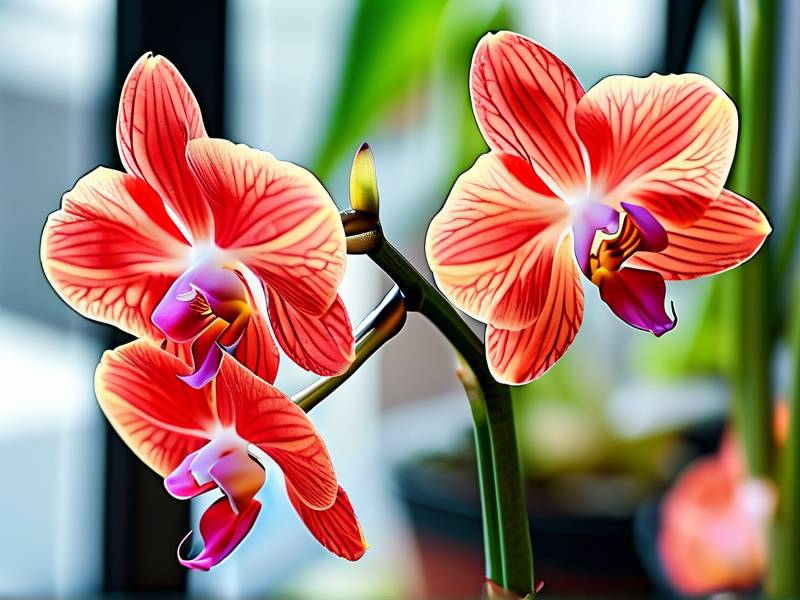
Caring for a large-flower Phalaenopsis is not about following a strict schedule. It’s about observing and responding. It’s about feeling the bark, looking at the roots, and checking the sky. If you give it the right light, water only when dry, and keep it in a snug pot, you will get long-lasting blooms. You will stop killing them.
I’ll be honest with you. I still check mine every morning like a ritual. It’s therapeutic. And when those fat, waxy buds finally open, it feels like a small victory. You just need the right routine. I promise, once you nail the light and water balance, it becomes easy.
The RHS recommends avoiding water-logged conditions for phalaenopsis, which backs up my "soak and drain" method. And the AHS notes that these orchids thrive in the same conditions as humans—moderate humidity and filtered light. Keep it simple. You got this.