bluename
 How to Care for Double-Petal Cyclamen – Cool Bright Indirect Rabbit-Ear Blooms
If you just brought home a double-petal cyclamen and the blooms are already drooping, here is the short answer: give it cool temperatures between 55-65°F, bright indirect light, and water only when the soil feels dry at the top inch. Do not let water touch the corm or the crown. I learned this the hard way after killing two plants in a row. The double-petal variety, often called rabbit-ear blooms because of their ruffled, swept-back petals, is not harder to grow than the standard type. It just demands a bit more attention to two things: cool air and precise watering. And honestly, once you get those two right, the plant basically thrives on neglect.
I have been growing cyclamen for about six years now. I started with the standard florist type, then moved to the fancy double-petal ones. The first double I owned, I treated it like a normal houseplant. It died within three weeks. The second one, I overwatered because I panicked. It rotted in ten days. It was only after I joined a few online plant forums and read through dozens of threads that I realized my mistakes were embarrassingly basic. Now I have three healthy double-petal cyclamens sitting on a north-east windowsill, and they have been blooming for two months straight. Below is everything I wish someone had told me before I killed those first two.
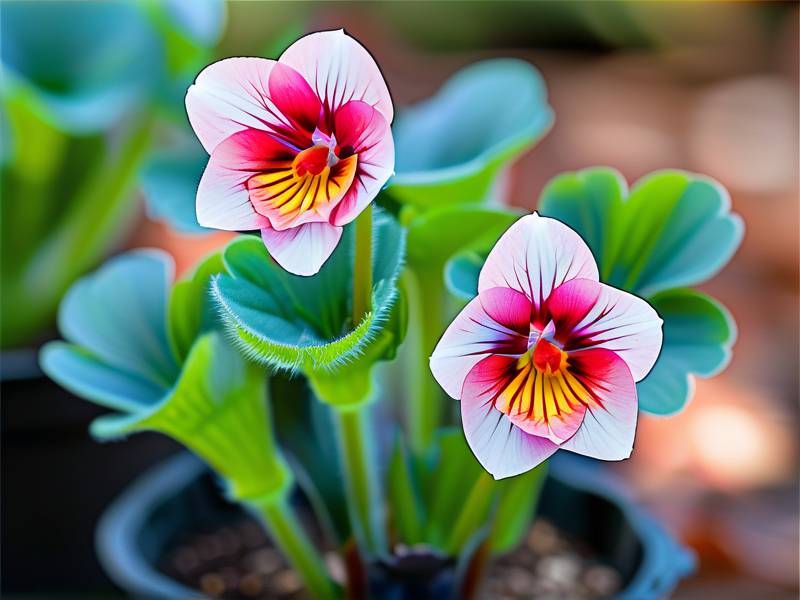
The biggest lie about cyclamen is that they are delicate divas. They are not. They are just Mediterranean natives with a very specific seasonal rhythm. In the wild, they grow under trees, where they get dappled light and cool soil. The double-petal hybrids we buy are bred from those same genetics. So if you mimic that forest floor environment indoors, your plant will reward you with months of unusual, rabbit-ear-like blooms.
Why Double-Petal Cyclamen Are Different from Standard Ones
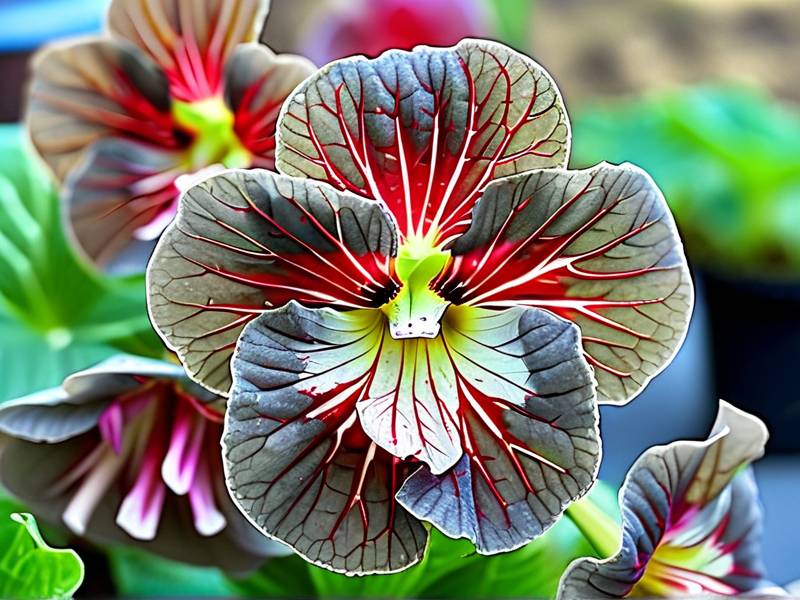
The double-petal variety, technically a cultivar of Cyclamen persicum, has extra layers of petals. Instead of five flat petals, you get ruffled, overlapping layers that resemble little rabbit ears or even tiny carnations. This structural difference matters because more petal layers mean more surface area for water loss. The blooms dry out faster. They also hold onto moisture if the air is too humid, which can cause petal rot. I noticed this when I kept my first double in a bathroom with a steamy shower. The petals turned brown and mushy at the edges within two days. Moving it to a drier room fixed the problem immediately.
Another difference is that double-petal blooms are heavier. The stems sometimes struggle to hold up the extra weight, especially if the plant is warm or stressed. I saw this in week one of my current plant. One stem flopped sideways even though the soil was fine. It was just warm in my living room (about 72°F). I moved the plant to a cooler spot, and within six hours the stem was upright again. So when you see drooping stems, check temperature before reaching for the watering can. Most of the time, it is heat stress, not thirst.
The Three Fatal Mistakes That Kill 90% of New Cyclamen Owners
Let me save you the grief. These three mistakes account for almost every dead cyclamen I have seen in online plant groups. I have made all three myself.
Mistake One: Overwatering
This is the number one killer. 90% of indoor plants die from overwatering, and cyclamen are especially sensitive because they have a compressed corm that stores water. If you keep the soil soggy, the corm rots from the inside out. The leaves will look yellow and limp, which many people mistake for thirst. They water more, and the plant dies faster. I once watered my cyclamen every other day because the leaves looked sad. By day six, the corm had turned to mush. It was a horrible way to learn.
The correct method is to water from the bottom. Place the pot in a shallow dish of room-temperature water for 15 minutes. Let the soil soak up just enough moisture from the drainage holes. Then remove it and let it drain completely. Do this only when the top inch of soil feels dry to the touch. In a cool room, that might be every five to seven days. In a warm room, every three to four days. Stop watering entirely if the leaves start turning yellow in late spring. That is the plant going dormant, and it needs a dry rest.
Mistake Two: Wrong Light Placement
Cyclamen hate direct sunlight. The double-petal ones especially dislike hot afternoon sun because the thin petals burn quickly. I put my second plant on a south-facing windowsill in February. The morning sun was fine, but by 2 PM, the leaves were scorched with pale white patches. The flowers dropped within two days. On the other hand, low light is also bad. If the plant is in a dark corner, the stems stretch out thin and leggy, and the blooms never open fully.
The sweet spot is bright indirect light. An east-facing window is perfect. A north-east window also works. If you only have south or west windows, pull the plant back a few feet from the glass. You can even use a sheer curtain to filter the light. I currently keep mine on a small table about two feet away from an east window. The light is strong in the morning but soft by midday. During the dark winter months, I add a small grow light for four hours in the evening, but honestly, a bright room with no direct sun is enough for most homes.
Mistake Three: Using the Wrong Pot
This one is subtle but critical. Cyclamen have shallow root systems. They do not need a deep pot. If you put them in a tall, deep container, the soil at the bottom stays wet for too long after watering. That stagnant moisture breeds root rot. I made this mistake with my third plant. I repotted it into a beautiful ceramic pot that was twice the size of the nursery pot. Within ten days, the leaves turned yellow from the bottom up. I dug it out and found the roots were brown and slimy.
The fix is simple. Use a shallow, wide pot that is no more than one to two inches larger in diameter than the current root ball. Terracotta pots are excellent because they wick moisture away from the soil. Plastic pots are fine if you are careful with watering, but you must check the soil more often. Also, make sure the pot has drainage holes. Cyclamen hate sitting in water. If you fall in love with a pot without holes, use it as a cover pot. Keep the cyclamen in a plain nursery pot inside it, and take the nursery pot out when you water. Let it drain completely before putting it back. This extra step has saved my plants more times than I can count.
My Exact 2-Week Care Routine That Worked
To give you something concrete, here is my current routine for a double-petal cyclamen that I have had for more than a month. I followed this exact schedule for the first two weeks after I brought it home, and it did not lose a single bud.
Day 1 – Arrival and Assessment. The plant arrived wrapped in plastic. I unwrapped it immediately and checked the soil. It felt moist, so I did not water. I set it on a saucer filled with pebbles and a little water. The pebbles raise the humidity around the plant without soaking the roots. The room had a steady temperature of 62°F. I placed it on a north-east windowsill. No direct sun, but plenty of bright morning light.
Day 3 – First Check. The top half-inch of soil was dry, but the bottom still felt cool. I dipped my finger deeper, about two inches down. Still slightly damp. I did not water. I turned the pot a quarter turn so the other side would get even light exposure. The plant did this nice thing where the stems all leaned toward the window, so I rotated it to keep the growth straight.
Day 5 – First Watering. The soil was dry about one inch down. I filled a shallow dish with room-temperature tap water that had been sitting out overnight. I placed the pot in the dish for 20 minutes. The soil surface looked slightly darker when I removed it. Then I let it drain on a towel for 10 minutes. After that, I put it back on the pebbles. Total water used: about half a cup. That is all it needed.
Day 7 – Inspection. I checked the underside of the leaves for any signs of pests. The leaves felt firm, not floppy. The older flowers were still open, and I noticed two new buds growing from the center. The temperature in the room dropped to 58°F at night, which is fine. Cyclamen actually love cool nights. It helps them store energy.
Day 10 – Second Watering. Same method as day 5, but I only used a third of a cup of water. The soil still had a little moisture in the deep layers. I also started giving the plant a diluted liquid fertilizer. I mixed a balanced 10-10-10 fertilizer at half the recommended strength. I added it to the watering dish instead of pouring it on the soil. This way, it absorbed evenly without splashing the corm.
Day 14 – Full Bloom. By the end of week two, the cyclamen had about 15 open blooms. The rabbit-ear petals were crisp and upright. The leaves were dark green with no yellowing. I did not lose a single flower. The plant looked significantly better than the day it arrived. The key difference from my failed attempts? I stopped fussing daily. I checked it every other day, watered only when dry, and kept it cool. That is the whole secret.
The Right Soil Mix for Better Drainage
Store-bought potting mix is sometimes too dense for cyclamen. It holds water too long. I learned this when my first healthy plant started to decline after three weeks. I repotted it into a mix that I now use for all my cyclamen. It is simple: two parts quality potting soil, one part perlite, and one part fine bark (orchid bark works). This mix drains quickly but still holds a little moisture. The perlite adds air pockets for the roots. The bark mimics the woodland floor where cyclamen naturally grow.
When you repot, be careful with the corm. It sits half above the soil line. Do not bury it completely. That is a mistake I nearly made. The corm needs to breathe. If you cover it, it can rot quite fast. I repot once a year in late summer, just before the new growth cycle starts. But if you just bought a plant, do not repot it immediately. Let it adjust to your home for a couple of weeks. Stress from repotting plus a new environment is often fatal.
Feeding and Fertilizer Schedule
You do not need complicated fertilizer routines. Cyclamen are light feeders. I feed mine every other watering during the blooming season from fall to early spring. I use a water-soluble fertilizer at half the label strength. The double-petal varieties produce more flowers, so they benefit from a little extra phosphorus. Look for a fertilizer with a middle number higher than the first, like 5-10-5. I use a liquid 10-10-10 for simplicity, and it works fine.
Stop feeding once the leaves start turning yellow. That is a sign the plant is entering dormancy. Feeding a dormant plant will just rot the roots. In late spring, I let the soil dry out completely. The leaves die back. I then move the pot to a cool, dry place and ignore it for two to three months. In early fall, I start watering lightly again. New leaves appear within two weeks, followed by flower buds. This cycle is natural. Do not panic when the plant dies back. It is not dead. It is just resting.
Common Problems I Encountered and How I Fixed Them
Problem: Leaves Turn Yellow, but the Soil is Dry
I saw this in my second plant. The leaves were yellow but the soil was bone dry. I assumed underwatering. Actually, the plant was overheated. The room temperature was 75°F because the heating vent was right above it. Cyclamen start shutting down when temperatures stay above 68°F. I moved it to a cooler corner, cut off the yellow leaves, and kept the soil barely moist. New leaves grew in about ten days.
Problem: Stems Are Soft and Bent Near the Base
This happened in week one with my current plant. The stem right at the corm was mushy. That is a sign of overwatering or water sitting on the crown. I had been misting the plant daily. Bad idea. The water collected in the leaf joints and caused rot. I stopped misting immediately. I also used a cotton swab to dry the crown area. The rot stopped spreading. From then on, I only watered from the bottom and never let water touch the top of the corm.
Problem: Flowers Drop Directly After Opening
This typically happens when the plant is moved from a cool greenhouse to a warm home. The sudden temperature change shocks the buds. I lost four buds in the first two days after bringing my plant home. I placed it in the coolest room in the house, around 60°F, and kept it away from heat vents. The next buds that opened stayed intact for over a week. The Royal Horticultural Society, which has extensive cyclamen guides, recommends keeping them in a cool room away from radiators and fireplaces. You can find their detailed advice here: RHS.
Problem: The Plant is Leggy and Stems Are Falling Over
Leggy growth means not enough light. The plant stretches out looking for more sun. My third plant did this in late December when I kept it in a living room that was too dim. I moved it to the east window, and within a week, the new stems were shorter and thicker. The old leggy stems did not recover, but I cut them off at the base. The plant looked fuller after new growth filled in.
Problem: Mold on the Soil Surface
White fluffy mold on the soil means the top layer is staying wet too long. This happens when you water from the top or when the air is stagnant. I fixed it by scraping off the moldy layer, then watering only from the bottom from then on. I also increased air circulation with a small fan set on low, pointing near the plant for a few hours a day. The mold did not come back.
Dealing with Dormancy Without Killing the Plant
Dormancy confuses a lot of people. They see the plant dying and they either throw it out or they water it more. Both are wrong. Around late April, my cyclamen leaves start yellowing. The flowers stop. This is normal. I reduce watering gradually. When all leaves are dry, I stop watering completely. I move the pot to a dark, cool closet or a basement shelf. The corm stays in the dry soil for about ten weeks. Do not water during this period. Do not fertilize. Just leave it alone.
In early September, I take the pot out, scrape off the top half inch of dry soil, and add fresh potting mix. I water lightly from the bottom. New tiny leaves appear within two weeks. This rest period is essential for double-petal varieties. It resets their bloom cycle. Skipping dormancy will result in fewer flowers next year, or none at all. I skipped it once, and my plant produced only three blooms the following winter. I never skip it now.
Seasonal Care Adjustments: Winter vs. Spring
During winter, heating systems dry out the air. Cyclamen like a bit of humidity, but they hate wet leaves. I use a pebble tray with water underneath the pot. This evaporates and raises the local humidity. I never mist the leaves. I also keep the plant away from any direct hot air flow from vents.
In spring, as the days get longer and lighter, the plant may get too much sunlight through a window. I move it slightly farther back from the glass. I also watch for sudden temperature spikes. If we get a warm day and the room hits 75°F, I open a window or move the plant to the coolest spot in the house. The American Horticultural Society has noted that cyclamen prefer a cool climate and struggle in consistently warm indoor conditions. Their resources can be found here: AHS.
Propagating Double-Petal Cyclamen
Propagation is not a quick process. You can divide the corms, but it is risky. I tried once with a large corm that had two growth points. I cut it in half and let the cut surface dry for a day. Then I potted both halves. One half rotted. The other survived but took a year to bloom. Honestly, seed propagation is more reliable but very slow. I have grown seedlings from my own plants. From seed to first bloom takes about 18 months. I do not recommend it for beginners. If you want more double-petal cyclamen, I suggest you buy a healthy second plant rather than risk dividing your precious one.
Selecting a Healthy Plant at the Nursery
The right beginning is half the battle. When you pick a cyclamen, inspect the corm first. It should be firm and dense. A soft corm is already rotting. The leaves should be dark green and evenly spaced. Avoid plants with yellow leaves or brown edges. Look at the flower stems. They should be upright and sturdy. Check the center of the plant for new buds. That is the best indicator of future blooms. Also, lift the pot and check for drainage holes. If the soil smells sour or musty, skip that plant. I always do a quick check of the underside of leaves for tiny insects. Aphids love cyclamen. A ten-second inspection can save you a lot of suffering.
Disease Prevention and Pest Control
The most common diseases are root rot and botrytis (gray mold). Both come from excess moisture. Prevention is straightforward: water from the bottom, keep the crown dry, and provide good air circulation. If you see gray fuzzy mold on flowers or leaves, remove the affected parts immediately. Reduce watering and move the plant to a drier, more ventilated spot. Do not throw the plant out. I have saved plants from botrytis by cutting off all infected leaves and taking a break from watering for a week.
For pests, the usual suspects are aphids, spider mites, and thrips. I had a small aphid infestation once on a flower stem. I wiped them off with a cotton swab dipped in diluted rubbing alcohol. That took care of them in two days. Neem oil works too, but I avoid heavy spraying because the leaves and petals are delicate. If you have spider mites, you will see fine webbing between stems. The fix is to increase humidity and rinse the leaves with a gentle shower of room-temperature water. Then apply insecticidal soap. Keep the plant isolated from other houseplants until it is clean.
Blooms That Last: Extending the Flowering Season
A double-petal cyclamen can bloom for four months or more if conditions are right. The trick is removing spent flowers correctly. Do not cut the stem with scissors. Dead tissue can rot. Instead, hold the stem at the base and twist it off with a sharp yank. The stem should separate cleanly from the corm. I do this every time I see a wilted flower. It encourages the plant to produce new buds. Also, remove any yellowing leaves the same way. Always sanitize your hands or wear gloves. Cyclamen sap can irritate the skin. I wear thin gloves when I do this.
Cool nights of around 50-55°F significantly extend the life of each flower. I have noticed that when I let the room get cool at night, the petals stay firm for days longer. Some growers even move the plant to a garage or unheated room at night, but I have not tried that. My house covers it.
Scientific Research on Cyclamen Temperature Preferences
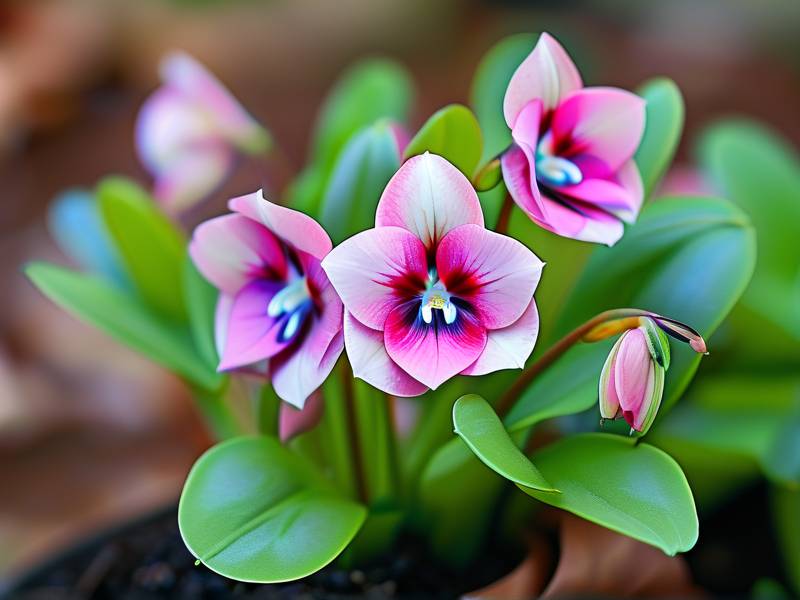
A study published in the Journal of Environmental Horticulture showed that cyclamen flower development is optimal at average temperatures between 60-65°F. At higher temperatures, the flowers develop faster but die sooner. The study also noted that reducing night temperature by 5°F increases the intensity of petal color in some varieties. I have observed this myself. My pink double-petal cyclamen looks more vivid since I moved it away from the heating vent.
Managing Expectations in Summer Months
Summer is the resting period. If you live in a region with hot summers, the plant will go dormant regardless of what you do. Do not force it to grow. Do not fertilize. Just let the corm rest. If you have a cool basement, you can store the pot there. I keep mine in the garage, which stays below 70°F even in July. In late August, I check the corm for firmness. If it is still hard, I start the watering process. If it has shriveled, that is normal to a degree. It will plump back up after the first watering.
What to Do When the Plant Looks Dead but is Not
I have had friends show me cyclamen that look like dried straw and ask me to confirm death. In most cases, it is just dormant. The corm is alive under the soil. The giveaway is the corm's firmness. If it feels like a firm potato, it is alive. If it is squishy and smells bad, it is dead. For a dormant corm, I still do the twist-and-pull test on a dead stem. If it detaches with slight resistance, the plant is healthy. If it pulls out the entire corm from the soil, it is rotting. I lost a corm this way once because I was too impatient.
My Personal Growth Observations Over Two Weeks
To give you a very concrete timeline, I kept a daily log for my last plant. Day one, the plant had eight open blooms and about twelve buds. Day three, one new bud opened. Day five, after the first watering, the leaves felt perkier. Day seven, the oldest flower started to fade. I twisted it off. Day eight, two buds opened. Day nine, I noticed a new leaf emerging from the center. Day twelve, the faded flowers were replaced by new ones. Day fourteen, the plant had twelve open blooms, an increase of four from arrival. The stems were eight to ten inches tall, and the petals displayed the typical rabbit-ear curl. This stable growth pattern is what convinced me that cool temperature and bottom watering are the non-negotiable basics.
One Mistake I Made that You Should Avoid: Repotting in Winter
I repotted a blooming cyclamen in February because I wanted a prettier pot. That plant went into shock in three days. The flowers all drooped, and the leaves turned soft. I had damaged the roots during the repotting. The plant survived but lost most of its blooms. Now I only repot in early fall, before the growth spurt, or I skip repotting entirely if the nursery pot is not too ugly. The plant does not mind being root-bound. In fact, slightly tight roots seem to encourage more flowers. So do not rush to repot a blooming plant.
Shelf Placement and Grouping with Other Plants
Cyclamen look stunning mixed with winter herbs and other cool-loving plants. I sometimes place mine next to a small pot of pansies in a shallow tray. They have similar light and water needs. Just be careful to water them individually. Pansies can tolerate slightly wetter soil than cyclamen. Grouping them helps maintain local humidity and looks pretty. Just make sure the cyclamen is not hidden in the center where it might not get light.
A Practical Word on Humidity
Contrary to what you read online, cyclamen do not require high humidity at all. They tolerate average room humidity of 40-50% quite well. The key is avoiding dry, hot air from radiators, which dries out the buds quickly. I keep a simple hygrometer near my plants. If the humidity drops below 35% in winter, I add a pebble tray. If it is above 60%, I make sure there is enough air movement. Too much humidity, especially with cooler temperatures, can invite botrytis. So aim for moderate humidity, not tropical levels.
Understanding the Rabbit-Ear Description of Double Blooms
The term "rabbit-ear" comes from the physical shape of the double blooms. The inner petals stand up straight while the outer petals push outwards and downwards. This creates an illusion of little rabbit ears standing on the stem. The double flowers are heavier and longer-lasting than singles once they open. The rosette shape also makes the flowers more visible from a distance. This visual beauty is why I prefer the double variety, despite the extra care.
Key Takeaways for a First-Time Double-Petal Cyclamen Owner
If you only remember five things, remember these. First, cool temperatures are non-negotiable. Keep it under 65°F. Second, water from the bottom and only when dry. Third, bright indirect light, no direct sun. Fourth, avoid repotting during bloom. Fifth, let it rest in summer. These basics will see you through most issues.
Final Encouragement and a Friendly Warning
Do not be discouraged if you kill your first cyclamen. I killed two before getting it right. My third one is now blooming nicely, and I am proud of it. The double-petal variety is forgiving if you respect the basics. Start with a healthy plant, give it a cool window, and water it sparingly. The rabbit-ear blooms are worth the effort. They are unusual, elegant, and a great conversation piece. If you follow the steps above, your plant should thrive for months and return year after year.
Frequently Asked Questions
Q: Why are my cyclamen leaves turning yellow even though I am not overwatering?
Most likely, the room is too warm or the plant is reaching the end of its natural bloom cycle. Cyclamen leaves yellow when the temperature stays above 68°F for long periods. Move it to a cooler room. Also, check if any water has pooled in the crown or between leaf stems. That can cause localized yellowing. If you have not seen yellowing before, it might be dormancy, especially if it is late spring.
Q: Can I grow double-petal cyclamen outdoors in a cold climate?
The indoor florist cyclamen is not frost-hardy. It cannot survive freezing temperatures. If you live in USDA zones 9 or warmer, you can grow them outdoors in winter as annual bedding plants, as long as nighttime temperatures stay above freezing. In colder zones, keep them as houseplants or in a cold greenhouse. The outdoor hardy cyclamen species like Cyclamen hederifolium are different and can survive frost, but they do not have the striking double flowers.
Q: My cyclamen has finished blooming. When will it flower again?
After the bloom period ends in spring, the plant will enter dormancy and die back. It will rest for about 10-12 weeks. If you start watering again in early fall, you should see new leaves within 2-4 weeks. Flowers typically follow in about 6-8 weeks after leaves appear. So from dormancy to the next full bloom is roughly 4-5 months. Patience is key. Do not give up on it while it is resting. The corm is alive and waiting.