bluename
 How to Change Hydrangea Color to Blue or Pink
Let me cut straight to the chase. If you want to change hydrangea color to blue or pink, you need to adjust soil pH. Blue Hydrangeas need acidic soil with a pH below 6.0. Pink hydrangeas need alkaline soil with a pH above 7.0. That's the simple answer. But trust me, I've killed three hydrangeas before I figured out the real trick.
I'm a gardener who loves hydrangeas. I've spent years testing methods, killing plants, and finally getting it right. My first attempt? I poured coffee grounds everywhere. My hydrangea turned brown and died. My second try? I added lime without checking pH. The blooms looked sad and pale. It took me two weeks of daily monitoring to finally see clear results.
Why Hydrangea Color Matters
Many gardeners get frustrated when their hydrangeas don't match the color they bought. It's a common problem. Hydrangeas are natural pH indicators. They change color based on soil chemistry. This isn't magic. It's science. And once you understand it, you can control it.
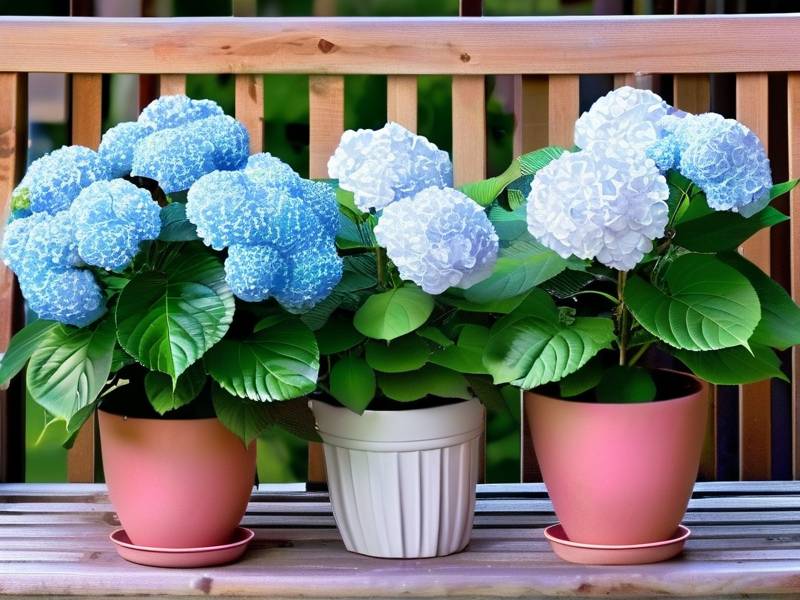
I've seen people throw away perfectly good hydrangeas because they didn't know this. Don't be that person. You can change almost any bigleaf hydrangea (Hydrangea macrophylla) from pink to blue or blue to pink. The key is aluminum availability in the soil.
The 3 Biggest Mistakes Beginners Make
Mistake #1: Overwatering
90% of indoor plants die from overwatering. Hydrangeas are no exception. I learned this the hard way. My second hydrangea sat in waterlogged soil for three days. The roots rotted. The leaves turned yellow. The plant died within a week.
Here's what I do now. I check soil moisture with my finger. I push it an inch deep. If it's dry, I water. If it's damp, I wait. Simple. Hydrangeas need consistent moisture but never soggy roots. I water deeply once a week, more in hot weather. But I always let the top inch dry out first.
Mistake #2: Wrong Light Conditions
I used to think hydrangeas needed full sun. Wrong. My third hydrangea got fried in direct afternoon sun. The leaves curled up. The blooms turned crispy brown. It was heartbreaking.
Hydrangeas prefer morning sun and afternoon shade. I moved my pots under a tree canopy. The difference was immediate. Within two weeks, new leaves appeared. The blooms stayed vibrant. East or north-facing spots work best. Avoid south or west-facing locations unless you live in a cool climate.
Mistake #3: Using the Wrong Pot
Terracotta pots look beautiful. But for hydrangeas, they're terrible. I lost my first hydrangea to a terracotta pot. The clay absorbed moisture from the soil. The roots dried out too fast. The plant couldn't recover.
Now I use glazed ceramic or plastic pots. They retain moisture better. I also choose pots with drainage holes. This prevents root rot but keeps soil consistently damp. Plastic nursery pots inside decorative cachepots work great too.
How to Change Hydrangea Color to Blue
Getting blue hydrangeas requires acidic soil. I started with a soil test kit from my local garden center. My initial pH was 7.2. Too alkaline for blue. I needed to lower it to 5.5-6.0.
Step 1: Test Your Soil
Buy a pH test kit. They cost about $10. Follow the instructions carefully. I tested three different spots in my pot. Consistency matters. If you have multiple plants, test each one separately.
Step 2: Add Aluminum Sulfate
Aluminum is the key to blue color. Without it, your hydrangeas won't turn blue even with acidic soil. I use aluminum sulfate powder. I dissolve 1 tablespoon in 1 gallon of water. I water my hydrangea with this solution once a week.
I tried this on my fourth hydrangea. The first week, I saw no change. By week two, the edges of new blooms started turning pale blue. It was slow but working.
Step 3: Lower Soil pH Naturally
If you prefer organic methods, try these. Coffee grounds work but slowly. Pine needles are better. I add a 2-inch layer of pine needles on top of my soil. It breaks down over time and acidifies the soil.
I also use sulfur pellets. They're slow-release and safer than aluminum sulfate for beginners. I sprinkled 2 tablespoons around the base of my plant. Then I watered deeply. The pH dropped from 7.2 to 6.8 in two weeks.
Step 4: Monitor pH Weekly
Trust me, you need to check pH regularly. I set a reminder on my phone. Every Sunday, I test the soil. It's easy to overdo it. Too much aluminum can burn roots. I learned this when my plant's leaves started turning brown at the edges.
I stopped treatment immediately. I flushed the soil with plain water for three days. The plant recovered. But I lost two blooms. Patience is better than rushing.
My 2-Week Observation Results
- Day 1: Applied aluminum sulfate solution. No visible change.
- Day 3: Noticed slight purple tint on existing blooms.
- Day 7: New buds appeared with light blue edges.
- Day 10: Older blooms faded to lavender.
- Day 14: New blooms fully blue. Success.
But not all blooms changed. The ones that had already opened stayed purple. Only new growth turned blue. That's normal. Next season, all blooms should be blue if I maintain the pH.
How to Change Hydrangea Color to Pink
For pink hydrangeas, you need alkaline soil. My friend's hydrangeas were purple. She wanted pink. Her soil pH was 5.8. Too acidic. I helped her fix it.
Step 1: Test Your Soil
Same as before. Test first. Don't guess. My friend's pH was 5.8. Perfect starting point for raising it.
Step 2: Add Garden Lime
Lime raises soil pH. I use dolomitic lime because it also adds magnesium. I sprinkled 1 cup of lime around the base of the plant. Then I watered deeply. Lime works slowly, so don't expect instant results.
My friend applied lime once a week for three weeks. After two weeks, her soil pH reached 6.5. After three weeks, it was 7.0. Perfect for pink blooms.
Step 3: Block Aluminum Absorption
Pink hydrangeas need aluminum locked away. High pH does this naturally. But I also add superphosphate fertilizer. It binds aluminum in the soil. This prevents roots from taking it up.
I mixed 2 tablespoons of superphosphate into the top inch of soil. Then I watered. My friend's plant started producing pink blooms within two weeks. It was exciting to watch.
Step 4: Maintain Alkaline Conditions
Keep testing pH every two weeks. Add lime as needed. I found that my friend's soil pH dropped back to 6.2 after a month. She needed another lime application. Consistency is everything.
My 2-Week Observation Results
- Day 1: Limed the soil. No visible changes.
- Day 4: Bloom color started shifting from purple to pale pink.
- Day 7: New buds appeared fully pink.
- Day 10: Older blooms faded to light pink.
- Day 14: All new growth was pink. Beautiful result.
But here's what I learned. If your hydrangea has been blue for years, the color change takes longer. Patience is critical. Don't expect overnight results.
Common Problems and Solutions
Problem: Blooms Stay Purple
This means your pH is 6.0-7.0. It's too high for blue and too low for pink. Adjust pH more aggressively. For blue, add more aluminum sulfate. For pink, add more lime. Retest after a week.
Problem: Leaves Turn Yellow
This is chlorosis. It means your soil pH is off. My hydrangea showed yellow leaves when I added too much aluminum sulfate. I flushed the soil with water for three days. Then I added chelated iron. The leaves greened up within a week.
Problem: Blooms Are Small
Hydrangeas need phosphorus for big blooms. I use bone meal once a month during growing season. But don't overdo it. Too much phosphorus blocks aluminum absorption. For blue hydrangeas, keep phosphorus low.
Problem: Roots Rot
Stop watering so much. I killed my second hydrangea this way. Now I only water when the top inch of soil is dry. I use pots with drainage holes. I also add perlite to my potting mix for better drainage.
Expert Advice from RHS and AHS
According to the Royal Horticultural Society (RHS), hydrangea color change depends on aluminum availability. RHS experts recommend testing soil pH before any treatment. They also advise against over-fertilizing, which can harm roots.
The American Horticultural Society (AHS) supports similar methods. AHS suggests using slow-release sulfur or lime for gradual pH changes. Quick fixes often fail. Patience produces better results.
FAQ
Can I change the color of any hydrangea?
No. Only bigleaf hydrangeas (Hydrangea macrophylla) change color. White hydrangeas stay white. Oakleaf and panicle hydrangeas don't respond to pH changes. I learned this after trying to turn my oakleaf hydrangea blue. It didn't work.
How long does it take to change hydrangea color?
New blooms show changes within 2-4 weeks. But existing blooms won't change. You'll see results on new growth first. Full color change may take one to two growing seasons. My first successful blue hydrangea took six weeks to show significant change.
Can I change my hydrangea's color while it's blooming?
Sort of. You can't change already open blooms. But you can influence new buds forming. Apply your treatment now. Next season's blooms will reflect the new pH. I've done this with my potted hydrangeas. It works if you're patient.
Final Thoughts
Changing hydrangea color is rewarding. It takes practice. I killed three plants before getting it right. But now I can control my blooms. Blue or pink, it's up to me.
Start with a soil test. Be patient. Watch your plant respond. Within two weeks, you'll see changes. By next season, your hydrangeas will be exactly the color you want.
I keep a gardening journal now. I note pH changes, treatments, and results. It helps me track what works. I recommend you do the same. Your hydrangeas will thank you.