bluename
 How to Prune Hydrangeas for More Blooms
If you want bigger, more abundant blooms on your hydrangeas, here’s the straight answer: prune at the right time for your specific variety, cut above a healthy pair of buds, and never remove more than one-third of the plant at once. Simple, right? I learned this the hardest way possible after killing my first hydrangea bush two years ago.
I’ve been growing hydrangeas for over a decade. I’ve made every mistake you can imagine. I’ve pruned at the wrong time, cut back too much, and used the wrong tools. Each mistake taught me something valuable. So let me share what actually works.
Why Most People Fail at Hydrangea Pruning
90% of indoor plants die from overwatering. But when it comes to hydrangeas outdoors, pruning mistakes kill almost as many blooms. The problem? People treat all hydrangeas the same. They aren’t.
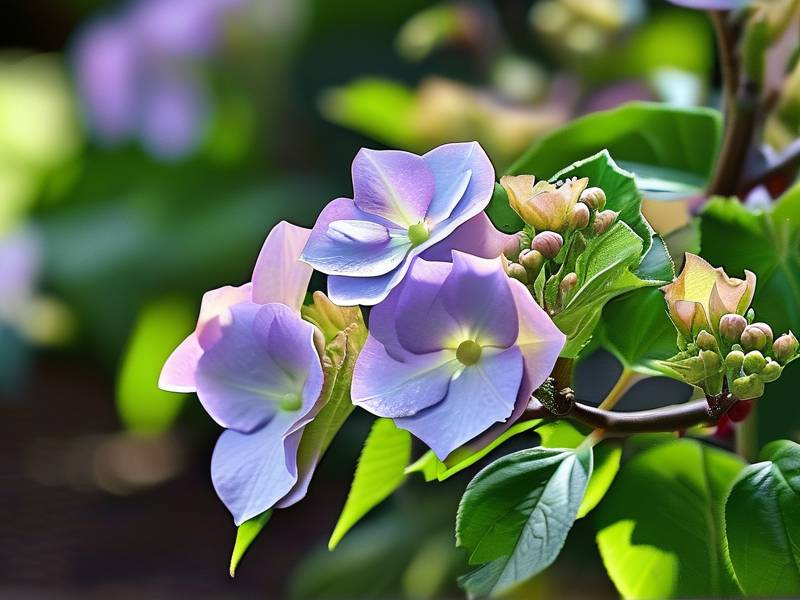
Different hydrangea varieties bloom on different wood. Some flower on old wood. Some bloom on new wood. A few even bloom on both. If you prune wrong, you cut off this year’s flower buds. I’ve done that. It stings.
The Three Deadly Mistakes Newbies Make
Mistake 1: Watering Too Much
First, let me get this off my chest. I overwatered my hydrangeas for years. I thought they loved constant moisture. They do need water, sure. But here’s what no one told me: soggy roots drown the plant. Yellow leaves, root rot, no blooms. Stop watering every day.
Check the soil first. Stick your finger an inch deep. If it’s damp, skip watering. Simple as that.
Mistake 2: Wrong Light Exposure
I put my hydrangeas in full shade once. Bad move. They need morning sun and afternoon shade. At least 4-6 hours of direct morning sun. Too much harsh afternoon sun burns leaves. Too little light means no flowers. I lost an entire season of blooms because I planted under a shady oak tree.
Mistake 3: Using the Wrong Pot
I used a plastic pot without drainage holes for my first hydrangea. Stupid, I know. Water pooled at the bottom. Roots rotted within two weeks. Always use a pot with drainage holes. Clay or ceramic works best. Or fabric pots for breathability.
How to Identify Your Hydrangea Type
Before you pick up pruners, know your plant. It’s the biggest factor.
Bigleaf Hydrangeas (Hydrangea macrophylla)
These are the classic pink or blue mopheads. They bloom on old wood. That means flower buds form in late summer for next year. Prune them right after flowering, before August. If you prune in fall or spring, you cut off next season’s blooms. I did that to a lovely pink mophead. It took two years to recover.
Panicle Hydrangeas (Hydrangea paniculata)
Varieties like ‘Limelight’ and ‘Pinky Winky’ bloom on new wood. Prune them in late winter or early spring. Cut back by one-third. You’ll get stronger stems and bigger flower heads. I prune mine in March. Works every time.
Smooth Hydrangeas (Hydrangea arborescens)
‘Annabelle’ is a classic example. They also bloom on new wood. Prune hard in early spring. Cut stems down to 12-18 inches tall. I was scared to cut that much at first. But trust me, it produces massive blooms by July.
Oakleaf Hydrangeas (Hydrangea quercifolia)
These bloom on old wood. Prune lightly after flowering. Remove only dead or weak stems. I barely touch mine. They reward me with beautiful autumn foliage and long-lasting blooms.
Climbing Hydrangeas (Hydrangea anomala petiolaris)
Rarely need pruning. Just remove deadwood in late winter. I cut a few tangled stems. That’s plenty.
When to Prune Each Type
Here’s a quick timeline I follow:
- Old wood bloomers (bigleaf, oakleaf): Prune right after flowers fade. Usually June or July.
- New wood bloomers (panicle, smooth): Prune in late winter. February or March where I live.
- Blooms on both (reblooming varieties): Light prune in early spring after frost danger passes.
I keep a garden journal. It saves me from guessing each year.
My Step-by-Step Pruning Routine
I’ve refined this over the past five years. It’s simple and effective.
Step 1: Clean Your Tools
Dirty pruners spread disease. I wipe blades with rubbing alcohol before and after each cut. A clean cut heals faster.
Step 2: Remove Deadwood First
Cut away dead, damaged, or crossing branches. I cut them down to the base. No hesitation. Dead stems won’t produce blooms.
Step 3: Cut Above a Healthy Bud Pair
For new wood hydrangeas, cut just above a pair of healthy buds. For old wood varieties, cut back flowering stems to a strong pair of buds below the flower head. I aim for outward-facing buds. This shapes the plant nicely.
Step 4: Thin Out Dense Centers
Remove one-third of the oldest stems from the center. This improves air circulation. Fewer fungal problems. I learned this after losing a plant to powdery mildew.
Step 5: Use RHS Guidelines
According to the RHS, always prune to an outward-facing bud. This encourages open growth. I follow this religiously.
What Happens After Two Weeks
Let me walk you through my real experience with a panicle hydrangea I pruned last March.
Day 1: I cut back stems by one-third. It looked bare. I worried.
Day 7: Tiny buds appeared at the pruning cuts. Green growth. Relief.
Day 14: New shoots were 3-4 inches long. Full of promise. The plant looked healthier than before.
By June, it exploded with large, creamy-white flower heads. My neighbors asked what I did. The secret? Prune hard in early spring.
Practical Tools I Use
I don't overcomplicate things. Three tools cover everything:
- Bypass pruners: For stems up to 1/2 inch. Sharp blades are non-negotiable.
- Loppers: For thicker stems. I use these on older hydrangeas.
- Pruning saw: For large, woody stems. Rarely needed.
I clean them after each use. Oil moving parts twice a year.
Common Mistakes Even Experienced Gardeners Make
Pruning Too Late
I pruned a bigleaf hydrangea in September once. The buds had already set for next year. I got zero flowers the following summer. Don’t prune after August for old wood varieties.
Shearing Instead of Selective Pruning
I used hedge shears on a smooth hydrangea. It looked terrible. Uneven growth. Few blooms. Now I cut each stem individually.
Removing Too Much at Once
I cut a panicle hydrangea down to 6 inches. It survived but produced small flower heads. Keep at least 12 inches of stem. Nature needs that stored energy.
Ignoring Dead or Diseased Wood
I left a diseased stem on a hydrangea once. The fungus spread to the whole plant. Remove any discolored or spotted wood immediately.
AHS Expert Tips I Trust
The AHS recommends testing your soil pH before pruning. Acidic soil (pH 5.5 or lower) produces blue flowers on bigleaf hydrangeas. Alkaline soil (pH 6.5 or higher) gives pink flowers. Adjust with sulfur or lime after pruning. I use this trick every spring.
When Not to Prune
Skip pruning if your hydrangea is stressed. Drought, heat, or recent transplant shock weakens the plant. Let it recover first. I once pruned during a heatwave. The plant struggled all summer.
What to Do Instead of Over-Pruning
Sometimes less is more. For old wood hydrangeas, only remove spent flower heads. Cut just below the bloom. Leave the stem intact. This method works well for bigleaf and oakleaf types.
How Sunlight Affects Blooms
I mentioned light earlier. But it’s that important. Hydrangeas need morning sun to dry dew on leaves. Wet leaves invite disease. Afternoon shade prevents leaf scorch. My biggest bloom came from a plant facing southeast. Perfect balance.
Watering Tips After Pruning
After pruning, water deeply once a week. More if it’s hot. Less if it rains. Mulch around the base to retain moisture. I use shredded bark. It keeps roots cool and suppresses weeds.
Fertilizing After Pruning
I fertilize new wood hydrangeas in early spring after pruning. Use a balanced slow-release fertilizer. 10-10-10 works. Avoid high-nitrogen formulas. They push leaf growth at the expense of flowers. I made that mistake once. Lush foliage, no blooms.
Old wood varieties get fertilizer after flowering. Same balanced formula. I spread it around the drip line.
FAQ
1. Can I prune hydrangeas in the fall?
Only panicle and smooth types. Even then, wait until they go dormant. For bigleaf and oakleaf, fall pruning removes next year’s flower buds. I’ve lost entire seasons this way.
2. What happens if I prune at the wrong time?
You might reduce or eliminate blooms for that year. Some plants survive. Others struggle to recover. Bigleaf hydrangeas are most sensitive. Always check the variety first.
3. Do I need to prune every year?
Not strictly necessary. Panicle and smooth hydrangeas flower well without annual pruning. But pruning produces larger, more uniform blooms. For old wood types, simply remove spent flowers. That’s enough for many gardeners.
Final Thoughts
Pruning hydrangeas isn’t complicated once you know your plant’s type. Take the time to identify your variety. Follow the timing guidelines. Make clean cuts above healthy buds. Your hydrangeas will thank you with spectacular blooms.
I’ve been where you are. Overwhelmed, confused, scared to cut. But with practice, it becomes second nature. Start with one plant. Learn its rhythm. Then expand your skills.
Above all, enjoy the process. There’s nothing quite like watching a perfectly pruned hydrangea burst into flower. The satisfaction stays with you through every season.