bluename
 How to Care for Large Areca Palm - Warm & Humid Environment for Greener Leaves
You've invested in a stunning large Areca Palm, envisioning a lush, tropical focal point for your space. Yet, instead of the vibrant, feathery fronds you expected, you're facing browning tips, yellowing leaves, and a general lack of that iconic vitality. This common frustration often stems from one central challenge: replicating the warm, humid environment this palm craves. Mastering the balance of temperature and moisture is not just a detail—it's the fundamental secret to unlocking deep, lasting greenery and robust health for your large Areca Palm.
Understanding Your Areca Palm's Natural Habitat
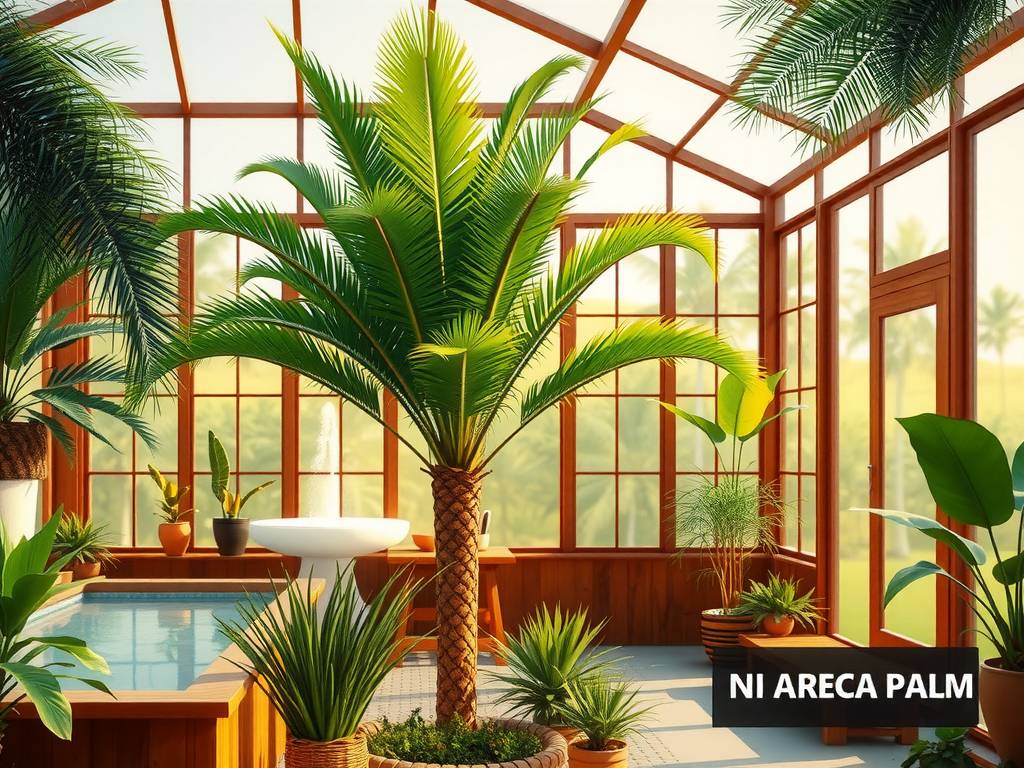
Native to the humid, tropical regions of Madagascar, the Areca Palm (Dypsis lutescens) thrives under the canopy of taller trees. This environment provides filtered sunlight, consistently warm temperatures, and high atmospheric moisture. When we bring these palms indoors, we immediately place them in conditions vastly different from their homeland—typically drier air from HVAC systems and inconsistent light. Recognizing this gap is the first step toward effective care. Your goal isn't just to keep the plant alive, but to recreate a slice of its native tropics, encouraging it to flourish.
Creating the Ideal Warm Environment
Consistent temperature is a cornerstone of Areca Palm health. These plants are highly sensitive to cold drafts and sudden temperature fluctuations, which can trigger stress and leaf drop.
Optimal Temperature Range Aim to maintain a consistent ambient temperature between 65°F and 75°F (18°C - 24°C). This range mirrors the balmy conditions of its native habitat. It's crucial to avoid exposing your palm to temperatures below 55°F (13°C), as prolonged exposure can cause chilling injury, manifesting as dark, water-soaked spots on the fronds that eventually turn brown and dry. According to insights from the Royal Horticultural Society (RHS), tropical foliage plants like the Areca Palm experience arrested growth and cellular damage when subjected to cold stress, undermining their overall vitality.
Avoiding Temperature Pitfalls Placement is key. Keep your large Areca Palm away from frequently opened doors in winter, air conditioning vents, and drafty windows. Radiators and heating vents pose a different threat, as the direct, dry heat they emit can scorch leaves and rapidly dehydrate the plant. A stable spot away from these extremes allows the palm to direct its energy into growth rather than survival.
Mastering Humidity for Lush, Green Leaves
If temperature sets the stage, humidity is the starring actor in the quest for greener leaves. Low humidity is the most frequent cause of brown, crispy leaf tips and marginal browning on Areca Palms. The plant loses moisture through its leaves faster than the roots can absorb it in dry air.
The Humidity Sweet Spot Areca Palms prefer a relative humidity level of 50% or higher. Most homes, especially during winter or in arid climates, have humidity levels between 30-40%, which is suboptimal. You can monitor this with a simple hygrometer placed near your plant.
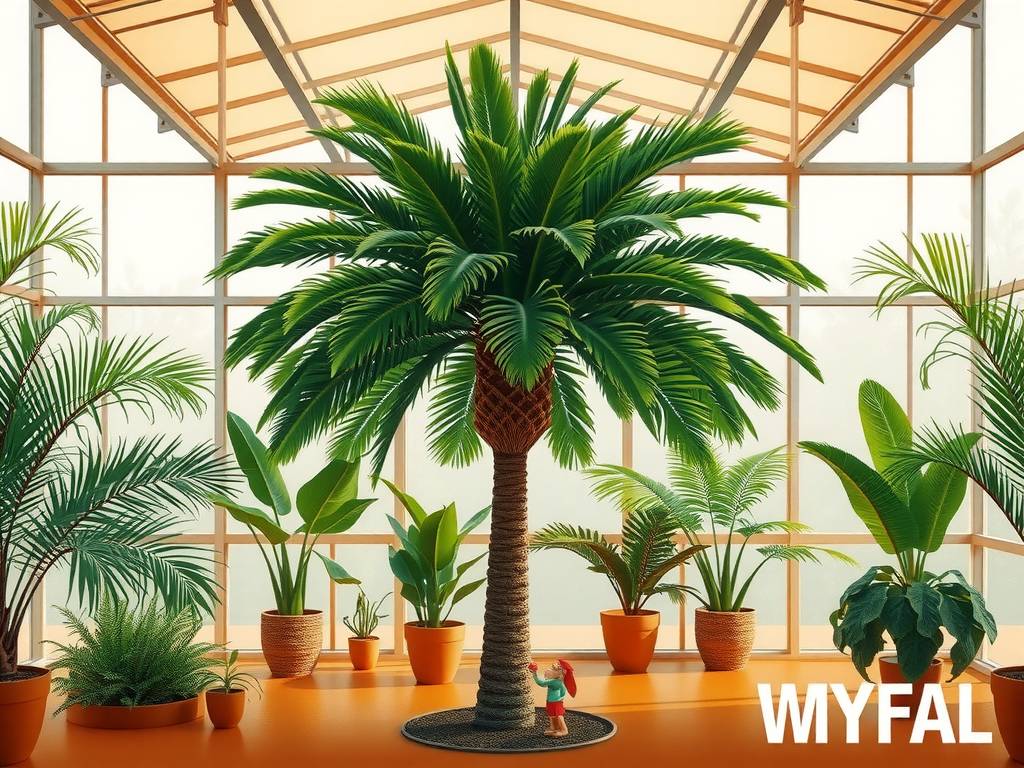
Effective Humidity-Boosting Strategies
- Grouping Plants: Cluster your Areca Palm with other humidity-loving plants. As they collectively transpire (release water vapor), they create a beneficial microclimate.
- Pebble Trays: Place a shallow tray filled with water and pebbles beneath the plant's pot. Ensure the pot sits on the pebbles, not directly in the water. As the water evaporates, it increases humidity around the foliage.
- Using a Humidifier: This is the most effective and consistent method, particularly for large specimens. A cool-mist humidifier running nearby can maintain ideal moisture levels in the air, directly addressing the plant's core need. The American Horticultural Society (AHS) notes that supplementing humidity is often the single most impactful adjustment for improving the foliage quality of tropical indoor plants.
- Regular Misting: While a temporary relief, misting provides only a brief spike in humidity. It can be useful as a supplementary measure but should not be relied upon as a primary solution. Ensure you use lukewarm, filtered water to avoid leaving mineral spots on the leaves.
Supporting Care Practices in a Warm & Humid Setting
A perfect environment is supported by complementary care in watering, feeding, and grooming.
Watering in Harmony with Humidity Your watering routine is intrinsically linked to temperature and humidity. In warm, humid conditions, the soil may retain moisture slightly longer, but the plant's growth is also more active. The golden rule is to water deeply when the top 1-2 inches of soil feel dry to the touch. Always use well-draining soil and a pot with drainage holes to prevent root rot, which can be exacerbated in warm, moist conditions. Overwatering in a warm setting is a common but avoidable mistake.
Nutrition for Vibrant Growth During the active growing season (spring and summer), feed your large Areca Palm monthly with a balanced, water-soluble fertilizer (such as a 10-10-10 or 20-20-20 formula), diluted to half-strength. This provides essential nutrients to support the lush leaf production encouraged by your optimal environment. Reduce or eliminate feeding in fall and winter when growth naturally slows.
The Importance of Grooming As you perfect the environment, your palm will grow. Regularly clean the fronds with a damp, soft cloth to remove dust, which can clog pores and hinder photosynthesis. Prune away entirely brown or yellow fronds at the base using clean, sharp shears. This not only improves appearance but also redirects the plant's energy to new, healthy growth.
Signs Your Environment Is Working (or Needs Adjustment)
A happy Areca Palm communicates its health clearly.
- Success Signs: New, green fronds (called "spears") emerging from the center, overall leaf firmness, and a steady, upright growth habit.
- Distress Signals from Incorrect Humidity: Brown, crispy leaf tips and edges are a classic cry for more humidity. Conversely, soft, mushy new growth or mold on the soil surface can signal excessive moisture and poor air circulation.
- Distress Signals from Incorrect Temperature: Sudden, widespread yellowing or browning of leaves can indicate cold shock. Wilting or bleached, scorched patches may point to excessive heat from a direct source.
My Areca Palm's leaf tips are still brown even though I mist it daily. What am I doing wrong? Daily misting offers only a temporary humidity boost that dissipates quickly. Brown tips indicate chronic low ambient humidity. To truly solve this, you need to raise the humidity level consistently around the plant. Switching to a pebble tray or, more effectively, using a room humidifier will provide the constant moisture the palm needs, leading to new growth with healthy, green tips.
Can I place my large Areca Palm in a bathroom with a shower for humidity? A bathroom with a sunny window can be an excellent location, as the steam from showers provides regular humidity. However, ensure the space has consistent warmth (not subject to cold drafts) and receives enough bright, indirect light. Low light combined with high humidity can lead to other issues like weak growth or fungal problems.
How often should I fertilize to promote greener leaves? Fertilizer supports the green growth that your warm, humid environment makes possible, but it is not a substitute for it. Feed monthly during spring and summer with a half-strength balanced fertilizer. Avoid over-fertilizing, as salt buildup can damage roots and ironically cause browning leaf tips, mimicking low-humidity damage. Flush the soil with water every few months to leach out excess salts.
Caring for a large Areca Palm is an exercise in emulating a tropical paradise. By prioritizing a stable, warm temperature and committing to strategies that significantly boost humidity, you address the plant's most fundamental needs. This foundation, supported by mindful watering, seasonal feeding, and attentive grooming, transforms your care from maintenance into cultivation. The reward is a magnificent, thriving palm whose deep, radiant greenery becomes a testament to the perfect environment you've created. Watch as it responds with vigorous growth, transforming your space into the lush, vibrant oasis you envisioned.