bluename
 How to Care for Large Hawaii Palm - Bright Indirect Light for Vigorous Growth
You've invested in a stunning large Hawaii Palm, envisioning it as the majestic, tropical centerpiece of your living space. Yet, instead of the lush, vigorous growth you anticipated, you might be facing drooping fronds, yellowing leaves, or a general lack of that vibrant, healthy glow. The culprit often boils down to one critical, misunderstood factor: light. Achieving the perfect balance of bright indirect light for vigorous growth is the single most important secret to unlocking your palm's full potential. This comprehensive guide will demystify Hawaii Palm care, transforming you from a worried plant owner into a confident plant curator, ensuring your large specimen thrives for years to come.
Understanding Your Large Hawaii Palm
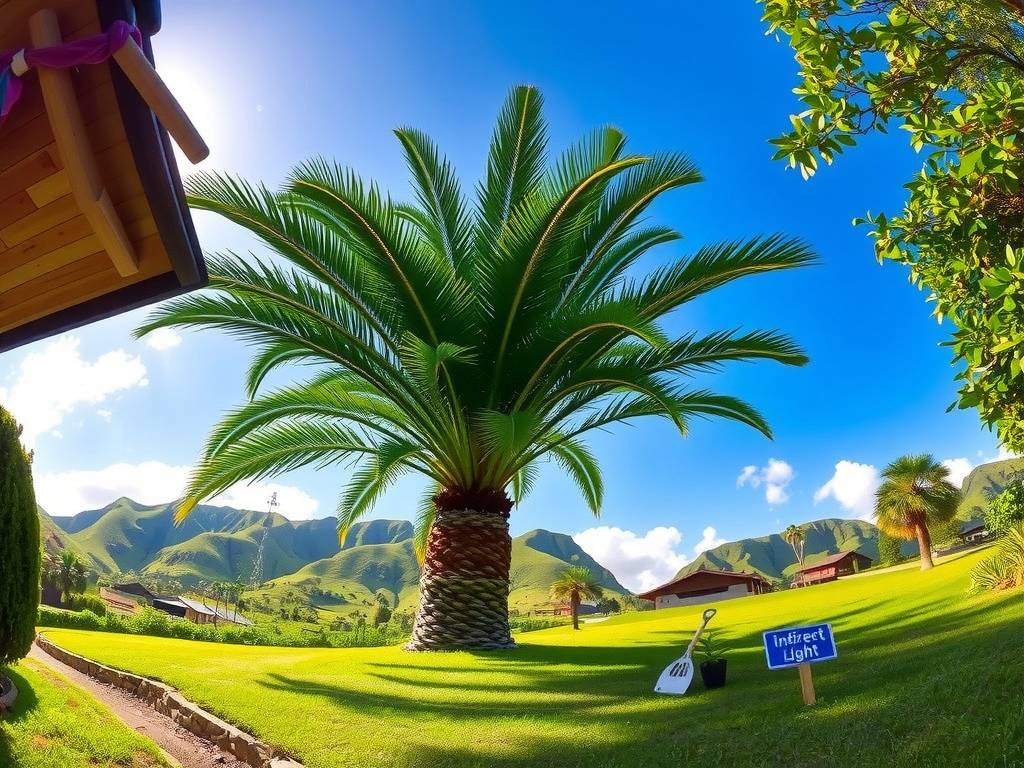
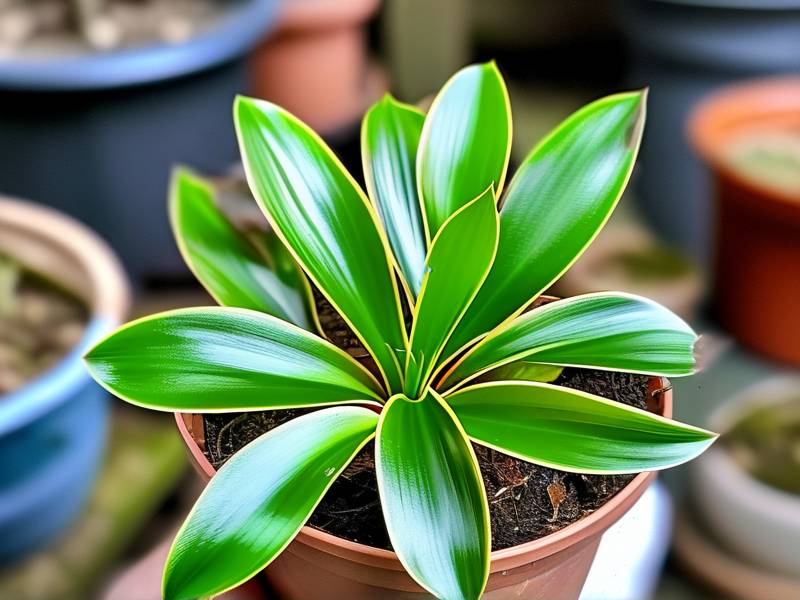
Often called the "Hawaiian Ti Plant" or botanically known as Cordyline fruticosa, the Hawaii Palm is not a true palm but a member of the asparagus family. This distinction is crucial for its care. Native to tropical Southeast Asia and the Pacific Islands, it thrives under the dappled canopy of larger trees. This natural habitat is the key to replicating its ideal conditions indoors: consistent warmth, humidity, and protection from the harsh, direct sun. A large, mature Hawaii Palm is a significant investment in beauty and air-purifying benefits, making proper care essential.
Why Light is the Non-Negotiable Foundation for Health
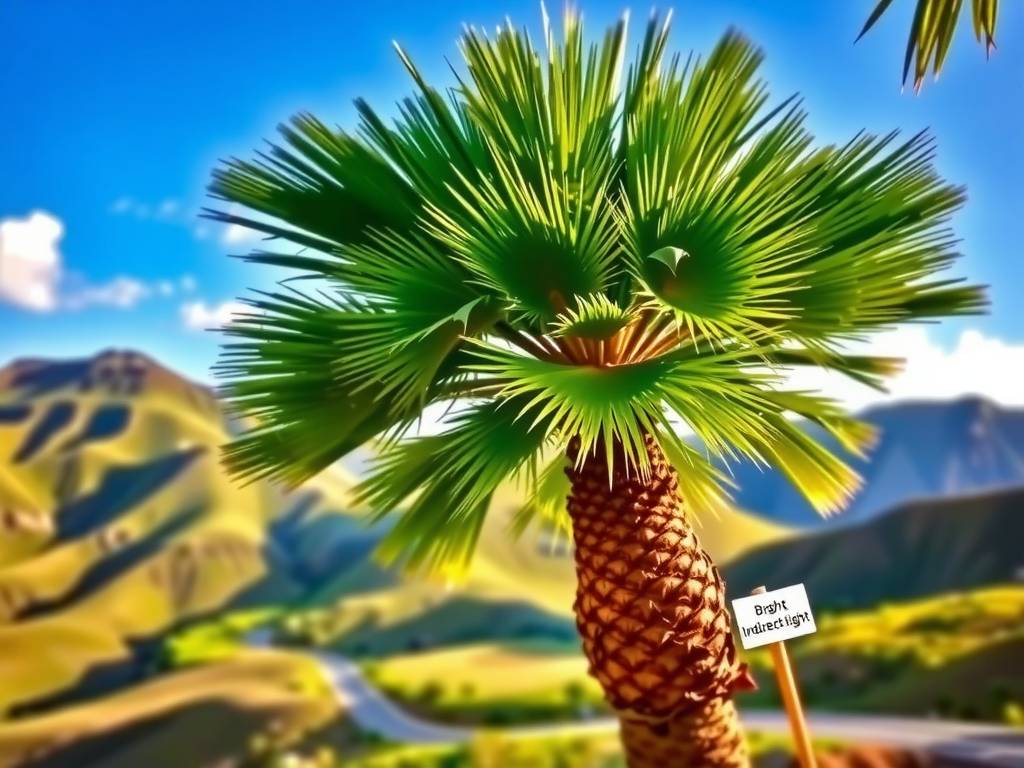
Light is the engine of photosynthesis, the process by which your plant creates food and energy. For a large Hawaii Palm, the quality and quantity of light directly dictate its growth rate, leaf color intensity, and overall structural strength. Insufficient light leads to etiolation—where the plant stretches weakly toward any light source—causing sparse, leggy growth and fading the beautiful, often burgundy or variegated, leaf colors. Conversely, the intense, direct rays of the afternoon sun can scorch the leaves, leaving unsightly brown, crispy patches. The sweet spot, the golden rule for vigorous Hawaii Palm growth, is consistently bright, filtered light.
Decoding "Bright Indirect Light" for Your Palm
This term can be abstract. Let's make it tangible. Bright indirect light means a spot where your palm can see the sky clearly without the sun's rays falling directly on its leaves for more than a brief period in the early morning or late afternoon.
- Ideal Locations: Place your large Hawaii Palm near a north or east-facing window. A south or west-facing window can work perfectly if you use a sheer curtain to diffuse the light or position the plant several feet back from the window pane.
- The Shadow Test: A reliable method is to hold your hand about a foot above the plant's leaves around midday. If the shadow cast is soft-edged and fuzzy, you have indirect light. A sharp, well-defined shadow indicates direct light.
- Seasonal Adjustments: Be mindful of seasonal sun movement. A perfect spot in winter might become a solar hotspot in summer. Rotate your plant a quarter turn every time you water to ensure even growth and prevent it from leaning toward the light source.
Mastering the Support System: Water, Soil, and Humidity
While light is the cornerstone, it works in concert with other elements. The Royal Horticultural Society (RHS) emphasizes that plant health is a holistic system where water, soil, and environment are deeply interconnected.
Watering Wisdom: The Soak-and-Dry Method Overwatering is the fastest way to harm your palm. Water only when the top 1-2 inches of soil feel dry to the touch. For a large plant in a big pot, this might mean watering deeply every 7-14 days, depending on light and season. Always ensure excess water can drain freely from the pot's bottom. Soggy soil leads to root rot, which the plant cannot recover from easily.
The Perfect Soil Mix for Drainage Your Hawaii Palm despises "wet feet." Use a well-aerated, peat-based potting mix amended with perlite, orchid bark, or coarse sand. This ensures moisture retention for the roots while allowing excess water to drain rapidly. The American Horticultural Society (AHS) notes that good drainage is paramount for preventing fungal diseases in container-grown tropicals.
Boosting Humidity for Tropical Bliss Our indoor environments are often too dry. Brown leaf tips are a classic sign of low humidity. Increase moisture in the air by:
- Placing a humidifier nearby.
- Setting the pot on a pebble tray filled with water (ensure the pot sits above the waterline).
- Grouping it with other plants to create a microclimate.
Nutrition and Maintenance for Sustained Vigor
Feeding for Lush Foliage During the active growing season (spring and summer), feed your large Hawaii Palm monthly with a balanced, water-soluble fertilizer diluted to half-strength. Reduce feeding in fall and stop entirely in winter when growth slows. Over-fertilizing can cause salt buildup and leaf burn.
Pruning and Cleaning Remove any yellow or brown leaves at the stem base to keep the plant tidy and direct energy to new growth. You can also prune the top to control height, which will encourage branching. Regularly wipe the large leaves with a damp cloth to remove dust, allowing them to absorb maximum light and breathe efficiently.
Troubleshooting Common Issues
- Yellowing Leaves: Often a sign of overwatering or poor drainage. Check your soil moisture and drainage holes.
- Brown, Crispy Leaf Edges: Typically caused by low humidity, underwatering, or fertilizer burn. Assess your humidity strategy and watering routine.
- Leggy, Stretched Growth: A clear cry for more light. Move your palm to a brighter location with adequate indirect sunlight.
- Pests: Keep an eye out for spider mites or mealybugs, especially in dry conditions. Wipe leaves regularly and treat early with insecticidal soap or neem oil.
How often should I water my large Hawaii Palm? There is no fixed weekly schedule. The frequency depends entirely on light exposure, temperature, and pot size. Always use the finger test: water deeply only when the top 1-2 inches of soil are dry. In bright indirect light, it will use water more quickly than in a low-light spot.
Can my Hawaii Palm tolerate low light conditions? While it may survive in lower light, it will not thrive. Growth will become very slow, stems may become weak and leggy, and the vibrant leaf colors will fade to a dull green. For the lush, vigorous growth you desire, providing bright indirect light is non-negotiable.
Why are the tips of my palm's leaves turning brown? Brown leaf tips are most commonly a humidity issue. Large tropical leaves lose moisture rapidly in dry indoor air. Other potential causes include inconsistent watering (allowing the soil to become completely parched), fluoride in tap water, or a slight over-application of fertilizer. Focus on increasing ambient humidity first.
Caring for a large Hawaii Palm is a rewarding journey that centers on understanding its tropical origins. By faithfully providing the cornerstone of bright, indirect light, you fuel its engine for growth. Supporting this with mindful watering, proper soil, and increased humidity creates the complete environment where it can truly flourish. Observe your plant, adjust with the seasons, and you will be rewarded with a robust, vibrant specimen that brings a lasting piece of the tropics into your home.