bluename
 How to Care for Large Rhapis Excelsa - Drought Tolerant Care to Avoid Root Rot
You've invested in a stunning, large Rhapis excelsa, also known as the lady palm. Its lush, fan-shaped leaves bring a touch of elegant, tropical serenity to your home or office. Yet, a silent threat often lurks beneath the beautiful facade: the fear of root rot. Ironically, for a plant known for its resilience, the most common killer isn't neglect but overzealous care. This comprehensive guide is dedicated to helping you master drought tolerant care for your large lady palm, transforming uncertainty into confidence and ensuring your plant thrives for years by avoiding the dreaded root rot.
Understanding Your Rhapis Excelsa's Natural Blueprint
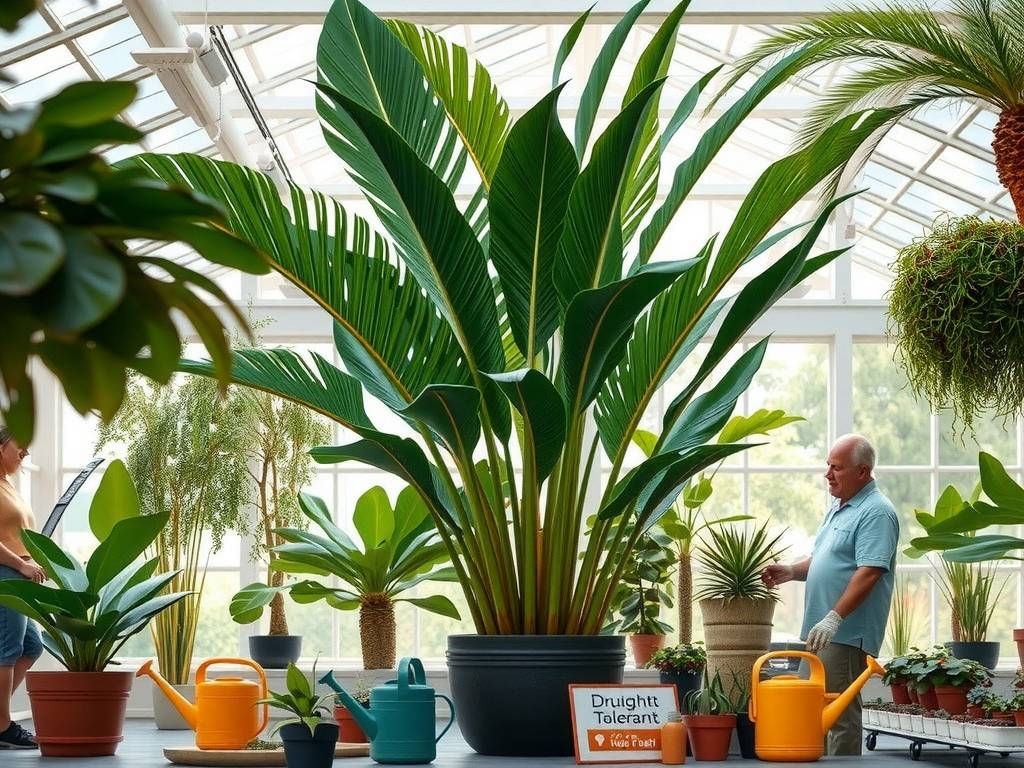
To care for a plant effectively, you must first understand its origins. Rhapis excelsa hails from the forest floors of Southern China and Taiwan. In its natural habitat, it grows in clusters under the canopy of larger trees. This environment provides key clues to its needs: bright, indirect light, protection from harsh sun, and most importantly, a well-draining substrate where water never pools around its roots for long. It has evolved to withstand periods of drier soil between rains, making it inherently drought tolerant. The challenge in our homes is replicating these conditions, especially for a large specimen in a heavy, moisture-retentive pot.
The Golden Rule: Mastering the Watering Cycle
This is the single most critical aspect of drought tolerant care to avoid root rot. For a large Rhapis excelsa, "less is more" is a lifesaving mantra.
Forget the Schedule, Embrace the Soil Never water on a calendar schedule. The need for water is influenced by light, temperature, humidity, and pot size. Instead, develop a hands-on approach. Insert your finger or a moisture meter deep into the soil, at least 2-3 inches down. For a large palm in a deep pot, this check is crucial. Water thoroughly only when the top 50-75% of the soil volume feels dry. When you do water, do so deeply until water flows freely from the drainage holes. This encourages roots to grow downward, seeking moisture and building a stronger, healthier system. Then, allow all excess water to drain completely. Never let the pot sit in a saucer of standing water.
Seasonal Adjustments Are Non-Negotiable Your palm's thirst changes with the seasons. During the active growing season (spring and summer), you may find the soil dries out more quickly. In the dormant period (fall and winter), growth slows dramatically, and soil can remain moist for weeks. During this time, watering frequency should be reduced significantly, sometimes to just once a month or less for a large plant in low light. The Royal Horticultural Society (RHS) emphasizes that overwatering in winter is the most common cause of decline in indoor palms.
The Foundation of Health: Soil and Pot Selection
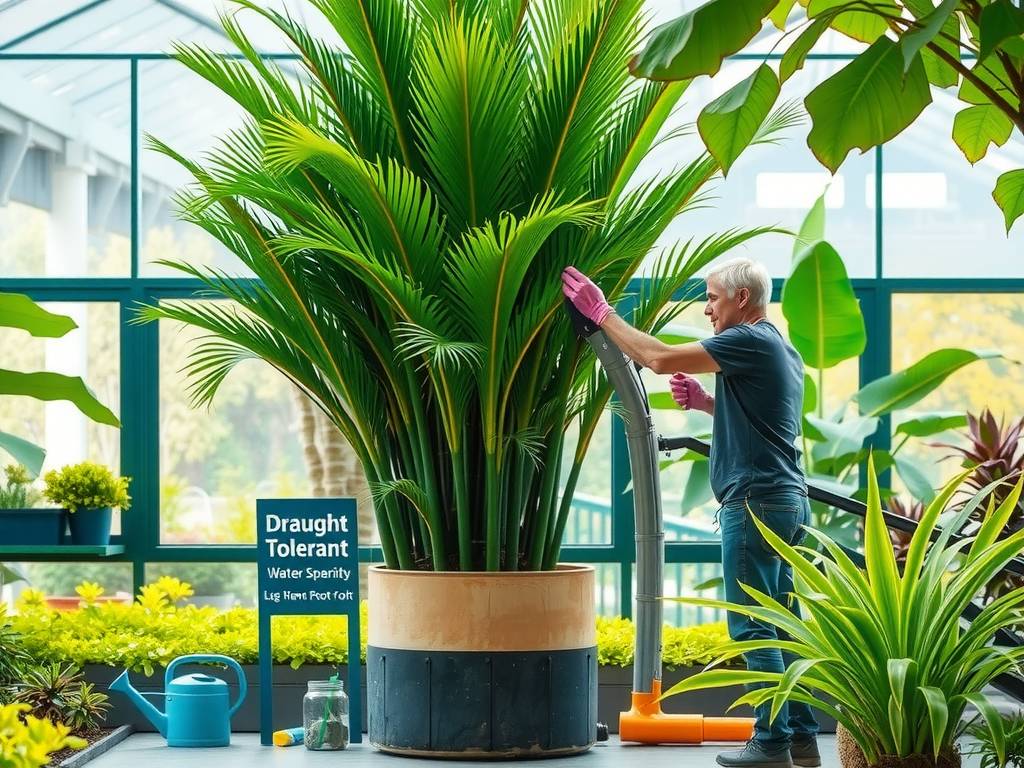
If watering is the action, then the soil and pot are the stage where success or failure plays out. Getting this combination wrong makes avoiding root rot an uphill battle.
Creating the Perfect Well-Draining Mix Standard garden soil or dense, peat-heavy potting mixes are a death sentence for Rhapis excelsa roots. They compact over time, suffocating roots and holding excess moisture. You need a chunky, airy mix. A reliable recipe is:
- 40% high-quality, coarse potting soil (as a base)
- 30% orchid bark or coconut coir chips (for aeration and structure)
- 20% perlite or pumice (for drainage and preventing compaction)
- 10% horticultural charcoal (optional but excellent for filtering impurities and keeping soil "sweet")
This blend mimics the forest floor litter, allowing water to flow through while retaining just enough moisture for the roots to access.
Choosing the Right Container For a large Rhapis excelsa, pot choice is critical. Always, without exception, use a pot with ample drainage holes. Terracotta or unglazed clay pots are excellent choices as they are porous, allowing the soil to dry more evenly from the sides. If using a decorative ceramic or plastic pot, ensure it has drainage and consider using it as a cache pot (placing the well-drained nursery pot inside it). Repot only when the plant is truly root-bound, typically every 2-3 years for a large specimen, and only increase the pot size by 1-2 inches in diameter.
Optimizing the Environment for Resilience
While water management is key, the surrounding environment either supports or undermines your drought tolerant care strategy.
Light: Bright but Gentle Large lady palms prefer bright, filtered light. An east-facing window or a spot several feet back from a south or west window is ideal. Direct, hot afternoon sun can scorch the leaves, causing unsightly brown tips and patches. Ample light supports robust growth and helps the plant utilize water efficiently.
Humidity and Airflow Rhapis excelsa appreciates moderate to high humidity (around 40-50% or higher), which can help prevent crispy leaf tips. However, good air circulation around the foliage is equally important. Stagnant, humid air can encourage fungal issues. A gentle fan in the room or ensuring plants aren't crammed together promotes health. The American Horticultural Society (AHS) notes that good airflow is a simple yet often overlooked component of integrated pest and disease management for indoor plants.
Temperature Consistency Maintain room temperatures between 65°F and 80°F (18°C - 27°C). Protect your palm from cold drafts from windows, doors, or air conditioning vents, as sudden temperature drops can cause stress.
Recognizing the Signs: Root Rot vs. Drought Stress
A crucial part of care is accurate diagnosis. The symptoms of overwatering (leading to root rot) and underwatering can sometimes look similar, but key differences exist.
Early Warning Signs of Root Rot:
- Generalized yellowing of lower, older fronds, often starting at the tips and moving inward.
- New growth emerging brown or black and dying back.
- A foul, musty odor emanating from the soil.
- Soft, mushy stems at the base.
- The plant wilts while the soil is still damp.
Signs of (Mild) Drought Stress:
- Dry, crispy brown tips on the leaves, often just at the very ends.
- Lower leaves may yellow one at a time as the plant conserves resources, but the stems remain firm.
- The entire plant may wilt slightly when the soil is bone dry, but it perks up quickly after watering.
If you suspect root rot, act immediately. Remove the plant from its pot, wash away the soil, and inspect the roots. Healthy roots are firm and light-colored. Rotten roots are dark brown/black, mushy, and may slough off. Using sterilized shears, cut away all affected roots. Repot the plant into fresh, dry, well-draining mix and a clean pot. Water very sparingly until you see signs of new growth.
My large Rhapis excelsa has brown tips on many leaves. Does this mean I'm underwatering? Not necessarily. While consistent underwatering can cause brown tips, it is more commonly a sign of low humidity, fluoride or chlorine in tap water, or a buildup of salts in the soil from fertilizer. Before watering more, try using filtered or distilled water, increase ambient humidity with a humidifier or pebble tray, and flush the soil every few months by running plenty of water through it to leach out excess salts.
How often should I fertilize my large lady palm? Feed sparingly. During the active growing season (spring and summer), use a balanced, water-soluble fertilizer (like a 10-10-10) diluted to half-strength, once a month. Do not fertilize in fall and winter when the plant is not actively growing. Over-fertilization leads to salt buildup, which can burn roots and mimic the symptoms of other issues.
Can I put my large Rhapis excelsa outside for the summer? Yes, with great care. Acclimate it gradually to a shaded or deeply dappled shade location. Never place it in direct sun, which will scorch the leaves. Monitor watering more closely as outdoor conditions dry soil faster. Remember to bring it back indoors well before nighttime temperatures drop below 55°F (13°C).
Caring for a large Rhapis excelsa is a rewarding practice in mindful horticulture. By embracing its drought tolerant nature—prioritizing deep but infrequent watering, anchoring it in a perfectly draining soil mix, and providing a stable environment—you build its natural defenses. This approach doesn't just prevent root rot; it cultivates a robust, deeply rooted plant that expresses its health through vibrant, evergreen fronds. Your lady palm's longevity is a direct reflection of your understanding and respect for its fundamental needs.