bluename
 How to Care for Large Pachira Aquatica - Warm Light for Shiner Leaves
You've nurtured your Pachira Aquatica, or Money Tree, from a small desk plant into a stunning, large indoor tree. It brings a lush, tropical feel to your space. But lately, you might notice its once-glossy, vibrant leaves looking a bit dull, pale, or even developing lackluster patches. The grandeur of a large specimen can be overshadowed by foliage that lacks its characteristic healthy shine. The secret to unlocking that deep, glossy sheen often lies in one critical, yet frequently misunderstood, element: warm light. Mastering the care for your large Pachira Aquatica, particularly its light needs, is the key to transforming it from simply big to breathtakingly brilliant.
This guide will walk you through the precise steps to use light as a tool for enhancing leaf shine and overall vitality. We'll move beyond basic survival tips and delve into the nuanced care that a mature, large Pachira Aquatica truly deserves.
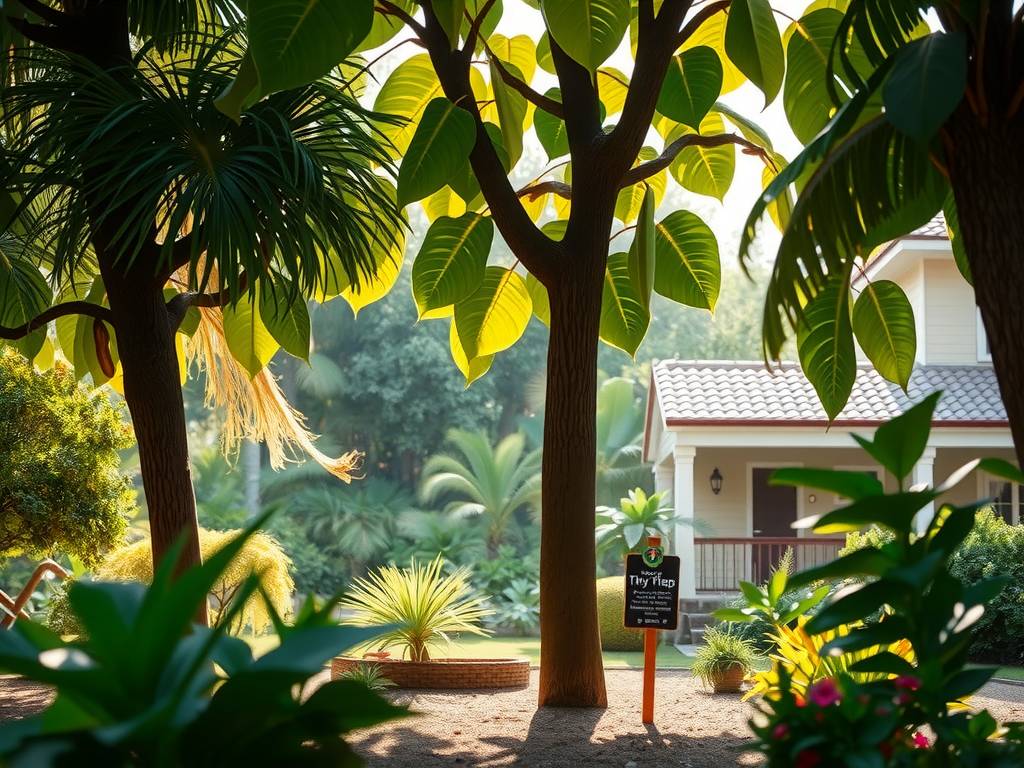
Understanding Your Large Money Tree's Light Language
A large Pachira Aquatica has different needs than a small one. Its canopy is broader, its root system more extensive, and its energy requirements are higher. Light is its primary source of energy for photosynthesis, the process that creates the sugars fueling growth and, crucially, the production of the waxy cuticle that gives leaves their shine.
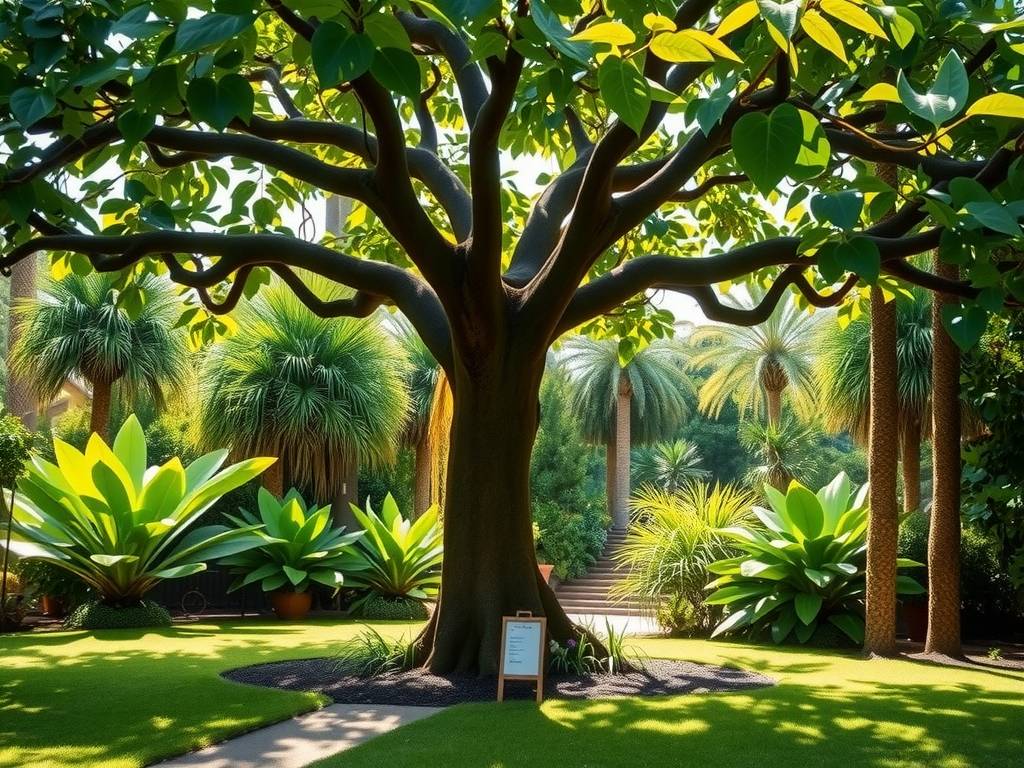
When we talk about warm light for shiner leaves, we refer to light sources with a color temperature in the lower Kelvin range (typically 2700K to 3000K), which emits a yellowish, cozy glow similar to sunrise or sunset. This spectrum is gentle and mimics the tree's natural understory habitat, where it receives dappled sunlight filtered through taller forest canopy. It encourages robust growth without the stress that harsh, cool blue light (5000K+) can cause, which may lead to scorching or faded, dull leaves.
The Direct Link Between Warm Light and Leaf Physiology
The shine on your Money Tree's leaves isn't just for show; it's a functional feature. The gloss is produced by a thin, waxy layer called the cuticle. A healthy cuticle does more than reflect light beautifully; it reduces water loss, repels dust and some pests, and protects against minor fungal issues.
How Warm Light Promotes a Healthier Cuticle: Research in plant physiology, including insights from horticultural bodies like the Royal Horticultural Society (RHS), indicates that optimal light quality and intensity directly influence cuticle development. Warm, bright indirect light provides the perfect energy level. It drives efficient photosynthesis, giving the plant ample resources to produce and maintain this protective, glossy layer. In contrast, low light forces the plant to stretch for light, resulting in thinner leaves with a weaker cuticle. Harsh direct sun can physically degrade the wax, causing a bleached, matte appearance.
Creating the Ideal Warm Light Environment
Providing the right light isn't just about placing your tree near a window. It's about crafting a consistent environment.
1. Identifying the Perfect Spot For a large Pachira Aquatica, placement is paramount. North or East-facing windows are often ideal in the Northern Hemisphere, offering consistent bright, indirect light without intense afternoon sun. A spot near a South or West-facing window can work if filtered by a sheer curtain or if the plant is set back several feet. Observe the leaf color: deep green with a sheen means perfect light; yellowing or pale leaves suggest too much light; small, sparse new growth indicates too little.
2. Supplementing with Artificial Warm Light During shorter winter days or in rooms with poor natural light, supplementing with grow lights is a game-changer for maintaining leaf shine. Choose full-spectrum LED bulbs with a warm white color temperature (2700K-3000K). These provide a balanced spectrum that includes the red and blue wavelengths plants need, but in a gentle, warm hue. Position the lights above the plant, ensuring they cover the entire canopy, and run them for 12-14 hours a day using a timer to mimic a natural day cycle.
3. The Rotation Ritual for Even Canopy Shine A large tree can develop a lopsided, dull side if it leans toward the light source. Make a habit of rotating the pot a quarter turn every time you water. This ensures all parts of the canopy receive equal light exposure, promoting uniform growth and an all-around glossy appearance.
Complementary Care for Maximum Leaf Luster
While warm light is crucial for shiner leaves, it works synergistically with other care aspects. Neglecting these can undermine even the perfect lighting setup.
Watering Wisdom for a Stable Foundation The American Horticultural Society (AHS) emphasizes that proper watering is the cornerstone of plant health. For a large Pachira Aquatica, overwatering is the greatest threat. Always check the soil moisture 2-3 inches down; water thoroughly only when it feels dry. Consistent, moderate moisture supports steady nutrient uptake for cuticle production, while soggy soil leads to root rot and overall decline, manifesting as dull, drooping leaves.
Humidity: The Invisible Polish Native to humid environments, Money Trees thrive with added moisture in the air. Low humidity can cause leaf tips to brown and the overall leaf surface to look parched and less reflective. Increase humidity by grouping plants together, using a pebble tray filled with water, or employing a room humidifier. Misting provides a temporary boost but is less effective than raising ambient humidity.
Nutrition and Pruning for Refined Beauty
- Feeding: During the active growing season (spring and summer), feed your large Pachira with a balanced, water-soluble fertilizer diluted to half strength every 4-6 weeks. This provides the micronutrients necessary for vibrant, strong leaf development. Avoid over-fertilizing, which can cause salt buildup and leaf burn.
- Cleaning: Dust is a shine blocker. Gently wipe large leaves with a soft, damp cloth every few weeks. This clears the pores (stomata) and allows maximum light absorption.
- Pruning: Regularly remove any yellowing, damaged, or dead leaves. This directs the plant's energy toward producing new, healthy, glossy foliage and maintains an attractive shape.
Troubleshooting: When the Shine is Missing
Even with good intentions, problems arise. Here’s how to diagnose light-related issues:
- Leaves are Pale or Washed-Out: Likely too much direct, cool light. Relocate to a spot with gentler, filtered warm light exposure.
- Leaves are Small and Far Apart (Leggy): Definitely insufficient light. Move to a brighter location or introduce a supplemental warm spectrum grow light.
- Brown, Crispy Patches: This is leaf scorch from direct, intense sunlight. Filter the light or move the plant immediately.
- Overall Dullness with Good Light: Check your watering habits and humidity levels. The plant may be stressed from inconsistent care.
My large Money Tree's leaves are turning yellow. Is it getting too much warm light? Yellowing leaves, especially if they are soft or dropping, are more commonly a sign of overwatering than a light issue. However, if the yellowing is accompanied by dry, crispy edges and the plant is in very intense light, it could be light stress. First, assess your watering schedule and soil drainage. Ensure the light is bright but indirect, not harsh and direct.
Can I use a regular warm white household bulb as a grow light? Standard warm white LED bulbs can provide some beneficial light, especially for supplementing in darker corners, but they are not optimized for plant growth. They lack the full spectrum, particularly the intensity of blue and red wavelengths that drive photosynthesis. For best results in promoting healthy leaf shine and growth, invest in a full-spectrum LED grow light labeled for houseplants.
How often should I clean the leaves of my large Pachira to maintain the shine? Aim to gently dust the leaves every 3-4 weeks. This prevents a thick layer of dust from forming, which significantly blocks light absorption and makes the plant look dull. Use room-temperature water and a soft microfiber cloth, supporting the leaf from underneath as you wipe. This simple practice instantly restores shine and supports the plant's health.
Achieving a stunning, glossy large Pachira Aquatica is a rewarding journey that centers on understanding its language. By providing consistent, warm light for shiner leaves, you are not just illuminating your plant—you are fueling the very process that creates its radiant, waxy glow. Remember, this light strategy must be partnered with disciplined watering, boosted humidity, and gentle nutrition. Observe your tree closely; its leaves are the best indicators of its happiness. With patience and this nuanced approach, your large Money Tree will reward you with a magnificent canopy of deep green, spectacularly shiny leaves that become the vibrant focal point of any room.