bluename
 How to Care for Large Zamioculcas Zamiifolia - Bright Indirect Light to Prevent Leggy Growth
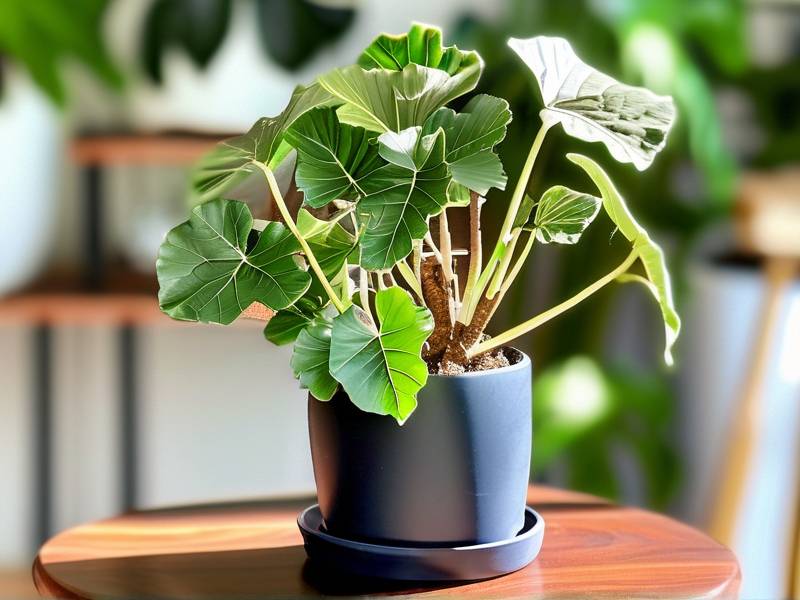
You’ve invested in a stunning, mature Zamioculcas zamiifolia, or ZZ plant. Its glossy, architectural leaves make a bold statement in your space. But lately, you’ve noticed something concerning. The new stems are stretching out, growing longer and more sparse between leaves, rather than maintaining that compact, lush appearance you fell in love with. This frustrating issue, known as leggy growth, is a common cry for help from your large ZZ plant. The primary culprit is almost always incorrect lighting. Mastering how to care for large Zamioculcas zamiifolia with bright indirect light is the single most effective strategy to prevent leggy growth and keep your statement plant thriving for years to come.
Understanding why this happens is the first step toward a solution. In low light, the plant stretches its stems desperately toward any available light source to maximize photosynthesis. This results in weak, elongated growth. Conversely, the right quality and quantity of light encourages sturdy stems and tightly spaced leaflets, preserving the plant's natural, robust form.
Decoding "Bright Indirect Light" for Your Large ZZ Plant
The term "bright indirect light" is ubiquitous in plant care guides, but what does it truly mean for a sizable ZZ plant occupying a specific corner of your home or office?
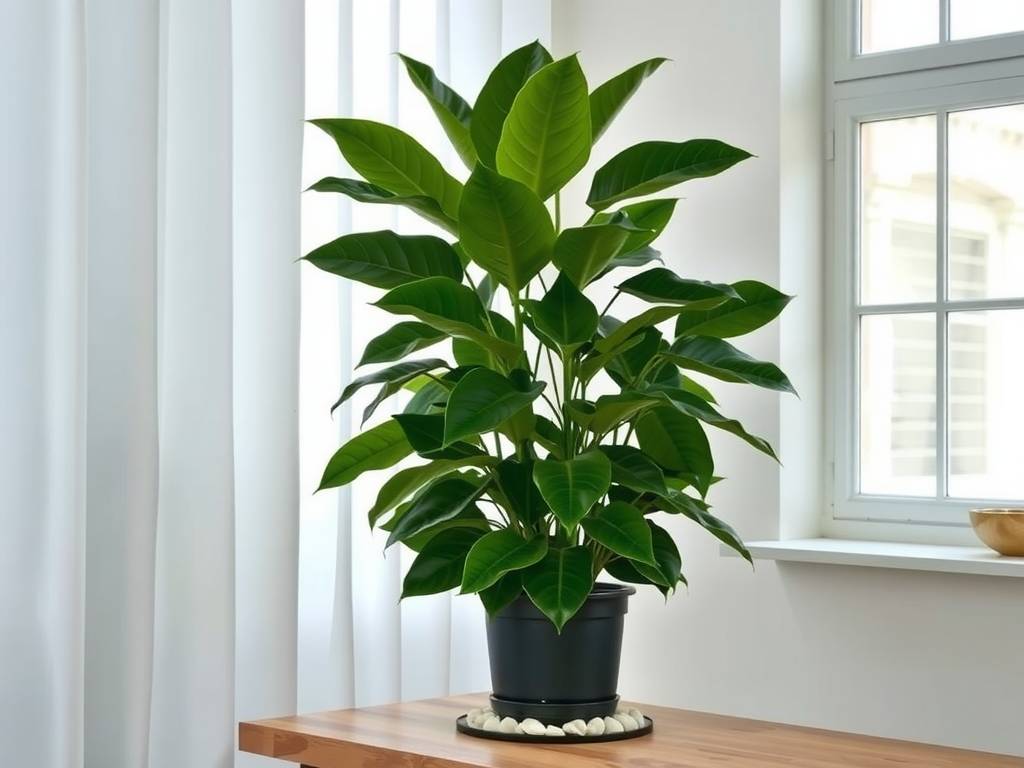
Bright indirect light is illumination that is strong and plentiful, but where the sun's rays never directly hit the plant's leaves. Imagine the light in a room with a large, north-facing window, or several feet back from a sunny south or west window, perhaps filtered through a sheer curtain. A simple shadow test is the best tool: in your chosen spot, your hand should cast a soft-edged, fuzzy shadow, not a sharp, dark one.
For a large ZZ plant, placement is critical. The ideal locations are often east-facing windows, where the plant receives gentle morning sun, or south/west-facing rooms where it sits 5-10 feet back from the window. Avoid deep, dark corners. While ZZ plants are famously tolerant of low light, a mature specimen will gradually exhibit signs of stress like legginess in such conditions. Rotate your plant a quarter turn every time you water to ensure all sides receive even light and promote symmetrical growth.
The Direct Link Between Light and Leggy Growth Prevention
Leggy growth isn't just an aesthetic issue; it's a structural weakness. Long, thin stems are more prone to bending and breaking under the weight of their own leaves. By providing consistent bright indirect light, you directly signal to your ZZ plant that it does not need to expend energy stretching. Instead, it can focus on producing strong, thick stems (technically called rhizomes and petioles) and dense, healthy foliage.
This principle is supported by the science of photomorphogenesis—how plant growth and development are shaped by light. According to insights from the Royal Horticultural Society (RHS), light quality, duration, and intensity all influence internode length (the space between leaves on a stem). Inadequate light causes increased internode elongation as the plant searches for a better light source. Therefore, managing light is a direct intervention to control plant form.
If your plant is already leggy, don't despair. You can correct it. The most effective method is pruning. Using clean, sharp shears, cut the overly long stems back to the soil line. This may seem drastic, but it encourages the plant to redirect energy to its underground rhizomes, which will then push out new, compact growth. Combine this pruning with a move to a brighter, indirect light location. You will not see regrowth on the cut stem, but new shoots will emerge from the soil.
Comprehensive Care Synergy: Water, Soil, and Fertilizer
While light is the star player in preventing legginess, it works in a team. Proper watering, soil, and feeding create the supportive environment that allows your ZZ plant to fully benefit from ideal lighting.
Watering for Stability The golden rule for ZZ plants is "when in doubt, drought." These plants store water in their potato-like rhizomes and thick petioles. Overwatering is a far greater danger than underwatering, especially in lower light conditions where water use is slower. For a large ZZ plant in bright indirect light, water only when the soil is completely dry throughout the pot. This could mean watering every 3-4 weeks in warmer months and even less frequently in winter. Always use a pot with drainage holes and empty the saucer afterward to prevent root rot.
The Right Soil Foundation A well-draining, aerated potting mix is non-negotiable. A standard indoor potting mix amended with 30-40% perlite or coarse sand is perfect. This mix prevents waterlogging around the sensitive rhizomes, ensuring the roots are healthy and able to support the plant's top growth. Repot your large ZZ plant only every 2-3 years, as it actually prefers to be slightly root-bound. Upsizing the pot too much can lead to excess soil holding moisture for too long.
Strategic Fertilization ZZ plants are not heavy feeders. In fact, over-fertilization can harm the roots and cause leaf burn. During the active growing season (spring and summer), feed your plant with a balanced, water-soluble fertilizer (like a 10-10-10 formula) diluted to half-strength, once a month. Do not fertilize in fall and winter when growth naturally slows. The American Horticultural Society (AHS) notes that for foliage plants like ZZ, consistent but mild feeding during growth periods supports steady development without forcing weak, rapid growth that can contribute to a lanky appearance.
Advanced Tips for a Thriving Specimen
Beyond the basics, a few pro-level practices will ensure your large ZZ plant remains a centerpiece.
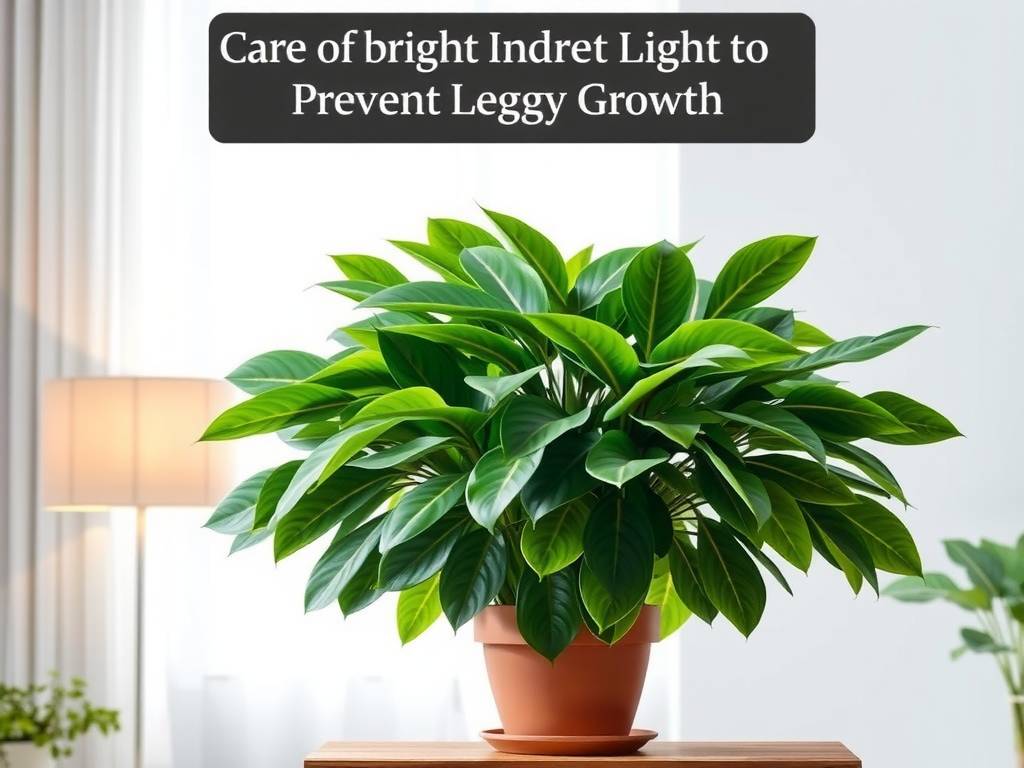
Dusting the Leaves The large, glossy leaves of a mature ZZ plant are dust magnets. A layer of dust blocks precious light. Gently wipe the leaves every few weeks with a soft, damp cloth to maximize their light absorption efficiency. This simple act directly supports the plant's ability to utilize that bright indirect light.
Humidity and Temperature ZZ plants are adaptable to average household humidity. However, if your home is extremely dry, occasional misting or a nearby humidifier can prevent leaf tip browning. Maintain temperatures between 65-75°F (18-24°C). Avoid cold drafts and sudden temperature drops, which can cause stress.
Propagation from Prunings If you’ve pruned a leggy stem, don't throw it away. You can propagate ZZ plants from leaf cuttings. Allow the cut end to callous over for a day, then place it in water or moist soil. While propagation is slow, it’s a rewarding way to create new plants from your corrected specimen.
Is a leggy ZZ plant a sign of it dying? Not at all. Legginess is almost exclusively a sign of insufficient light, not fatal disease. The plant is very much alive and trying to adapt. It is a reversible condition. Correct the lighting, consider pruning, and your plant will respond with healthier new growth.
Can I put my large ZZ plant in direct sun to fix it faster? This is a common but harmful mistake. The intense rays of direct sun, especially through a window, will quickly scorch and yellow the beautiful leaves of a ZZ plant, causing permanent damage. The goal is bright indirect light. Moving it from a dark corner directly to a sunny window is too drastic. Transition it gradually to a brighter spot to avoid shock.
How often should I rotate my large ZZ plant? For even growth and to prevent it from leaning toward the light source, get into the habit of rotating your plant every time you water. This provides all sides with equal exposure over time, promoting a balanced, full shape that looks great from every angle.
Providing your large Zamioculcas zamiifolia with consistent bright indirect light is the cornerstone of preventing weak, elongated growth. This simple yet precise adjustment, combined with mindful watering in well-draining soil and light seasonal feeding, transforms plant care from guesswork into a predictable routine. Your reward will be a magnificent, structural plant that maintains its compact, lush, and glossy appearance—a true testament to the power of understanding and meeting its core needs. Embrace these practices, and your ZZ plant will continue to be a resilient and striking focal point in your interior landscape for many years.