bluename
 How to Care for Large Chamaedorea Elegans - Bright Indirect Light for Cute Form
You’ve brought home a beautiful, full-sized Parlor Palm, its lush, feathery fronds promising to add a serene, tropical vibe to your space. But now, you’re noticing the lower leaves turning yellow, or perhaps the tips are getting crispy and brown. You’re worried you might be slowly killing this elegant, air-purifying plant. The challenge of keeping a large Chamaedorea elegans thriving, especially in achieving that perfect, cute, and compact form, often boils down to one critical, misunderstood factor: light. It’s not just about giving it light; it’s about providing the right kind of light.
This comprehensive guide will walk you through exactly how to care for your large Parlor Palm, with a special focus on mastering bright indirect light to encourage dense, healthy growth and maintain its adorable, bushy appearance.
Understanding Your Large Parlor Palm’s Origins
To care for a plant effectively, it helps to understand where it comes from. Chamaedorea elegans is native to the rainforests of Southern Mexico and Guatemala. In its natural habitat, it grows as an understory plant, meaning it thrives beneath the canopy of taller trees. It is never exposed to the harsh, direct rays of the sun. Instead, it receives dappled, filtered sunlight all day long. This is the golden key to its care: replicating that bright but shielded light environment in your home is the single most important thing you can do for its long-term health and form.
Why Bright Indirect Light is Non-Negotiable for a Cute Form
The phrase “bright indirect light” is more than just a care tag suggestion; it’s the blueprint for a happy Parlor Palm. Direct sunlight, especially through a window, will scorch its delicate leaves, leading to unsightly brown patches and faded, yellowing foliage. On the other hand, a spot that’s too dark will force the plant to become “leggy.” It will stretch awkwardly towards any light source, resulting in wide gaps between fronds (internodal stretching), sparse growth, and a loss of that desirable, full, and cute shape.
Bright indirect light provides the perfect energy balance. It fuels robust photosynthesis, enabling the plant to produce the energy needed to push out new, healthy fronds from the center. This consistent, balanced growth from the core is what creates that characteristic dense, bushy, and adorable form. According to principles often cited by horticultural authorities like the Royal Horticultural Society (RHS), providing optimal light is the foundational step in preventative plant care, reducing stress and minimizing susceptibility to other issues.
Finding the Perfect Spot: A Practical Guide to Bright Indirect Light
So, how do you find this elusive “bright indirect light” in your home? Here’s a simple method.
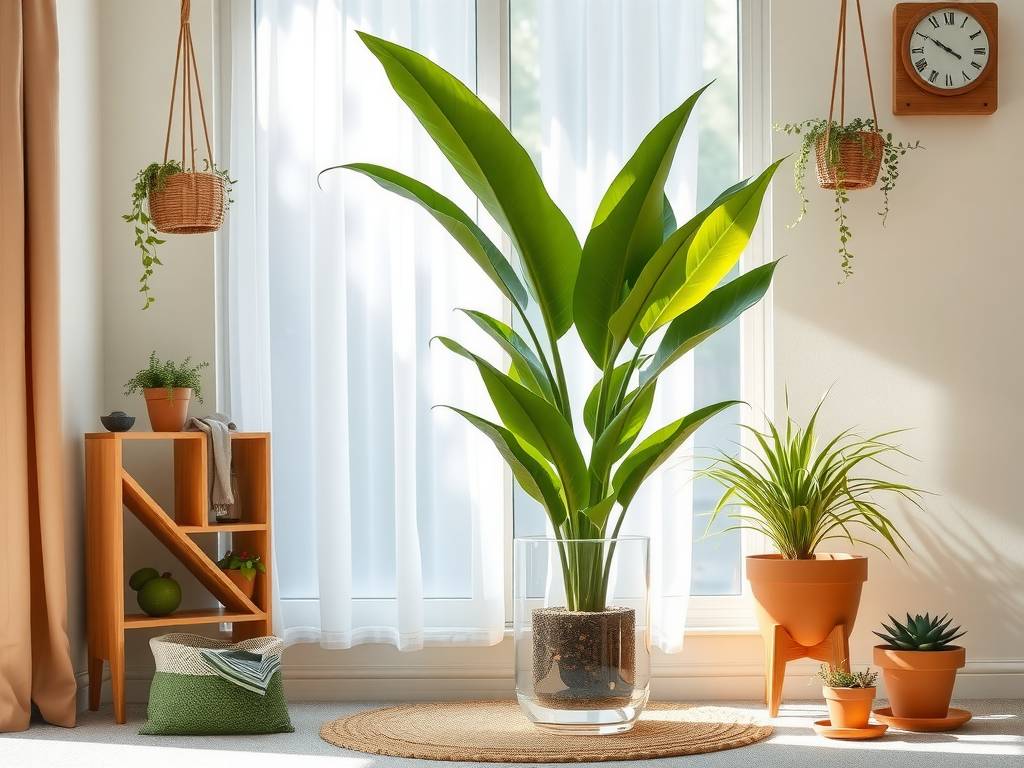
Place your hand between the plant and the window where the sun shines in. If you see a clearly defined, sharp shadow of your hand, that’s direct light. If you see a soft, fuzzy shadow, that’s the ideal bright indirect light. North or East-facing windows are typically excellent candidates. A South or West-facing window can work perfectly if you place the plant several feet back from the window or use a sheer curtain to diffuse the intense rays.
For a large Chamaedorea elegans, rotate the pot a quarter turn every time you water. This ensures all sides receive even light, preventing the plant from leaning and encouraging symmetrical, full growth—key to that cute, rounded form.
The Complete Care Routine Synergized with Light
Light doesn’t work in isolation. It directly influences every other aspect of your care routine.
Watering in Harmony with Light Your watering schedule is intrinsically linked to light exposure. A palm in bright indirect light will use water more efficiently than one in a low-light corner. The goal is to keep the soil consistently moist but never soggy. The American Horticultural Society (AHA) emphasizes the “soak and dry” method as a best practice for many houseplants. Water your large Parlor Palm thoroughly until water runs freely from the drainage holes, then allow the top 1-2 inches of soil to dry out before watering again. In brighter light, this may be once a week; in lower light, it could be every 10-14 days. Always check the soil with your finger first.
Humidity: The Invisible Partner Rainforest natives appreciate humidity. While they are more adaptable than some tropical plants, providing extra humidity will prevent brown leaf tips and keep fronds lush. Grouping plants together, using a pebble tray filled with water, or running a humidifier nearby are all effective strategies. Misting can offer a temporary boost but is less effective for long-term ambient humidity.
Feeding for Lush Growth During the active growing season (spring and summer), feed your large Parlor Palm with a balanced, water-soluble fertilizer diluted to half-strength, once a month. This provides the nutrients needed to support the new growth fueled by your perfect light setup. Refrain from fertilizing in fall and winter when growth naturally slows.
Potting and Soil for Foundation A well-draining potting mix is essential to prevent root rot. A standard potting mix amended with perlite or orchid bark works well. Repot your large Chamaedorea elegans only when it becomes root-bound, typically every 2-3 years. Upsizing only 1-2 inches in pot diameter at a time to avoid excess wet soil.
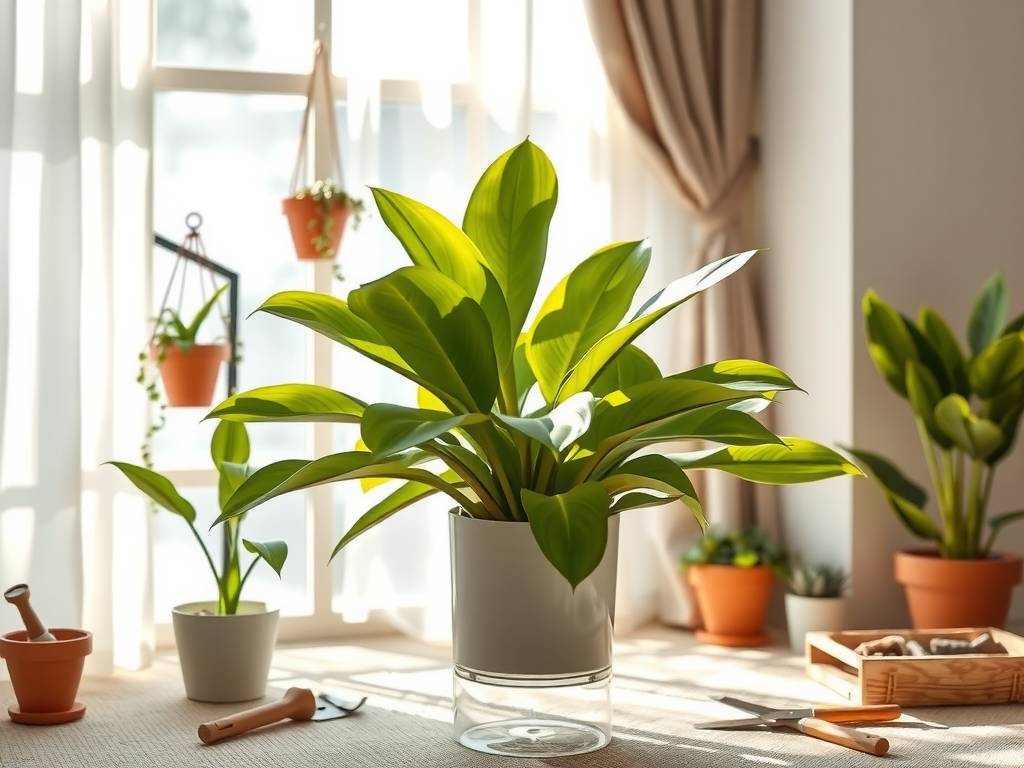
Pruning to Maintain the Cute Shape Regular, light pruning is your tool for direct shape management. Use clean, sharp scissors to remove any yellow or brown fronds at the base. You can also trim off individual browned leaf tips, following the natural shape of the leaf. This directs the plant’s energy back into producing healthy new growth and keeps it looking tidy and intentionally cute.
Troubleshooting Common Issues
- Yellowing Leaves: Often a sign of overwatering, especially in lower light conditions. Check your soil moisture and light levels.
- Brown Leaf Tips: Typically caused by low humidity, underwatering, or a buildup of salts and minerals from tap water. Use filtered or distilled water if possible.
- Pests: Keep an eye out for spider mites or mealybugs. Wiping leaves regularly with a damp cloth helps prevent infestations and also clears dust, allowing the plant to absorb more of that precious indirect light.
Is my large Parlor Palm safe for my pets? Yes! The Chamaedorea elegans is listed as non-toxic to both cats and dogs by the ASPCA, making it a fantastic and safe choice for pet-friendly homes.
How often should I expect new growth on my palm? With proper care, including consistent bright indirect light, you can expect to see new fronds (called “spears”) emerging from the center every 1-2 months during the growing season. Each new frond will slowly unfurl, adding to the plant’s density.
Can I put my large Parlor Palm outside for the summer? You can, but with extreme caution. Place it in a fully shaded, sheltered location—never in direct sun. Acclimate it gradually over a week, and remember to bring it back inside well before nighttime temperatures drop below 55°F (13°C).
Caring for a large Chamaedorea elegans is a rewarding journey. By mastering the art of providing bright indirect light, you are not just preventing problems; you are actively cultivating the conditions for vibrant health. This foundational element, combined with mindful watering and basic maintenance, will ensure your Parlor Palm remains a lush, dense, and undeniably cute focal point in your home for years to come. Its graceful fronds will reward your care by purifying your air and bringing a constant touch of tranquil, green elegance to your space.