bluename
 How to Care for Large Cordyline Fruticosa - Warm Light for Brighter Leaf Color
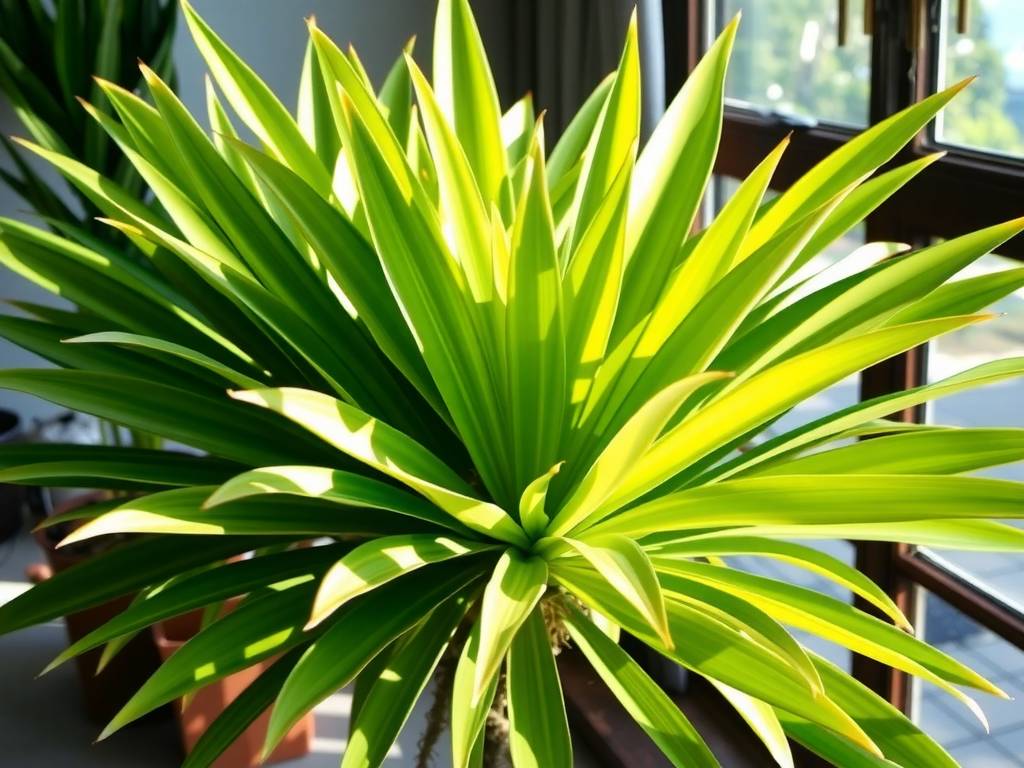
You've invested in a stunning large Cordyline fruticosa, drawn by its promise of dramatic, colorful foliage. Yet, instead of the vibrant reds, purples, or pinks you envisioned, the leaves are looking faded, washed out, or stubbornly green. This is the most common frustration for owners of these tropical beauties. The secret to unlocking that intense, gallery-worthy color isn't just more light—it's the right kind of light. Specifically, warm light plays a surprisingly pivotal role in enhancing the pigment production in your Cordyline, transforming it from a simple houseplant into a living sculpture of color.
This guide will demystify the care for your large Cordyline fruticosa, with a special focus on how light quality, temperature, and overall care intertwine to produce those breathtaking leaves. We'll move beyond basic advice into actionable steps backed by plant physiology.
Understanding Your Large Cordyline Fruticosa
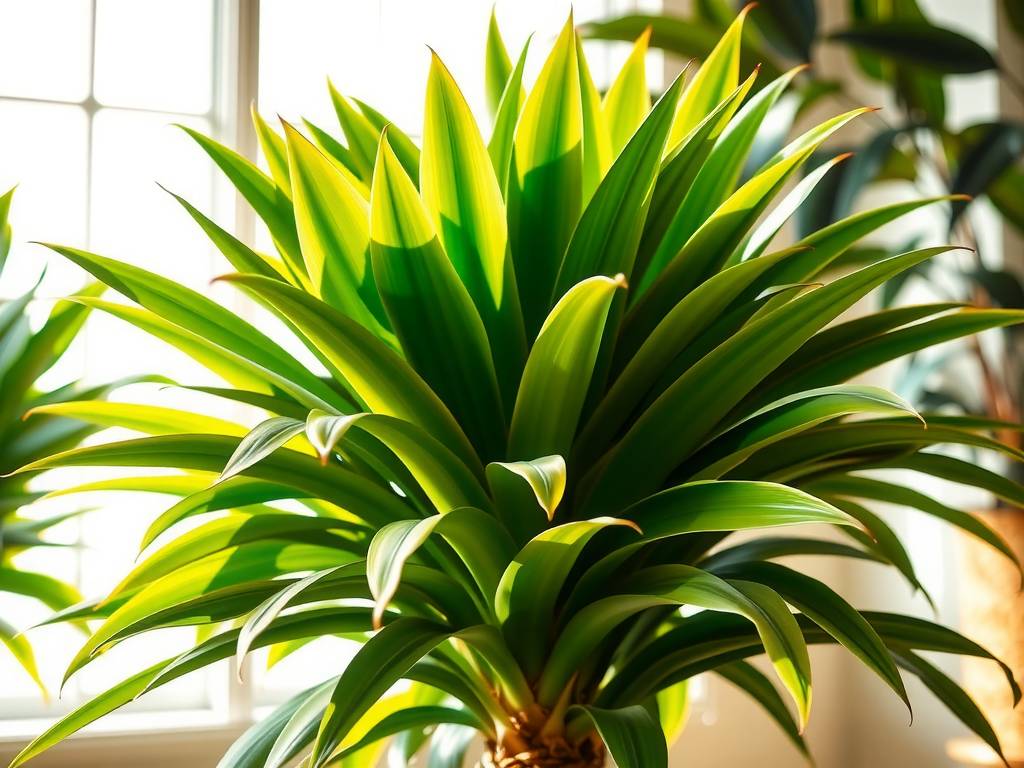
Often called the Ti plant or Hawaiian good-luck plant, Cordyline fruticosa is a tropical evergreen native to Southeast Asia and the Pacific. As a large specimen, it becomes a focal point, with its woody canes topped by clusters of long, leathery leaves. The color variation is immense, from deep burgundy ('Red Sister') to vibrant pink ('Pink Diamond') and tricolor mixes.
These plants are not just passive decor; they are dynamic organisms responding directly to their environment. Leaf color is primarily determined by pigments: chlorophyll (green), carotenoids (yellow/orange), and anthocyanins (red/purple). The intensity of anthocyanins, which create the most sought-after hues in Cordylines, is profoundly influenced by light exposure.
The Science of Light: Warm vs. Cool and Leaf Color
Light isn't just brightness; it's a spectrum. Cool light is richer in blue wavelengths, which promote compact, leafy growth. Warm light contains more red and far-red wavelengths. Here's the crucial part for your Cordyline: research in photomorphogenesis (how plant form is shaped by light) indicates that specific light qualities can stimulate anthocyanin production.
While bright, indirect light is the non-negotiable foundation, the inclusion of warm light—think the golden rays of early morning or late afternoon sun—can act as a catalyst. It signals the plant to enhance its protective pigments. Think of anthocyanins as a plant's sunscreen; under certain light stresses, like strong light containing warm spectra, they are produced in greater quantities to protect leaf tissues, resulting in deeper colors.
This is supported by horticultural practices. Many professional growers use light quality manipulation to intensify colors in ornamental foliage plants. For your home care, this means positioning your plant to receive some gentle, warm sunlight is a strategic move for brighter leaf color.
Optimal Light Conditions for Vibrant Foliage
So, how do you apply this science? The goal is abundant bright, indirect light with a daily dose of gentle warm light.
Ideal Placement: An east-facing window is perfect. It provides several hours of the gentle, warm morning sun, followed by bright indirect light for the rest of the day. A south or west-facing window can work, but you must filter the intense midday sun with a sheer curtain to prevent scorching. The harsh, direct afternoon sun from a west window can bleach and burn leaves, undoing all your efforts.
Signs of Incorrect Light:
- Too Little Light: Leaves become predominantly green as chlorophyll increases to capture scarce light. New growth is sparse, leggy, and the stems may stretch awkwardly. Color variegation fades or disappears.
- Too Much Harsh Light: Leaves show bleached, pale patches or crispy, brown scorch marks. Colors may look washed out instead of enriched. The soil dries excessively fast.
Supplementing with Grow Lights: For homes with low natural light, full-spectrum LED grow lights are excellent. To mimic the "warm light for brighter leaf color" effect, choose a light with a balanced spectrum or one that allows you to adjust the red/blue ratio. Run the lights for 12-14 hours a day to supplement natural daylight.
Comprehensive Care Synergy: It's Not Just Light
Light is the trigger, but overall health is the canvas. A stressed plant cannot produce vibrant color. Follow these pillars of care:
Watering Practices: Consistency is key. Water your large Cordyline fruticosa thoroughly when the top 1-2 inches of soil feel dry. Ensure the pot has excellent drainage. These plants dislike "wet feet," which lead to root rot. Conversely, prolonged drought causes leaf tip browning and stress. Use room-temperature water to avoid shocking the roots.
Soil and Potting Needs: A well-draining, peat-based potting mix is ideal. Amend with perlite or orchid bark for extra aeration. Repot your large Cordyline every 2-3 years in spring to refresh the soil and provide a slightly larger pot if rootbound.
Temperature and Humidity: As tropical plants, they thrive in warmth (65°F-80°F / 18°C-27°C) and moderate to high humidity. Avoid cold drafts and sudden temperature drops. Low humidity, common in heated homes, can cause brown leaf edges. Increase humidity by misting regularly, using a pebble tray, or placing a humidifier nearby. The American Horticultural Society's heat zone map can be a useful reference for understanding your plant's warmth preferences in a broader context.
Feeding for Color: Fertilize during the active growing season (spring and summer) with a balanced, water-soluble fertilizer diluted to half strength. A formula with minor micronutrients can support overall health. Avoid over-fertilizing, especially with high-nitrogen blends, as this can encourage green growth at the expense of colorful anthocyanins. Some experts recommend a slight reduction in feeding in the fall to allow colors to develop as growth slows.
Seasonal Adjustments for Year-Round Color
Your care should adapt with the seasons. In winter, light levels drop. You may need to move your plant closer to a window or introduce a grow light to maintain color. Reduce watering frequency as growth slows, but maintain humidity to combat dry indoor air. In summer, be vigilant about shielding from harsh midday sun. This seasonal attentiveness ensures your Cordyline remains a source of color all year.
Troubleshooting Common Color Problems
- Leaves Turning Green: This is almost always a light issue. Gradually increase the plant's exposure to brighter, indirect light with some warm morning sun.
- Brown, Crispy Leaf Tips: Usually a sign of low humidity or underwatering. Check your watering schedule and boost ambient moisture.
- Yellowing Lower Leaves: It's normal for older leaves to yellow and drop occasionally. If widespread, it could indicate overwatering or poor drainage. Check the soil moisture and root health.
- Pests: Watch for spider mites (especially in dry air) and mealybugs. Wipe leaves with a damp cloth regularly and treat infestations promptly with insecticidal soap or neem oil. A healthy, well-cared-for plant is more resistant to pests.
My Cordyline's new leaves are coming in green. Will they change color? New leaves often emerge green and develop their full color as they mature and are exposed to light. Ensure the plant is getting enough bright, indirect light with some warm exposure. If conditions are correct, the color should deepen over several weeks.
Can I put my large Cordyline outside in the summer? Yes, this can be highly beneficial. Acclimate it gradually over 7-10 days to avoid sunburn. Place it in a shaded or dappled light spot on a patio. The natural increase in light intensity and humidity often boosts color dramatically. Remember to bring it back indoors well before nighttime temperatures drop below 60°F (15°C).
How often should I rotate my plant for even color? Rotate your large Cordyline fruticosa a quarter turn every time you water. This ensures all sides receive even light exposure, promoting symmetrical growth and preventing the plant from leaning toward the light source, which leads to more uniform color development across the entire foliage.
Caring for a large Cordyline fruticosa to achieve its maximum color potential is a rewarding practice that blends art and science. By providing the cornerstone of bright, indirect light enriched with periods of warm light, you directly influence the vibrant anthocyanin pigments. This, combined with consistent watering, appropriate warmth, and balanced feeding, creates the optimal environment for your plant to thrive. Pay attention to its signals—the fading or deepening of color, the condition of its leaf tips—and adjust your care accordingly. With this holistic approach, your Cordyline will reward you with a sustained display of brilliant, colorful foliage that makes it a true standout in your indoor garden.