bluename
 How to Care for Large Dracaena Marginata - Drought Tolerant Care for Easy Survival
You've invested in a stunning, large Dracaena marginata. Its architectural form and vibrant, ribbon-like leaves add a touch of the tropics to your home or office. But now, you're worried. Its size makes it seem complex, and conflicting advice online has you questioning everything. The most common fear? Overwatering. The good news is that with the right approach, caring for a large Dracaena marginata is remarkably straightforward. This guide focuses on drought tolerant care for easy survival, leveraging the plant's natural resilience to help it not just live, but thrive with minimal fuss.
Understanding Your Plant's Nature
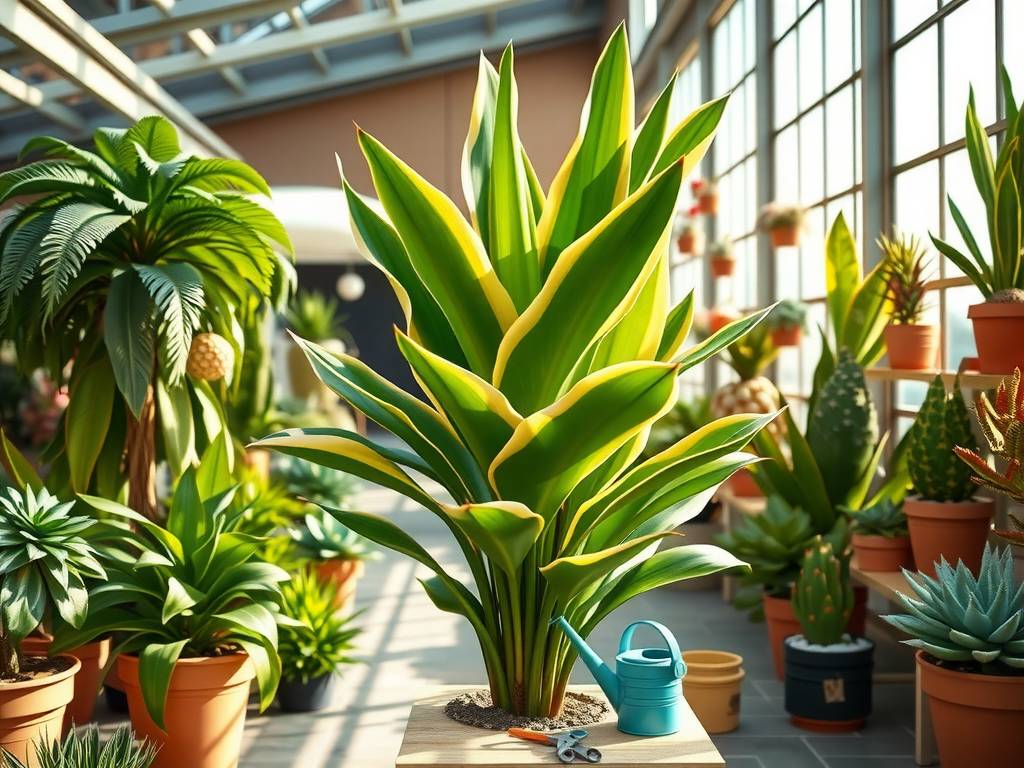
Often called the Madagascar Dragon Tree, the Dracaena marginata is a survivor. In its native habitat, it endures periods of dry soil and bright, indirect light. This evolutionary history is the key to its care. A large, mature plant has developed a substantial root system and water-storing capabilities in its trunk, making it even more tolerant of occasional neglect than a smaller specimen. Embracing its drought-tolerant nature is the first step to success.
The Foundation: Perfecting Your Watering Routine
This is the single most important aspect of Dracaena marginata care. More large Dragon Trees are lost to overwatering than any other cause.
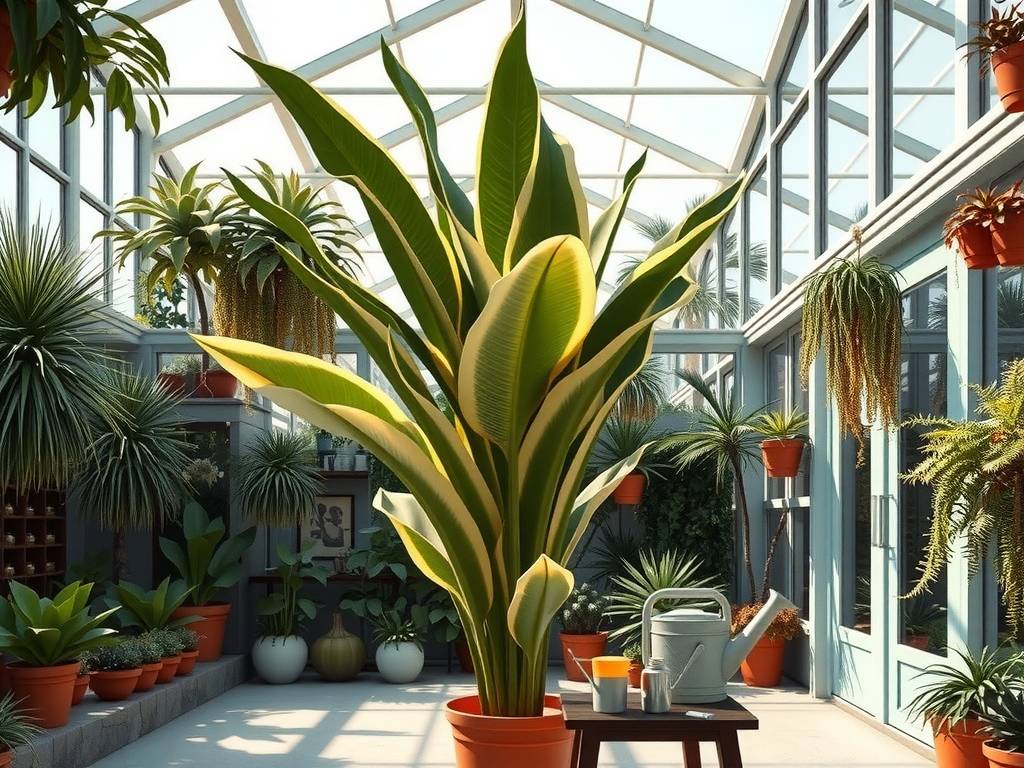
Listen to the Soil Forget the calendar. Your watering schedule should be dictated by the soil's moisture level. For a large plant in a sizable pot, the top few inches of soil can feel dry while the lower root zone remains wet. The best practice is to insert your finger or a moisture meter about 2-3 inches into the soil. Water only when this depth feels completely dry. In most indoor settings with moderate light, this translates to watering every 2-4 weeks, depending on season, pot size, and ambient humidity.
The Thorough Soak and Drain Method When it is time to water, do it properly. Slowly add room-temperature water to the soil until you see it freely running out of the drainage holes at the bottom of the pot. This ensures the entire root ball is hydrated. Crucially, allow all excess water to drain away completely. Never let your large Dracaena sit in a saucer of standing water, as this leads to root rot—a silent killer. According to the Royal Horticultural Society (RHS), "Allow the compost to dry out between waterings," emphasizing that "overwatering is the most common cause of problems."
Seasonal Adjustments Your plant's water needs change with the seasons. During the active growing season (spring and summer), it will use water more quickly. In fall and winter, when growth slows or stops, the soil will take much longer to dry out. Extend the time between waterings significantly during this dormant period. The American Horticultural Society (AHA) notes that reducing water in lower-light winter months is critical for preventing stress and disease in houseplants.
Ideal Light Conditions for Robust Growth
While drought-tolerant, light is the engine of your plant's health. Large Dracaena marginata plants prefer bright, indirect light. A spot near an east or west-facing window, filtered by a sheer curtain, is ideal. It can adapt to medium light levels, but growth will be slower. Direct, harsh afternoon sun can scorch its leaves, causing brown, crispy spots. If your only option is a south-facing window, position the plant a few feet back. Its tolerance for lower light makes it a versatile choice, but for the best color and growth, aim for brighter conditions.
Choosing Soil and Pot for Stability and Health
The right container and medium are vital for supporting a large plant and enabling its drought tolerant survival.
Soil Mix Essentials A well-draining, loose potting mix is non-negotiable. A standard all-purpose potting soil can be too moisture-retentive on its own. Improve drainage by mixing in one-third perlite or coarse sand. This creates air pockets, prevents compaction, and allows water to flow through quickly, mimicking the well-drained conditions the roots crave.
Pot Selection and Repotting A heavy, stable pot like ceramic or terracotta is excellent for top-heavy large Dracaenas, preventing tipping. Ensure it has ample drainage holes. Repotting is rarely needed frequently; these plants actually prefer to be slightly root-bound. Repot every 2-3 years, or when roots visibly circle the bottom of the pot or grow out of the drainage holes. Only move up one pot size (1-2 inches larger in diameter) to avoid surrounding a small root ball with a large volume of wet soil.
Managing Temperature and Humidity
Dracaena marginata thrives in average household temperatures between 65°F and 80°F (18°C - 27°C). Protect it from cold drafts near doors, windows, or air conditioning vents, as temperatures below 55°F (13°C) can cause damage. While it tolerates average indoor humidity, the leaf tips may brown in very dry air (common in winter). To increase humidity, you can group plants together, use a pebble tray with water, or occasionally mist the leaves. However, its drought-tolerant nature means low humidity is rarely a fatal issue.
Feeding Your Large Dragon Tree
Fertilizing is simple. During the growing season (spring and summer), feed monthly with a balanced, water-soluble houseplant fertilizer diluted to half-strength. Do not fertilize in fall and winter when the plant is not actively growing. Over-fertilizing can lead to salt buildup in the soil, which can harm the roots and cause leaf burn. When in doubt, less is more. A light annual feeding is often sufficient for a large, established plant.
Pruning and Maintenance for Form and Health
Removing Brown Leaves It's normal for the lower, older leaves on your large Dracaena to gradually yellow and then turn brown as the plant grows taller. Simply snip these off close to the trunk with clean scissors or pruning shears. This keeps the plant looking tidy.
Controlling Height and Encouraging Branching If your plant becomes too tall or leggy, you can prune it. Cut the main cane (trunk) to your desired height. Make a clean cut. This will typically encourage one or more new leafy growth points (called "heads") to sprout just below the cut, creating a bushier appearance. You can also propagate the cut-off top as a new plant.
Troubleshooting Common Issues
Brown Leaf Tips: This is most often caused by fluoride or salts in tap water, over-fertilization, or sporadic underwatering. Use distilled, filtered, or rainwater if possible. Flush the soil periodically by running water through it for a few minutes to leach out excess salts. Yellowing Leaves: The most common cause is overwatering and soggy soil. Check your watering habits and ensure proper drainage. Sudden yellowing can also indicate a cold draft. Leaf Drop: Some lower leaf loss is normal. Significant leaf drop is usually a sign of stress from overwatering, a drastic temperature change, or extreme low light. Pests: While generally pest-resistant, large Dracaenas can occasionally attract spider mites in dry conditions or scale insects. Wipe leaves with a damp cloth regularly to deter pests. For infestations, treat with insecticidal soap or neem oil.
Frequently Asked Questions
Why are the leaves on my large Dracaena marginata turning pale or losing their red edges? This is almost always a light issue. The vibrant red margins and deep green color develop best in bright, indirect light. If your plant is in a low-light area, the leaves will become a paler green and the red may fade. Gradually move it to a brighter location to restore the rich coloration.
Can I put my large Dracaena outside for the summer? Yes, with caution. Acclimate it slowly to outdoor conditions over a week, starting in full shade. It can then enjoy a spot with dappled shade or morning sun only. Never place it in direct, hot afternoon sun. Bring it back indoors well before nighttime temperatures drop below 60°F (15°C). The outdoor environment with better airflow and light often leads to a burst of growth.
How do I clean the dust off the leaves of such a large plant? Dust blocks light and hampers the plant's ability to photosynthesize. For a large specimen, use a soft, slightly damp microfiber cloth to gently wipe each leaf, supporting it from underneath with your hand. For a less labor-intensive method, you can place the plant in the shower and use a gentle, lukewarm spray to rinse the leaves. Allow it to drain thoroughly before returning it to its spot.
Caring for a large Dracaena marginata successfully hinges on understanding and working with its inherent drought-tolerant characteristics. By mastering a "less is more" watering approach, providing the right light, and using a well-draining soil mix, you create an environment where this architectural plant can prosper with minimal intervention. Its resilience and striking appearance make it a long-lasting and rewarding companion, proving that the most impressive plants are often the easiest to keep.