bluename
 How to Care for Large Dracaena Draco - Shade Tolerant Care to Prevent Yellow Leaves
You've invested in a stunning, large Dracaena Draco, drawn to its sculptural form and air-purifying qualities. Yet, instead of the lush, blue-green canopy you envisioned, you're now facing the disheartening sight of yellowing leaves. This common frustration often stems from a mismatch between the plant's needs and its care, particularly regarding light and moisture. This comprehensive guide is dedicated to solving that exact problem. We will delve into effective, shade tolerant care strategies specifically for your large Dracaena Draco to stop yellow leaves and restore its vibrant health.
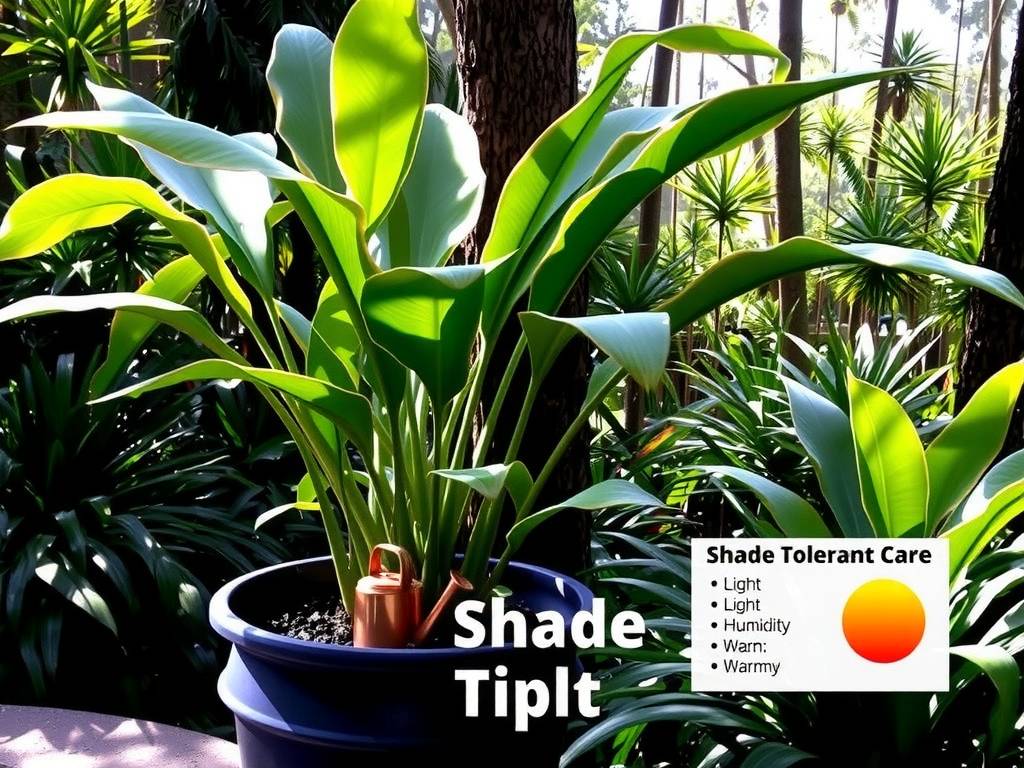
Understanding Your Large Dracaena Draco
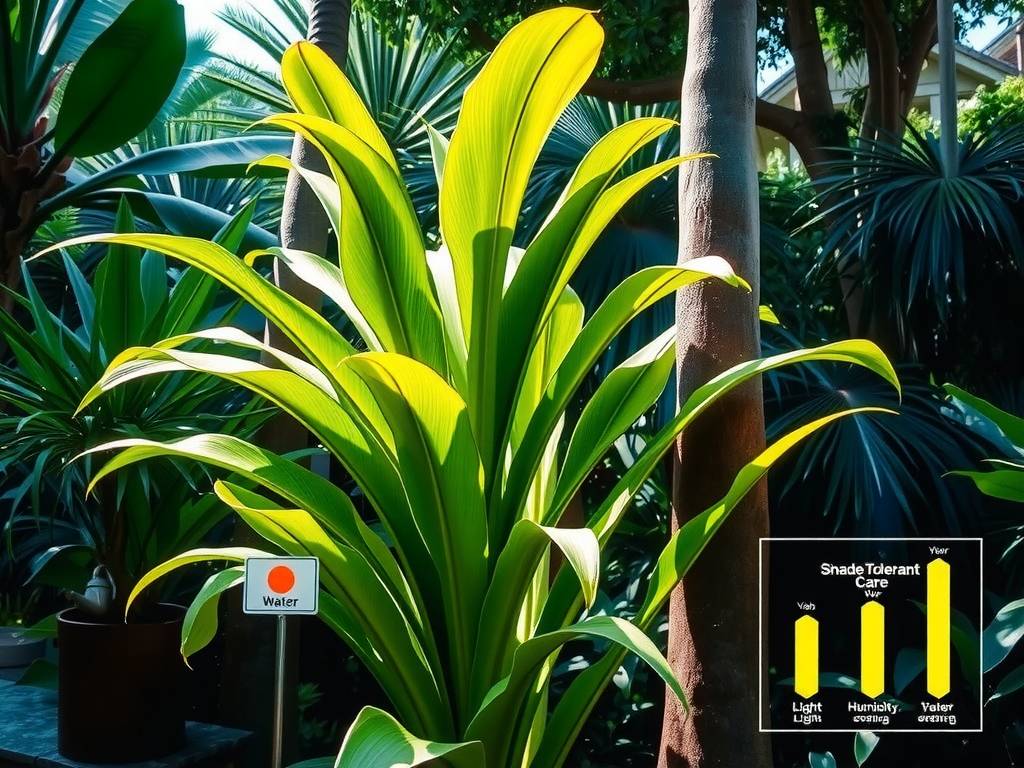
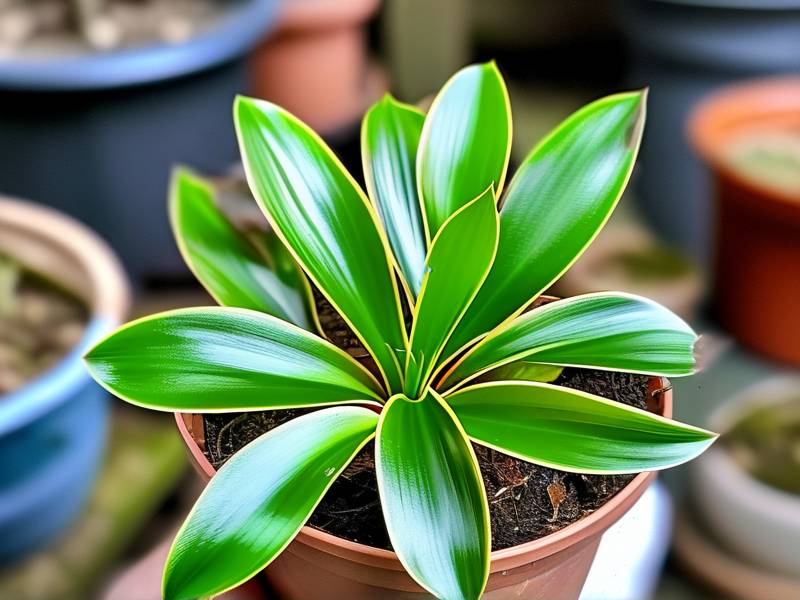
Often called the Dragon Tree, the Dracaena Draco is a resilient, slow-growing succulent tree native to subtropical regions. Its tolerance for lower light conditions is one of its most celebrated attributes, making it a popular choice for indoor spaces. However, "tolerant" does not mean "prefers deep shade." This distinction is crucial. When we discuss shade tolerant care for Dracaena Draco, we're referring to its ability to survive in indirect light, not thrive in darkness. A large specimen has different requirements than a small one; it has a more extensive root system and greater biomass, influencing its water and nutrient uptake.
The Primary Cause of Yellow Leaves: Overwatering in Low Light
The single most frequent mistake leading to yellow leaves on a Dracaena Draco is overwatering, a risk that significantly increases in shadier conditions. In low light, the plant's photosynthesis and metabolic processes slow down, meaning it uses water much more slowly. Consistently wet soil suffocates the roots, preventing them from absorbing oxygen and nutrients. This root stress manifests directly in the foliage as yellowing, often starting with the lower, older leaves before progressing upwards.
Mastering Shade Tolerant Watering Practices
Perfecting your watering technique is the cornerstone of preventing yellow leaves. The goal is to mimic the natural dry cycles the plant would experience in its native habitat.
Forget the Calendar Never water on a fixed schedule. The need for water depends on light exposure, temperature, humidity, and pot size. A large Dracaena Draco in a shady corner might only need water every 4-6 weeks, especially in winter.
The Finger Test is Your Best Tool Always check the soil moisture before watering. Insert your finger at least 2-3 inches into the potting mix. For large pots, a moisture meter can be more accurate for reading the root zone's condition. Water thoroughly only when the top 50-75% of the soil is completely dry.
Ensure Proper Drainage This is non-negotiable. Your pot must have ample drainage holes. Use a well-draining, chunky potting mix. Many experts, including those contributing to the Royal Horticultural Society (RHS) advice pages, recommend adding perlite, coarse sand, or orchid bark to a standard potting soil to increase aeration and prevent compaction around the roots.
Optimizing Light for Health, Not Just Survival
While tolerant, your Dragon Tree still needs the right quality of light to maintain its color and compact growth.
Ideal Light Conditions Bright, indirect light is ideal. This means a spot near an east or north-facing window, or several feet back from a south or west-facing window with a sheer curtain. The plant should receive ambient light for most of the day without any direct, hot sunbeams scorching its leaves.
Signs of Insufficient Light If your plant is stretching with abnormally long spaces between leaves (etiolation), developing smaller new leaves, or losing its rich coloration, it needs more light. Slow growth is expected, but halted growth combined with yellowing can signal a light issue.
Supplementing with Grow Lights In very dark rooms, consider using a full-spectrum LED grow light. Position it above the plant and run it for 10-12 hours a day. This provides the energy needed for photosynthesis without the risk of sunburn, effectively supporting shade tolerant care.
Essential Care Pillars Beyond Water and Light
A holistic approach ensures your plant thrives. The American Horticultural Society (AHS) emphasizes that plant health is an interplay of all environmental factors.
Soil and Potting Repot your large Dracaena Draco only every 3-4 years, as it prefers to be slightly root-bound. When you do repot, choose a container only 1-2 inches larger in diameter. Use the well-draining mix described earlier to promote a healthy root environment.
Temperature and Humidity Maintain room temperatures between 65°F and 80°F (18°C - 27°C). Protect it from cold drafts and sudden temperature drops. Average household humidity is generally acceptable, but if leaf tips brown, occasional misting or a nearby humidifier can help.
Feeding Your Plant Fertilize sparingly. During the active growing season (spring and summer), use a balanced, water-soluble fertilizer diluted to half-strength, applied only once a month. Do not fertilize in autumn and winter when growth has slowed. Over-fertilization can cause salt buildup in the soil, contributing to leaf burn and yellowing.
Troubleshooting Other Causes of Yellow Leaves
If you've corrected watering and light, consider these less common culprits.
Natural Aging It is normal for the occasional lower, older leaf on a large Dracaena Draco to turn yellow and fall off as the plant directs energy to new growth. This is a slow, isolated process.
Pests Check the undersides of leaves and stems for signs of spider mites or scale. These sap-sucking pests can cause stippling and yellowing. Wipe leaves with a damp cloth regularly and treat infestations with insecticidal soap or neem oil.
Water Quality Dracaenas are sensitive to fluoride and salts found in tap water. This sensitivity often appears as yellow or brown leaf tips and margins. Using filtered, distilled, or rainwater for watering can prevent this issue.
My large Dragon Tree has several yellow leaves. What should I do first? First, stop watering immediately and check the soil moisture deeply. If it's soggy, you may be overwatering. Prune the severely yellowed leaves with clean shears—they will not recover. Then, adjust your watering routine to allow the soil to dry out more thoroughly between sessions and reassess its light exposure.
Can I put my shade-tolerant Dracaena Draco in direct sun to help it recover? No, this is likely to cause more damage. Moving a plant from low light to direct sun will shock it, leading to sunburn (bleached or brown scorched patches). Instead, gradually move it to a location with brighter indirect light over a week or two to allow it to acclimate.
How often should I fertilize my plant to prevent nutrient-related yellowing? Less is more. For a large Dracaena Draco in a shade tolerant setting, fertilizing once a month at half-strength during spring and summer is sufficient. Yellowing from over-fertilization is common; if you suspect this, flush the soil with plenty of water to leach out excess salts and pause feeding for several months.
Caring for a large Dracaena Draco successfully hinges on understanding its unique needs as a shade-tolerant succulent. The key to preventing yellow leaves lies in mastering the balance between light and water—watering deeply but infrequently, only when the soil is dry, and providing ample bright, indirect light. By creating an environment with well-draining soil, stable temperatures, and minimal, appropriate feeding, you support the plant's natural resilience. With patience and observation, your Dragon Tree will reward you with years of striking, architectural beauty and robust health, proving that even the most dramatic indoor trees can flourish with informed, attentive care.