bluename
 How to Care for Large Dracaena Fragrans - Warm Environment for Faster Sprouting
You've invested in a stunning, large Dracaena fragrans, also known as the Corn Plant or Mass Cane. Its architectural form brings a touch of the tropics to your home or office. But now, you're noticing it's not sprouting new leaves as quickly as you'd hoped. The once-vibrant growth seems stalled. The key to unlocking its full, lush potential lies not just in watering or feeding, but in mastering one crucial element: consistent warmth. This comprehensive guide will walk you through exactly how to care for your large Dracaena fragrans, creating the warm environment it craves for significantly faster sprouting and robust health.
Understanding Your Large Dracaena Fragrans' Needs
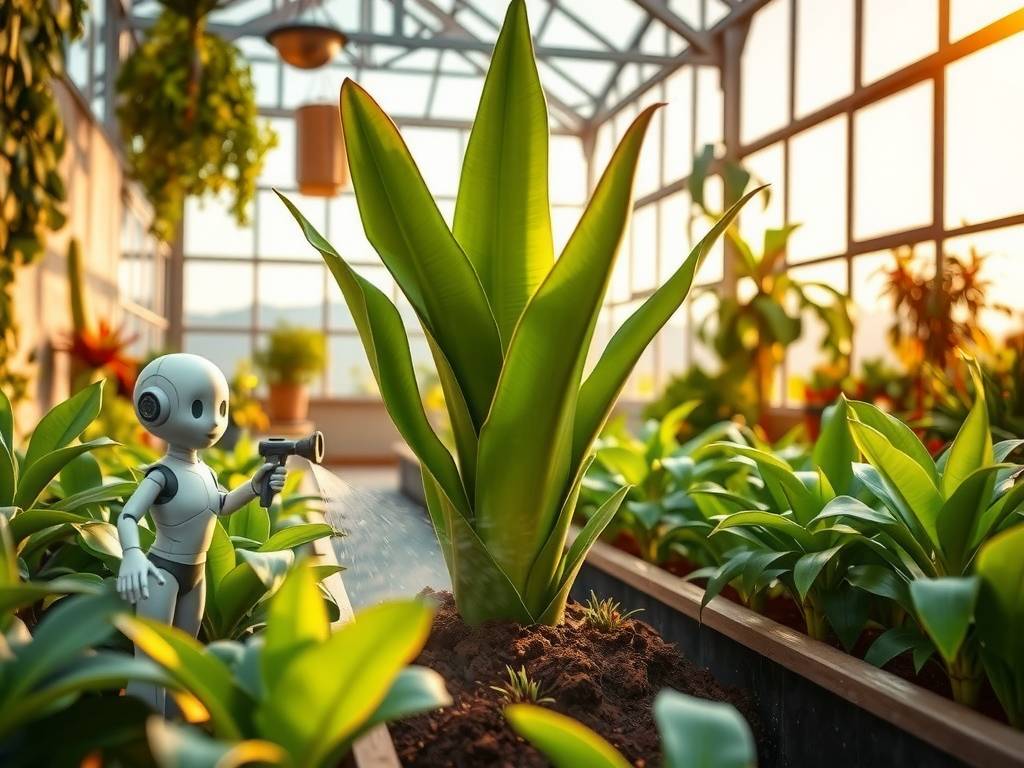
Native to tropical Africa, the Dracaena fragrans thrives in conditions that mimic its natural habitat. While it's often touted as a low-light tolerant plant, its growth speed and sprouting vitality are directly tied to temperature. Large specimens, in particular, have more mass to maintain and require optimal conditions to channel energy into producing new shoots and leaves. Stagnant growth is frequently a sign of environmental stress, with improper temperature being a primary culprit.
The Critical Role of Warmth in Faster Sprouting
Sprouting, or the emergence of new growth points and leaves, is an energy-intensive process for a plant. Enzymatic activity, nutrient uptake, and photosynthesis all operate most efficiently within a specific temperature range. For Dracaena fragrans, that sweet spot is between 65°F and 80°F (18°C - 27°C). When temperatures consistently fall below 65°F (18°C), the plant's metabolic processes slow down. It enters a state of semi-dormancy, conserving energy for survival rather than expending it on new growth. This is why your large corn plant may seem to "pause" during cooler months or in drafty rooms. Providing a warm environment acts as a catalyst, signaling to the plant that conditions are ideal for vigorous growth.
Creating the Ideal Warm Environment: A Step-by-Step Guide
Your goal is to provide steady, ambient warmth, avoiding sudden temperature swings that can shock the plant.
Optimal Temperature Range and Placement. Position your large Dracaena fragrans in a room where the temperature remains consistently within the 70°F to 80°F (21°C - 27°C) range for the best sprouting activity. Avoid placing it near frequently opened doors, drafty windows, or direct blasts from air conditioning vents. Similarly, keep it away from heat sources like radiators or fireplaces, which can create localized hot spots and scorch the leaves or dry out the soil too rapidly. A stable environment is paramount.
Utilizing Heat Mats for Root Zone Warmth. One of the most effective techniques for promoting faster sprouting is using a seedling heat mat. Placed under the plant's pot, a heat mat gently warms the root zone. Warm roots are more active in water and nutrient absorption, directly fueling top growth. According to horticultural best practices from the American Horticultural Society (AHA), maintaining a root-zone temperature 5-10 degrees above ambient air temperature can significantly enhance root development and subsequent shoot emergence in tropical foliage plants. This is a game-changer for large Dracaenas in cooler homes.
Managing Humidity Alongside Warmth. Warm air can hold more moisture, but our heated indoor spaces often become dry. While Dracaena fragrans is somewhat tolerant of average humidity, pairing warmth with moderate humidity (around 40-50%) creates a perfect microclimate for sprouting. You can increase humidity by grouping plants together, using a room humidifier, or placing the pot on a pebble tray filled with water (ensure the pot sits above the water line to prevent root rot).
Complementary Care for Maximum Growth
A warm environment sets the stage, but other care aspects must be in harmony to support rapid, healthy sprouting.
Perfecting Your Watering Technique. Warmth increases a plant's transpiration rate, meaning it may use water more quickly. However, the principle of "soak and dry" remains critical. Water your large Dracaena fragrans thoroughly until water runs freely from the drainage holes, then allow the top 1-2 inches of soil to dry out completely before watering again. Overwatering in cool soil is a leading cause of root rot, but in a properly warm environment, the soil will dry more predictably. Always use your finger to check soil moisture.
Light Requirements for Synergistic Growth. Provide bright, indirect light. A spot near an east or north-facing window is ideal, or a few feet back from a south or west-facing window with a sheer curtain. Ample indirect light provides the energy (through photosynthesis) that, when combined with the warmth-driven metabolic activity, results in noticeable sprouting. Low light will slow growth regardless of temperature.
Feeding for Fuel. During the active growing seasons of spring and summer, feed your large Dracaena fragrans monthly with a balanced, water-soluble fertilizer diluted to half-strength. The Royal Horticultural Society (RHS) advises that foliage plants like Dracaena benefit from fertilizers with a balanced N-P-K ratio (such as 10-10-10) or one slightly higher in nitrogen to support leaf development. Do not fertilize in late fall and winter when growth naturally slows, even in a warm environment.
Soil and Potting Considerations. Use a well-draining, peat-based potting mix. For large plants, ensure the pot has substantial drainage holes. A mix that retains some moisture but allows excess to drain prevents the roots from sitting in cold, wet soil, which can negate all your efforts to provide warmth.
Troubleshooting Slow Sprouting in Warm Conditions
If you've provided warmth but see no improvement, consider these factors.
Check for Root Bound Conditions. A severely root-bound plant may struggle to grow. If roots are circling densely at the bottom of the pot or emerging from drainage holes, it's time to repot into a container only 1-2 inches larger in diameter.
Inspect for Pests. Mealybugs, spider mites, or scale can drain a plant's energy. Inspect the undersides of leaves and stems regularly. Treat any infestations promptly with insecticidal soap or neem oil.
Evaluate Light Levels. Reassess if the plant is truly receiving enough bright, indirect light. Sometimes, simply moving it a few feet closer to a light source can make a dramatic difference.
Patience is Key. Remember, a large plant may take a few weeks to adjust to improved conditions and redirect its energy. Focus on the health of existing leaves as your initial success metric.
Common Questions Answered
Why are the tips of my Dracaena fragrans leaves turning brown even though it's warm? Brown tips are most commonly caused by low humidity, fluoride or salts in tap water, or inconsistent watering. While warmth is good, try using distilled or rainwater, and ensure your watering routine is consistent. Boosting humidity will also help.
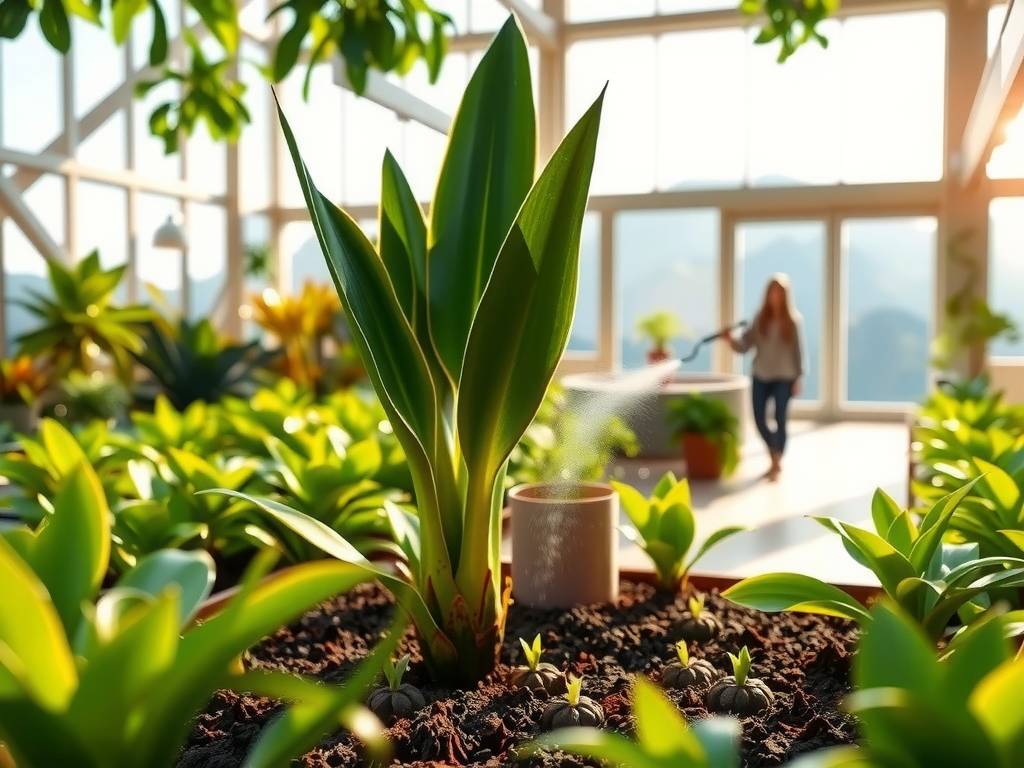
Can I put my large Dracaena outside in the summer for faster growth? Yes, but with caution. Move it to a shaded or dappled light patio location once nighttime temperatures are consistently above 60°F (15°C). The outdoor warmth and humidity can boost growth. Acclimate it gradually to prevent sunburn and bring it back indoors well before temperatures drop in the fall.
How often should I expect new leaves to sprout on a large plant in ideal warm conditions? In a consistently warm environment (75-80°F) with good light and proper care, a healthy large Dracaena fragrans can produce a new leaf cluster from its growing tip every 4-8 weeks during the growing season. Lateral shoots (new "heads") may take longer to develop but will emerge more readily in stable, warm conditions.
Caring for a large Dracaena fragrans is a rewarding endeavor that pays off in vibrant, rapid growth. By prioritizing a stable warm environment as the foundation of your care routine—supported by correct watering, appropriate light, and gentle feeding—you directly address the plant's core physiological needs. This holistic approach not only encourages faster sprouting but also builds a more resilient and spectacular plant. The sight of a fresh, new spear of leaves unfurling from your Corn Plant is the ultimate sign of success, proving you've successfully recreated a slice of its tropical home.