bluename
 How to Care for Large Dracaena 'Massangeana' - Bright Indirect Light for Longer Leaves
You've invested in a stunning, large Dracaena 'Massangeana', also known as the Corn Plant, with its graceful, arching canes and vibrant, yellow-striped leaves. It brings a touch of the tropics to your living room or office. But now, you're noticing its magnificent leaves aren't as long or lush as they once were. Perhaps new growth seems stunted, or the lower leaves are yellowing and dropping. The frustration is real—you want this statement plant to thrive, not just survive. The secret to unlocking its full potential, encouraging those long, elegant leaves, lies in mastering one crucial element: bright indirect light. This comprehensive guide will walk you through exactly how to provide the optimal care, with a special focus on lighting, to ensure your large Dracaena 'Massangeana' grows longer, healthier leaves.
Understanding Your Dracaena 'Massangeana'
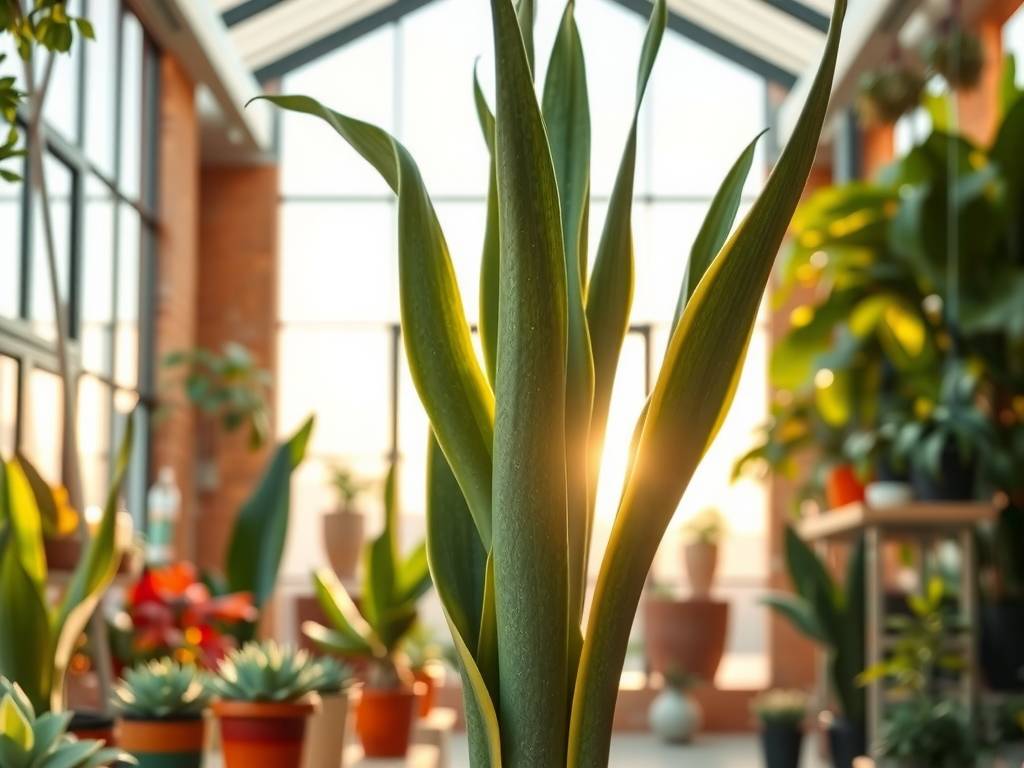
Native to tropical Africa, the Dracaena fragrans 'Massangeana' is adapted to grow under the canopy of taller trees. This is the key to understanding its light needs. In its natural habitat, it receives dappled sunlight—bright but never the harsh, direct rays of the midday sun. When we replicate these conditions indoors, we call it bright indirect light. For a large specimen, getting this right is non-negotiable for sustaining leaf size and plant vigor. According to horticultural principles outlined by organizations like the American Horticultural Society (AHS), light is the primary driver of photosynthesis, the process that fuels all growth. Insufficient light leads to a weak plant straining for energy, resulting in shorter distances between leaf nodes (the points on the stem where leaves grow), smaller leaves, and loss of the characteristic variegation.
The Golden Rule: Providing Bright Indirect Light
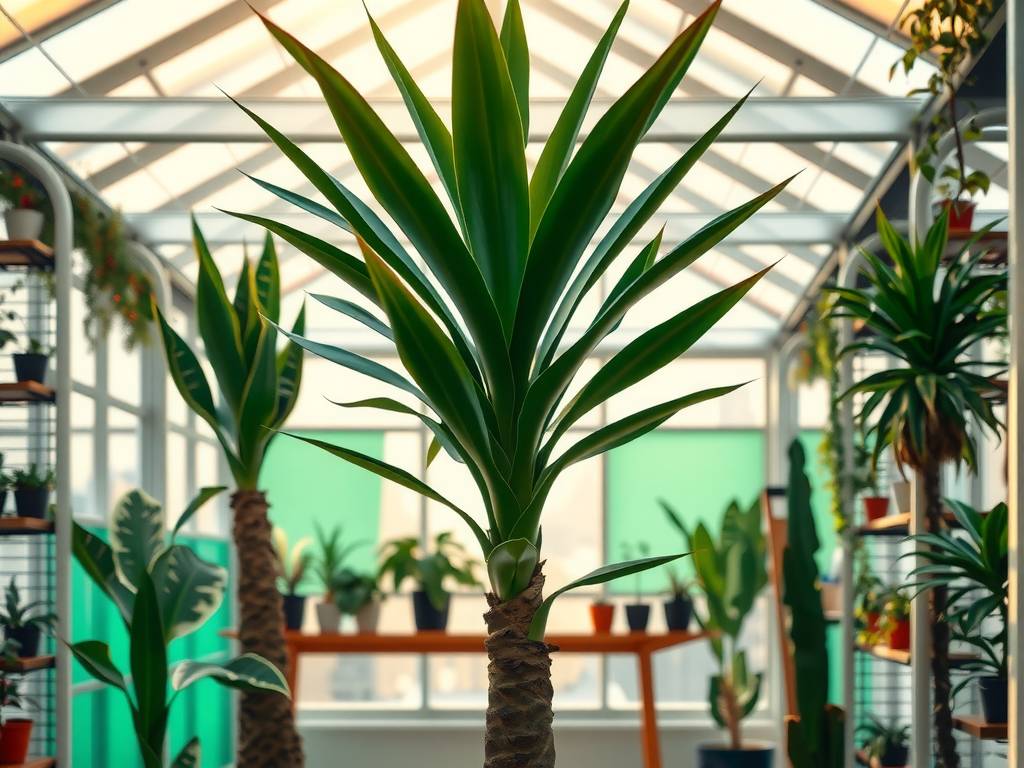
So, what exactly is "bright indirect light," and how do you achieve it for your large floor plant? It's light that is bright enough to cast a soft, fuzzy shadow, but not a sharp, defined one. Your plant should not be in the direct path of the sun's beams for more than perhaps an hour in the early morning or late afternoon.
- Ideal Placement: The best spots are typically near east or north-facing windows. A south or west-facing window can work brilliantly if you place the plant several feet back from the glass or use a sheer curtain to diffuse the intense light. For a large plant, positioning it in a bright corner of a room with a large window is often perfect.
- Signs of Incorrect Lighting:
- Too Little Light: Growth slows dramatically or stops. New leaves are smaller and narrower, and the space between leaves becomes elongated as the plant "stretches" towards the light (a condition called etiolation). The vibrant yellow center stripe on the 'Massangeana' may fade to a pale green.
- Too Much Direct Sun: The leaves will develop scorch marks—bleached, dry, brown patches or tips. The foliage may also look faded or washed out. Chronic overexposure stresses the plant, making it susceptible to other problems.
A study on interior plant physiology reinforces that Dracaena plants grown in bright filtered light consistently produce broader and longer leaves compared to those in low-light conditions, as they can maximize photosynthetic efficiency without cellular damage from UV radiation.
A Complete Care Regimen for Longer Leaves
While light is the star, it works in concert with other care factors. Here’s how to support your plant’s quest for longer leaves.
Watering Wisely: The "Soak and Dry" Method Overwatering is the fastest way to harm a Dracaena. These plants are drought-tolerant and prefer to dry out between waterings. For your large 'Massangeana', insert your finger 2-3 inches into the soil. If it feels dry, it's time to water. Thoroughly soak the soil until water runs freely from the drainage holes, then let all excess water drain away completely. Never let the plant sit in a saucer of water. In bright indirect light conditions, watering may be needed every 1-2 weeks, but always let the soil condition, not the calendar, be your guide. Soggy soil leads to root rot, which will cause leaf loss from the bottom up.
Soil and Potting: The Foundation of Health Use a well-draining, peaty potting mix. A standard indoor plant mix amended with some perlite or orchid bark is ideal. Ensure your pot has ample drainage holes. A large Dracaena may only need repotting every 2-3 years; choose a new pot only 1-2 inches wider in diameter to prevent excess wet soil.
Fertilizing for Growth Feed your plant during the active growing season (spring and summer). Use a balanced, water-soluble fertilizer (like a 10-10-10) diluted to half-strength, once a month. Do not fertilize in fall and winter when growth naturally slows. Proper fertilization provides the essential nutrients for developing those long, new leaves.
Humidity and Temperature Dracaenas appreciate moderate humidity but are adaptable. If your home is very dry, grouping plants together or using a humidifier can help prevent brown leaf tips. Maintain average room temperatures between 65°F and 80°F (18°C - 27°C), and avoid cold drafts or sudden temperature changes.
Pruning and Cleaning To encourage a bushier appearance and new growth, you can prune back any leggy canes. Use clean, sharp shears and cut just above a leaf node. New shoots will emerge from just below the cut. Regularly wipe the long leaves with a damp cloth to remove dust, which can block light absorption and hinder the plant's ability to create energy for growth.
Troubleshooting Common Leaf Problems
- Brown Leaf Tips: Usually a sign of low humidity, fluoride in tap water, or a buildup of salts from fertilizer. Use distilled, filtered, or rainwater if possible. Flush the soil every few months by running water through it for several minutes to leach out salts.
- Yellowing Lower Leaves: It's normal for a few lower, older leaves to yellow and drop occasionally as the plant grows. However, widespread yellowing often points to overwatering. Check your soil moisture habits immediately.
- No New Growth: This is typically a combined signal of insufficient light and/or a need for fertilizer during the growing season. Reassess your plant's light exposure for healthy Dracaena growth.
Why are the leaves on my large Dracaena losing their yellow stripe? This is almost always due to insufficient light. The variegation, or yellow stripe, requires adequate bright indirect sunlight to remain vibrant. Move your plant to a brighter location (without direct sun), and new growth should regain its colorful markings.
Can I put my large Corn Plant outside for the summer? Yes, with great care. Acclimate it gradually over 7-10 days to avoid shock. Place it in a fully shaded or deeply dappled shade spot—never in direct sun, which will scorch the leaves. Bring it back inside well before nighttime temperatures drop below 60°F (15°C).
How do I encourage my Dracaena to grow taller and produce longer leaves? The formula is consistent care focused on its core needs: provide strong, indirect light year-round, water only when the top soil is dry, fertilize lightly in the growing season, and protect it from drafts. With patience, a healthy plant receiving optimal lighting for longer Dracaena leaves will direct its energy into upward growth and larger foliage.
Mastering the care for your large Dracaena 'Massangeana' is a rewarding journey. By prioritizing bright, indirect light—the cornerstone of its health—and supporting it with proper watering, feeding, and maintenance, you create an environment where it can truly flourish. Your plant will respond by producing the long, arching, beautifully variegated leaves that make it such a prized indoor tree. Observe it closely, adjust as needed, and enjoy the lush, tropical ambiance it brings to your space for years to come.