bluename
 How to Care for Large Aspidistra Elatior - Shade Tolerant Care for Greener Leaves
You've brought home a stunning, large Aspidistra elatior, also known as the cast iron plant, celebrated for its legendary resilience and deep green, glossy leaves. Yet, instead of thriving, you notice its vibrant color fading, leaf tips turning brown, or new growth seeming stunted. This is a common frustration. Despite its "indestructible" reputation, achieving that lush, dark green foliage requires understanding its specific, shade-tolerant needs. This guide will walk you through the exact steps for large aspidistra elatior care, transforming your plant from surviving to spectacularly thriving.
Understanding Your Cast Iron Plant
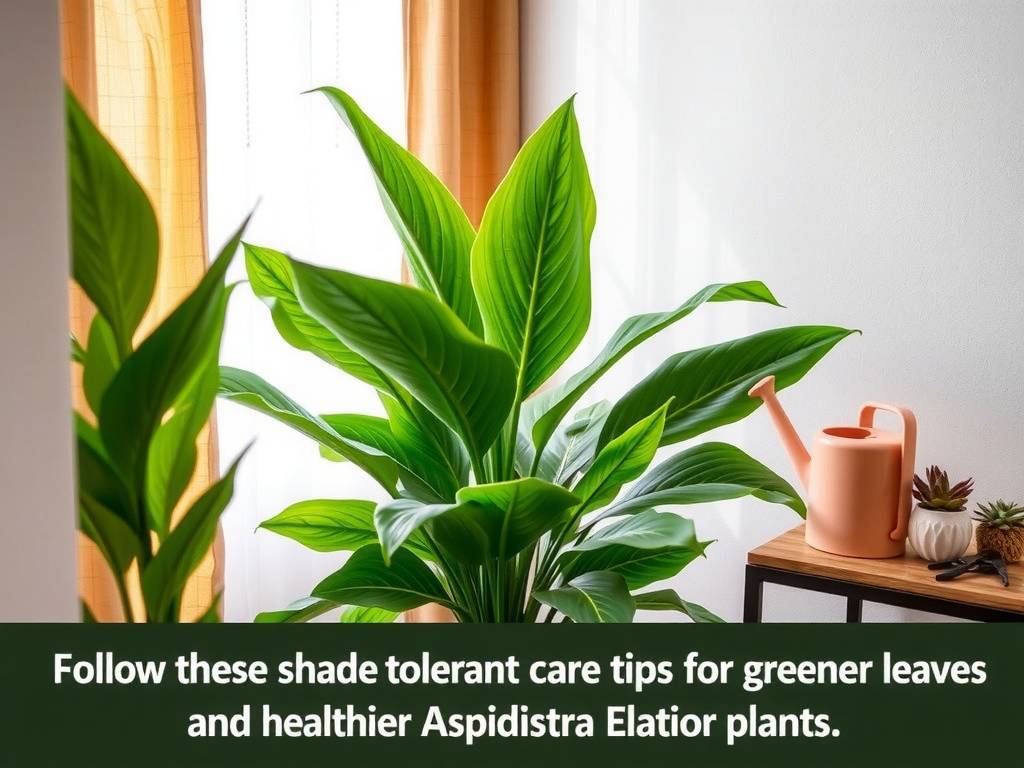
Native to the forest floors of Japan and Taiwan, Aspidistra elatior evolved in low-light, humid environments with rich, well-draining soil. Its common name, "cast iron plant," hints at its ability to endure neglect, but optimal care for a large specimen focuses on replicating its natural habitat. A mature, large aspidistra is a significant investment in greenery, and proper stewardship ensures it becomes a lasting centerpiece. According to horticulturalists at the Royal Horticultural Society (RHS), Aspidistra elatior is "one of the easiest houseplants to grow," but they emphasize that avoiding overwatering and providing the right light are key to preventing common issues.
Perfecting the Shade-Tolerant Environment
Light: The Foundation of Greener Leaves
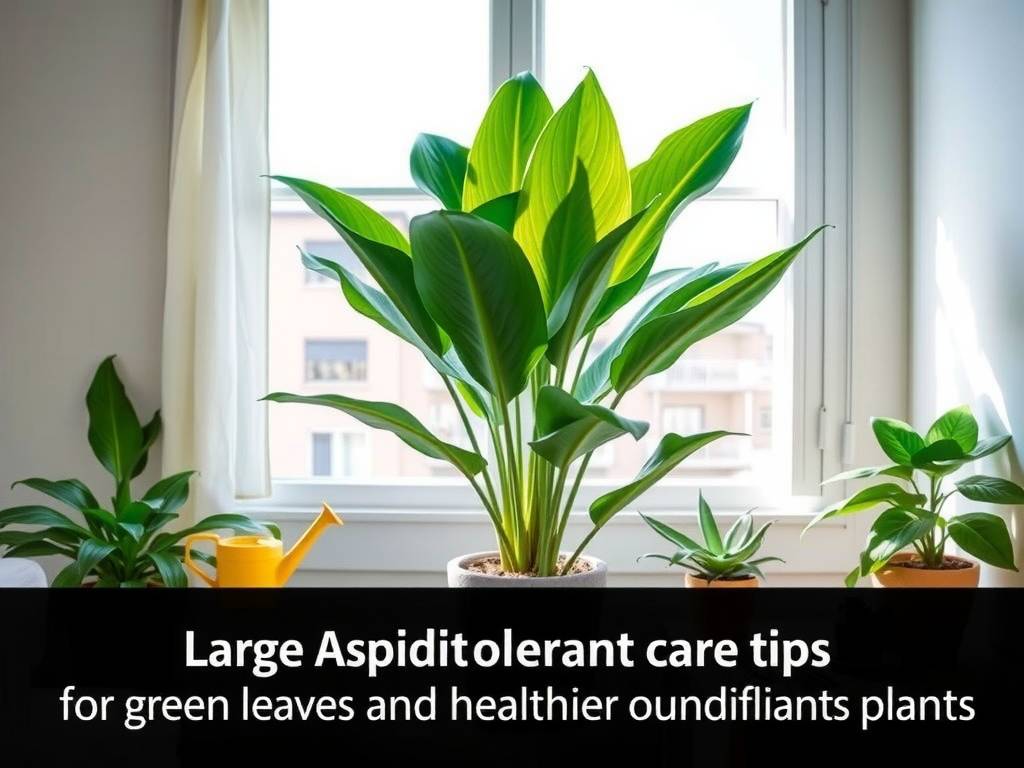
The single most important factor for a healthy aspidistra is indirect, low light. This is the cornerstone of shade tolerant care for greener leaves. Direct sunlight will scorch the leaves, causing unsightly yellow or brown patches. Your large cast iron plant will flourish in a north-facing room, several feet back from an east or west window, or in a bright room without direct sunbeams. It can even adapt to fluorescent office lighting. If your plant's leaves are pale or washed out, it might be getting too much light. Conversely, extremely dark corners may slow growth to a crawl. The goal is a consistently bright but shaded spot.
Temperature and Humidity: Creating Comfort
Aspidistras prefer moderate room temperatures between 60-75°F (15-24°C). They can tolerate occasional dips down to 50°F (10°C), which contributes to their hardy reputation. Avoid placing your plant near heating vents, air conditioners, or drafty windows, as sudden temperature fluctuations cause stress. While they tolerate average home humidity, boosting moisture levels will directly promote those coveted greener, glossier leaves. Grouping plants together, using a pebble tray filled with water, or running a humidifier nearby are excellent strategies, especially in winter when indoor air is dry.
Mastering Watering and Soil for a Large Specimen
The Art of Watering: Less is More
Overwatering is the fastest way to harm a cast iron plant. Their rhizomatous root systems store water and are prone to rot in soggy soil. The golden rule for large aspidistra elatior care is to water deeply but infrequently. Allow the top 50-75% of the soil to dry out completely between waterings. For a large plant in a big pot, this could mean watering only every 2-3 weeks, depending on light and temperature. Always check the soil moisture with your finger. Water thoroughly until it runs from the drainage holes, then empty the saucer to prevent the roots from sitting in water. Brown, mushy stems or yellowing lower leaves are classic signs of overwatering.
Soil and Potting: Ensuring Drainage and Health
A well-draining, peat-based potting mix is ideal. You can amend a standard mix with perlite or orchid bark to increase aeration. Good drainage is non-negotiable. Ensure your pot has ample drainage holes. A large aspidistra is a slow grower and typically only needs repotting every 3-4 years, or when the rhizomes completely fill the pot. When repotting, choose a container only 1-2 inches larger in diameter to prevent excess soil from staying wet too long. The American Horticultural Society (AHS) advises that for slow-growing foliage plants like aspidistra, "repotting is best done in spring and only when necessary," allowing the plant to focus energy on leaf production.
Nutrition, Cleaning, and Ongoing Maintenance
Feeding for Foliage Brilliance
Fertilizing is a subtle but important part of care for greener leaves. During the active growing season (spring and summer), feed your large aspidistra monthly with a balanced, water-soluble fertilizer diluted to half-strength. Do not fertilize in fall and winter when growth naturally slows. Over-fertilizing can lead to salt buildup in the soil and cause leaf tip burn. A gentle, organic option like fish emulsion can also provide a steady nutrient supply without risk of chemical burn.
Leaf Care and Pest Management
Dust accumulation on the broad leaves not only looks dull but also hampers photosynthesis. Wipe the leaves gently every few weeks with a damp, soft cloth. This simple act is crucial for maintaining leaf health and achieving a deep, shiny green appearance. While famously pest-resistant, aspidistras can occasionally host spider mites or mealybugs, especially in dry conditions. Regularly inspecting the leaves, particularly underneath, and maintaining adequate humidity are the best preventive measures. If pests appear, treat them early with insecticidal soap or neem oil.
Troubleshooting Common Leaf Problems
- Brown Leaf Tips: Usually caused by low humidity, fluoride in tap water, or over-fertilizing. Use distilled or rainwater if possible, and flush the soil periodically to remove mineral salts.
- Yellowing Leaves: Often a sign of overwatering or poor drainage. Check your watering schedule and ensure the pot drains freely. Older outer leaves naturally yellow and die back over time; simply prune them at the base.
- Pale or Bleached Leaves: Indicates too much direct sunlight. Relocate the plant to a shadier spot.
- Lack of New Growth: Inadequate light or the need for light feeding during the growing season. Assess its location and consider a half-strength fertilizer application.
Frequently Asked Questions
Why are the leaves on my large aspidistra turning yellow? Yellowing leaves are most commonly caused by overwatering. Ensure the soil dries out significantly between waterings and that your pot has proper drainage. If only the oldest, outer leaves are yellowing slowly, this is a natural part of the plant's renewal process.
Can my aspidistra elatior survive in a very dark room? While it is one of the most shade-tolerant plants available, it still requires some ambient light to produce energy. A very dark room will halt all growth and eventually weaken the plant. For long-term health, provide bright, indirect light or strong artificial light.
How do I encourage my cast iron plant to produce more leaves? Patience is key, as aspidistras are slow growers. To support new growth, ensure it receives adequate indirect light during spring and summer, feed it monthly with a diluted fertilizer in the growing season, and maintain consistent care without overwatering. New leaves emerge directly from the soil and may take time to unfurl.
Caring for a large Aspidistra elatior is a practice in mindful moderation. By embracing its shade-loving nature, respecting its low water needs, and providing stable conditions, you unlock its true potential. The reward is a magnificent, architectural plant with deep, resilient greenery that purifies the air and brings a timeless, calming presence to your space. Its steadfast beauty is a direct result of the simple, consistent care you provide.