bluename
 How to Care for Echeveria 'Chihuahuaensis' - Sufficient Light for Red Leaf Tips
You've brought home a stunning Echeveria 'Chihuahuaensis', captivated by its promise of fiery red leaf tips. Yet, weeks later, it remains stubbornly green, stretching awkwardly towards the window. The vibrant colors you were promised seem like a distant dream. This common frustration stems from one primary factor: insufficient light. Achieving those signature red leaf tips isn't just about aesthetics; it's a clear indicator your succulent is thriving in its ideal environment. This guide will demystify the light requirements for your Echeveria 'Chihuahuaensis', providing a clear, step-by-step path to unlock its full, colorful potential.
Understanding Your Echeveria 'Chihuahuaensis'
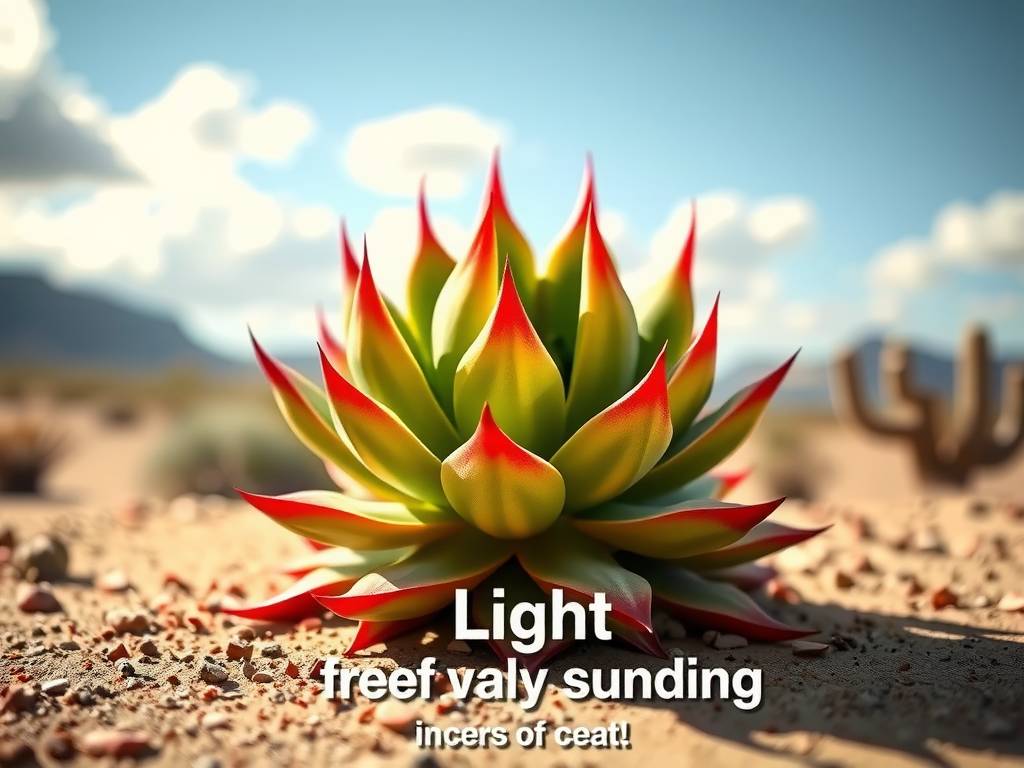
Echeveria 'Chihuahuaensis' is a beloved rosette-forming succulent, prized for its powdery blue-green leaves and brilliant pink to red margins. This coloration is not a fixed trait but a dynamic response to environmental stress, primarily from sunlight. The process is called "sun stressing" or "blushing." In its natural habitat, this adaptation helps protect the plant from intense solar radiation. When we provide sufficient light for red leaf tips, we are essentially replicating its ideal native conditions, encouraging compact growth and stunning pigmentation.
The Science of Light and Color: Why Sunlight is Non-Negotiable
Light is the engine of photosynthesis, but for succulents like the 'Chihuahuaensis', it also triggers the production of protective pigments. Anthocyanins (red/purple) and carotenoids (orange/yellow) are synthesized in response to high light levels. These pigments act as a natural sunscreen, protecting the plant's chlorophyll and tissues from potential damage. As the Royal Horticultural Society (RHS) notes, many succulents develop their most intense colors when grown in high light, which also promotes a sturdy, desirable form. Without adequate light, the plant prioritizes stretching (etiolation) to find a sun source, resulting in weak, pale growth.
How to Provide Sufficient Light for Red Leaf Tips
Mastering light for your Echeveria 'Chihuahuaensis' involves understanding source, duration, intensity, and seasonal adjustments.
Ideal Light Sources: Sun vs. Grow Lights
Bright, direct sunlight is the gold standard. A south-facing window (in the Northern Hemisphere) typically offers the most intense light. East or west-facing windows can work but may provide less intense or shorter duration light. Observe your plant; if it starts to stretch or fade, it needs more.
When natural light is insufficient—common in winter or in less sunny homes—supplemental grow lights are essential. Look for full-spectrum LED lights, which provide a balance of cool and warm light mimicking the sun. The American Horticultural Society (AHS) emphasizes that LED technology has advanced to offer energy-efficient solutions for indoor gardeners seeking to maintain plant health and coloration year-round.
Duration and Intensity: Finding the Sweet Spot
Aim for at least 6 hours of direct sunlight daily. For robust color, 8-10 hours is often ideal. Intensity matters just as much as duration. The strong midday sun is most effective for promoting red tips. However, be cautious of sudden exposure. A plant moved abruptly from low light to full, hot sun can scorch. Signs of too much light include brown, crispy patches or a bleached appearance.
Seasonal Light Adjustments for Year-Round Health
Your light strategy must change with the seasons. Summer often provides ample light, but be mindful of heat waves that can cook plants behind glass. A little afternoon shade can prevent scorching. Winter presents the biggest challenge, with shorter days and weaker sun. This is when grow lights become crucial to prevent etiolation and maintain color. Gradually increase exposure to spring sun to avoid shock.
Practical Steps to Achieve Vibrant Red Margins
- Assess Your Current Light: Use a light meter app or simply observe. Does a sharp shadow cast by your hand at noon? If so, light is likely direct and strong.
- Acclimate Gradually: If increasing light, do it over 1-2 weeks. Add an hour of direct sun every few days.
- Rotate Regularly: Rotate your pot a quarter turn weekly to ensure all sides of the rosette receive equal light, promoting symmetrical growth and even coloring.
- Monitor and Adjust: Your plant will communicate. Tight, colorful rosettes mean success. Stretching stems mean more light is needed. Scorched leaves signal a need for slight shade.
Common Pitfalls and How to Avoid Them
Even with good intentions, mistakes happen. The most common error is inconsistent light. Moving the plant frequently between vastly different light conditions stresses it. Find a permanent, bright spot. Another pitfall is ignoring the quality of light through a window. A dirty window or a sheer curtain can filter out over 40% of usable light. Keep glass clean for maximum transmission. Finally, do not mistake underwatering stress for light stress. While slight drought can enhance color, the primary driver for the red leaf tips on an Echeveria 'Chihuahuaensis' is, unequivocally, light.
Supporting Care for a Colorful Plant
While light is the star, supporting care practices ensure your plant is healthy enough to show off.
Watering in Harmony with Light
A plant in bright, direct light will use water more quickly than one in shade. However, the "soak and dry" method remains paramount. Water deeply only when the soil is completely dry, and ensure excellent drainage. Overwatering in low-light conditions is a fast track to root rot.
Soil and Potting for Optimal Health
Use a gritty, well-draining succulent or cactus mix. You can amend a standard mix with perlite or pumice (50/50 ratio). A terracotta pot is beneficial as it wicks away excess moisture and helps regulate soil temperature, supporting root health as the plant works hard under high light.
Fertilization: Less is More
Fertilize sparingly during the active growing season (spring and summer) with a balanced, diluted succulent fertilizer. Over-fertilization can lead to weak, fast growth that is less likely to develop strong color. A healthy plant in good light needs minimal supplemental feeding.
Why won't my Echeveria 'Chihuahuaensis' turn red even in a sunny window? The most likely culprit is the intensity or duration of light being filtered by the window. Double-paned glass, screens, or trees outside can significantly reduce usable light. Try moving it to the sunniest possible spot, preferably with several hours of direct sunbeam exposure. If that's not possible, introduce a grow light to supplement.
Can I use any lamp as a grow light for my succulent? No. Standard household incandescent or fluorescent bulbs lack the full light spectrum plants need for photosynthesis and coloration. They may prevent etiolation for a short time but won't promote vibrant red tips. Invest in a dedicated full-spectrum LED grow light designed for plants.
My plant has red tips but the leaves are curling inwards. Is this normal? Slight curling can be a sign of good light exposure and mild thirst. However, pronounced curling or wrinkling from the bottom up is a classic sign of underwatering. While the plant is prioritizing color (a good sign), it may need a deep drink. Check the soil moisture and water if completely dry.
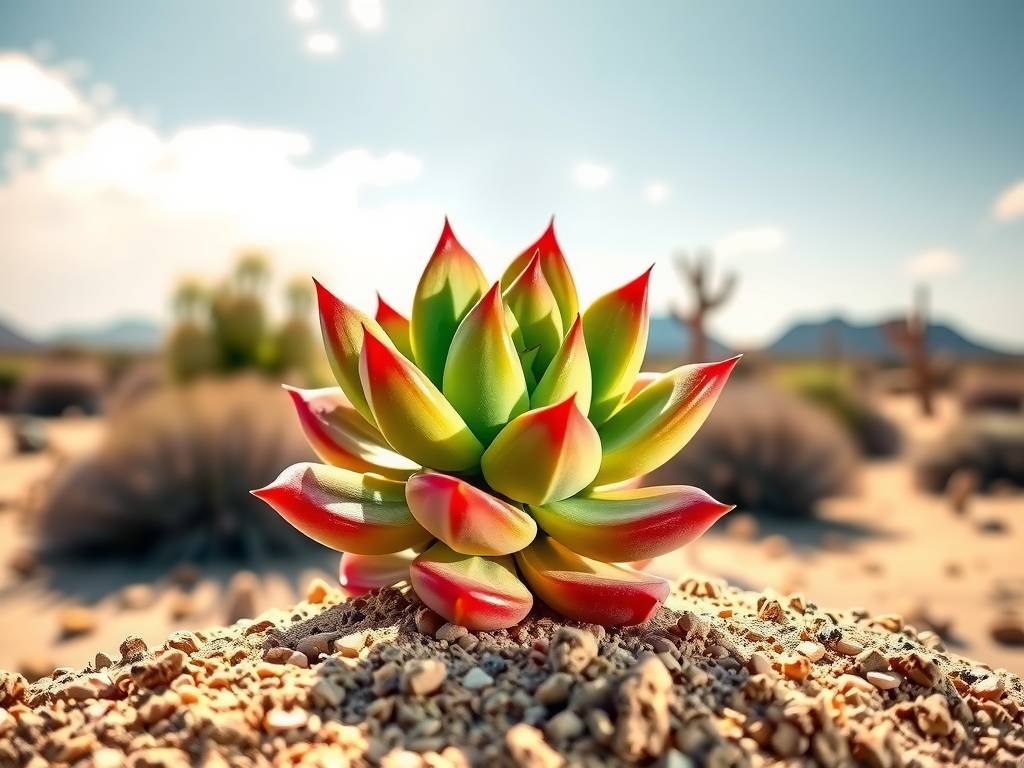
Achieving the perfect crimson edges on your Echeveria 'Chihuahuaensis' is a rewarding journey that centers on mastering its light environment. By providing consistent, bright direct light—whether from a sunny window or a quality grow light—you signal to your plant to produce its stunning protective pigments. Remember to pair this with mindful watering and well-draining soil. Patience is key; color change won't happen overnight but over weeks of consistent care. Observe your plant's responses, make gradual adjustments, and you'll be rewarded with a compact, vibrant rosette that showcases the true beauty of a well-cared-for succulent.