bluename
 How to Care for Echeveria 'White Peony' - Low-Maintenance for Fast Clumping
You've fallen in love with the stunning rosettes of Echeveria 'White Peony'. Its powdery, almost white leaves with delicate pink edges make it a centerpiece in any succulent collection. But now, you might be wondering: how do I keep this beauty thriving and encourage it to form those coveted, picturesque clumps? The good news is that achieving fast clumping with your Echeveria 'White Peony' is simpler than you think. This guide will walk you through the exact, low-maintenance steps to promote healthy, rapid growth and multiplication.
Understanding Your Echeveria 'White Peony'
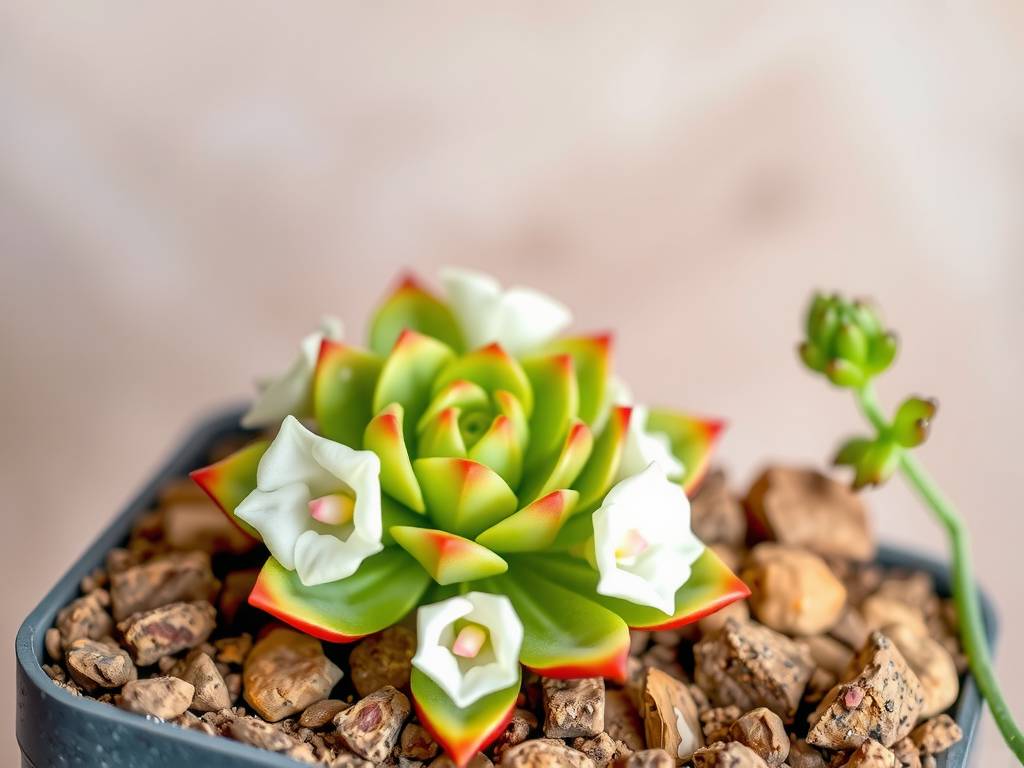
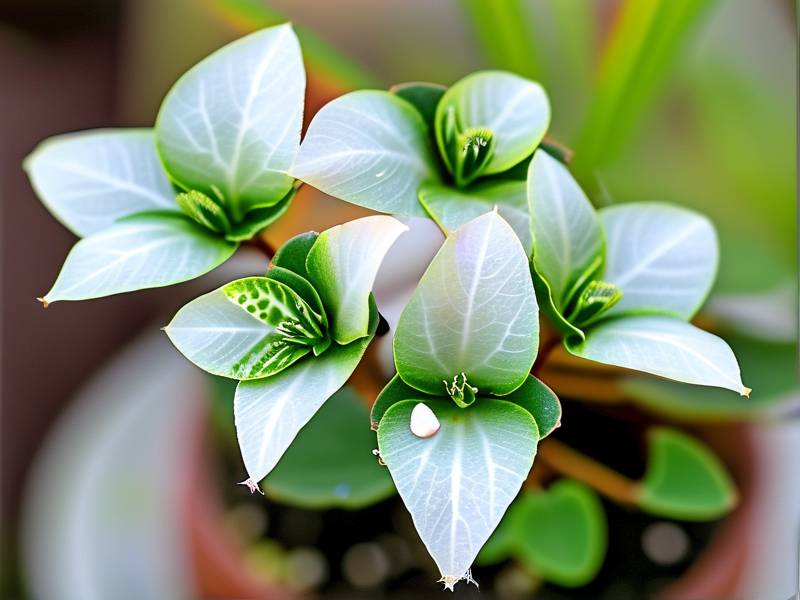
Before diving into care, knowing your plant's nature is key. Echeveria 'White Peony' is a hybrid succulent prized for its compact, layered rosette form and its unique farina—a powdery, waxy coating that protects the leaves from sunburn. This coating is delicate; touching it can leave permanent marks. The goal of fast clumping is to encourage the plant to produce offsets, also known as "chicks" or "pups," around its base, eventually forming a dense, multi-headed cluster.
The Golden Rule: Perfect Light for Growth and Color
Light is the most critical factor for a healthy, clumping 'White Peony'. Insufficient light leads to "etiolation"—where the stem stretches, the rosette opens up, and the plant loses its compact form and vibrant colors. This weakens the plant and slows offset production.
- Ideal Conditions: Provide at least 6 hours of bright, indirect sunlight daily. A south or east-facing window is often perfect.
- Outdoor Care: If moving outdoors for summer, acclimate it gradually over a week to prevent shocking the plant with sudden intense light, which can scorch the leaves despite its farina.
- Supplemental Lighting: In lower-light environments or during winter, consider using a grow light. According to the Royal Horticultural Society (RHS), succulents like Echeveria benefit significantly from full-spectrum LED lights placed 6-12 inches above the plant for 12-14 hours a day to maintain compact growth.
Mastering the Watering Technique for Succulent Health
Overwatering is the fastest way to harm your 'White Peony'. Its roots are prone to rot in consistently moist soil. The American Horticultural Society's (AHS) encyclopedia on succulent care emphasizes the "soak and dry" method as the gold standard.
- Check the Soil: Always let the soil dry out completely between waterings. Insert your finger or a wooden stick into the soil up to the second knuckle. If it's dry, it's time to water.
- Water Thoroughly: When watering, do so deeply until water runs freely out of the drainage hole. This ensures the entire root ball gets moisture.
- Let it Drain: Never let the plant sit in a saucer of water. Empty the saucer after 15 minutes.
- Seasonal Adjustment: Water more frequently in the active growing season (spring and summer) and reduce watering significantly in fall and winter when the plant is semi-dormant.
The Right Soil and Pot: Foundation for Fast Clumping
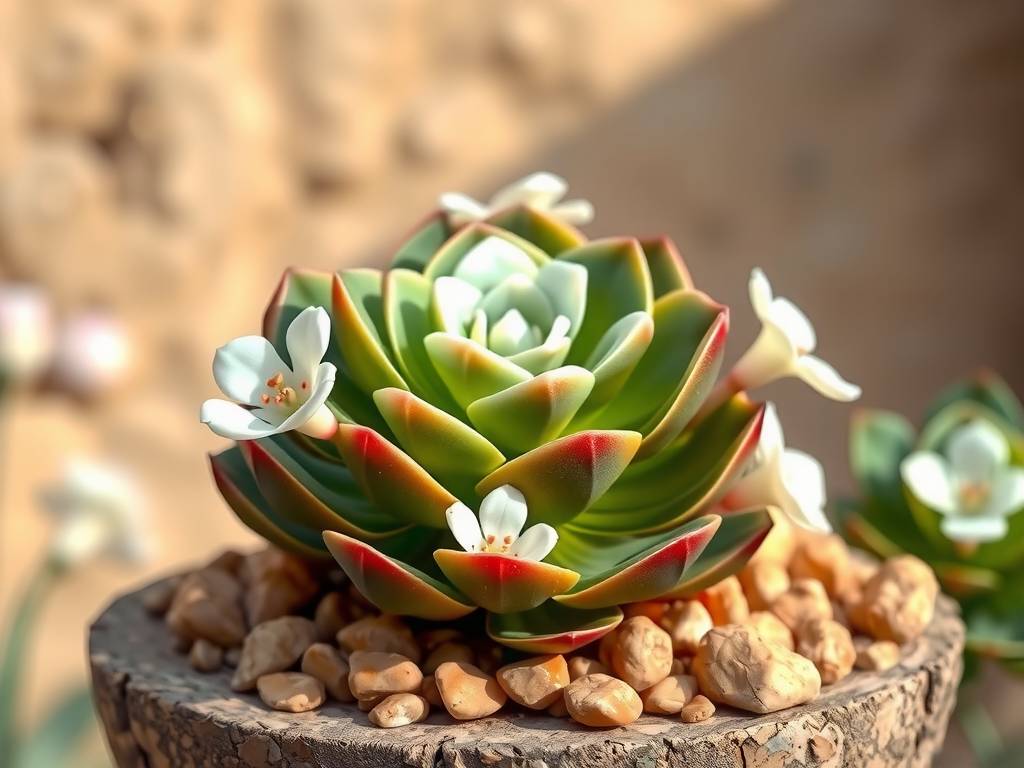
A well-draining soil mix is non-negotiable. Standard potting soil retains too much moisture. A specialized cactus and succulent mix is ideal. For even better drainage, you can create your own blend by mixing 2 parts commercial succulent soil with 1 part perlite or coarse sand.
The pot choice is equally important. Always use a container with a drainage hole. Terracotta pots are excellent because they are porous, allowing the soil to dry out more evenly and helping prevent root rot—a key factor in keeping your plant healthy enough to produce offsets.
Feeding for Vigorous Growth and Offsets
While not heavy feeders, a light nutrient boost during the growing season can encourage vigorous growth and pup production. Use a balanced, water-soluble fertilizer diluted to half-strength (e.g., a 10-10-10 formula) or a fertilizer specifically formulated for succulents. Apply this only once in early spring and once in mid-summer. Avoid fertilizing in fall and winter.
Encouraging and Propagating Offsets for Fast Clumping
This is the heart of achieving a clump. 'White Peony' will naturally produce offsets when it's happy and mature.
- Let Them Grow: Allow offsets to grow to a reasonable size (about one-quarter the size of the mother plant) before considering removal. They draw energy and stability from the main plant.
- Propagation: To propagate, gently twist the offset from the stem or use a sterile, sharp knife to separate it. Let the cut end callous over for 2-3 days to form a dry seal, which prevents rot. Then, place it on top of well-draining soil. Mist the soil lightly every few days until roots develop, then treat it as a mature plant. Leaving some offsets attached is how you build a natural, beautiful clump.
Seasonal Care and Common Issues
- Winter Care: Reduce watering to once a month or less, depending on your home's humidity. Ensure it gets as much light as possible to prevent stretching.
- Pests: Watch for mealybugs (cotton-like masses) or aphids. Wipe them off with a cotton swab dipped in rubbing alcohol (isopropyl alcohol). The RHS recommends regular inspection as the best defense against pest infestations.
- Leaf Care: Avoid touching or brushing off the farina. If bottom leaves dry up and turn crispy, this is a normal part of the growth process; gently remove them to keep the plant tidy and prevent pest hideouts.
Frequently Asked Questions
Why are the leaves on my 'White Peony' falling off easily? This is almost always a sign of overwatering. The leaves become waterlogged, soft, and detach. Immediately stop watering, check the roots for rot (black, mushy roots), remove any affected parts, and repot in fresh, dry succulent mix. Ensure your pot has proper drainage.
How long does it take for offsets to form? A mature, healthy Echeveria 'White Peony' typically begins producing offsets within 1-2 growing seasons under ideal care conditions. Patience is key, as providing consistent, correct care (ample light, infrequent watering) is what ultimately triggers the plant to multiply.
Can I grow 'White Peony' indoors year-round? Absolutely. It thrives as an indoor plant if placed in a very sunny spot. The most common challenge indoors is providing enough light to maintain its compact shape and encourage clumping. A south-facing window or a dedicated grow light will solve this problem effectively.
Caring for Echeveria 'White Peony' to achieve a lush, fast-clumping display is a rewarding journey that hinges on mimicking its natural, arid habitat. By prioritizing intense light, practicing disciplined watering, and using a gritty soil mix, you create the stress-free environment it needs to flourish and multiply. Remember, the delicate farina is its sunscreen—handle with care. With these straightforward, low-maintenance steps, you’ll soon be rewarded with a stunning cluster of powdery white rosettes that grows more beautiful with each passing season.