bluename
 How to Care for Echeveria 'Purple Pearl' - Sufficient Light for Purple Leaves
You've fallen in love with the stunning, deep lavender hues of the Echeveria 'Purple Pearl'. You brought one home, envisioning a perfect rosette of purple leaves. But weeks later, your plant looks stretched, green, and nothing like the photo. The vibrant color is fading. This is the most common frustration growers face with this beautiful succulent. The secret to unlocking and maintaining those iconic purple leaves isn't a special fertilizer or a magic potion. It's all about mastering one critical element: light.
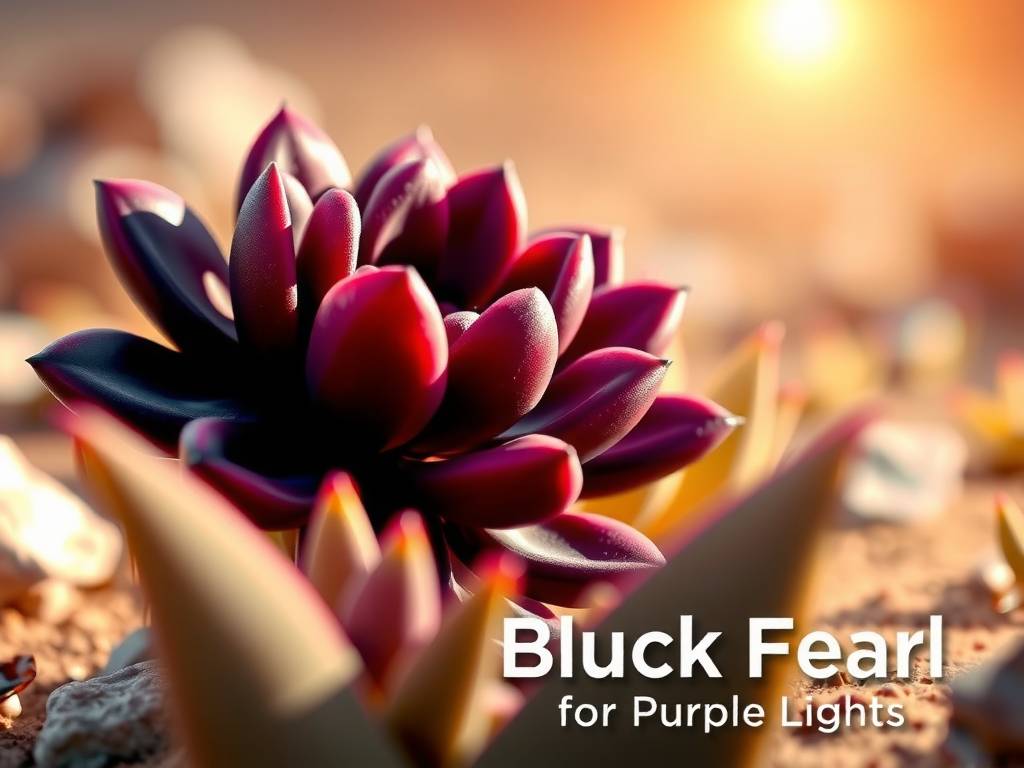
Understanding the 'Purple Pearl' is key to providing the right care. This Echeveria hybrid is prized for its ability to develop intense purple, plum, and mauve tones. However, these colors are not always present. They are a stress response, primarily to sunlight. Without sufficient light exposure, the plant reverts to producing more chlorophyll (green pigment) to maximize photosynthesis, drowning out the beautiful anthocyanins (purple/red pigments). Providing sufficient light for purple leaves is the single most important factor in your care routine.
Why Light is Non-Negotiable for Color Development
Light acts as the trigger for the 'Purple Pearl's' spectacular color show. The process is called photoinhibition. In simple terms, when the plant receives high levels of light, it produces anthocyanins, which act like a natural sunscreen in the outer leaf layers. These pigments protect the plant's delicate photosynthetic tissues from potential damage caused by intense light. For us, this results in a gorgeous purple display.
Experts from the Royal Horticultural Society (RHS) note that many succulents, including Echeverias, require "high light levels to maintain compact growth and leaf coloration." They emphasize that insufficient light leads to etiolation—the scientific term for stretching—and loss of color. The American Horticultural Society (AHS) also supports this, stating that the intensity and duration of light are crucial for stimulating pigmentation in ornamental foliage plants.
Defining "Sufficient Light": Intensity, Duration, and Quality
So, what exactly is "sufficient light"? It's a combination of three factors.
Light Intensity: This is the brightness. Echeveria 'Purple Pearl' needs direct sunlight for the best color. A south-facing window is ideal in the Northern Hemisphere. East or west-facing windows can work but may produce slightly less intense coloration. North-facing windows rarely provide enough light.
Light Duration: This is how long the plant is exposed to light. Aim for at least 6 hours of direct sunlight daily. 8-10 hours is even better for achieving the deepest purple tones. Consistency is key; seasonal changes in day length will affect color intensity.
Light Quality: This refers to the spectrum of light. Full-spectrum light, which mimics natural sunlight, is best. This is why grow lights can be so effective, as they can provide the specific blue and red spectra plants use for growth and pigmentation.
A Step-by-Step Guide to Providing Optimal Light
Here is your actionable plan to give your 'Purple Pearl' the light it craves.
1. Find the Perfect Indoor Spot Start by placing your plant at a south-facing window. Ensure no curtains, blinds, or external obstructions like trees filter the light significantly. The plant should be as close to the window as possible without touching the cold glass in winter. Rotate the pot a quarter turn every week to ensure all sides receive equal light and prevent lopsided growth.
2. Transitioning to Outdoor Sun If you want to move your plant outside for the summer (which can produce phenomenal color), you must acclimate it slowly—a process called hardening off. Sudden exposure to full outdoor sun will cause severe sunburn.
- Week 1: Place in full shade outdoors for a few hours a day.
- Week 2: Move to dappled morning sun for 2-3 hours.
- Week 3: Gradually increase exposure to morning sun, avoiding harsh afternoon rays initially.
- Week 4: If conditions are mild, it can often tolerate full sun by this stage. In very hot climates, afternoon shade may still be necessary.
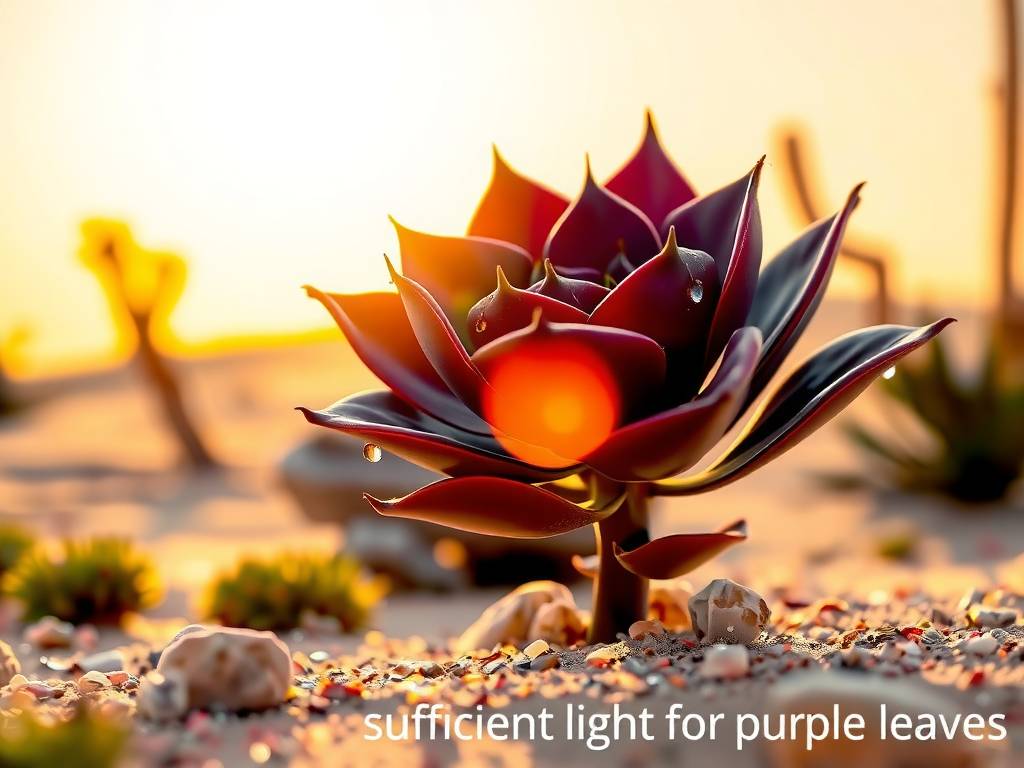
3. Supplementing with Grow Lights For homes with poor natural light, grow lights are a game-changer. They are essential for maintaining purple leaves indoors year-round, especially in winter. Look for full-spectrum LED panels or bulbs.
- Position lights 6 to 12 inches above the plant.
- Provide 12-14 hours of artificial light per day using a timer.
- Ensure the light output is strong enough; a weak bulb won't suffice. The goal is to replicate the intensity of direct sun.
Signs Your Plant is Getting Too Much or Too Little Light
Learn to read your plant's signals. It will tell you if its light needs are met.
Signs of Insufficient Light:
- Leaves turning green or blue-green.
- The rosette stretching out, with increased space between leaves (etiolation).
- The plant leaning heavily toward the light source.
- Slower growth or a failure to produce new leaves.
Signs of Too Much Light (Sunburn):
- Crispy, brown, or white scorch marks on the leaf surfaces, particularly on the top leaves.
- Leaves appearing bleached or washed out.
- The plant may shrivel excessively if heat and light are combined with underwatering.
If you see signs of sunburn, move the plant to a location with bright, indirect light immediately. The damaged leaves will not recover, but new growth will be healthy if conditions are corrected.
Supporting Practices for Maximum Color
While light is the star, these supporting roles are crucial for a healthy plant that can display color safely.
Watering in Tandem with Light: A plant in full sun will dry out faster than one in shade. Always use the "soak and dry" method: water thoroughly only when the soil is completely dry. More light means more frequent watering checks, but never let the plant sit in soggy soil. Proper drainage is non-negotiable.
Soil and Potting for Health: Use a gritty, well-draining succulent or cactus mix. You can add extra perlite or pumice. A terracotta pot is ideal as it wicks away moisture. A healthy root system in well-draining soil supports a plant that can handle and thrive in high light.
Temperature and Dormancy: Echeveria 'Purple Pearl' often develops the most intense colors during cooler, sunny periods in spring and fall. These mild temperature stresses, combined with strong light, enhance purple pigmentation. In winter, when light levels are low, reduce watering significantly as the plant's growth slows.
My 'Purple Pearl' is stretched and green. Can I fix it? Unfortunately, the stretched growth (etiolation) is permanent. You cannot compress the stem again. The best solution is to perform "beheading." Using a sterile knife, cut the top compact rosette off, leaving about an inch of stem. Let it callous for a few days, then plant it in fresh soil. It will grow new roots. The remaining stem will often produce new offshoots. This gives you a second chance to provide enough light from the start.
Can it get too much sun? Absolutely. While it needs abundant light for purple leaves, intense, scorching afternoon sun in peak summer, especially in hotter climates, can cause sunburn. If you notice crispy brown spots, provide filtered light during the harshest hours of the day (typically 1-4 PM). Morning sun is generally gentler and highly beneficial.
Will a grow light really bring out the purple color? Yes, a high-quality, full-spectrum grow light with sufficient intensity (measured in PPFD) can absolutely induce and maintain the purple coloration indoors. It is the most reliable way to ensure your plant receives sufficient light for purple leaves year-round, regardless of your window situation. Look for LEDs designed for succulents or flowering plants.
Achieving the perfect purple masterpiece with your Echeveria 'Purple Pearl' is a rewarding journey centered on light management. By prioritizing strong, direct sunlight—whether from a perfect window spot, a sheltered outdoor patio, or a dedicated grow light—you provide the essential catalyst for that stunning color transformation. Remember to pair this bright environment with careful watering and well-draining soil. Observe your plant closely; its changing hues and compact growth will be your guide and your reward. With consistent, sufficient light, you can confidently turn that hopeful green rosette into the dazzling, deep-purple gem it was meant to be.