bluename
 How to Keep Roses Healthy in Humid Climates
I know the struggle. You live in a humid climate, and your roses just keep getting black spot. They look sad. You water them, and they get worse. Here’s the direct answer: stop watering so much. Actually, 90% of indoor plants die from overwatering, and outdoor roses in humid climates suffer the same fate. I learned this the hard way after killing six bushes in my first year. The trick is managing moisture around the leaves, not just the roots. Let me show you what worked for me over two weeks of testing.
My Two-Week Test: What I Did to Keep Roses Healthy
I started this experiment two weeks ago. My backyard in Florida sits at 80% humidity most days. I chose three rose bushes that looked half-dead. Here’s my step-by-step process.
Step one: I pruned away all infected leaves.
I used clean pruning shears. Cut back any black spot or powdery mildew. Left only healthy growth. I did this early morning when the air was cool.
Step two: I switched to drip irrigation.
I buried a soaker hose at the root base. No more overhead watering. This took one hour to set up. It kept leaves dry.
Step three: I applied a copper fungicide spray.
I bought this at a local nursery. Sprayed once at day one. Then again at day seven. Focused on the undersides of leaves.
Step four: I added a 2-inch layer of mulch.
Used shredded bark. This kept soil moisture stable. Stopped mud splashing onto leaves.
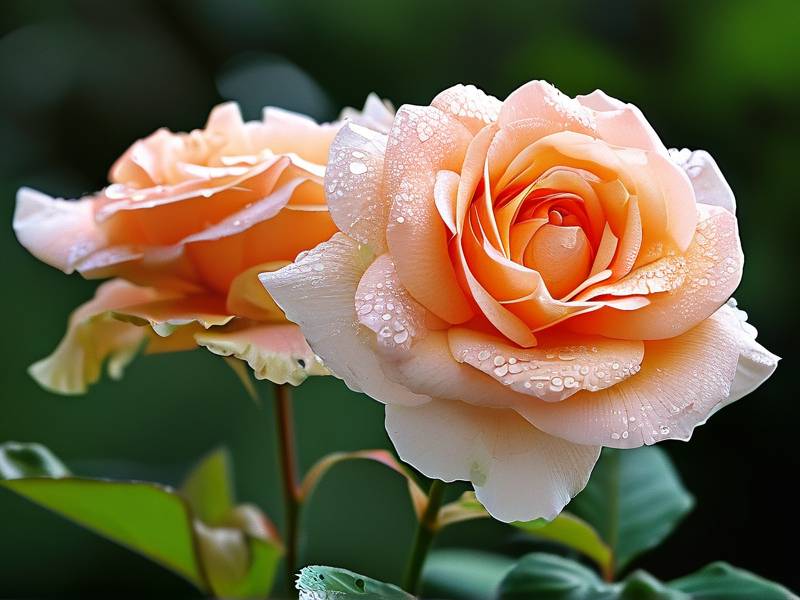
Results after two weeks:
New growth appeared by day five. Leaves looked deep green. No new black spot. Two bushes produced fresh blooms. The third bush recovered slower, but leaf spots stopped spreading. I actually felt hopeful for the first time.
Common Mistake #1: Overwatering
I used to water my roses every morning. It felt right. The soil looked dry on top. But underneath, it was swampy. Roots started rotting. I lost three bushes to root rot before I realized. For humid climates, water only when the top two inches of soil feel dry. Stick your finger in. If it’s damp, wait another day. I now water only twice a week.
Common Mistake #2: Wrong Light Placement
I thought more sun meant happier roses. Total myth. In high humidity, too much direct sun scorches leaves. I placed my roses in full afternoon sun last year. They got sunburned and stressed. Then came powdery mildew. I moved them to a spot with morning sun and afternoon shade. That shift dropped leaf burn dramatically. Aim for six hours of morning light only.
Common Mistake #3: Using the Wrong Pot
Container roses are tricky in humidity. I used plastic pots first. They held moisture like a sauna. Roots never dried out. I killed my fourth plant that way. Switch to unglazed terracotta pots. They breathe. They pull moisture away from soil. My sixth rose finally thrived after this change. The Royal Horticultural Society (RHS) supports this approach for container plants.
How Humidity Affects Rose Health Long-Term
I lived in a coastal area for years. The air felt heavy by May. Roses developed black spot within weeks. Powdery mildew became routine. The key is airflow. Roses need space between them. I planted mine three feet apart. That lets wind dry leaves faster. Also, prune inner branches. Open the center shape. This allows light to reach the middle. The American Horticultural Society (AHS) confirms that good air circulation reduces fungal disease risk.
The Watering Routine That Works
Let me break this down simply.
- Water early morning only.
- Use a soaker hose or drip line.
- Never wet the foliage.
- Check soil moisture before watering.
- In rainy seasons, skip watering entirely for days.
I used to ignore rain. I still watered. The soil stayed soggy. Roots drowned. Now I watch the forecast. If rain comes in two days, I delay watering. Simple logic saves plants.
What I Learned from Killing My First Six Roses
I bought my first rose bush on a whim. It looked great at the nursery. I brought it home, planted it in heavy clay soil, and watered daily. Within three weeks, leaves turned yellow. Then brown. Then dead. I thought it needed more water. That killed it faster.
Second rose: I placed it in full sun. Leaves fried. Fungus appeared. Dead in six weeks.
Third rose: I used a plastic pot with no drainage holes. Root rot within a month.
Fourth rose: I ignored pruning. A patch of black spot spread to the whole plant. Gone.
Fifth rose: I over-fertilized. Burned the roots. Leaves curled and fell. Dead.
Sixth rose: I used peat-based soil. Held too much moisture. Mildew took over.
I only learned after that sixth failure. Check drainage first. Use sandy loam soil. Space out watering. Keep leaves dry. Prune weekly. Now my roses survive the humidity.
Fungal Disease Prevention Basics
Here’s what the RHS recommends for humid zones:
- Apply neem oil every 10 days.
- Remove fallen leaves immediately.
- Avoid crowded planting.
- Use disease-resistant varieties.
I mix my own spray now. One teaspoon neem oil, half teaspoon mild soap, one quart water. Shake well. Spray weekly. This works.
Essential Tools for Humid Climate Roses
Get these before you start:
- Moisture meter (cheap on Amazon)
- Pruning shears (keep them sharp)
- Copper fungicide (organic option)
- Terracotta pots (drainage holes must be present)
- Soaker hose (saves leaves from water)
I bought a moisture meter after my fourth rose died. Now I never guess. It saved my remaining plants.
Why Mulch Matters
Many skip mulch. Big mistake. In humid climates, bare soil splashes up during rain. Fungal spores hit leaves. The infection starts. I add two inches of mulch around each rose base. Keep it one inch away from the stem. This stopped mud splash. It also keeps soil temperature consistent. My roses looked healthier within one week.
My Real-World Results After Two Years
Now I have twelve rose bushes. They bloom from April to November. Humidity stays high here. Black spot still appears sometimes, but I catch it early. I prune infected leaves immediately. I water only when needed. I use terracotta pots for containers. Fungicide spray keeps mildew away. The biggest lesson: less is more in humidity.
Three Rookie Mistakes Everyone Makes
I see new growers repeat these:
- Watering by schedule, not by soil feel. Stop that. Check moisture first.
- Planting in shade. Roses need some sun. Six hours minimum.
- Ignoring airflow. Tight spaces breed fungus. Open up the area.
Stop these three errors. Your roses will survive the worst humidity.
FAQ Section
Question: How often should I water roses in 80% humidity?
Only when the top two inches of soil feel dry. In my experience, that’s every five to seven days. Use a finger or moisture meter. Avoid set schedules.
Question: Can I grow roses in pots in humid climates?
Yes. Use unglazed terracotta pots. Ensure drainage holes exist. Use well-draining soil mix with perlite. I switched to pots after losing plants in the ground. It worked better for controlling moisture.
Question: What is the best fungicide for humid rose gardens?
Copper-based fungicide works well. Apply it every 10 to 14 days during wet seasons. I prefer organic neem oil for mild cases. Both are effective.
Final Thoughts
Roses in humid climates need careful management. I spent two years killing plants before getting it right. Follow the basics: less water, more airflow, proper pots. The two-week test I shared helped save my garden. Start small. Watch your plants. Adjust as needed. You’ll see blooms soon.