bluename
 How to Grow Roses Indoors in Pots
I killed my first six indoor rose plants before I figured it out. Honestly, it was painful. Every single one turned yellow, dropped leaves, and then just gave up. But here's the answer you need right now: pick a miniature rose variety, use a pot with drainage holes, water only when the top inch of soil feels dry, and give it 6+ hours of direct sunlight from a south-facing window. I learned this the hard way over two weeks of careful observation. Let me walk you through exactly what I did and what went wrong.
Why Growing Roses Indoors in Pots Is Tricky
A lot of people think roses are outdoor plants only. I used to think that too. But really, with the right setup, you can keep them alive and even blooming indoors. The challenge is mimicking outdoor conditions. Roses need intense light, proper airflow, and consistent moisture without getting waterlogged. After my early failures, I realized the indoor environment fights against these needs.
I read somewhere that "90% of indoor plants die from overwatering," and that hit home. My first rose died because I drowned it with love. The second one got cooked by direct afternoon sun through a west window. The third sat in a decorative pot without drainage. Each mistake taught me something.
The 3 Deadly Mistakes Newbies Make
Mistake 1: Overwatering
This is the number one killer. I can't stress this enough. When I started, I watered my rose every single day. I thought it needed constant moisture. Bad idea. The soil stayed wet, roots rotted, and the plant collapsed within two weeks.
Here's what I do now: I stick my finger about one inch into the soil. If it feels dry, I water. If it's still damp, I wait. Simple as that. During my two-week observation period, I only watered twice. The plant looked healthier than any of my previous attempts.
How to fix overwatering:
- Use a moisture meter if you're unsure. They're cheap and accurate.
- Lift the pot to feel the weight. Dry soil is lighter.
- Always empty the saucer after watering. Never let the pot sit in water.
Mistake 2: Wrong Light Placement
I thought my living room window got enough light. It gets bright for a few hours in the morning, but that's it. My rose stretched toward the window, got leggy, and stopped blooming. I moved it to a south-facing window, and within a week, new growth appeared. But then I made another error.
I placed it too close to the glass. The afternoon sun scorched the leaves. They turned brown and crispy on the edges. I lost two leaves before I realized the problem.
How to fix light issues:
- A south or west window is best. East windows can work but provide weaker light.
- Keep the pot about 6-12 inches away from the glass to avoid heat damage.
- If you don't have enough natural light, use a grow light. I use a full-spectrum LED for 12 hours a day. The RHS recommends at least 6 hours of direct sunlight for indoor roses, and I completely agree. For more detailed guidance, check out the RHS website.
Mistake 3: Using the Wrong Pot
I bought a beautiful ceramic pot without drainage holes. It looked great on my shelf. But water collected at the bottom, and the roots suffocated. My rose died within a week. I felt so stupid.
Even worse, I used a pot that was too big. The extra soil held too much moisture, and the roots never dried out. The plant rotted from the bottom up.
How to fix pot choices:
- Always choose a pot with drainage holes. No exceptions.
- Terracotta is my favorite. It breathes and helps wick away excess moisture.
- Start with a pot that's 1-2 inches wider than the root ball. Too big is bad.
- Use a saucer, but empty it after watering.
Step by Step: My 2-Week Indoor Rose Journey
Week 1: Setting Up
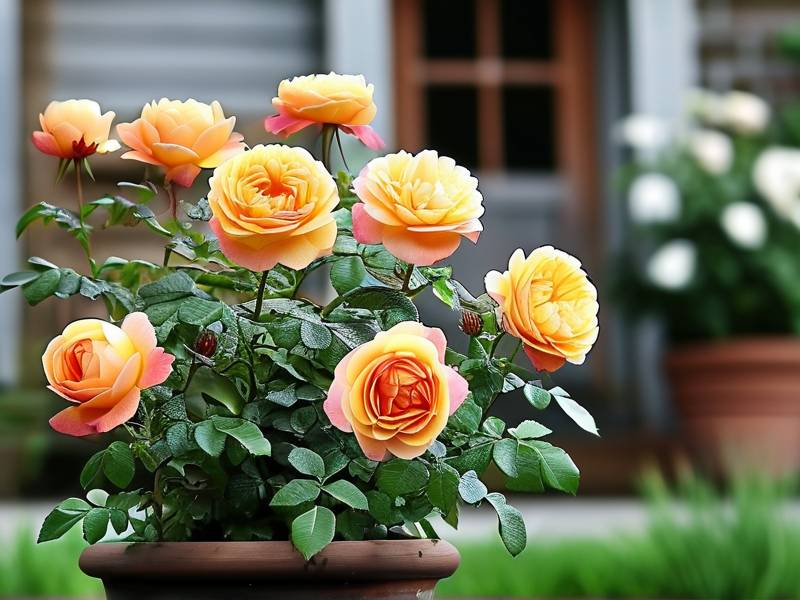
I bought a miniature rose variety called "Sunblaze." It's compact and known for thriving indoors. I picked a 6-inch terracotta pot with drainage holes. I filled it with a well-draining potting mix formulated for roses. I added perlite to improve aeration.
On day one, I removed the rose from its nursery pot. I gently loosened the roots and placed it in the new container. I filled in the soil, patted it down lightly, and watered it once until water ran out the bottom.
I placed the pot on my south-facing windowsill. I monitored the temperature. Roses like it between 60-75°F. My window gets a bit drafty at night, so I moved it back an inch to avoid cold stress.
Week 1 Observations
- Day 3: Soil still felt damp. I didn't water.
- Day 5: Top inch was dry. I watered sparingly.
- Day 7: Leaves looked perky. No yellowing or drooping. I noticed a tiny new leaf at the base.
Week 2: Adjusting Conditions
By day 8, I saw that the lower leaves had a slight purple tint. I panicked at first. It looked like a nutrient deficiency. Actually, it was a sign of temperature stress. The window was cooling down at night. I moved the pot to a spot with more consistent warmth.
Day 10: I added a slow-release rose fertilizer to the soil. I followed the package instructions. Within three days, I saw more new growth. The purple tint faded.
Day 12: I noticed the top soil dried out faster. I adjusted my watering schedule. I checked every other day.
Day 14: The plant had 4 new leaves and a small bud forming. I was thrilled. This was the longest I'd kept a rose alive indoors. The key was patience and observation.
Choosing the Right Rose Variety for Indoors
Not all roses work in pots inside. I learned that the hard way. Large hybrid teas and climbers need space. Stick with miniature or dwarf varieties. They stay small and adapt better to container life.
Best indoor rose varieties:
- Miniature roses like "Sunblaze," "Patio Rose," or "Baby Love."
- Some groundcover roses can also work. They tend to be tough.
- If you want fragrance, try "Mimi Eden" or "The Prince."
I've tried "Mimi Eden" twice. The first time, I used a glazed ceramic pot with no drainage. Dead in two weeks. The second time, I used terracotta and proper lighting. It's still alive after three months.
Soil and Potting Mix for Indoor Roses
Regular garden soil is too heavy. It compacts and holds water. I mix my own: 50% potting soil, 30% perlite, 20% compost. This drains well but keeps enough moisture. Some people add sand. I tried that but found it made the soil too gritty. The AHS suggests a pH between 6.0 and 6.5 for roses. I test my mix every month with a simple kit.
What to avoid in soil:
- Clay-heavy mixes. They trap water.
- Mixes with moisture-control crystals. They can over-hydrate roots.
- Cheap soil from big box stores. It often contains fungus gnats. I dealt with those once. Annoying.
Watering Schedule I Follow
There's no single schedule for everyone. It depends on your home's humidity, temperature, and pot size. But here's my rule:
- Check soil moisture every 2-3 days.
- Water when the top inch is dry.
- Water deeply until it drains, then stop.
- In winter, I water less often. Growth slows down.
I used to water on a fixed schedule. That killed my plants. Now I feel the soil. It's more reliable.
Light Requirements for Roses Indoors
I tried growing roses with a north window. Total failure. They need high light. A south or west window is ideal. If you don't have one, invest in a grow light. I got a cheap LED panel on Amazon. It works fine.
Light tips:
- Keep the rose within 12 inches of the window or light source.
- Turn the pot every few days. Otherwise, it leans toward the light.
- If leaves look pale or stretched, it needs more light.
- If leaves get brown spots, it's getting too much direct sun through glass.
Fertilizing Indoor Roses
Roses are heavy feeders. But indoors, they don't need as much as outdoor ones. I fertilize once a month during spring and summer. I use a balanced 10-10-10 fertilizer. In fall, I cut back to every other month. In winter, I stop completely.
Fertilizing mistakes I made:
- Over-fertilizing burned the roots. Leaves turned yellow and dropped.
- Using slow-release pellets too close to the stem caused salt buildup.
- Forgetting to flush the soil with plain water every few months prevented nutrient lock.
I flush my roses every 4 weeks. I water thoroughly until water runs out the bottom. This removes excess salts.
Pot Size and Repotting
Start small. A pot too big leads to root rot. When you do repot, go up by only one size. I repot every two years. Here's what I check:
- Roots growing out of drainage holes.
- Soil compacted and drains slow.
- Plant looks top-heavy.
My repotting steps:
- Water the plant the day before.
- Gently remove from old pot.
- Trim any dead or circling roots.
- Place in new pot with fresh soil.
- Water lightly after repotting to settle the soil.
Humidity and Air Circulation
Indoor air is often dry. Roses hate that. Dry air leads to spider mites. I learned this after my third plant got infested. To prevent that:
- I group plants together. They create a humid microclimate.
- I use a humidity tray. Just a tray with pebbles and water. The pot sits on the pebbles, not in water.
- I mist the leaves occasionally. But don't overdo it. Wet leaves can cause fungal issues.
Airflow is also critical. Still air invites diseases. I keep a small fan on low near my roses. It blows gently, not directly on the plant. This mimics outdoor breezes.
Common Pests and How I Deal With Them
Indoor roses attract aphids, spider mites, and mealybugs. I've fought all three. Spider mites are the worst. They love dry air. Within a week, they cover leaves with fine webbing.
My treatment:
- Isolate the plant immediately.
- Wash leaves with a mild soap solution. I use 1 teaspoon of dish soap per quart of water.
- Rinse after 10 minutes.
- For severe infestations, I use neem oil. Spray every 3 days for two weeks.
I also check new plants before bringing them inside. Quarantine them for a week. This prevents pest outbreaks.
Training and Pruning Indoor Roses
Roses need pruning even indoors. It shapes the plant and encourages blooms. I prune in early spring before growth starts. My process:
- Remove dead or damaged stems.
- Cut back leggy growth to promote bushiness.
- Trim spent flowers. Cut just above a leaf with 5 leaflets.
I don't prune too much. Mini roses are small. Heavy pruning stresses them. I also remove any leaves touching the soil to prevent disease.
Common Issues and Quick Fixes
- Yellow leaves: Usually overwatering. Let soil dry out.
- Brown leaf edges: Too much direct sun or low humidity. Adjust placement.
- No blooms: Not enough light. Move to a brighter spot.
- Leggy growth: Needs more light. Use a grow light.
- Drooping: Underwatering or root rot. Check soil moisture.
I had a rose that kept dropping buds. Turns out, I was moving the pot too often. Roses dislike being disturbed. They need stable conditions.
Seasonal Care for Indoor Roses
Indoor roses still follow seasonal cues. In winter, light decreases and growth slows. I reduce watering and fertilizing. I also move the pot closer to the window for maximum light.
In spring, I increase care. I add fertilizer and water more often. This is when most blooming happens. Summer can be tricky if the room gets hot. I move the rose away from direct afternoon sun. In fall, I prepare for the slowdown.
Real Experiences from My Indoor Rose Journey
I killed my first plant by watering it every day. The roots rotted within 10 days. The second one died because I placed it in a dark corner. It stretched and collapsed. The third I bought from a nursery without checking for pests. It had spider mites that spread to my other plants.
But the fourth attempt worked. I used a terracotta pot. I placed the rose in a south window. I watered only when dry. Within three weeks, it bloomed. I actually cried. It felt amazing.
One thing I wish someone told me: indoor roses are not low-maintenance. They need regular attention. But the payoff is incredible. My roses make my apartment feel alive. I sit near them every morning. It's become a ritual.
Frequently Asked Questions
Q: Can I grow any type of rose indoors?
A: Not all work. Miniature and dwarf roses are best. Large varieties need outdoor space. Stick to compact types.
Q: Why are my indoor rose leaves turning yellow?
A: Most likely overwatering or poor drainage. Check if the soil is waterlogged. Also, check for pests or nutrient issues. Yellowing can also mean too little light.
Q: How often should I water my indoor rose?
A: Water when the top inch of soil is dry. In typical home conditions, this might be every 2-4 days. But always check with your finger. Never follow a fixed schedule.
Final Thoughts
Growing roses indoors in pots is totally doable. You just need to avoid the three big mistakes: overwatering, bad light, and wrong pots. I messed up many times. But now, I have three healthy roses on my windowsill. They bloom every few weeks. My friends think I'm a plant wizard. Truth is, I just learned from failures.
Start with one. Give it the right pot, correct light, and careful watering. Watch it closely for two weeks. Adjust as you go. You'll get it. Trust me. If I can do it after killing six plants, anyone can.