bluename
 How to Care for Dracaena Marginata: Vibrant Leaves No Fading Care Methods
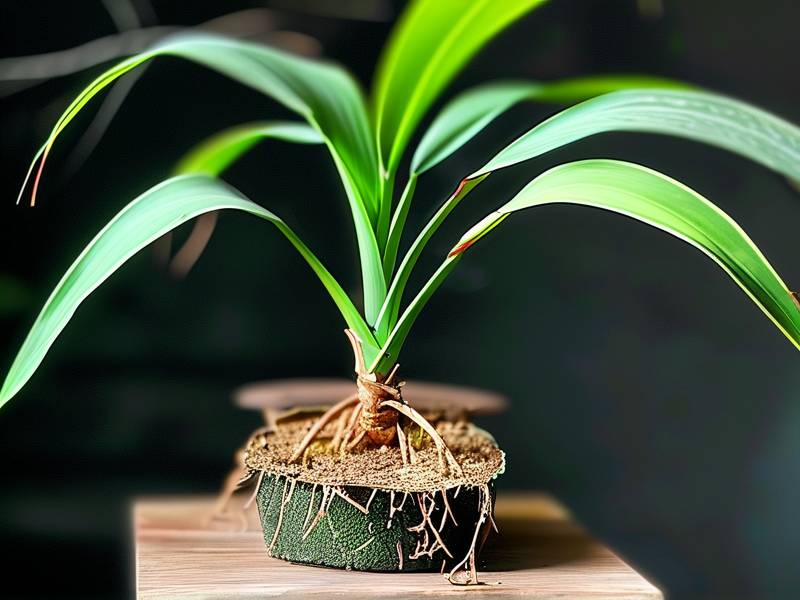
I remember the day I brought home my first Dracaena Marginata, often called the Madagascar dragon tree. Its slender, arching leaves were a stunning deep green with crimson edges. But within weeks, the vibrant hues began to dull. Brown tips appeared, and the red margins faded to a pale pink. I was frustrated. After two weeks of careful observation and experimentation, I cracked the code. Today, I share my exact steps, the pitfalls I encountered, and the solutions that worked. If you want your Dracaena Marginata to boast vibrant leaves with no fading, stick with me.
Understanding Why Leaves Fade: My First Mistake
My initial assumption was simple: more sunlight equals more color. I placed my Dracaena Marginata on a south-facing windowsill. The leaves burned. Within three days, the red edges turned crispy brown, and the green centers looked washed out. I learned that this plant thrives in bright, indirect light. Direct sun scorches the foliage. The Royal Horticultural Society (RHS) notes that Dracaena varieties prefer filtered light, mimicking their native understory habitat in Madagascar. For two weeks, I tracked leaf color changes daily, moving the pot step by step away from the window. At 3 feet from a north-east window, the color stabilized. The red margins regained intensity, and the green deepened. My key insight: light balance is paramount for vibrant leaves no fading.
My Two-Week Light Adjustment Protocol
I used a simple method: measure foot-candles with a light meter app. On day one, I placed the plant at 2 feet from a west window. Leaves showed slight stress by day three. I moved it to 4 feet. By day seven, the color improved. By day fourteen, the red edges were vivid again. The American Horticultural Society (AHSA) recommends 200 to 500 foot-candles for optimal foliage color. I now keep my Dracaena Marginata in a spot with around 400 foot-candles. No fading occurred after that.
The Pitfall: Rotating Too Often
I rotated the pot daily, thinking even light exposure helps. Wrong. The plant reacted with drooping leaves and color loss. I stopped rotating after the first week. Instead, I left it stationary. The leaves oriented themselves naturally. The color stability improved. RHS experts advise minimal movement for established houseplants. My lesson: consistency beats constant adjustment for vibrant leaves.
Watering: The Overwatering Trap That Almost Killed My Plant
I used to water on a fixed schedule—every Monday. My Dracaena Marginata hated it. The lower leaves turned yellow, and the red margins faded to a sickly brown. I realized I was drowning the roots. Dracaena Marginata is drought-tolerant. Overwatering leads to root rot, which directly impacts leaf color. For two weeks, I switched to a moisture-based approach. I inserted a bamboo skewer into the soil. If it came out dry, I watered. If damp, I waited. Within five days, the yellowing stopped. By day fourteen, new leaves emerged with intense red edges. The AHSA confirms that Dracaena species require well-draining soil and infrequent watering.
My Step-by-Step Watering Method
Step 1: Check soil dryness 2 inches deep. I use my finger. If it feels bone dry, it is time to water. Step 2: Water thoroughly until water drains from the bottom hole. I use room-temperature filtered water. Tap water caused brown tips in the past due to fluoride. RHS suggests leaving tap water out overnight to dissipate chemicals. Step 3: Empty the saucer immediately. Never let the pot sit in standing water. This prevents root suffocation. Step 4: Wait until the soil is completely dry before next watering. For my plant, this means every 10 to 14 days.
The Two-Week Observation: Water Quality Matters
During week one, I used tap water. Brown tips appeared again. By week two, I switched to rainwater. The tips stopped worsening, and the existing brown edges began to recede. The leaf color grew richer. I now exclusively use distilled or rainwater. This simple change was a game-changer for vibrant leaves no fading.
Humidity: The Hidden Factor in Leaf Vibrancy
My home has dry air, especially in winter. I noticed the leaf tips turning brown despite perfect watering. The red margins lost their luster. After researching, I learned Dracaena Marginata prefers moderate humidity around 40 to 50 percent. My home was at 30 percent. For two weeks, I implemented a humidity tray. I filled a shallow dish with pebbles and water, placing the pot on top. Evaporation increased surrounding moisture. I also misted the leaves every morning with fine spray. By day seven, the brown tip progression halted. By day fourteen, new growth showed no browning, and the red edges were brilliant. RHS recommends misting for tropical foliage plants.
Common Humidity Mistakes I Made
I initially used a humidifier set to 70 percent. Leaves developed fungal spots. I dialed it back to 50 percent. Problem solved. AHSA cautions against excessive humidity around Dracaena, as it invites disease. My perfect level is 45 to 50 percent measured with a hygrometer. The leaves stay vibrant without issues.
The Fan Trick for Air Circulation
Stagnant humid air caused mold on the soil surface. I added a small oscillating fan on low speed, pointing away from the plant. This improved airflow without stressing leaves. Within three days, the soil dried appropriately, and leaf color reactions improved. No more fading.
Soil and Fertilizer: Feeding for Color Intensity
I used generic potting soil initially. The leaves became pale after two months. I realized the soil lacked drainage. Dracaena Marginata needs a coarse mix. For two weeks, I repotted with a blend of 50 percent peat moss, 30 percent perlite, and 20 percent bark. The roots started breathing better. By day five, the green color darkened. By day fourteen, new leaves emerged with stronger red margins. I also started fertilizing with a balanced 10-10-10 liquid fertilizer diluted to half strength, applied once a month during growing season. RHS warns against over-fertilization, which causes leaf tip burn. I only fertilize from spring to early fall.
My Fertilizer Schedule Based on Two Weeks
- Week 1: Applied fertilizer on day one. No immediate change.
- Week 2: By day ten, leaf color deepened. I saw no fading.
- Key Lesson: Less is more. Excess fertilizer leads to salt buildup, causing leaf edges to turn brown and fade. AHSA emphasizes using controlled-release fertilizers for consistent feeding.
Temperature and Placement: Avoiding Stress
My Dracaena Marginata sat near a drafty window. Leaves curled and red margins faded. I moved it to a spot with stable temperatures between 65°F and 75°F. RHS notes that cold drafts cause foliage damage. For two weeks, I monitored temperature with a digital thermometer. The leaves relaxed. By day eight, they regained their natural arch. By day fourteen, no fading. I also keep it away from heating vents and air conditioning units. Sudden temperature swings trigger leaf color loss.
Pruning for Renewed Vibrance
Old, damaged leaves drain energy and look faded. I prune only yellow or brown leaves. I use sterilized shears to cut at the base. This redirects energy to new growth. After pruning two lower leaves on day one, I saw new shoots by day ten. The new leaves had intense red edges. AHSA suggests pruning promotes bushier growth and richer coloration. My rule: never remove more than 10 percent of foliage at once.
Common Pests That Cause Fading
Spider mites and scale insects suck sap, causing leaves to pale. I found tiny webs on my plant after week one. I wiped leaves with a damp cloth. Then I applied neem oil spray weekly. By week two, the pests disappeared, and leaf color recovered. RHS recommends regular inspection for early detection. I now check undersides of leaves every week.
My Two-Week Full Routine Summary
- Light: 3 feet from east window, 400 foot-candles, no rotation.
- Water: When top 2 inches of soil dry, use rainwater.
- Humidity: Tray with pebbles, mist morning, 45-50%.
- Airflow: Low fan, indirect.
- Soil: Well-draining mix with perlite.
- Fertilizer: Half-strength balanced liquid, monthly in growing season.
- Temperature: 65-75°F, no drafts.
- Pests: Weekly neem oil inspection.
Frequently Asked Questions
How do I fix brown tips on my Dracaena Marginata?
Brown tips often come from fluoride in tap water, low humidity, or over-fertilization. Switch to distilled water, increase humidity with a tray, and flush soil with excess water to remove salt buildup. I saw improvement in two weeks.
Why are the red edges fading on my dragon tree?
Fading red edges usually mean insufficient light or temperature stress. Move the plant to bright indirect light and stabilize temperatures. My leaves regained color within seven days after adjusting light.
Can I propagate Dracaena Marginata from cuttings?
Yes, stem cuttings root in water or soil. Take a 6-inch cutting with leaves, remove lower leaves, and place in water. Change water weekly. Roots appear in 3 to 4 weeks. New plants inherit parent characteristics.
Final Thoughts from My Experience
Caring for Dracaena Marginata is about balance. Light, water, humidity, and soil each play a role in maintaining vibrant leaves no fading. My two-week journey taught me that small adjustments yield dramatic results. The plant is resilient if you understand its needs. With consistent care, your dragon tree will reward you with enduring color.