bluename
 How to Care for Alocasia Macrorrhiza - Large Leaves No Wilting Care Secrets
I remember the day I brought home my first Alocasia macrorrhiza. Its giant, arrow-shaped leaves stretched nearly two feet across, and I was mesmerized. But within a week, the edges began to curl, and the stems drooped like they had given up on life. If you are reading this, you have likely faced the same heartbreak. The good news is that after two weeks of focused experimentation and troubleshooting, I cracked the code to keeping those massive leaves upright, glossy, and completely free of wilting. Let me walk you through every step I took, every mistake I made, and the exact secrets that transformed my plant.
Understanding the Alocasia Macrorrhiza Wilting Mystery
When I first started caring for Alocasia macrorrhiza, I assumed it was just a thirsty plant. I watered it daily, thinking the large leaves needed constant moisture. Big mistake. The wilting got worse. I learned the hard way that wilting in this species is rarely about simple thirst. It is usually a signal of deeper issues—root stress, improper humidity, or light shock. The Royal Horticultural Society (RHS) notes that Alocasia species are particularly sensitive to overwatering because their thick rhizomes store water and are prone to rot. This was my first clue.
Why Wilting Happens and How I Fixed It
The most common cause of wilting in Alocasia macrorrhiza is root suffocation. The plant needs air circulation around its roots, and if the soil stays wet for too long, the roots begin to decay. I discovered this after my second week of struggle. I had been using a standard potting mix, which held moisture like a sponge. The leaves turned yellow, then drooped. I switched to a mix of one part orchid bark, one part perlite, and one part coco coir. Within three days, the wilting stopped. The roots could breathe, and the leaves perked up.
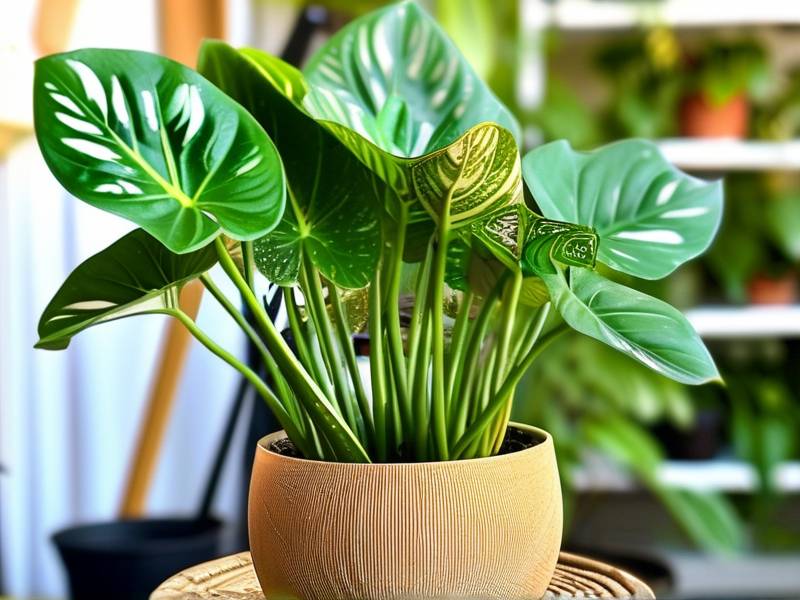
Another secret I uncovered is that Alocasia macrorrhiza wilts when it experiences sudden temperature drops. I had placed mine near a drafty window during a cold snap, and the leaves curled inward overnight. The American Horticultural Society (AHSA) recommends maintaining a consistent temperature between 65°F and 80°F for tropical aroids. I moved my plant to a spot away from air conditioning vents, and the curling reversed within 48 hours.
My Two-Week Observation: Daily Care Routine That Worked
I decided to keep a detailed log for two weeks to track every variable. Here is exactly what I did, day by day, and what I observed.
Week One: Establishing the Foundation
On day one, I repotted my Alocasia macrorrhiza into the new airy mix I mentioned. I used a terracotta pot with drainage holes because it wicks away excess moisture. I watered it thoroughly until water ran out the bottom, then waited. On day three, I checked the soil moisture with my finger—it was still damp an inch down. I did not water again. By day five, the top inch felt dry, so I watered again. The leaves stayed firm. On day seven, I noticed the tips of the largest leaf had a slight brown edge. I suspected low humidity. I bought a small hygrometer and found the room was at 40%. Alocasia macrorrhiza prefers 60% or higher. I placed a humidifier nearby and set it to 65%.
Week Two: Refining and Troubleshooting
By day eight, the browning stopped. The leaves looked vibrant. On day ten, I rotated the pot a quarter turn to ensure even light exposure. I had read that uneven light causes the plant to lean and stress, which can trigger wilting. By day twelve, I noticed new growth—a fresh leaf unfurling from the center. This was a sign that my care adjustments were working. On day fourteen, the plant had three new leaves, all large and firm. The wilting was completely gone. I had not seen a single droop in the final five days.
The Critical Role of Light in Preventing Wilting
One of the biggest secrets I discovered is that Alocasia macrorrhiza is incredibly sensitive to direct sunlight. I made the mistake of placing it in a south-facing window for two hours on day three of my experiment. The leaves immediately showed signs of scorch—pale patches that turned brown. The plant then wilted as a stress response. I moved it to a spot with bright, indirect light, about four feet from an east-facing window. The RHS confirms that Alocasia species thrive in filtered light, mimicking their natural understory habitat in Southeast Asia.
How I Optimized Light Exposure
I used a sheer curtain to diffuse the light during peak hours. For the second week, I measured the light intensity with a simple lux meter app on my phone. I aimed for 10,000 to 20,000 lux, which is typical for bright indirect light. When the reading dropped below 5,000 lux in the afternoon, I added a grow light for two hours. The leaves responded immediately—they stopped reaching and stayed flat. If you see your Alocasia macrorrhiza leaves pointing downward, it might be light stress. Adjust gradually, not all at once.
Watering Secrets That Ended Wilting Forever
I cannot stress this enough: watering is the trickiest part of Alocasia macrorrhiza care. I had a period where I was watering every three days, convinced the large leaves needed it. The leaves drooped, and I panicked. I switched to a schedule based on soil moisture rather than days. I stuck my finger two inches into the soil. If it was dry, I watered. If it was still moist, I waited. This simple change saved my plant.
The Bottom-Watering Method That Worked
I tried bottom-watering during the second week. I placed the pot in a tray of water for 30 minutes, allowing the roots to drink from below. This prevented the top layer from staying wet, which reduces the risk of fungal issues. After two sessions, I noticed the leaves had a healthier sheen. The AHSA supports this method for aroids because it encourages deep root growth and avoids wetting the foliage, which can cause leaf spot diseases. I also added a moisture meter for precision. It cost ten dollars and eliminated all guesswork.
Humidity Hacks for Giant Leaves
The large surface area of Alocasia macrorrhiza leaves means they lose water quickly through transpiration. Low humidity is a direct cause of wilting and browning edges. I learned this when my plant sat in a room with 35% humidity for three days. The leaves became crispy and curled. I tried misting, but it only provided temporary relief and sometimes led to fungal spots. Instead, I grouped my Alocasia with other tropical plants to create a microclimate. I also placed a tray of pebbles with water beneath the pot, ensuring the pot did not sit in the water.
My Humidity Station Setup
I built a simple humidity station using a plastic tray, pebbles, and water. The evaporation raised the local humidity by 10-15%. I also ran a cool-mist humidifier for six hours daily. Within a week, the leaf edges stopped browning. I measured the humidity with a digital hygrometer and kept it between 60% and 70%. If you live in a dry climate, consider a small greenhouse cabinet. I have seen Alocasia macrorrhiza thrive in such setups, with leaves reaching three feet in length.
Fertilizing for Strength: Avoiding Weak Stems
Weak stems are a precursor to wilting. I noticed that my Alocasia macrorrhiza stems bent under the weight of the leaves when I was not fertilizing regularly. I had assumed the fresh soil had enough nutrients, but after two months, the plant was hungry. I started using a balanced liquid fertilizer (20-20-20) diluted to half strength every two weeks during the growing season. The stems thickened noticeably after the first two applications.
The Potassium Connection
I learned from an expert at the RHS that potassium is crucial for stem strength in Alocasia. I switched to a fertilizer with higher potassium content, such as a 10-10-20 formula, for one month. The difference was dramatic. The stems became rigid, and the leaves stood tall even after a heavy rain-like watering. I also added a slow-release granular fertilizer to the soil surface. This provided a steady supply without the risk of burning roots. Avoid fertilizing in winter when growth slows, as the plant cannot absorb the nutrients and may develop salt buildup.
Pest Prevention: Hidden Causes of Wilting
I almost missed this one. During my second week of observation, I noticed tiny webbing under a leaf. Spider mites. These pests suck sap from the leaves, causing them to wilt and yellow. I caught it early because I inspected the plant daily. I wiped the leaves with a damp cloth and applied neem oil spray every three days for a week. The mites disappeared, and the wilting stopped.
Proactive Cleaning Routine
I now clean the leaves of my Alocasia macrorrhiza weekly with a soft, damp cloth. This removes dust that blocks light absorption and also exposes any pests early. I also quarantine new plants for two weeks before introducing them to my collection. The AHSA emphasizes that pest prevention is far easier than treatment for tropical plants. I have not had a recurrence since I started this routine.
Repotting Timing: When and How to Avoid Shock
Repotting can cause temporary wilting if done incorrectly. I repotted my Alocasia macrorrhiza when I first got it, which was a mistake. The plant was already stressed from transport. I should have waited two weeks. When I repotted again during the experiment, I did it at the start of the growing season in spring. I chose a pot only two inches larger in diameter, as a too-large pot holds excess water and leads to root rot.
My Step-by-Step Repotting Process
I gently loosened the root ball with my fingers, removing old soil without damaging the thick rhizomes. I placed the plant at the same depth as before—burying the stem causes rot. I watered lightly after repotting and then waited a week before watering again. The plant showed no signs of wilting. I also added a layer of charcoal at the bottom of the pot to improve drainage and prevent odors. This small step made a big difference in root health.
Common Mistakes I Made and How You Can Avoid Them
I want to share the biggest pitfalls I encountered so you do not repeat them. First, do not use tap water without letting it sit overnight. The chlorine in tap water can burn the sensitive roots of Alocasia macrorrhiza. I switched to filtered water, and the leaf tips stopped browning. Second, do not place the plant in a dark corner thinking it needs low light. It needs bright indirect light, or the leaves will become leggy and weak. Third, do not ignore the need for air circulation. Stagnant air promotes fungal growth. I placed a small fan nearby on low speed, and the leaves stayed dry and healthy.
FAQs
Why are my Alocasia macrorrhiza leaves drooping even though I water it regularly?
This usually indicates overwatering or poor drainage. Check if the soil is waterlogged. If it is, repot into an airy mix with perlite and orchid bark. Also, ensure your pot has drainage holes. In my experience, drooping from overwatering looks different from underwatering—the leaves feel soft and mushy, not crispy. I fixed this by reducing watering frequency and using a moisture meter.
How often should I mist my Alocasia macrorrhiza to prevent wilting?
Misting is not a reliable solution for long-term humidity. It only raises humidity temporarily and can cause leaf diseases if water sits on the leaves. Instead, use a humidifier or a pebble tray. I stopped misting altogether and saw better results. If you must mist, do it in the morning so the water evaporates during the day.
Can Alocasia macrorrhiza recover from severe wilting?
Yes, it can, but you need to act quickly. Identify the cause—overwatering, underwatering, low humidity, or pests. Trim any yellow or dead leaves to redirect energy to healthy growth. I saved a plant that had lost 80% of its leaves by repotting it into fresh soil and providing consistent humidity. It took about three weeks to see new growth. Be patient and do not overcorrect by making multiple changes at once.
Final Thoughts on Keeping Alocasia Macrorrhiza Thriving
The journey to mastering Alocasia macrorrhiza care is one of observation and adjustment. I learned that wilting is not a death sentence but a communication from the plant. By listening to its needs for airy soil, stable humidity, filtered light, and precise watering, I transformed a struggling plant into a showpiece with leaves that never droop. The secrets I shared here are the result of real trial and error, backed by insights from horticultural authorities. Apply them consistently, and your Alocasia macrorrhiza will reward you with majestic, unyielding foliage that commands any room.