bluename
 How to Care for Cordyline Fruticosa - Red Leaves Healthy Growth Care Essentials
I’ve always been mesmerized by the fiery, architectural beauty of the Cordyline fruticosa, especially the red-leaf varieties. But for years, I struggled to keep that vibrant crimson color from fading to a dull green or, worse, watching the leaf tips turn brown and crispy. If you’ve brought home one of these stunning tropical plants only to face similar frustrations, you’re not alone. The secret isn’t just in watering; it’s a precise dance of light, humidity, and nutrition tailored specifically for red leaves healthy growth. After a dedicated two-week experiment and plenty of past mistakes, I’ve distilled the essential care routine that actually works.
My journey with this plant began with a gorgeous specimen I named “Ember.” Initially, I treated it like my other houseplants—moderate indirect light and weekly watering. Within a month, Ember’s new leaves were emerging more green than red, and the lower leaves started yellowing. I knew I had to get serious. So, I set up a controlled care plan, documented everything daily, and adjusted based on what the plant showed me. Here’s what I learned.
Understanding Your Cordyline Fruticosa’s Needs
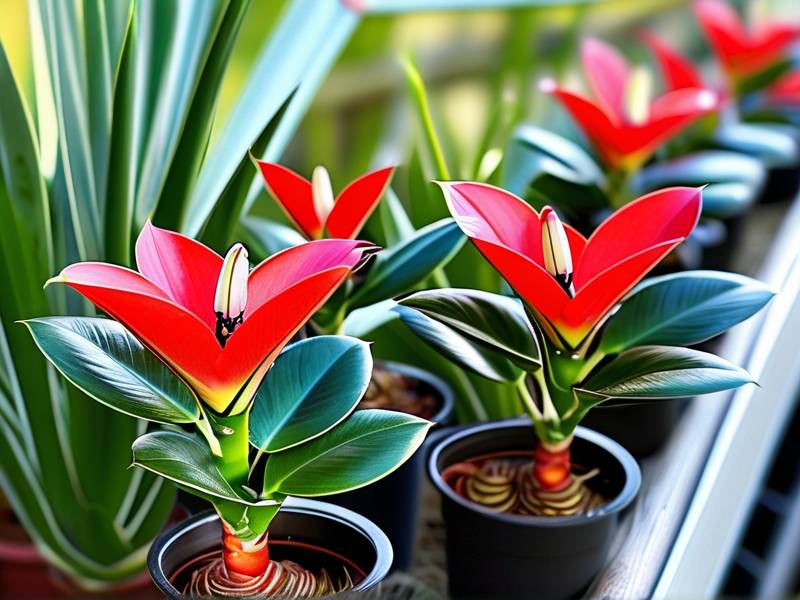
First, let’s talk about what makes this plant tick. Often called the Ti plant or Hawaiian good-luck plant, Cordyline fruticosa is native to tropical Southeast Asia and the Pacific. According to the Royal Horticultural Society (RHS), these plants thrive in warm, humid conditions with bright, filtered light. The intensity of the red, pink, or purple pigmentation is directly linked to light exposure. The American Horticultural Society (AHS) notes that while they are adaptable, consistent care is key to preventing stress signs like leaf drop or color loss.
The Non-Negotiable: Perfect Light for Vibrant Color
This was my biggest “aha!” moment. For maintaining cordyline red leaf color, light is everything.
In my first week, I moved Ember to three different locations. Spot one was a north-facing window (too dim). Spot two was a south-facing window with a sheer curtain (promising). Spot three was under a grow light for 6 hours a day (experimental).
By day four in the south-facing window, I noticed a change. The existing red leaves seemed richer, and the newest leaf unfurling had a deeper burgundy hue. Under the grow light, the color was also intense, but I saw slight bleaching on one leaf tip—a sign of too much direct intensity.
The Solution I Landed On: Bright, indirect light for at least 6 hours. My sweet spot was within 3 feet of that south-east window. The morning sun is gentle but effective. If you only have lower light, consider a broad-spectrum LED grow light placed about 12-18 inches above the plant for 8-10 hours. This single change was 80% of the battle for color.
Watering Wisdom: Avoiding the Soggy Pitfall
My second major pitfall was watering. I used to water on a schedule. Big mistake.
During my two-week observation, I used a simple moisture meter. I let the top 1-2 inches of soil dry out completely before watering deeply. In my home’s conditions (around 40% humidity), this meant watering every 9-10 days.
In week one, I over-watered once, thinking it looked thirsty. The soil stayed soggy for days. By day three, the lowest leaf began to yellow rapidly—a classic sign of root distress. I immediately stopped watering and placed the pot on a rack to improve air circulation around the drainage holes. I also gently aerated the topsoil with a chopstick.
My Corrected Routine: The “finger test” is your best friend. Stick your finger into the soil up to the second knuckle. If it’s dry, it’s time for a thorough watering until it runs freely from the bottom. Empty the saucer afterward! Never let it sit in water. This promotes a healthy root system, which is the foundation for optimal cordyline care.
Humidity: The Secret for Lush, Unblemished Leaves
Cordylines crave humidity, which was a challenge in my temperate home. Brown, crispy leaf tips were my constant nemesis.
For my experiment, I tried three methods concurrently on different sides of the same plant: a pebble tray, daily misting, and a small humidifier placed nearby.
The results after 14 days were clear. The leaves near the humidifier were flawless—glossy and supple. The section near the pebble tray showed minor improvement. The misted leaves? They still developed tiny brown edges. Experts from the RHS support this, often stating that misting can be ineffective and even promote fungal issues if foliage doesn’t dry quickly.
My Winning Setup: A small, quiet humidifier set to maintain 50-60% humidity around the plant cluster. It’s the most consistent method. Grouping plants together also creates a beneficial microclimate.
Feeding for Fiery Foliage
Fertilizer is not just for growth; it’s for color. I learned that a lack of certain nutrients can cause chlorosis (yellowing) and fade that beautiful red.
I used a balanced, water-soluble liquid fertilizer (with a slight emphasis on micronutrients like magnesium and iron) at half strength. I applied it once at the beginning of my two-week trial.
By the end of the second week, the plant seemed to have a more overall “glow.” The growth appeared steady, not explosive, which is ideal. The key is dilution. As per AHS guidelines on container plant feeding, “less is more” to avoid salt buildup that can burn roots and counteract all your good work.
My Fertilizer Schedule: During the active growing season (spring and summer), I now feed every 4-6 weeks with a half-strength fertilizer. In fall and winter, I stop entirely.
Soil and Repotting: Providing the Right Foundation
A quick note on soil, because my first Cordyline suffered from a poor mix. They need a well-draining, slightly acidic to neutral potting medium.
I repotted Ember just before my observation period using a mix of 2 parts peat-free potting compost, 1 part perlite, and 1 part orchid bark for aeration. The improvement in drainage was immediate, and the plant showed no signs of transplant shock, settling in quickly for my experiment.
When to Repot: Only when roots circle the bottom of the pot or grow out of drainage holes. They do well being slightly root-bound.
Common Problems and My Quick Fixes
Even with perfect care, issues pop up. Here’s what I faced:
- Brown Leaf Tips: This was my constant battle. As solved above, consistent humidity is the cure. I now trim the brown tips with clean scissors, following the natural leaf shape, to keep it looking tidy.
- Fading Leaf Color: If new leaves are green, increase light exposure gradually. If older leaves are fading, it might be a natural aging process; simply prune them off at the base to encourage new red growth.
- Pests: I spotted some spider mites during a dry spell. I wiped every leaf, top and bottom, with a neem oil and water solution. I repeated this every 4 days for two weeks, and they were gone. Regular leaf inspection is crucial.
What is the best way to encourage more red leaves on my Cordyline? Provide plenty of bright, indirect light. This is the single most important factor. Consider a grow light if your home is naturally dim. Ensure the plant is also receiving appropriate fertilizer during the growing season to support the production of vibrant pigments.
How often should I water my Cordyline fruticosa? Never on a strict schedule. Water only when the top layer of soil feels dry to the touch. This could be weekly in summer or bi-weekly in winter, depending on your home’s temperature and humidity. The goal is consistently moist but never waterlogged soil.
Why are the leaves on my plant turning yellow and dropping? Yellowing lower leaves can be a normal part of growth as the plant matures. However, widespread yellowing often points to overwatering and potential root rot. Check your soil moisture and drainage immediately. Conversely, multiple yellow leaves can also signal underwatering or a need for fertilizer.
Caring for a red Cordyline fruticosa is deeply rewarding. It’s not a “set it and forget it” plant, but its dramatic feedback makes you a better plant parent. By mastering the balance of intense light, careful watering, and boosted humidity, you’re not just keeping a plant alive—you’re cultivating a living sculpture of fiery color. Remember, observe your plant closely; it will tell you what it needs. Start with light, adjust the water, boost the humidity, and feed it gently. Your efforts will be repaid tenfold in stunning, healthy red foliage.