bluename
 How to Treat Thrips-Caused Leaf Curl on Ctenanthe Oppenheimiana
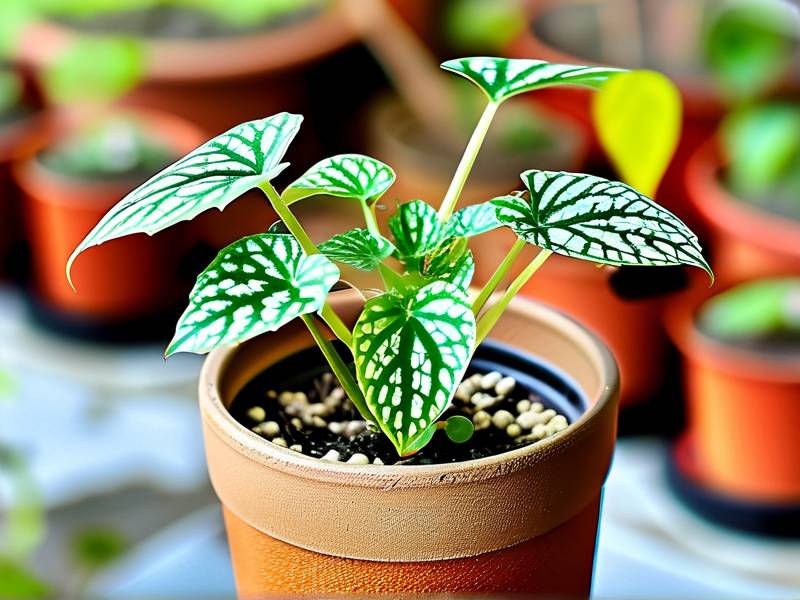
If your Ctenanthe oppenheimiana leaves are curling, thickening, or puckering, thrips are the likely culprit. I know because I spent three weeks blaming low humidity before I finally flipped a leaf over and saw the tiny, pale, wriggling nymphs lined up along the midrib. The fix isn't complicated, but it has to be consistent. You need to isolate the plant, shower off the pests, treat every seven days with insecticidal soap or spinosad, and stop misting the foliage until new growth unrolls clean. That's the short answer. The longer version—including the two plants I killed figuring this out—is below.
Why Thrips Make Ctenanthe Leaves Curl in the First Place
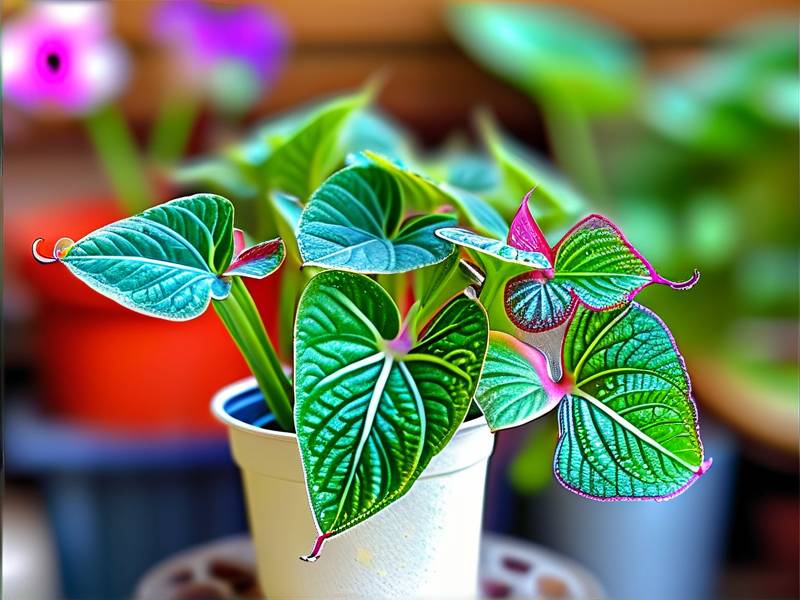
Thrips don't chew holes the way caterpillars do. They pierce and suck.
On a Ctenanthe oppenheimiana, that feeding happens mostly on the underside of leaves, right along the veins. The plant responds by puckering, curling inward, and sometimes developing silvery or bronzed patches on the surface.
New leaves are hit hardest. I've watched a fresh leaf emerge already twisted because the thrips were feeding on it before it even unfurled.
The tricky part is that the damage looks a lot like low humidity stress. Ctenanthe is a Calathea relative, so everyone—including me—defaults to "it needs more moisture in the air."
I lost my first Ctenanthe that way. I kept misting and misting, convinced it was a humidity problem, while thrips multiplied happily in the damp leaf folds. More humidity, it turns out, can actually slow down some of your treatment options because wettable powders and oils don't adhere well when leaves are already wet.
The Three Mistakes That Made My Infestation Worse
Mistake 1: Overwatering while panicking about the curling
Here's the thing nobody tells you at the garden center: 90% of indoor plants die from overwatering, not from the pest you're worried about.
When leaves curl, your instinct is to water more. I did that. The soil stayed wet, the roots suffocated, and the plant declined faster than the thrips could have managed on their own. Thrips damage was maybe 30% of the problem. Root rot from my "helpful" watering was the other 70%.
Mistake 2: Moving the plant into bright light to "help it recover"
Ctenanthe oppenheimiana wants medium to bright indirect light. Full sun scorches it.
I moved mine to a south-facing windowsill thinking more light meant faster recovery. Two days later the curled leaves had crispy brown edges on top of everything else. The RHS is clear that most Calathea and Ctenanthe species need filtered or indirect light, and direct midday sun will cause leaf scorch even on healthy plants, let alone stressed ones.
Mistake 3: Repotting into a pot that was too big
I thought a bigger pot would give the roots room to breathe and recover. Wrong.
A too-large pot holds excess soil that stays wet for weeks. Ctenanthe roots are fine and shallow. They can't colonize that extra volume fast enough, so the soil sours. I've killed two plants this way—a Stromanthe and a Calathea—before I finally accepted that these plants prefer being slightly snug in their pots.
What Actually Worked: My Two-Week Treatment Log
I'm going to walk through exactly what I did, day by day, because the timing matters more than the products.
Day 1: Isolation and inspection
I moved the Ctenanthe to a bathroom away from every other plant. Then I checked every leaf, top and bottom, with a flashlight.
Thrips are small—about 1 to 2 mm. The adults are slender and dark; the nymphs are almost translucent. You'll also see tiny black specks, which are their frass. If you tap a leaf over white paper, you might see them move.
I found them on about six leaves. Two of those leaves were too far gone—yellowed, completely curled, no green left. I cut those off at the base with clean scissors and bagged them immediately.
Day 2: The shower
I took the whole plant into the shower and rinsed every leaf with room-temperature water. Not cold, not warm—room temperature. Cold water shocked the roots on a previous plant I tried this with, and I'm not making that mistake again.
I focused the spray on the undersides of the leaves, where thrips hang out. The water pressure knocked off a good number of them.
Day 3: First treatment spray
I used insecticidal soap, diluted according to the bottle. The key is to coat the undersides thoroughly. Thrips hide in the tightest folds of the curled leaves, so I gently opened each curl with my fingers and sprayed inside.
Spinosad is another option, and some growers I know prefer it because it has some residual activity. I went with soap first because I had it on hand, and I wanted to see if it worked before ordering anything else.
Day 5: Checking for survivors
I tapped a few leaves over white paper. Still saw two adult thrips moving. Not a disaster—soap only kills what it touches—but it meant I needed to stay on schedule.
Day 7: Second spray
Same routine. Shower first, then spray. I also wiped down the windowsill and the outside of the pot with diluted soap, just in case any thrips had wandered off the plant.
Day 10: Real progress
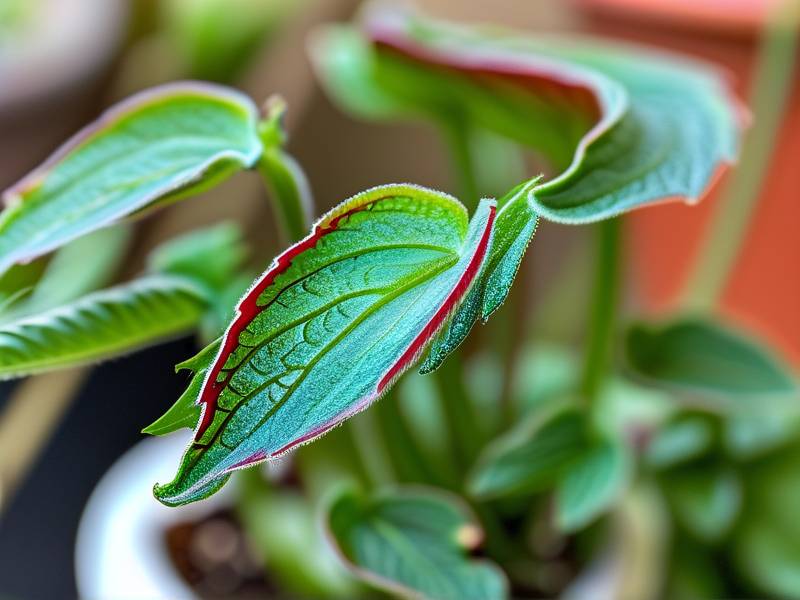
New leaf emerging—and for the first time in weeks, it wasn't twisted. It was still small, but the edges were smooth and flat. The older curled leaves were still curled; those won't unfurl. But the plant was clearly pushing healthy growth.
Day 14: Second full inspection
No thrips on the paper test. No new damage. I kept the plant isolated for another week just to be safe, but the treatment had worked.
The Products I'd Use Again (and One I Wouldn't)
Insecticidal soap is my first choice for mild infestations. It's cheap, low-risk for indoor use, and effective if you're thorough. The catch is that it only works on contact, so you have to reapply every 5 to 7 days for at least three rounds to catch newly hatched nymphs.
Spinosad is stronger and has some residual effect. If soap isn't cutting it after two applications, switch to spinosad. I keep a bottle on hand now for exactly this reason.
Neem oil—I tried it once. It worked, but it left a residue that made the Ctenanthe leaves look dull, and the smell lingered in my living room for days. Some people swear by it. I find it messy and slow. That's just my experience.
Systemic granules are worth mentioning. If you have a serious recurring problem, granules containing imidacloprid can be watered into the soil. The plant takes up the insecticide, and thrips feeding on it die. But they're not ideal for every situation, and I'd rather exhaust contact treatments first.
What the Experts Say About Thrips Control
The AHS notes that thrips are notoriously difficult to control once established because they lay eggs inside leaf tissue, where sprays can't reach them. That's why repeated applications are non-negotiable. You're not just killing the adults you see—you're waiting out the eggs.
I've found this to be exactly true. One spray does almost nothing. Three sprays, spaced a week apart, does the job.
Preventing Thrips From Coming Back
Quarantine every new plant for two weeks. I didn't do this with the Ctenanthe that started this whole mess. It came home from a nursery with thrips already on it. Two weeks in a separate room would have saved me a month of work.
Inspect leaf undersides weekly. Thrips populations explode fast. Catching five thrips is easy. Catching five hundred is a nightmare.
Keep humidity moderate, not extreme. Ctenanthe likes 50–60% humidity. Pushing it higher doesn't prevent thrips, and it can encourage fungal issues.
Don't overwater. I'll say it again—90% of indoor plants die from overwatering. Thrips weaken a plant; overwatering kills it. Keep the soil consistently moist but never soggy. Let the top inch dry slightly between waterings.
Avoid crowded plant groupings. Thrips move between plants by crawling or by hopping a short distance. Give your Ctenanthe some breathing room.
Three Questions I Get Asked All the Time
Will curled leaves ever go back to normal?
No. Once a leaf is curled and thickened from thrips damage, it stays that way. Your goal is healthy new growth. When you see a new leaf unfurl flat and smooth, you've won.
How long does treatment take?
Plan on four to six weeks. I saw improvement in two weeks, but I kept treating for another two weeks after that to make sure no eggs survived. If you stop as soon as things look better, they'll come back.
Can I just use rubbing alcohol on a cotton swab?
You can, and I've done it for small spots. But it's impractical for a full infestation. It's a spot treatment, not a solution. Use it to kill individual thrips you spot while you're waiting for your next spray day.
Where I Landed After All This
Ctenanthe oppenheimiana is worth the effort. The leaves are stunning when they're healthy, and once you understand what thrips damage looks like, you'll catch it early next time.
The plant that started this whole process is now pushing three new leaves. They're flat, wide, and perfectly patterned. The old curled leaves are still there—I'll trim them off eventually—but the plant has moved on.
The lesson, for me, was simple: stop guessing, start inspecting. Flip the leaves. Look for the tiny black specks and the pale nymphs. Treat consistently. And for goodness' sake, stop overwatering. That alone will save more plants than any spray bottle ever will.