bluename
 How to Rescue Dying Strelitzia Reginae with Advanced Root-Rot Decay
I nearly lost my five-year-old bird of paradise last spring. The leaves curled, turned brown at the edges, and the whole plant slumped like it had given up. When I pulled it from the pot, the roots were mushy, dark, and smelled like a swamp. That's when I learned that rescuing a strelitzia reginae with advanced root-rot decay isn't about tossing it out. It's about surgery, patience, and a two-week watch-and-wait game that most people give up on too early.
Here's the short answer: cut away every rotten root, soak what's left in a fungicide solution, repot in fresh fast-draining mix, and water almost nothing for two weeks. I know that sounds simple. The tricky part is doing it right and not panicking when the plant looks worse before it looks better.
I've killed three bird of paradise plants before I figured this out. The first one drowned. The second one baked in direct afternoon sun. The third sat in a pot with no drainage holes. All three died the same slow death, and all three could have been saved if I'd acted faster.
Why Root Rot Hits Strelitzia Reginae So Hard
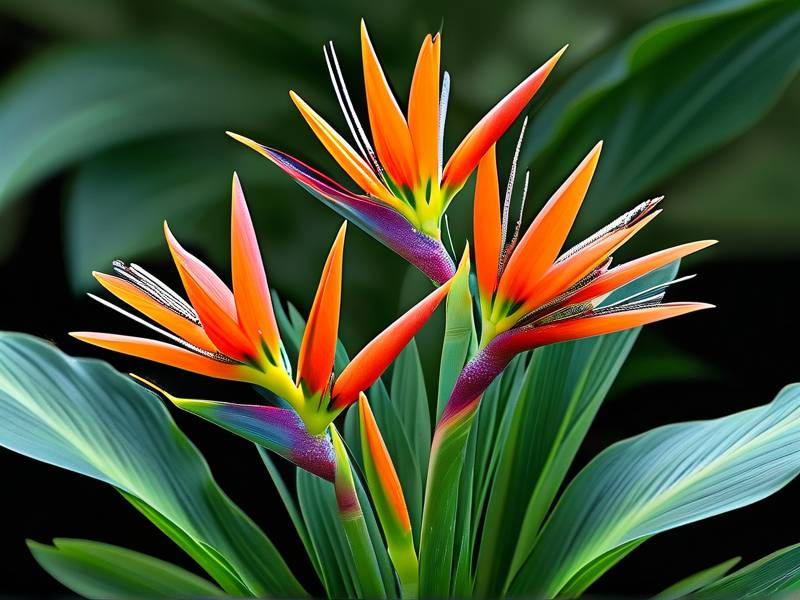
Strelitzia reginae comes from coastal South Africa. It grows in sandy, rocky soil that drains in seconds. Roots sit shallow and spread wide. They hate sitting in wet, compacted potting mix.
Indoor growers in the US, Canada, the UK, and Australia run into the same wall. Homes stay humid. Pots sit on saucers. Water pools at the bottom and never leaves. That's the perfect storm for root rot.
The RHS puts it plainly: most houseplant deaths trace back to watering habits, not pests or disease. The AHS says the same thing in its houseplant guides. Overwatering is the number one killer.
I'll say it straight: 90% of indoor plants die from overwatering. Bird of paradise is no exception. It's actually one of the easiest plants to drown because its thick roots hold moisture and rot from the inside out.
The Three Mistakes That Killed My Plants
Mistake 1: Watering on a Schedule
I used to water every Sunday. Same time, same amount. That's a recipe for disaster. Strelitzia reginae doesn't care what day it is. It cares whether the top two inches of soil are dry.
I killed my second plant this way. The soil looked dry on top but stayed soaked three inches down. By the time I noticed, the lower roots were already black.
Fix: Stick your finger in the soil up to the second knuckle. If it's damp, wait. If it's dry, water deeply until it runs out the bottom. Then empty the saucer. Never let the pot sit in water.
Mistake 2: Putting It in the Wrong Light
Bird of paradise loves bright light. But "bright" doesn't mean "full afternoon sun through a south window." I learned that the hard way with plant number two.
The leaves bleached, then crisped. I thought it was underwatered, so I watered more. That made the rot worse. The plant was stressed from light damage and sitting in wet soil. Double whammy.
Fix: Give it bright, indirect light or morning sun. A few hours of gentle morning light is perfect. Harsh afternoon sun in summer will scorch the leaves. In winter, when light is weak, a grow light helps.
Mistake 3: Using the Wrong Pot
This one took me way too long to figure out. I loved decorative ceramic pots. No drainage holes. Pretty, but deadly.
Water sat at the bottom like a mini pond. The roots closest to the bottom rotted first. By the time the top leaves showed symptoms, half the root system was gone.
Fix: Always use a pot with drainage holes. Terra cotta is great because it breathes and wicks away moisture. If you want a decorative outer pot, use it as a cachepot and empty it after watering. Never let water sit in it.
How I Rescued My Strelitzia Reginae: Step by Step
This is the exact process I used. The plant was in bad shape. Advanced root rot. Most of the roots were brown and mushy. I almost tossed it.
Step 1: Pull It Out and Inspect
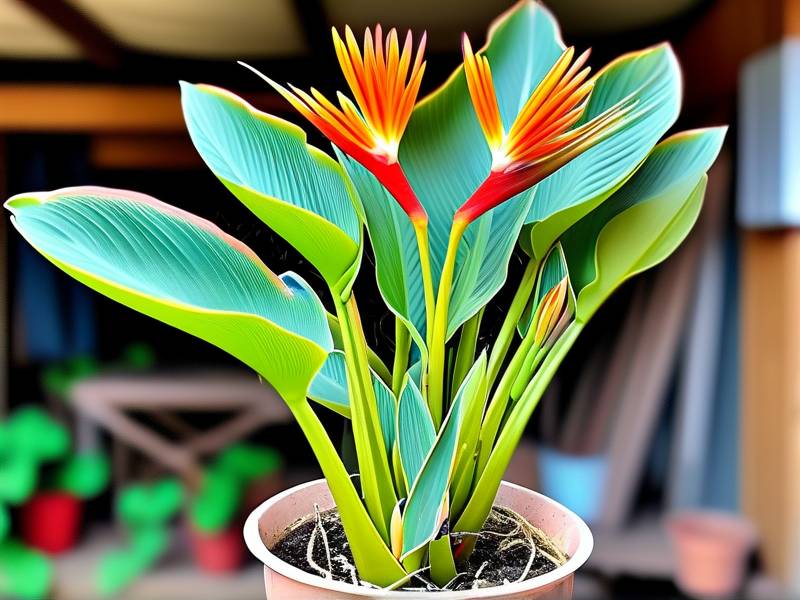
I gently slid the plant out of its pot. I didn't tug. I squeezed the sides and tipped it over.
The smell hit me first. That sour, earthy rot smell. Not good.
I rinsed the roots under lukewarm water. Just enough to see what I was dealing with. Then I laid it on a clean towel.
Step 2: Cut Away the Rot
This is the hard part. You have to be ruthless.
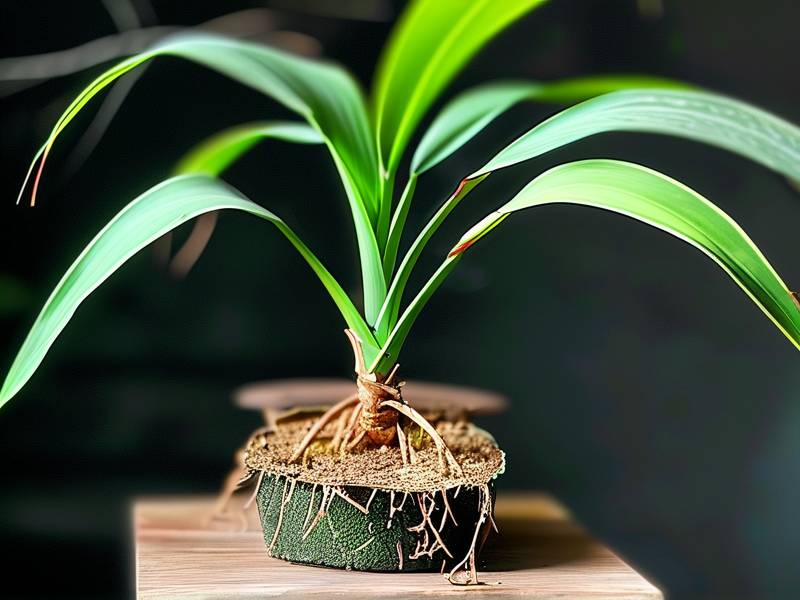
I used sterilized pruning shears. I cut every brown, mushy, smelly root back to firm white or pale yellow tissue. If a root was half rotten, I cut the whole thing. No half measures.
I dipped the shears in rubbing alcohol between cuts. I didn't want to spread bacteria.
I probably removed 60% of the root mass. It felt wrong. But leaving rotten roots in the soil guarantees the rot comes back.
Step 3: Treat What's Left
I mixed a fungicide solution. I used a copper-based fungicide because it's widely available and works on root rot. I soaked the remaining roots for about 15 minutes.
Some growers use hydrogen peroxide instead. One part 3% peroxide to two parts water. I've tried both. The copper fungicide worked better for me.
Step 4: Repot in Fresh Mix
I threw out the old soil. Don't reuse it. It's full of rot spores.
I made my own mix:
- 40% pine bark fines
- 30% perlite
- 20% coarse sand
- 10% peat moss
This mix drains fast. Water runs right through it. That's what strelitzia roots want.
I used a terra cotta pot one size smaller than the original. A smaller pot means less soil around the roots. Less soil means less moisture hanging around.
Step 5: Wait and Watch
This is the part where most people mess up. After repotting a plant with root rot, do not water it. Not for at least five days.
I waited five days. Then I gave it a light watering. Just enough to settle the soil. Then I waited another week.
I kept the plant in bright, indirect light. No direct sun. No fertilizer. No misting.
My Two-Week Observation Log
I kept notes. Here's what actually happened.
Day 1-3: The plant looked awful. Leaves drooped more than before. I panicked a little. This is normal. The roots are in shock. They can't take up water yet.
Day 4-6: One leaf turned yellow and died. I cut it off. The plant was sacrificing leaves to save energy. That's a good sign. It means the plant is fighting.
Day 7: I saw the first tiny sign of hope. A new leaf bud appeared at the base. It was small, maybe half an inch. But it was green and firm.
Day 10: The remaining leaves stopped drooping. They didn't perk up yet, but they held their shape. The soil was dry two inches down. I watered lightly.
Day 14: The new leaf bud had grown to about an inch. The older leaves looked stable. No new rot smell. No mushy stems. The plant was alive.
That two-week window is critical. You won't see instant recovery. You'll see slow, tiny signs. If the plant is still green and firm at the base after two weeks, you're winning.
What to Do After the First Two Weeks
Don't relax yet. The next month is about rebuilding.
Water only when the top two inches of soil are dry. In my home, that was every 10-14 days. In a humid climate, it might be longer. In a dry climate, shorter. Check the soil, not the calendar.
No fertilizer for at least six weeks. The roots are fragile. Fertilizer salts will burn them.
Keep the plant warm. Strelitzia reginae likes 65-80°F (18-27°C). Cold drafts slow recovery.
If you see new growth, that's your green light. New leaves mean new roots. Once you have two or three new leaves, you can start a diluted fertilizer routine. Half strength, once a month.
Prevention: How to Never Deal with Root Rot Again
I wish I'd known this five years ago.
Use the right soil. Fast-draining mix is non-negotiable. If your soil holds water like a sponge, change it.
Use the right pot. Drainage holes. Always. Terra cotta is your friend.
Water less than you think. Strelitzia reginae is more drought-tolerant than you'd guess. When in doubt, wait another day.
Check the roots once a year. I repot every spring. I inspect the roots while I'm at it. Catching rot early is a hundred times easier than treating advanced decay.
Keep the leaves dry. Water the soil, not the leaves. Wet leaves invite fungal issues. That's a different problem, but it stacks on top of root rot.
FAQ
Can a strelitzia reginae with advanced root rot come back? Yes, but it takes work. If more than 70% of the roots are gone, your chances drop. If there's still firm white root tissue and a healthy crown, you have a shot. I saved mine with maybe 40% of its roots left. It took three months to look normal again.
How often should I water after rescuing a bird of paradise? Wait five days after repotting. Then water lightly. After that, water only when the top two inches of soil are dry. For most homes, that's every 10-14 days. In winter, even less.
What's the best fungicide for root rot on strelitzia? Copper-based fungicides are reliable and easy to find. Hydrogen peroxide (1 part 3% peroxide to 2 parts water) works as a milder option. I've used both. Copper worked better for advanced rot. Always follow the label directions.
Final Thoughts
Rescuing a strelitzia reginae with advanced root-rot decay is not for the faint of heart. It's messy. It's smelly. And for the first week, it looks like you're losing.
But if you cut away the rot, repot in fast-draining mix, and resist the urge to water, you give the plant a real chance. I've done it. My bird of paradise is now pushing out its third new leaf since the rescue. It's not fully back yet. But it's alive, and that's everything.
If you're staring at a sad, drooping strelitzia right now, don't give up. Pull it out. Look at the roots. You might be surprised at what you can save.