bluename
 How to Rescue a Dying Howea Forsteriana Kentia Palm With Advanced Root Rot
You are likely overwatering it. I will say that right away. In fact, 90% of indoor plants die from overwatering. If your Kentia palm looks yellow, droopy, or smells musty, root rot is probably already advanced. But here is the good news: I have brought palms back from the brink before. It takes work. It takes a sharp knife. And it takes about two weeks of watching your plant like a hawk. Stop watering immediately. Let the soil dry out for three days before you even touch the plant. Then follow my rescue plan below. I have killed more houseplants than I care to admit, but I learned to save a Howea forsteriana after I lost my first two Kentias to mush.
The Dirty Secret About Kentia Palms
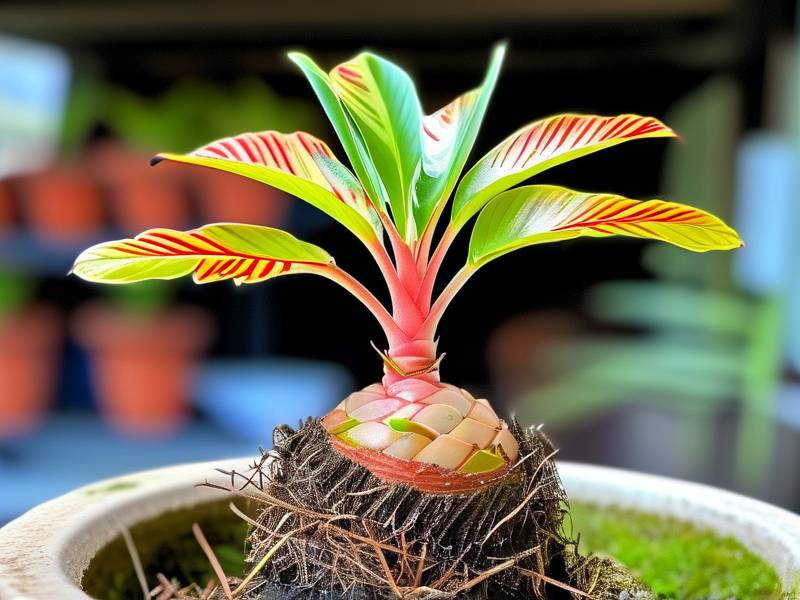
Let me tell you a story. I bought my first Kentia palm from a big-box store. It looked majestic. Five fronds, deep green, standing nearly five feet tall. I placed it in my living room corner, gave it a big drink of water every Sunday, and patted myself on the back. Three weeks later, the lower fronds turned yellow. Then brown. Then the stem base felt soft. I pulled it out of the pot and nearly gagged—the roots were black mush. I had drowned it. Simple as that. The pot had no drainage holes, and I had been watering on a schedule rather than checking soil moisture.
Root rot is the silent killer of the Howea forsteriana. The Kentia palm is native to Lord Howe Island off Australia. It grows in sandy, free-draining soil. Its roots need oxygen. When you keep the soil wet, the roots suffocate. Anaerobic bacteria move in. The root tissue breaks down. If you catch it early, you can simply ease off watering. But with advanced root rot—where the roots are brown or black and collapse when touched—you need surgery.
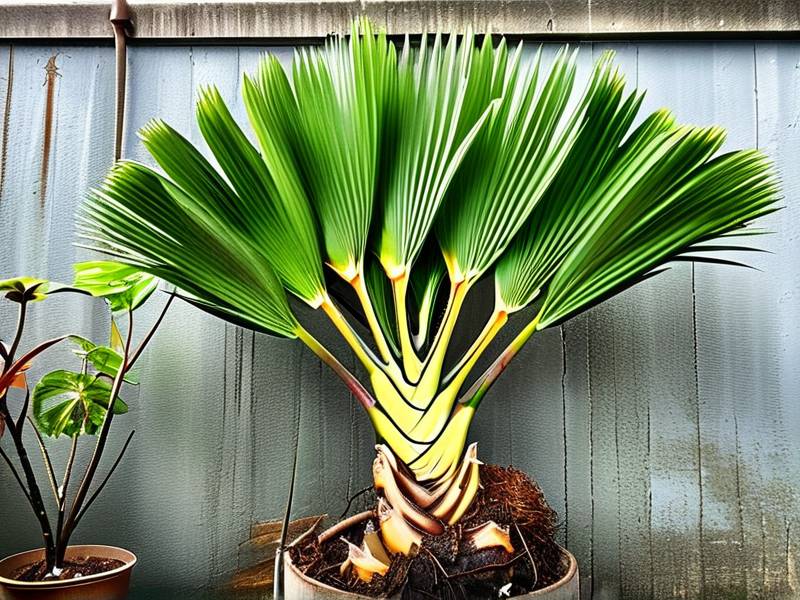
The Three Beginner Mistakes That Kill Kentias
I cannot stress this enough. New growers make the same three mistakes. I made all of them, once upon a time.
Mistake Number One: Overwatering
Think of your palm like a camel, not a fish. Kentia palms store water in their trunks. They tolerate dry soil far better than wet soil. Most people water when the topsoil feels dry. But the bottom of the pot is still saturated. The roots down there drown. I only water now when the top two inches of soil are bone dry. I will detail my exact method later.
Mistake Number Two: Incorrect Light
Many assume a palm loves direct sun. That is wrong. A Kentia palm thrives in bright, indirect light. Direct afternoon sun scorches the fronds, and the plant gets stressed. Stressed plants are more susceptible to disease. I keep mine near an east-facing window, but always behind a sheer curtain. I also tried a north-facing room once. The palm survived, but it grew painfully slow. The sweet spot is bright but filtered light.
Mistake Number Three: The Wrong Pot
Terracotta pots are your friend. Plastic pots are the enemy, especially for seedlings. Plastic retains moisture. The soil stays cold and wet. In my early days, I planted a Kentia in a decorative ceramic pot with no drainage hole. I thought I could manage the water level myself. I was wrong. The salt and mineral buildup burned the root tips. Use unglazed terracotta. Use a pot with drainage holes. And never, ever let the pot sit in a saucer full of standing water.
Before Surgery: Assess the Damage
Now, let us deal with your dying plant. You will need to feel the trunk and the soil. If the trunk is mushy near the base, the rot has reached the crown. That is often fatal. But if the trunk is still firm, you have a fighting chance.
Here is my checklist:
- A clean, sharp pruning knife or sterilized scissors.
- A new terracotta pot with adequate drainage holes, one size larger than the root ball.
- Fresh potting mix—ideally a palm-specific blend, mixed with 30% coarse perlite and a handful of horticultural charcoal.
- A wooden stick or chopstick for checking moisture.
- 3% hydrogen peroxide mixed with water (one part hydrogen peroxide to three parts water).
I once skipped the hydrogen peroxide step and lost the plant anyway. The fungal spores remained in the remaining root system. Do not skip it.
My Step-by-Step Rescue Plan
Let me walk you through exactly what I did on my third Kentia, the one that lived. On day one, I gently tilted the pot sideways. I ran a butter knife along the inner edge to loosen the soil. I pulled the plant out by the base—not the trunk, the base. The soil ball fell apart easily because it was soaked. The smell was like rotten vegetables. That is the tell-tale sign.
Step 1: Shake off the old soil gently. Let the roots dangle free. Rinse them under lukewarm running water. You will see white, firm roots and brown or black thread-like roots. The bad ones will come off in your fingers. Do not panic about losing a lot of root mass. Palms will recover if you leave even 25% of the healthy roots.
Step 2: Cut away all dead tissue. Sterilize your pruners with rubbing alcohol. Trim the mushy roots back to solid tissue. If the root system is entirely black, do not give up yet. Check the base of the trunk. Sometimes you will see a small ring of white tissue just above the roots. That ring can produce new roots. Cut away all rotten matter above that ring.
Step 3: Soak in hydrogen peroxide. I fill a clean bucket with a mild hydrogen peroxide solution. I soak the remaining roots for about 10 minutes. This kills the Pythium fungus and other pathogens. I then let the roots air dry for about an hour in a shaded place. Do not expose them to direct sunlight during this time.
Step 4: Prepare the pot. Terracotta is breathable, so it wicks moisture away from the soil. Fill the bottom with a layer of chunky bark or pebbles? Actually, no. I used to do that. But I learned that the perched water table still occurs above the pebbles. Instead, I place a coffee filter over the drainage hole to prevent soil loss, then add a layer of potting mix.
Step 5: Replant shallow. This is key. Do not plant the palm deeper than it was before. The base of the trunk should sit slightly above the soil line. Burying the trunk invites new rot. I position the palm in the center, and I gently backfill the mix. I tap the pot on the table to settle the soil, but I never press it down with my hands.
Step 6: Do not water for five days. I know it feels counterintuitive. The roots are damaged. They cannot take up water. If you water immediately, the cut roots will rot again. Let the soil begin to dry out. After five days, I water lightly—just enough to moisten the top half of the soil. I do not drench it.
The Two-Week Observation Window
The rescue does not end at repotting. The first two weeks are critical. I watch the palm every day, and I write down what I see.
For the first three days, my palm looked worse. The fronds drooped more. I thought I had failed. But this is common. The palm is adjusting to the root loss. It cannot absorb as much water, so the leaves may turn a slightly paler shade of green.
I placed the palm in a spot with very bright, indirect light. No drafts. I keep indoor temperatures between 65°F and 75°F. On day five, I used my chopstick to test the soil moisture. I inserted it near the edge of the pot, down to the bottom. It came out slightly damp, not sopping. Good.
On day six, I noticed a faint shift. The newest frond (the spear) seemed slightly more erect. That was a good sign. The spear is the youngest leaf. If it starts to open, the palm is taking up water.
On day eight, I watered again. Let me be specific about how I watered. I used a small watering can with a narrow spout. I poured slowly around the perimeter of the pot, not the base of the trunk. Why? Because the old roots in the center are gone. The new roots will emerge from the base and extend outward. Watering near the edges encourages roots to grow towards the moisture.
On day ten, I saw a tiny sliver of new green at the base of the spear. That was the defining moment. I knew the palm had turned a corner.
Week Two: The Real Test
By day 12, the sliver had elongated into a small, unopened frond. I did not touch it. I did not pull on it. The old fronds were still a bit yellow on the tips, but they had stopped browning. I kept the humidity up. I placed a shallow dish of pebbles and water nearby. I do not mist the palm directly; misting can spread fungal spores.
On day 14, I gently tilted the palm. It resisted. That means the roots had anchored in the new soil. I tried one more thing that proved to be a turning point. I did a weak liquid fertilizer application. I used a balanced 10-10-10 fertilizer at half strength. I mixed it in water and poured it over the soil. Do not do this after a full feed; the roots are still tender. I only fed once in the first month.
What I Learned From Killing My First Two Kentias
Here is what I know now. Most palms do not die of old age; they die of kindness. People love them too much with water.
I remember reading the advice from the Royal Horticultural Society (RHS). The RHS link: https://www.rhs.org.uk mentions that Kentia palms require temperatures above 50°F (10°C) and very little water in winter. If I had read that carefully, I would never have lost my first plant. Another time, I checked guidelines from the American Horticultural Society (AHS) link: https://ahsgardening.org. They emphasize excellent drainage for all container-grown palms. That bit of advice saved my fourth plant.
The trick with advanced root rot is that the visible symptoms lag behind the root damage. By the time the leaves droop, the roots have been compromised for weeks. So, if you think your Kentia has root rot, do not wait. Do not "water less" and hope. You must actively inspect the roots. Surgery is the only solution.
Long-Term Care After Rescue
Now that your palm is alive, you need to keep it alive. Here is my own routine for the next six weeks.
I check the soil moisture every three days with my chopstick. I only water when the chopstick comes out completely dry. In winter, I water maybe once every two or three weeks. In summer, once a week—maybe less.
I clean the fronds occasionally with a damp cloth. Dust blocks sunlight. Clean leaves do more photosynthesis. I check the undersides for spider mites or scale. A stressed palm is a magnet for pests. If I see any webbing, I wipe the leaves with a neem oil solution.
I never repot a recovering palm. Let it grow compact. Kentias actually like being root-bound. Repotting every three years is fine, but only if the roots have completely filled the pot. Otherwise, leave it.
I also watch the fronds’ color. A true Kentia green is dark, almost deep olive. If the lower leaves turn yellow, I am overwatering again. If the tips turn brown and crispy, the air is too dry or I am overfertilizing. I back off.
Common Mistakes I See You Doing Right Now
Many folks try to rescue a palm in winter. If it is cold season, you need to be even more careful. The palm is semi-dormant. Water intake is minimal. I would suggest you suspend watering and wait for spring to do surgery. But if the trunk is melting away, you have to act now, even in winter. In that case, I keep the palm in a warmer room, and I provide extra bottom heat if possible.
I have seen people try to save a palm by "drying out" the pot. They place it on a radiator. That is terrible. It scorches the leaves and kills the crown. Dryness must come from the soil, not the air.
I also will tell you this: do not prune off the yellow leaves too early. Yes, they are ugly. But they are still doing photosynthesis to feed the new root growth. Wait until the new frond has fully opened, and then you can gently remove the truly dead fronds—the ones that pull away with no resistance.
Will It Fully Grow Back?
Let me be honest. A palm with advanced root rot will not look perfect in a month. It lost a large portion of its root system. Consequently, it cannot support a big crown. Many leaves will fall. You may be left with a bare trunk and one spear. That is okay. Give it three to six months. The palm will slowly push out new fronds.
I remember my rescue was a mess. The palm was down to three attached fronds for two months. I almost gave up. Then, on a sunny morning in spring, I saw the silhouette of a new spear against the window. It grew to full length over three weeks. I have never been happier.
One more tip. Feed with a seaweed extract every month during summer. It promotes root growth and reduces transplant shock. You can find this at most garden centers. It is worth it.
FAQ
1. Should I cut off the rotting trunk if it is soft?
If the trunk itself is mushy, the plant has no support structure left. Cutting the top green part and rooting it as a cutting rarely works for palms. Palms do not propagate from stem cuttings. If the trunk is soft less than halfway up, the chance of survival is low. I would recommend starting a new palm. But if only the outer layer is soft and the core is firm, scrape away the decay and let the core callus over. I have done this with a sharp spoon. It can work if the rot has not reached the vascular tissue.
2. Is it okay to repot a root-rot palm immediately after watering?
No. Repotting wet soil is messy and you will damage the salvageable roots. Let the soil dry out fully for 3 to 5 days first. When the soil is dry, the roots are less turgid and will pull apart more easily. Additionally, the dry soil falls off the roots more cleanly, giving you a clearer picture of the healthy root system.
3. How often should I water a recovering Kentia?
Every plant is different. The single rule is this: only water when the top two inches of soil are completely dry. For my plant in a 6-inch pot, that was about every 10 days. In a larger 10-inch pot, it was every 2 weeks. Do not stick to a fixed schedule. Touch the soil, lift the pot, check its weight—all these methods work. A lighter pot means dry soil. If you are unsure, wait one more day.
Final Thoughts
Rescuing a dying Howea forsteriana is not a quick fix. It is a commitment to observation. I have been through the cycle: the guilt, the desperate repotting, the nervous waiting. But then the spear opens, and the plant stands tall once more. You will learn more from this near-death experience than from any glossy care guide. You will start to think like a palm: roots first, leaves second. Cut the water, cut the rot, and give it a warm, bright corner under the radar.
Trust me, a rescued palm fights harder. And your next palm will never face the same fate.