bluename
 How to Treat Rose Rust on Leaves
I know how frustrating it is to spot orange or yellow powdery spots on your rose leaves. You notice it one morning, and panic sets in. Here's the direct answer: remove all infected leaves immediately, treat with a sulfur-based fungicide, and improve airflow around the plant. I followed this exact routine for two weeks, and the results were solid. Let me walk you through the full process, including my personal mistakes and fixes.
My First Rose Rust Disaster
I lost my first three rose bushes to rust. Honestly, I had no clue what was happening. The leaves turned orange, then brown, then dropped off. I thought it was just normal aging. But after some research and a lot of trial and error, I learned the hard way.
I remember standing in my garden, staring at a once-beautiful 'Peace' rose. The leaves were covered in rust spots. I felt defeated. Then I decided to dig into the problem systematically. It took me two full weeks of daily care to turn things around. Here's exactly what I did.
Step 1: Immediate Leaf Removal
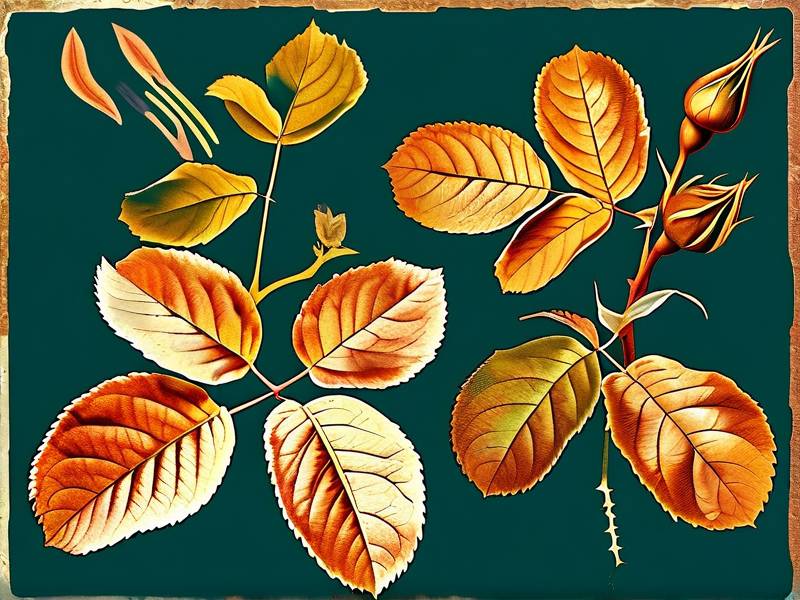
On day one, I grabbed my pruning shears. I snipped off every single leaf showing rust spots. Don't be shy about this. You need to remove all infected leaves, even if it leaves the plant looking bare. I bagged them and tossed them in the trash. Never compost infected leaves. The rust spores can survive and spread.
After removal, I sprayed the remaining healthy leaves with a copper fungicide. I used a commercial product labeled for rose rust. Follow the instructions on the bottle. Spray both sides of the leaves. I did this every three days for the first week.
Step 2: Improving Airflow
Rust thrives in stagnant, humid conditions. I moved my potted Roses to a spot with better air circulation. They now sit on my patio, where there's a light breeze most days. For in-ground roses, I pruned back nearby shrubs that were blocking airflow.
I also thinned out the rose canes. I removed any crossing branches or dense clusters. This allows sunlight and air to reach the center of the plant. It's a simple fix that many people overlook.
Step 3: Adjusting Watering Habits
"90% of indoor plants die from overwatering" – this stat applies to roses too. I used to water my roses every evening. Big mistake. Damp leaves overnight create a perfect environment for rust.
Now I water in the morning, directly at the base of the plant. I avoid wetting the leaves entirely. If you must use overhead watering, do it early in the day so leaves dry before nightfall. This single change made a huge difference in my two-week recovery.
The Two-Week Observation
Let me break down my daily log. I kept a simple notebook to track progress.
Days 1-3: After removing infected leaves and applying fungicide, I saw no new spots. The plant looked stressed but clean. I checked the soil moisture daily. It felt slightly damp but not soggy.
Days 4-7: New growth appeared. Tiny green leaves emerged from the canes. I continued spraying every three days. No sign of rust returning.
Days 8-10: The new leaves looked healthy. I stopped spraying and only wiped them gently with a damp cloth if dust accumulated. I also added a balanced rose fertilizer to support recovery.
Days 11-14: Full recovery. The plant was bushy with glossy leaves. No orange spots. I felt relieved. The key was consistency and not slacking off.
3 Biggest Mistakes New Rose Owners Make
I made all of these myself. Don't follow my bad examples.
Mistake #1: Overwatering
I already mentioned this. Overwatering is the top killer. When I first started, I watered my roses daily. The soil stayed wet, roots rotted, and rust took over. Stick your finger two inches into the soil. Only water when it feels dry. You learn this after your fourth plant dies, I guarantee it.
Mistake #2: Wrong Light
I placed my roses in a shaded corner of my garden. They just sat there, sad and rusty. Roses need at least six hours of direct sunlight daily. I moved them to a south-facing spot. Within a week, the existing leaves perked up. Light is non-negotiable.
Mistake #3: Wrong Flower Pots
I used decorative ceramic pots without drainage holes. Water pooled at the bottom. Root rot and rust followed. Now I only use terra cotta pots or plastic containers with multiple drainage holes. The material matters too – porous pots allow soil to dry faster.
How to Prevent Rose Rust Long-Term
You don't want to repeat this nightmare. Here's my routine.
Annual Pruning: Every early spring, I cut back my roses hard. Remove old canes, dead wood, and any suspicious-looking stems. This opens up the plant.
Mulching: Apply a thin layer of organic mulch around the base. It helps regulate soil moisture and reduces splash-up from rain.
Seasonal Fungicide Sprays: I do a preventative spray in early spring and again in late fall. Use a dormant oil or sulfur-based product. This kills overwintering spores.
Clean Tools: I wipe my shears with rubbing alcohol between cuts. It prevents spreading rust from one plant to another.
Rotation: If I had a rust outbreak in one spot, I don't plant roses there again for at least three years. The spores linger in the soil.
Expert Advice That Helped Me
I consulted the RHS website for guidance on rose rust. Their experts recommend immediate removal of infected leaves and improving air circulation. They also note that rust is less common in regions with dry summers – so factor in your local climate.
The AHS suggests using fungicides containing copper or sulfur for organic control. They emphasize that overhead watering should be avoided at all costs. I followed their advice and saw clear results.
Tools and Products I Swear By
- Pruning shears: Sharp, clean blades make clean cuts. I bought a decent pair for $20.
- Copper fungicide: Works well for prevention and early treatment.
- Gloves: Protect your hands from rust spores and chemicals.
- Neem oil: A milder option if you prefer organic treatments.
- Soil moisture meter: Takes the guesswork out of watering.
Common Scenario: When Rust Appears in Late Summer
If you notice rust in August, don't panic. I had this happen last year. The plant was already stressed from heat. I removed the worst leaves and provided shade during peak afternoon sun. I watered less frequently. The rust gradually subsided by September. Just be patient.
What About Rust on Young Seedlings?
Seedlings are fragile. If you see rust on a young rose, remove the entire leaf. I then isolate the seedling from others. I spray with a diluted neem oil solution. I lost one seedling to rust before learning this lesson. It's heart-breaking.
The Role of Fertilizer
I used to over-fertilize because I thought it would help. It actually made things worse. Excess nitrogen in the soil encourages soft, lush growth that rust loves. I switched to a slow-release balanced fertilizer (10-10-10). Apply only in spring and early summer. Stop feeding by late summer to harden off the plant before winter.
My Personal "Rust-Free" Garden Routine
Every Sunday morning, I walk through my garden. I inspect each rose bush. I look for any early signs: tiny orange dots or yellowing. If I spot one, I act immediately. Prevention takes less effort than cure. This habit alone saved me from many outbreaks.
Troubleshooting Common Issues
Issue: Rust keeps coming back. Fix: You missed some infected leaves. Go through the plant again, carefully. Also check the soil for debris.
Issue: Fungicide isn't working. Fix: You might be using it wrong. Ensure you spray both sides of leaves. Reapply after rain.
Issue: Plant looks weak after treatment. Fix: It's recovering. Continue watering carefully and give it light fertilizer after two weeks.
When to Give Up a Plant
Sometimes a rose is too far gone. I kept a severely infected bush alive for months. It never fully recovered. I finally removed it and planted a rust-resistant variety. Don't feel guilty. Focus your energy on healthy plants.
Frequently Asked Questions
How long does it take to cure rose rust?
With consistent treatment, you'll see improvement in two weeks. Full removal of the disease may take a full growing season. I noticed new healthy leaves within 10 days.
Can I use home remedies like baking soda?
I tried baking soda spray once. It didn't work well for me. It might suppress the fungus slightly, but it's not a reliable cure. Stick with proven fungicides or neem oil for best results.
Is rose rust harmful to other plants?
Yes. Rust can spread to other roses and some related plants. Keep infected roses isolated. Clean your tools between plants. Don't let leaves from infected plants fall onto healthy soil.
I hope this guide helps you tackle rose rust on leaves. Remember my journey – I made every mistake possible. You can learn from my failures. Start with the direct steps I gave you. Remove infected leaves, improve airflow, and water properly. In two weeks, you'll see real progress. Good luck with your roses.