bluename
 How to Rescue a Dying Chamaedorea elegans Parlor Palm with Severe Root Rot
If your Chamaedorea elegans parlor palm is collapsing with severe root rot, the honest fix is this: stop watering immediately, pull the plant out of its pot, cut away every mushy brown root, repot in fresh airy mix, and water only when the top inch is dry. I know that sounds blunt. But after killing three parlor palms myself, I can tell you that hesitation is what finishes them off. The plant you're looking at right now, with yellow fronds and a sour smell rising from the soil, is not dead yet. It's drowning. And drowning is reversible if you move fast.
Parlor palms are forgiving little plants in almost every way except one. They hate sitting in wet soil. According to the RHS, poor drainage and overwatering are among the leading killers of indoor palms. The AHS says the same thing in different words. Indoor palms decline fastest from soggy roots, not from pests or low light. So if you've been watering on a fixed schedule, like every Sunday whether the soil needs it or not, that habit alone can kill a healthy palm in a couple of months.
Here's a number worth taping to your watering can: 90% of indoor plants die from overwatering. Not underwatering. Not bugs. Overwatering. I repeated that to myself for years and still managed to ignore it, which is how I ended up with my first真正 disaster.
My Two-Week Rescue Diary (So You Can See What Actually Happens)
I'm going to walk you through the exact timeline of a rescue I did last spring, because watching a plant recover day by day taught me more than any care guide ever did.
Day 1. I noticed the oldest fronds turning yellow and the newer ones drooping like wet string. I pulled the palm from its pot. The roots were brown, soft, and smelled vaguely like a wet basement. I cut everything mushy with sterilized scissors until I hit firm white roots. I repotted into a mix of potting soil, perlite, and orchid bark. I did not water. I waited two days.
Day 3. No change above the soil. I resisted the urge to water. This is the hardest part for most people, myself included.
Day 5. One small new spear started to look slightly less limp. Not dramatic. Just less dead.
Day 7. The sour smell was gone. That was my first real sign the root rot had stopped spreading.
Day 10. Two yellow fronds I'd left on the plant finally crisped up. I cut them off. The remaining green fronds held their color.
Day 14. A new frond unfurled about an inch. Slow, but real. That's when I knew the palm would live.
If your plant shows no new growth by day 14, don't panic. Palms are slow. Give it another two weeks before you judge the rescue a failure.
The Three Beginner Mistakes That Cause Most Parlor Palm Deaths
I've made all three. Most of you reading this have made at least one. Let's go through them plainly.
Mistake 1: Watering too often
This is the big one. Overwatering doesn't mean you pour too much water in one go. It means the soil stays wet too long. Parlor palms in low indoor light use very little water. If you water weekly in winter, you're basically growing roots in a swamp.
My rule now: stick a finger in the soil. If it's damp at knuckle depth, wait. If it's dry, water thoroughly until it drains out the bottom, then empty the saucer. Never let the pot sit in standing water.
Mistake 2: Putting it in the wrong light
A parlor palm in direct afternoon sun will scorch and stress. A parlor palm in a dark hallway will weaken and rot more easily. It wants bright, indirect light. Near an east or north window is usually ideal. If your plant has been in a dark corner for months, root rot is much more likely because the soil never dries out.
I once moved a struggling palm to a south-facing windowsill thinking more sun would fix it. It burned within four days. Bad idea. Bright but indirect is the goal.
Mistake 3: Using the wrong pot
A pot without drainage holes is a death sentence for a parlor palm. So is a pot that's far too large. A huge pot holds a huge volume of wet soil around a small root ball, and that soil stays wet for weeks. Always use a pot with at least one drainage hole. Size up only one or two inches at a time.
How I Actually Rescue a Root-Rotted Parlor Palm, Step by Step
Here's the full process I use now. It's not glamorous, but it works.
Step 1: Unpot and inspect
Lay the palm on its side. Gently work it out of the pot. Don't yank. If it's stuck, run a knife around the inside edge.
Step 2: Clean the roots
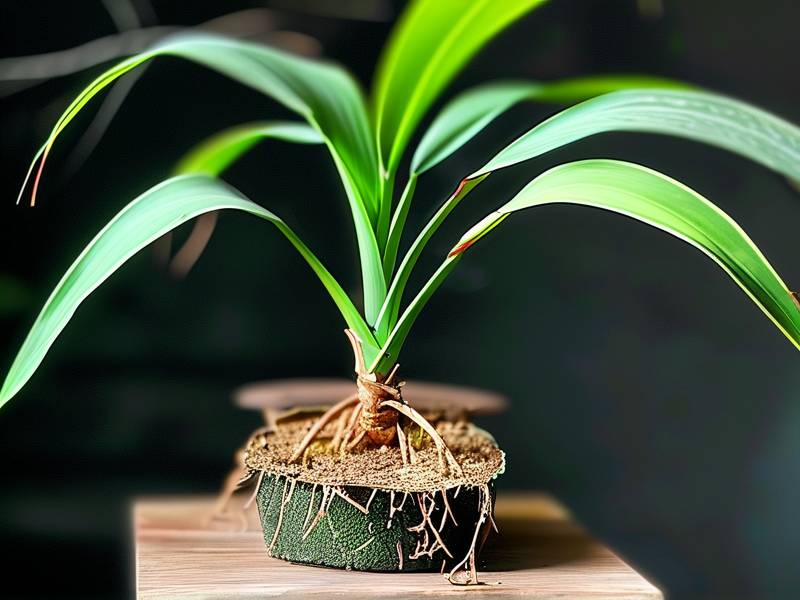
Rinse the root ball under lukewarm water. You need to see what's healthy and what isn't. Healthy roots are firm and pale. Rotten roots are brown, black, mushy, and they fall apart when you tug.
Step 3: Cut aggressively
Use clean scissors or pruners. Cut every soft root back to firm tissue. Yes, you'll lose a lot. That's fine. Leaving rot behind is worse than losing roots. Wipe your blades with rubbing alcohol between cuts if you're working on multiple plants.
Step 4: Treat the remaining roots
Dust the cut ends with cinnamon or a fungicide labeled for root rot. Cinnamon is a gentle home option I've used many times. It won't perform miracles, but it does help.
Step 5: Repot in fresh mix
Toss the old soil. It's full of rot organisms. Use a chunky, fast-draining mix: roughly two parts potting soil, one part perlite, one part orchid bark. A pot with drainage holes, only slightly larger than the root ball.
Step 6: Wait before watering
This is the step most people skip. Do not water immediately after repotting. Wait two to three days. The cut roots need to callus over. Watering right away invites the rot straight back in.
Step 7: Place in gentle light
Bright, indirect light. No direct sun. No dark corner. A spot a few feet back from an east window is usually perfect.
Step 8: Be patient for two weeks
No fertilizer. No misting. No fussing. Just watch. New growth is the sign you're waiting for.
What I Learned the Hard Way
I killed my first parlor palm in a decorative ceramic pot with no drainage. I killed my second by watering every Sunday like clockwork. My third died because I repotted it into a pot three sizes too big and then watered it right away.
By the time I got to palm number four, I'd learned to slow down. I check the soil before I water. I use a pot with holes. I repot only when roots actually crowd the pot. That palm has been with me for three years now.
One more thing I'll say, because I wish someone had told me: root rot smells. If the soil smells sour or swampy, you already have a problem. Trust your nose.
Frequently Asked Questions
Can a parlor palm survive severe root rot?
Yes, but only if you act fast. If more than half the root system is mushy, your odds drop, but I've saved palms with almost no healthy roots left. The key is removing all rot, repotting in fresh airy soil, and holding off on water for a few days.
Should I cut off yellow fronds?
Yes, once they're fully yellow or brown. They won't turn green again, and they drain energy the plant needs for recovery. Use clean scissors and cut near the base.
How often should I water a recovering parlor palm?
Only when the top inch of soil is dry. In low indoor light, that might mean every 10 to 14 days. In brighter spots, maybe every 7. Never water on a fixed schedule. Check the soil every time.
Rescuing a parlor palm with severe root rot isn't complicated, but it does demand patience and a willingness to be a little ruthless with the scissors. Cut the rot, repot clean, wait, and watch. Most of the time, the plant comes back. And when it does, that first new frond feels like a small victory.