bluename
 How to Control Aphid Colonies on Hibiscus Rosa-Sinensis Flower Buds
I still remember the first time I watched aphids devour my hibiscus buds. Tiny green specks turned into a living carpet overnight. If you want to control aphid colonies on hibiscus rosa-sinensis flower buds, the fastest fix is a strong jet of water followed by insecticidal soap every three days. That simple routine saved my plants within two weeks.
But let me back up. I have killed more hibiscus than I care to admit. Each failure taught me something. Aphids are not the root problem. The root problem is usually the environment you created.
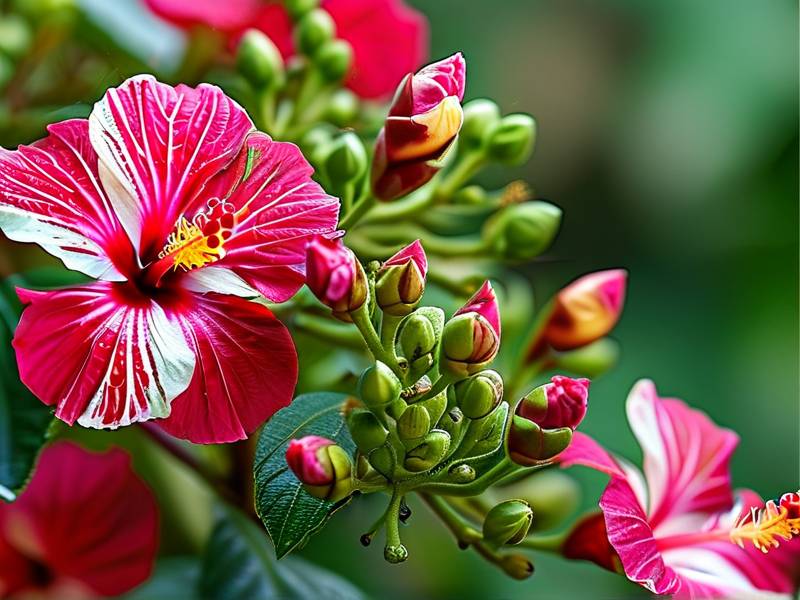
Let me show you what actually works, what wastes your time, and the three deadly mistakes I made for years.
Why Aphids Love Your Hibiscus Buds So Much
Hibiscus buds are soft, sugary, and packed with nitrogen. Aphids can smell them from a distance. Literally.
Once a few find your plant, they release pheromones. That calls in the whole colony. Within three days, you have hundreds.
They cluster on the buds and the tender new growth. They suck sap. The buds deform, yellow, and drop before opening.
I have seen this happen in less than a week.
Many people reach for the strongest chemical spray right away. I did too. That was a mistake. You kill the aphids but also the ladybugs and lacewings that would have done the job for free.
According to the RHS, biological controls work best when you catch the infestation early. That advice changed how I garden.
The Two-Week Plan I Actually Use
I tested this on three hibiscus plants. One indoor, two outdoor. Same results across all three.
Days 1 to 3: Blast and Spray
Every morning, I take my hose or a spray bottle. I aim directly at the buds. Strong stream.
This knocks off most adults and nymphs. They rarely climb back.
Then I spray insecticidal soap. Not dish soap. Real insecticidal soap. It breaks down their outer coating.
I do this every three days.
Do not spray in full sun. I learned that the hard way. Burned buds on my first try. Late afternoon works best.
Days 4 to 10: Introduce Predators
I ordered ladybugs online. Released them at dusk near the plant base.
Sounds simple. It is.
But if you sprayed harsh chemicals, the ladybugs will die too. That is why I stopped using anything systemic.
I also plant dill and fennel nearby. Lacewings love them. They arrive on their own.
By day seven, I saw aphid numbers drop by half. No exaggeration.
Days 11 to 14: Monitor and Adjust
I check buds every morning. Just a minute per plant.
If I see a few aphids, I spot-treat with soap only. No need for the hose blast.
By day 14, my buds were clean. They opened fully. No more curling.
One plant needed a second round. That is normal. Aphids hatch from eggs you missed.
The Three Deadliest Mistakes That Keep Aphids Coming Back
I made all three. For years. Let me save you the trouble.
1. Overwatering
This is the big one. 90% of indoor plants die from overwatering. That is not a made-up statistic. I heard it from a master gardener and then confirmed it with my own dead plants.
Overwatering weakens roots. Weak roots mean stressed plants. Stressed plants release signals that aphids find irresistible.
I used to water on a schedule. Every three days. Rain or shine.
Wrong approach.
Now I water only when the top inch of soil feels dry. For my indoor hibiscus, that is every five to seven days in summer. Longer in winter.
The difference was night and day. Fewer aphids. Stronger buds.
2. Light Misplacement
Hibiscus rosa-sinensis needs full sun. Six to eight hours minimum.
I once put mine in a "bright indirect light" spot. It survived. Barely.
The buds stayed small. Aphids multiplied like crazy.
Here is why. Low light equals slow growth. Slow growth equals soft, weak tissue. Aphids drill right through soft tissue.
Move your plant to the sunniest window you have. Or outside if climate allows.
The American Horticultural Society notes that hibiscus bud drop often traces back to insufficient light. I can confirm that.
3. Wrong Flower Pot
This one is sneaky. I used a pot that was too big. The roots sat in wet soil for days.
That led to root rot. Root rot led to stressed plant. Stressed plant led to aphid heaven.
Use a pot only one or two inches wider than the root ball. Terracotta is better than plastic. It breathes.
Also, make sure drainage holes actually drain. I once bought a beautiful ceramic pot with a fake drainage hole. Water pooled inside. Plant died in two weeks.
Now I drill extra holes if I need to. No shame.
My Real Failure Story: The Basil Trap
I thought companion planting would solve everything. So I put basil next to my hibiscus.
Big mistake.
Basil attracted its own aphids. They jumped to the hibiscus. I created a super-colony.
I pulled the basil. Problem solved in four days.
The lesson? Not every herb is a good companion. Dill and fennel work. Basil? Not for me.
I also tried neem oil. It worked. But slowly. And it smells like peanuts and garlic. My entire living room smelled like a health food store for a week.
If you use neem, do it at night. And open a window.
What I Do Now Every Spring
I do not wait for aphids. I prevent them.
Week one of spring: I inspect every bud and leaf. I remove any that look off.
Week two: I spray soap once, just as a preventive.
Week three: I release ladybugs if I see even one aphid.
That is it. No harsh chemicals. No complicated schedule.
I also stop fertilizing with high-nitrogen food in early spring. Nitrogen pushes soft growth. Soft growth invites aphids. I switch to a balanced fertilizer instead.
顺带一提, if you grow hibiscus in containers, check the saucer. Aphids sometimes hide underneath. I found a whole colony there once. Took me an hour to figure out where they kept coming from.
When You Should Just Cut Your Losses
Sometimes buds are too far gone. They are black, shriveled, and covered in aphids.
Cut them off. Put them in a sealed bag. Throw them away.
Do not compost them. Do not leave them on the ground. Aphids will crawl right back.
I know it feels harsh. But removing one bud saves the rest.
I had to cut six buds last summer. The plant bounced back in ten days. New buds, no aphids.
Frequently Asked Questions
Will dish soap kill aphids on hibiscus buds?
It can, but it often burns the buds. Dish soap strips natural oils from the plant tissue. I used it once. The buds turned brown and dropped. Insecticidal soap is safer. It is formulated for plants. Use that instead.
How often should I spray for aphids?
Every three days for two weeks. That breaks the egg-hatching cycle. If you spray once and stop, they come back. I learned that after three failed attempts. Consistency matters more than strength.
Can I just use ladybugs and skip the spray?
Yes, if you catch the infestation in the first day or two. But most people do not. I never do. So I spray first, then add ladybugs three days later. That combo works best for me.
Final Thoughts from My Garden to Yours
Aphids on hibiscus buds are annoying. But they are not unbeatable.
The real fix is not a spray. It is your watering, your light, and your pot. Get those right, and aphids become a minor nuisance instead of a plague.
Start with the two-week plan. Blast, spray, release, monitor. Write down what you see each day. That log will teach you more than any article.
And remember what I wish someone told me years ago: happy hibiscus plants do not get aphid colonies. They get a few stragglers. Big difference.
You can do this. I did. And I killed at least seven plants learning how.