bluename
 How to Eliminate Broad-Mite Crumpled New Growth on Peperomia Caperata
If the new leaves on your Peperomia caperata are coming in crumpled, twisted, and tiny, broad mites are almost certainly the culprit. I know that sick feeling when you uncurl a fresh leaf and it's crunchy and deformed instead of smooth and glossy. The fix isn't a single spray. It's a two-week routine of miticide, humidity control, and removing damaged tissue. I've done it, killed a few plants learning it, and I'll walk you through exactly what worked.
Broad mites are microscopic. You won't see them with your naked eye. You'll see their damage. That's what makes treating broad mite crumpled new growth on peperomia caperata so maddening. The mites feed on tender new tissue and inject a toxin that deforms it permanently. By the time you notice, they've been there for weeks.
I grow a dozen Peperomia caperata cultivars on a windowsill in Oregon, where winter humidity sits around 30%. That dry air is broad mite heaven. I lost two ripple peperomias before I figured out what was happening. The third one I saved. Here's the whole playbook.
What Broad Mites Actually Do to Peperomia Caperata
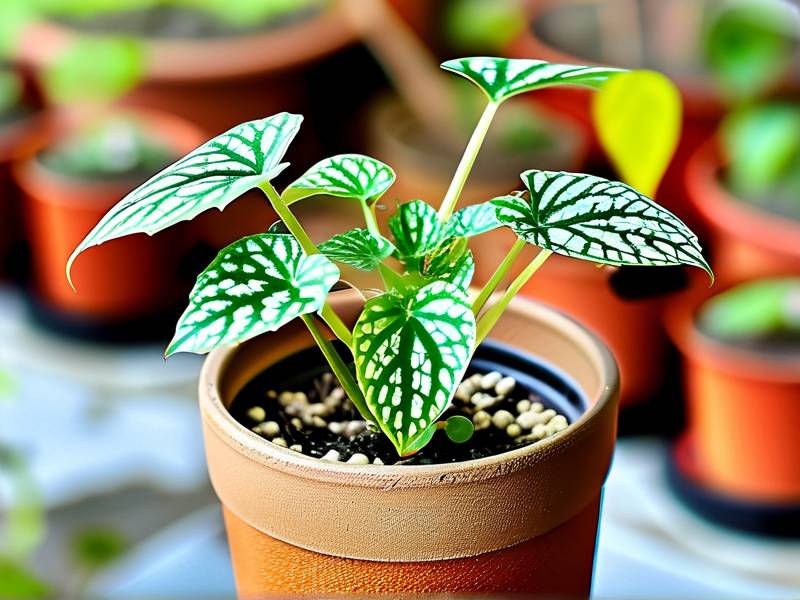
Broad mites (Polyphagotarsonemus latus) are tiny arachnids, not insects. They measure about 0.1 to 0.2 millimeters. They prefer warm, humid conditions and tender new growth.
On Peperomia caperata, the damage shows up fast:
- New leaves emerge cupped, crinkled, or with brown edges
- Leaf undersides look bronzed or corky
- Growth points stop producing normal leaves and instead push out tight, leathery clusters
- Older leaves may look fine, which tricks you into thinking the plant is healthy
The RHS notes that broad mite damage often gets mistaken for herbicide injury or viral infection. That's a real problem because people spray the wrong thing and waste weeks.
The AHS points out that broad mites thrive in greenhouse environments and spread easily on new plant purchases. If you bring home a new peperomia without quarantining it, you're rolling the dice.
The first thing to understand: the crumpled leaves will never recover. You're not healing them. You're stopping the mites so the next leaves come in clean.
The 3 Mistakes That Let Broad Mites Win
I've made all three. Each one cost me a plant.
Mistake 1: Overwatering While Treating
90% of indoor plants die from overwatering. That's not a slogan. It's a soil reality. When you're panicked about mites, you tend to water more, mist more, and fuss more. That's exactly wrong.
Broad mites love humidity. Soggy soil raises the humidity around the crown. It also stresses the roots, which weakens the plant's ability to push out new growth after treatment.
I killed my second ripple peperomia this way. I was spraying it daily and watering every three days because I thought it needed "support." The roots rotted. The mites didn't care. They just moved to the remaining healthy tissue.
Fix: Water only when the top inch of soil is dry. Use a moisture meter if you're unsure. During treatment, keep the soil on the dry side, not bone dry, but definitely not moist.
Mistake 2: Putting It in the Wrong Light
Peperomia caperata wants bright, indirect light. Not direct sun. Not deep shade.
When plants are stressed by mites, people often move them to a "recovery spot." That's usually a dark corner. Bad move.
Low light slows metabolism. The plant can't outgrow the damage. It also makes the leaves softer and more appealing to remaining mites.
I tried putting my infected plant in a north-facing bathroom once. It got mold on the soil surface within a week. The mites were still there. The plant just got weaker.
Fix: Keep it in the same bright, indirect spot it was in before. A few feet back from an east or south window works. If you use grow lights, keep them 12 to 18 inches above the plant for 10 to 12 hours a day.
Mistake 3: Using the Wrong Pot
This one sounds minor. It isn't.
Peperomia caperata has shallow, fragile roots. A pot that's too large holds too much water. A pot without drainage holes is a death sentence.
I once repotted an infected plant into a decorative ceramic pot with no holes because I wanted it to "look nice" while recovering. It drowned in two weeks. The mites actually died off in the soggy soil, but so did the plant.
Fix: Use a small pot, 2 to 4 inches in diameter for a 4-inch plant. It must have drainage holes. Terracotta is fine. Plastic nursery pots work. Just make sure water runs out the bottom and you empty the saucer.
My 2-Week Broad Mite Treatment Routine
This is exactly what I did to save my third Peperomia caperata. I watched it for 14 days. Here's the day-by-day breakdown.
Days 1–2: Isolate and Inspect
Move the plant away from every other plant. Broad mites spread by contact and by air currents. I put mine in a separate room with a closed door.
Use a magnifying glass or a clip-on macro lens for your phone. Look at the newest leaves. You'll see:
- Bronzed, shiny undersides
- Tiny white specks that don't move much
- Webbing? No. Broad mites don't make webs. That's spider mites. Don't confuse them.
If you see webbing, you have spider mites. The treatment is different. This article is for broad mites only.
Days 1–3: Remove All Damaged Growth
Put on gloves. Use clean scissors. Cut off every crumpled, cupped, or bronzed leaf. Cut back to healthy stem tissue.
Don't compost the cuttings. Bag them and throw them in the trash. Broad mites can survive on dead plant tissue for days.
I know it feels brutal. You're cutting off half the plant. Do it anyway. Those leaves are mite nurseries.
Days 1, 4, 7, 10, and 14: Spray with Abamectin or Spiromesifen
Here's where most people fail. They spray once and stop. Broad mites have a short life cycle, about 4 to 7 days depending on temperature. You need repeated applications to kill newly hatched mites.
I used a product containing abamectin. It's available in most garden centers as a miticide spray. Spiromesifen is another option. Both are contact miticides, meaning they must hit the mites directly.
How I sprayed:
- I took the plant to the sink or shower.
- I sprayed the undersides of all remaining leaves first. That's where mites live.
- Then I sprayed the tops and the crown.
- I let it drip dry in the sink for 10 minutes.
- I put it back in its bright spot, away from other plants.
Do not spray in direct sun. It burns leaves. Do not spray right before lights-out if you use grow lights. Let it dry first.
Important: Rotate miticides if you can. Broad mites develop resistance fast. I alternated abamectin with a neem oil product on days 7 and 10. Neem alone won't kill broad mites, but it slows them down and makes the abamectin more effective.
Days 2–14: Control Humidity Without Misting
Broad mites love humidity above 60%. Your house is probably drier than that. Good. Keep it that way.
Do not mist. Do not use a pebble tray. Do not put it in a terrarium.
I run a small dehumidifier in the room where I treat infected plants. It keeps humidity around 40 to 45%. That's comfortable for peperomia and miserable for broad mites.
If you live in a humid climate, run a fan on low, indirect setting. Air movement discourages mites from settling.
Days 3–14: Water Sparingly
Remember the overwatering rule. Water only when the top inch of soil is dry. For a 4-inch pot in a 70°F room, that's about every 7 to 10 days.
I use a chopstick. I stick it into the soil. If it comes out clean and dry, I water. If it comes out with soil stuck to it, I wait.
When you water, water thoroughly until it runs out the drainage holes. Then empty the saucer. Don't let the pot sit in water.
Days 7–14: Watch for New Growth
This is the payoff. Around day 7 to 10, you should see tiny new leaves emerging from the growth points. They will look different from the damaged ones.
Healthy new leaves on Peperomia caperata are:
- Flat, not cupped
- Smooth, not crinkled
- Evenly colored, not bronzed or brown-edged
If the new leaves are still deformed after day 14, you missed a spot. Spray again every 4 days for another two weeks. I had to do this once. It worked.
What I Learned After Killing Two Plants
I'm not a professional grower. I'm a hobbyist with a windowsill and a stubborn streak. Here's what I wish someone had told me earlier.
Broad mites are not spider mites. Most miticide sprays at the big box store are for spider mites. They don't work on broad mites. Read the label. Look for abamectin, spiromesifen, or fenpyroximate.
Quarantine every new plant for 14 days. I used to skip this. Now I do it every time. Broad mites came in on a nursery-grown peperomia I bought at a farmer's market. It looked perfect. Two weeks later, my whole shelf was infected.
Throw away the soil if you repot. Broad mites can live in soil for a few days. If you repot an infected plant, use fresh, sterile potting mix. I use a mix of 50% peat, 30% perlite, and 20% orchid bark. It drains fast and dries out between waterings.
Don't fertilize during treatment. Fertilizer pushes soft new growth. That's exactly what broad mites want. Wait until you see two sets of healthy new leaves before you feed again.
Check your other plants. Broad mites travel. If one plant has them, inspect every plant within 3 feet. I found them on a String of Turtles once. I treated it the same way and saved it.
When to Give Up
I'm going to be honest. Sometimes you can't save the plant. If the crown is completely distorted, if the stems are turning black, or if you've sprayed for three weeks with no new growth, it's time to let go.
Bag the plant. Throw it in the trash. Don't compost it. Clean the pot with hot soapy water and a 10% bleach solution. Let it dry for a week before you use it again.
Then buy a new Peperomia caperata. Quarantine it. Watch it for two weeks. You'll be fine.
FAQ
Can I use rubbing alcohol to kill broad mites on peperomia?
You can dab it on visible mites with a cotton swab, but broad mites are too small to see reliably. Rubbing alcohol also damages the leaf surface if you use too much. I don't recommend it as a primary treatment. Stick with a miticide labeled for broad mites.
How long do broad mites live without a plant?
Adults can survive on dead plant tissue for 3 to 5 days. Eggs can hatch after 7 to 10 days in warm conditions. That's why you need to repeat sprays for at least two weeks. One spray is never enough.
Will neem oil alone get rid of broad mites?
No. Neem oil is a repellent and a growth regulator. It slows mites down but doesn't kill them fast enough on its own. Use it as a rotation partner with abamectin or spiromesifen, not as a solo treatment.
The Bottom Line
Broad mite crumpled new growth on Peperomia caperata is fixable if you act fast and stay consistent. Cut off the damaged leaves. Spray with the right miticide every 3 to 4 days. Keep humidity low. Water sparingly. Watch for flat, smooth new leaves around day 10 to 14.
And remember the three mistakes: overwatering, wrong light, wrong pot. Fix those and you're already ahead of 90% of indoor plant owners.
I've saved three peperomias with this routine. I've lost two by ignoring it. The difference was patience and repetition. You can do this.