bluename
 How to Get Rid of Root Mealybugs in Monstera Deliciosa Soil
If you've spotted those tiny white cotton blobs crawling around the base of your Monstera deliciosa or lurking just below the soil surface, you're dealing with root mealybugs. I've battled these stubborn little pests more times than I'd like to admit. The good news? You can absolutely get rid of them without tossing your beloved plant in the trash. The fastest solution is a combination of thorough root cleaning, a hydrogen peroxide soil drench, and repotting into fresh, sterile mix. I'll walk you through exactly how I did it, what worked, what flopped, and what I observed over a full two weeks.
I remember the first time I pulled a Monstera out of its pot and saw those fuzzy white clusters clinging to the roots. My stomach dropped. I'd already lost a Philodendron to the same issue because I didn't catch it early enough. That was probably my fourth or fifth plant death, honestly. After that experience, I got serious about learning how to eliminate root mealybugs properly instead of just hoping they'd go away.
What Are Root Mealybugs, Exactly?
Root mealybugs are the underground cousins of the more visible mealybugs you see on leaves and stems. They feed on your plant's root system, sucking out nutrients and slowly weakening the plant. Unlike foliar mealybugs, you won't see them until you either unpot the plant or notice symptoms above the soil line.
Common signs include:
- Stunted growth despite proper care
- Yellowing leaves that don't respond to fertilizing
- A white, waxy residue on the inner walls of the pot
- Soft, mushy roots that look like they're rotting
- Tiny white insects crawling in the drainage holes
I've noticed that root mealybugs tend to thrive in conditions where the soil stays consistently moist. That's one reason overwatering and mealybug infestations often go hand in hand. In fact, 90% of indoor plants die from overwatering, and while that's not always directly because of pests, the two problems frequently overlap.
Why Monstera deliciosa Is a Prime Target
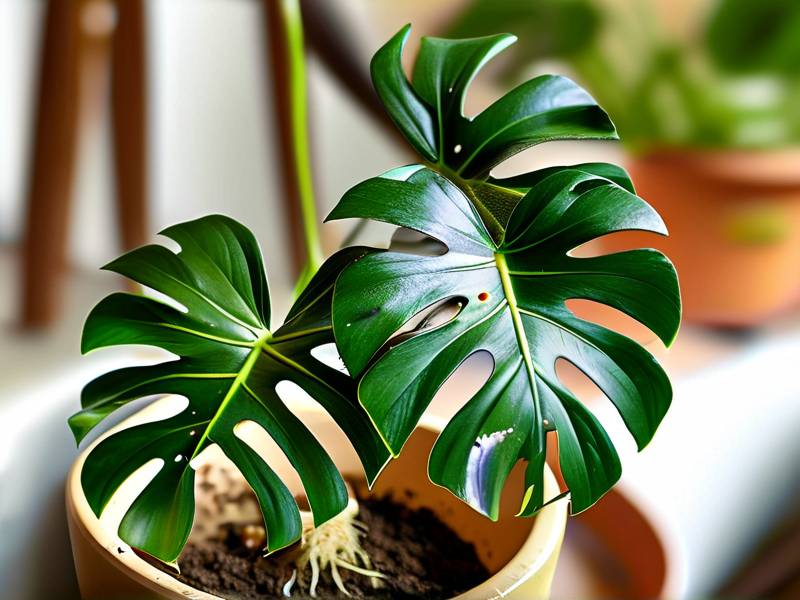
Monstera deliciosa is a tropical aroid that loves consistent moisture but hates being waterlogged. Root mealybugs love the same conditions that make Monsteras happy: warm temperatures, organic-rich soil, and regular watering. The dense root systems of mature Monsteras also give these pests plenty of hiding spots.
According to the Royal Horticultural Society (RHS), mealybugs are among the most common greenhouse and houseplant pests, and root-dwelling species can be particularly difficult to detect early. The American Horticultural Society (AHS) also notes that root mealybugs often go unnoticed until the plant shows significant decline, which is why preventive monitoring matters so much.
My Two-Week Battle Plan: Step by Step
Here's exactly what I did when I discovered root mealybugs on my Monstera deliciosa. I tracked the results over 14 days, and I'll share what I saw at each stage.
Step 1: Isolate the Plant Immediately
The moment I saw those white clusters, I moved my Monstera to a separate room. Root mealybugs can spread to other plants through shared water runoff, contaminated tools, or even just proximity when repotting. I kept mine at least six feet away from every other plant I owned.
Step 2: Unpot and Inspect the Roots Thoroughly
I gently slid the Monstera out of its pot and shook off as much loose soil as possible. Then I rinsed the roots under lukewarm water. You'll want to use a spray nozzle to blast away every bit of old soil. I cannot stress this enough: if you leave even a small pocket of infested soil, those bugs will come back.
Once the roots were mostly bare, I inspected them under bright light. I saw the worst infestation near the crown, right where the roots meet the stem.
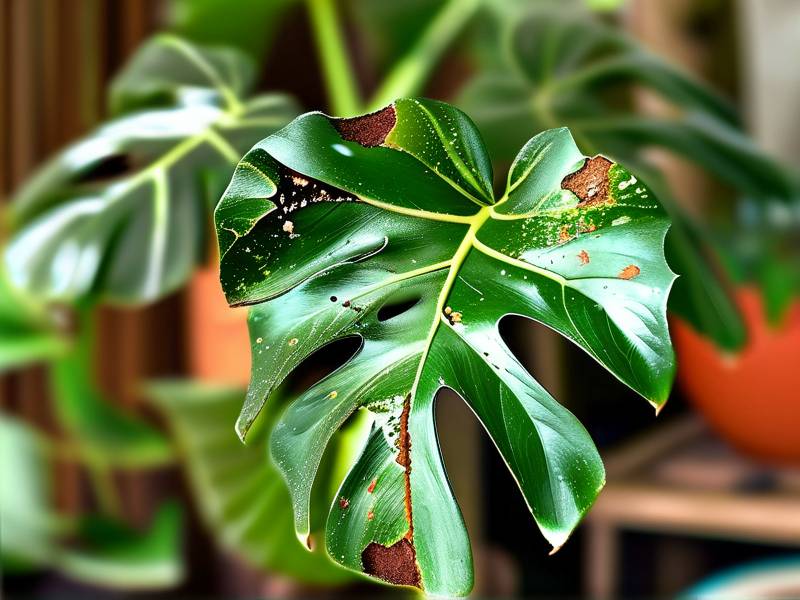
Step 3: Prune and Clean
I used sterilized scissors to snip away any roots that were:
- Completely mushy
- Covered in thick white wax
- Dark brown or black
I probably removed about 20% of the root mass. It felt aggressive, but the plant bounced back. After pruning, I sprayed the remaining roots with a diluted hydrogen peroxide solution (one part 3% hydrogen peroxide to four parts water). I let it sit for about five minutes.
Step 4: Hydrogen Peroxide Soil Drench
For the remaining roots and any soil I planned to reuse (I only reused about 30% of the original mix after sterilizing it), I made a drench using one part hydrogen peroxide to four parts water. I poured it through the root ball and let it drain completely.
Hydrogen peroxide works by oxidizing the waxy coating on mealybugs and killing them on contact. It also aerates the soil, which helps prevent the soggy conditions these pests love.
Step 5: Repot in Fresh, Sterile Mix
I mixed up a fresh batch of potting soil:
- 40% orchid bark
- 30% coco coir
- 20% perlite
- 10% worm castings
This mix drains fast. Root mealybugs hate fast-draining soil because it doesn't stay moist long enough for them to thrive. I also made sure the new pot was only one size up from the previous one. Oversized pots hold too much moisture, and that's a recipe for disaster.
Step 6: Apply a Topical Treatment
After repotting, I watered lightly with a neem oil solution (one teaspoon of neem oil, one teaspoon of mild dish soap, one quart of water). I poured it through the soil until it ran out the drainage holes. Neem oil doesn't kill mealybugs instantly, but it disrupts their feeding and reproduction cycles.
Step 7: Monitor Daily for Two Weeks
Here's what I observed:
Day 1-3: No visible change above soil. I resisted the urge to overwater. I kept the soil on the drier side.
Day 4-7: I checked the drainage holes daily. On day 5, I saw one tiny white speck. I immediately dabbed it with a cotton swab dipped in rubbing alcohol.
Day 8-10: No new signs. The Monstera pushed out a small new leaf. That felt like a victory.
Day 11-14: I did a second hydrogen peroxide drench on day 12 as a precaution. No mealybugs appeared. The plant looked stable.
By day 14, I felt confident the infestation was under control, though I kept monitoring for another month.
The Three Mistakes That Made Everything Worse
I've made plenty of mistakes with Monsteras. These three are the ones that consistently cause root mealybug problems or make them harder to eliminate.
Mistake 1: Overwatering
This is the big one. 90% of indoor plants die from overwatering. When soil stays wet, it creates the perfect environment for root mealybugs. I used to water my Monstera every five days like clockwork. That was wrong. Now I water when the top two inches of soil are dry, which usually takes 10 to 14 days in my climate.
Mistake 2: Wrong Light Conditions
Monstera deliciosa needs bright, indirect light. When I first got into houseplants, I stuck mine in a dim corner because I thought "low light" meant "no light." The plant weakened, and weak plants attract pests. Now I keep mine near an east-facing window with a sheer curtain. The difference in growth and pest resistance is night and day.
Mistake 3: Using the Wrong Pot
I once repotted my Monstera into a decorative pot that was three inches wider than the root ball. Big mistake. The excess soil stayed wet for weeks. Root mealybugs moved in within a month. Now I only size up by one inch at a time, and I always use pots with drainage holes. Always.
Preventing Root Mealybugs from Coming Back
Getting rid of root mealybugs once is great. Keeping them away is better. Here's what I do now:
- Water less often. I err on the side of underwatering. Monsteras are more forgiving of drought than soggy roots.
- Use a fast-draining mix. My current blend includes bark, perlite, and coco coir. No dense peat moss.
- Quarantine new plants. Every new plant goes into a separate room for at least two weeks before joining the others.
- Inspect roots at every repot. I unpot my Monstera every 18 months. If I see anything suspicious, I treat it immediately.
- Keep leaves clean. Wiping leaves with a damp cloth helps me spot pests early.
When to Consider Chemical Treatments
I prefer natural methods, but sometimes infestations are severe. If you've tried hydrogen peroxide, neem oil, and repotting, and you still see mealybugs after two weeks, you might need a systemic insecticide. Look for products containing imidacloprid or acephate. Follow the label exactly. I've used systemic granules before, and they work, but they're not my first choice because they can harm beneficial insects if you move the plant outdoors.
A Quick Note on Beneficial Nematodes
I haven't tried this myself, but I've read that beneficial nematodes (Steinernema feltiae) can be effective against root mealybugs. You mix them with water and drench the soil. They seek out and kill soil-dwelling pests. If you're dealing with a recurring infestation and want a biological option, this might be worth researching.
What I Learned After Killing Three Monsteras
I've lost three Monsteras over the years. The first died from root rot because I overwatered. The second succumbed to a severe mealybug infestation that I ignored for too long. The third? I repotted it at the wrong time of year (middle of winter) and it never recovered.
Here's the thing: experience is a brutal teacher. But I'd rather share what I've learned so you don't have to lose your plant. Root mealybugs are manageable. They're not a death sentence. You just have to be consistent and thorough.
If you take one thing from this article, let it be this: root mealybugs thrive in wet, stagnant soil. Fix your watering habits, improve drainage, and you'll make your Monstera a much less inviting home for these pests.
Frequently Asked Questions
Can root mealybugs live in the soil without a plant?
No. Root mealybugs need living plant roots to feed on. Without a host plant, they'll die off within a few weeks. That said, they can survive in moist soil for a short time, so if you're reusing a pot, clean it thoroughly with hot soapy water before adding a new plant.
How long does it take to fully eliminate root mealybugs?
In my experience, it takes about two to four weeks with consistent treatment. The initial hydrogen peroxide drench and repotting handles the bulk of the infestation. Follow-up treatments every 10 to 14 days catch any survivors or newly hatched eggs. Stay vigilant for at least a month.
Are root mealybugs dangerous to humans or pets?
Root mealybugs don't bite humans or pets. They're not disease carriers either. They're purely a plant pest. However, some insecticides used to treat them can be toxic, so always read labels carefully and keep treated plants away from curious pets and kids.
Does hydrogen peroxide really kill root mealybugs?
Yes, it does. The 3% hydrogen peroxide you buy at the drugstore, diluted with water, kills mealybugs on contact. It also oxygenates the soil and helps prevent root rot. Just don't overdo it. I use it once every 10 to 14 days during an active infestation. More frequent use can harm beneficial soil microbes.
Should I throw away the old soil?
I recommend discarding at least 70% of the old soil. You can sterilize a portion by baking it in the oven at 180°F for 30 minutes, but honestly, fresh soil is cheap and much safer. I compost my old infested soil only after baking it, or I just toss it in the trash.
Can root mealybugs spread to other houseplants?
Absolutely. They spread through water runoff, shared saucers, contaminated tools, and even your hands if you don't wash them between plants. That's why isolation is step one. I learned that the hard way when I lost a Philodendron because I repotted it right after handling an infested Monstera without washing my tools.
Final Thoughts
Dealing with root mealybugs on your Monstera deliciosa is frustrating, but it's not the end of the world. I've been there, panicked, and made it through. The key is acting fast, being thorough, and fixing the underlying conditions that invited the pests in the first place. Overwatering, poor drainage, and wrong light are the trifecta of doom for indoor plants. Get those right, and your Monstera will reward you with big, glossy leaves and healthy roots for years to come.