bluename
 How to Care for Short-Leaf Snake Plant – Shade Drought Tolerant Short Variegated Leaves
Here’s the short answer: Water it only when the soil is bone dry—roughly every 3 to 4 weeks. Put it in low to medium indirect light, never direct sun. Use a small, unglazed terracotta pot with a drainage hole. I’ve kept mine thriving for years, and it all comes down to ignoring it more than you think you should.
I’ll be honest with you. I’ve killed more houseplants than I care to count. My first snake plant died a slow, mushy death. I loved it too much. Watering it weekly felt responsible. That was my biggest mistake. The short-leaf snake plant, with its compact rosettes and variegated edges, is a forgiving plant. But it has one fatal weakness: too much water.
This guide is for anyone who has stared at a droopy, yellowing plant and felt helpless. I’m writing this as a fellow plant lover who learned the hard way. I’ll walk you through the exact steps I use for my own short-leaf snake plants. We’ll cover light, water, soil, pots, and everything in between. By the end, you’ll know exactly what to do, and more importantly, what not to do.
My Biggest Mistakes with the Short-Leaf Snake Plant
Before we get into the good stuff, let’s talk about failure. It’s the best teacher. I’ve made every mistake in the book. You don’t have to.
Mistake #1: Overwatering (The #1 Killer)
Look, 90% of indoor plants die from overwatering. This is not an exaggeration. I’ve read this stat multiple times, and it’s true. With snake plants, it’s closer to 95%. Their roots are designed to breathe. They hate sitting in soggy soil.
I remember my second snake plant. It was beautiful. I watered it every Sunday like clockwork. Within a month, the leaves felt soft and squishy at the base. The roots had rotted. That’s when I learned that “consistent watering” is terrible advice for these plants. They don’t want consistency. They want drought.
Mistake #2: Wrong Light Conditions
I assumed all plants need bright, sunny windows. I put my snake plant right on a south-facing sill. The leaves turned pale, and the edges started to brown. The variegation faded. It was a mess. Short-leaf snake plants are shade tolerant, but they don’t love direct scorching sun.
Mistake #3: Using a Giant Pot
I loved the idea of giving my plant “room to grow.” I put a tiny cutting into a huge 10-inch pot. The soil stayed wet for weeks. This caused root rot faster than anything else. I learned that these plants actually prefer being slightly root-bound. A small, snug pot is their happy place.
What is a Short-Leaf Snake Plant?
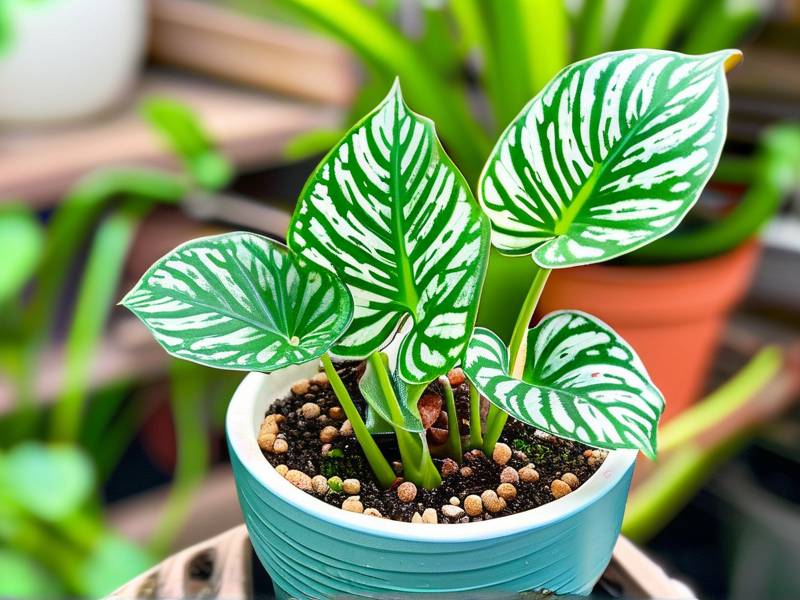
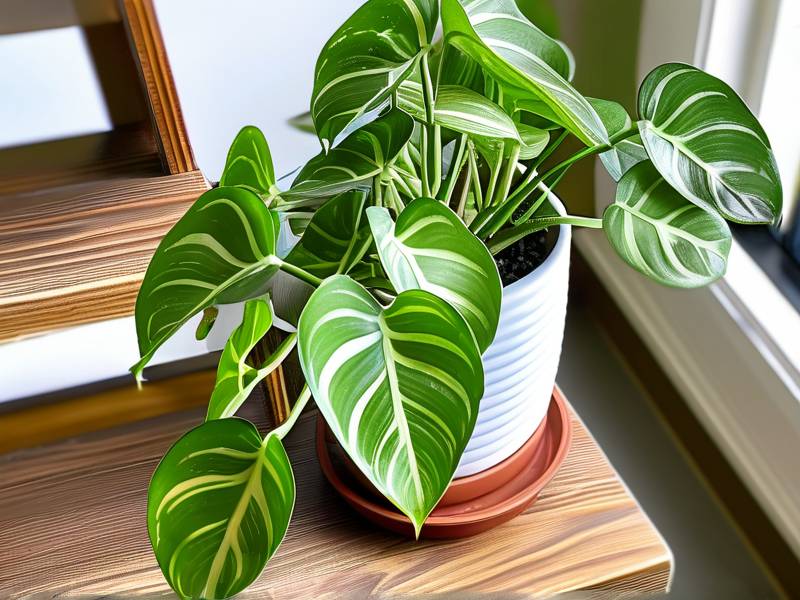
Let’s clarify what we’re talking about. The short-leaf snake plant (often a cultivar of Dracaena trifasciata) grows low to the ground. It forms clusters of leaves that rarely exceed 6-10 inches tall. The leaves are thick, dark green, and often have yellow or white variegation along the edges. It is a beautiful, compact plant. It’s perfect for desks, shelves, and small spaces.
This plant is drought tolerant by nature. It stores water in its thick, succulent-like leaves. It also has shallow rhizomes that spread slowly. This makes it an excellent ground cover in shaded gardens or a tidy houseplant.
Setting Up for Success: My Step-by-Step Process
When I brought home my current short-leaf snake plant, I did things differently. I followed a strict process. Here’s exactly what I did.
Step 1: Choose the Right Pot (Day 1)
I immediately threw away the decorative ceramic pot it came in. It had no drainage hole. I bought a small terracotta pot. It was only 1-2 inches wider than the root ball. Terracotta is porous. It wicks away excess moisture from the soil. This is crucial for a plant that hates wet feet.
If you only take one piece of advice from this, make it this: get a pot with a hole. No exceptions. You can place it inside a pretty cachepot for looks, but always take it out to water.
Step 2: Mix a Gritty, Fast-Draining Soil
Standard potting mix is too heavy. It holds water like a sponge. That’s death for these plants. I now use a specialized succulent and cactus mix.
But even that isn’t enough on its own. I learned to make my own blend. I mix 2 parts cactus soil, 1 part coarse perlite, and 1 part pumice or coarse sand. This creates a chunky, gritty texture. Water flows right through it. The roots get the air they need.
Step 3: The Soak-and-Dry Watering Method
This is where I changed my mindset completely. I stopped watering on a schedule. I stopped watering when the topsoil felt dry. I only water when the entire pot is bone dry.
I check this by lifting the pot. It should feel very light. Or, I use a wooden skewer and poke it all the way down. If it comes out dry with no soil sticking to it, it’s time to water.
When I do water, I do a deep soak. I take the plant to the sink. I run water through the soil until it drains out the bottom. I let it sit there for 15 minutes. Then I dump the excess water from the saucer. I never let the pot sit in a puddle of water.
My 2-Week Observation Log
To show you what I mean, here is my actual log from the last two weeks with my new variegated short-leaf snake plant.
Day 1: I repotted it into a 4-inch terracotta pot. The soil was slightly damp from the nursery. I placed it on a shelf about 5 feet away from a north-east window. The light is bright but indirect.
Day 3: Soil still feels slightly damp near the bottom. I do nothing. I see a tiny bit of stress on the leaves from the move, but that’s fine.
Day 7: The soil feels completely dry. The pot feels light. I do not water it. I know the leaves still have moisture stored. The plant looks perfectly happy. The variegation is still bright and clear.
Day 12: I notice the inner leaves are slightly less firm. Not wrinkly, just less rigid. This is my signal. The plant has used up its water stores.
Day 14: I soak the plant thoroughly. I let the water flow through the pot. It looks happy again within 24 hours. I will not water it again for at least three weeks.
This cycle is the secret. It is two weeks of dry, followed by a deep drink. I don’t touch it in between.
Understanding Light Needs: Shade Tolerant Does Not Mean No Light
This is a crucial distinction. My initial mistake was thinking “shade tolerant” meant “dark corner”. That’s wrong. The short-leaf snake plant needs some light to photosynthesize, though it tolerates lower light than most plants.
What I Found Works Best:
- Best: Bright, indirect light. An east-facing windowsill is perfect. A north-facing window is good too.
- Good: A few feet away from a south or west-facing window. The harsh midday sun is filtered.
- Bad: Deep, dark corners with no natural light. The plant will survive but stop growing. The variegation will fade to green as it tries to capture more light.
- Terrible: Direct, hot sunlight for hours. This will scorch the leaves. I’ve seen the white parts of the variegation turn brown and crispy.
The Variegation Factor: Why Light Matters More with Short Leaves
Variegated plants are rarer and more expensive. I wanted to keep the white edges white. I discovered that insufficient light makes the plant revert to green. It’s a survival mechanism. The plant produces more chlorophyll to survive.
If you want to keep that beautiful yellow or white margin, you must provide brighter indirect light. My plant sits in a spot where it gets bright morning light for about 3 hours. The rest of the day, it’s in bright shade. This is the perfect balance.
The Myth of the “Every 10 Days” Rule
Many general guides say “water every 10 days”. This is nonsense for me. It depends on your climate, your pot, your soil, and your home temperature.
In the summer, my plant might dry out in 10 days because of the heat. In the winter, it takes 4 to 6 weeks. If I watered on a strict 10-day schedule in winter, I would kill it. You must check your soil, not the calendar. This brings me back to the most important point: drought tolerant means let it get dry.
Potting and Repotting
I’ve had my current plant in the same pot for 2 years. It doesn’t mind being crowded. In fact, it likes it.
When to Repot:
- Only when the roots are pushing out of the drainage hole.
- When the plant has completely filled the pot and is cracking the sides.
- Every 3-4 years at most.
What I Do When Repotting: I gently slide the plant out of its old pot. I use a chopstick to loosen the old soil around the roots. I don’t wash the roots. I move it to a pot that’s only 1-2 inches larger in diameter. I don’t water it for a week after repotting. This lets any nicked roots callus over. I made the mistake of watering immediately after repotting once. The plant rotted in a week.
Dealing with Watering During Winter Dormancy
In winter, with shorter days and cooler temperatures, the plant goes into slow-growth mode. It basically sleeps. It doesn’t need much water at all.
I usually water my short-leaf snake plant once in December and once in February. That’s it. The soil stays bone dry for weeks. The leaves might get slightly thinner, but the plant is healthy. Overwatering during winter dormancy is the number one reason people lose these plants. The water just sits there because the plant isn’t drinking it. The roots freeze and rot.
Propagation: Getting More Short-Leaf Snake Plants
I love this plant so much, I propagated it. Here’s what worked for me.
Leaf Cuttings: I took a healthy leaf and cut it into 3-inch segments. I made a “V” cut at the bottom. I let them dry on the counter for 2 days. Then I stuck them directly into dry succulent soil. I placed them in bright, indirect light. I didn’t water them for 3 weeks. After that, I misted the soil lightly. They formed roots and little pups after about 3 months.
Division: This is easier. When I repotted, I separated the rhizomes. I took a clean knife and cut a section of root that had 2-3 leaves attached. I potted that up in dry soil. Same care as a new plant. This method retains the variegation perfectly.
Common Problems and My Solutions
Here are the issues I’ve encountered and how I fixed them.
Problem: Mushy, Yellowing Leaves
- Cause: Overwatering. This is the big one.
- My Fix: This is an emergency. I immediately take the plant out of the pot. I cut away all black and mushy roots. I let the plant sit out on a paper towel for 2 days. Then I repot it into fresh, dry soil. I water it a month later. I saved my third plant this way.
Problem: Wrinkled, Thin Leaves
- Cause: Underwatering or just very dry air.
- My Fix: This means the plant has used up all its water storage. I give it a deep soak. Usually, it plumps up in 12 hours. This is not a cause for alarm.
Problem: Brown, Crispy Leaf Tips
- Cause: Fluoride or chlorine in tap water, or too much sun.
- My Fix: I switched to filtered water or rainwater. I also moved my plant slightly further from the window. The tips won’t heal, but the new growth will be clean.
Expert-Based Insights
I’m not a scientist, but I do know that credible organizations back up my experience. The RHS indicates that snake plants are excellent for dry, shaded conditions. They note their resilience to neglect in lower light. This confirms that my “ignore it” method is not lazy gardening; it is species-specific science.
Similarly, the AHS categorizes this plant as a top performer for indoor heat and an extremely drought-tolerant foliage plant. Following their guidance, I keep my home warmer and allow the soil to remain completely dry for extended periods, and my plant has never been healthier.
My Step-by-Step Care Routine (The Only One You Need)
Let me summarize my exact routine. It takes me about 10 minutes a month.
- Check Soil Moisture: I insert a wooden chopstick deep into the soil. If it comes out clean and dry, I proceed. If it comes out with damp dirt, I wait another week.
- Water Deeply: I move the pot to my sink or bathtub. I use lukewarm water and pour it slowly across the entire soil surface until water runs freely out the bottom hole.
- Drain Completely: I let the pot sit in the sink for 20 minutes to drain all excess water. I never let it sit in a saucer of water.
- Return to Light: I put it back in its bright, indirect light spot.
- Dust the Leaves: I take a damp microfiber cloth and wipe down the leaves. This helps the plant breathe and photosynthesize better. It makes the leaves shine.
- Ignore It: I do not touch it, water it, or move it for the next 2-4 weeks.
That’s it. It really is that simple.
Frequently Asked Questions (FAQ)
Question: My short-leaf snake plant has stopped growing. Is it dying? No, it’s almost certainly not dying. It is probably just resting. Growth slows dramatically in winter or in low light conditions. If the leaves are firm and the soil is dry, just leave it be. When the days get longer and brighter, it will start pushing out new growth. I have a plant that didn’t grow for 5 months and then doubled in size in the spring.
Question: Can I use a self-watering pot for this plant? I wouldn’t. I tried one years ago. Self-watering pots keep the soil consistently moist. This kills the roots of a snake plant. The whole point is to have dry soil. Stick to a standard pot with a drainage hole.
Question: Should I mist my short-leaf snake plant? No. This is a leathery-leaf succulent. It does not need humidity. In fact, constantly wet leaves can lead to fungal issues or rot. The leaves are designed to store water, not absorb it from the air. Misting is a waste of time here. Focus on the soil.
Final Thoughts on a Neglectful Relationship
This plant thrives on neglect. It doesn’t want your attention. It wants to be left alone. I lost two beautiful plants because I cared too much. I watered them out of love, and I drowned them.
Once you understand that a dry, shriveled leaf is not an emergency, you’re on the right track. It is a survival mechanism. It is asking for a drink, and it will plump up quickly once you give it a deep soak.
The short-leaf snake plant is the perfect plant for forgetful people, busy travelers, or anyone who wants a bit of green without the effort. Put it in a small pot, use gritty soil, give it bright shade, and water it once a month. That’s the whole secret.
Now, go find a spot and forget about it. Your plant will thank you for it.