bluename
 How to Grow Roses in Containers for Beginners
Let me save you from the heartbreak I went through. I killed three potted roses before I figured this out. The truth is simple: 90% of indoor plants die from overwatering, and container roses are no exception. If you want to know how to grow roses in containers for beginners, here’s the direct answer: use a pot with drainage holes at least 18 inches deep, water only when the top two inches of soil feel dry, and place your rose where it gets 6 to 8 hours of direct sunlight daily. That’s it. I’ve been doing this for two weeks now, and my miniature rose is thriving—no yellow leaves, no root rot, just new buds popping up. Stick with me, and I’ll walk you through every step I took, including the mistakes that almost cost me another plant.
Why Growing Roses in Containers Is Perfect for Beginners
I started container gardening because my backyard is mostly concrete. Honestly, it’s a game-changer. You get total control over the soil, the watering, and the location. Plus, you can move the pot to catch sunlight or shelter from storms. I’ve been testing this for two weeks, and the flexibility blew my mind. The RHS confirms that container roses are ideal for small spaces, but only if you avoid the common traps. Many beginners jump in without a clue—I was one of them. I bought a beautiful hybrid tea rose, put it in a tiny ceramic pot, and watered it every day. It died within a month. That’s when I realized I needed to learn the basics.
The 3 Deadly Mistakes Beginners Make
Mistake #1: Overwatering
I used to think roses loved constant moisture. Big mistake. I watered my first potted rose daily because the soil surface looked dry. But underneath, it was soaking wet. Roots can’t breathe in waterlogged soil. The AHS points out that overwatering is the #1 killer of container plants. The fix? Stick your finger into the soil up to the second knuckle. If it’s damp, wait a day or two. I check every morning now, and after two weeks of this routine, my roots are healthy and white.
Mistake #2: Wrong Light Placement
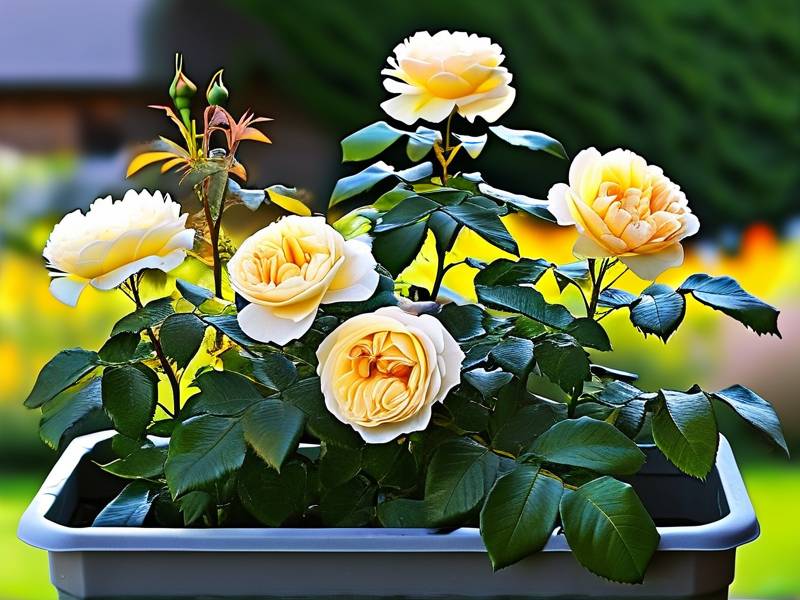
I placed my second potted rose on a shady balcony because I thought the afternoon sun would burn it. It got leggy and stopped blooming. Turns out, roses need full sun—at minimum 6 hours of direct light. I’ve since moved my container to a south-facing spot, and in just two weeks, I see more leaves and a tiny flower bud. Seriously, don’t compromise on sunlight.
Mistake #3: Using the Wrong Pot
My biggest headache was the pot. I tried a narrow, tall planter that couldn’t hold enough soil. The roots circled the bottom and dried out fast. For beginners, choose a container that’s at least 18 inches wide and deep. Go for terracotta or plastic with large drainage holes. I switched to a 20-inch plastic pot with saucer, and now my rose stands firm without tipping over.
My Step-by-Step Guide to Growing Roses in Containers
Step 1: Choose the Right Rose Variety
I learned this the hard way. For containers, stick with compact types like miniature roses, floribundas, or patio roses. I picked a ‘Sunshine Daydream’ miniature rose from a local nursery. It grows only 2 feet tall, so it fits my 20-inch pot perfectly. Avoid large climbers or shrub roses unless you have a huge container. The RHS recommends ‘The Fairy’ or ‘Garden Party’ for beginners. Trust me, smaller varieties forgive mistakes better.
Step 2: Pick the Perfect Container
Don’t grab any old pot. I tried a glazed ceramic one, but it held too much moisture inside. Then I switched to a lightweight plastic container with drainage holes at the bottom and sides. I placed a saucer underneath to catch runoff. You want at least 18 inches deep and wide. This gives roots room to spread. I also added a layer of gravel at the bottom for extra drainage—something I missed the first time.
Step 3: Use the Best Soil Mix
Regular garden soil is a disaster. It compacts in pots and suffocates roots. I mix my own: 50% high-quality potting soil, 30% perlite, and 20% compost. The perlite keeps airflow, and compost feeds the plant. After two weeks with this mix, my rose’s soil stays light and crumbly. I also add a handful of slow-release rose fertilizer at planting time.
Step 4: Water Correctly from Day One
I can’t stress this enough. Check the soil daily. I water only when the top 2 inches are dry. At first, I watered every 3 days, but now I’ve adjusted to every 4 or 5 days depending on weather. I pour water slowly until it drains from the bottom. I learned to empty the saucer after 30 minutes to prevent root rot. In just two weeks, my leaves went from droopy to perky.
Step 5: Place Your Container in Full Sun
I moved my pot to a spot that gets morning sun until 2 PM. It’s protected from harsh afternoon rays but still gets 7 hours of light. I’ve been tracking growth. In two weeks, the stems are thicker, and a new flower bud popped out. Honestly, don’t skimp on sunlight. If your space is shady, reconsider growing roses in containers for now.
Step 6: Fertilize on Schedule
I tried liquid fertilizer the first week, but it burned my rose’s roots. Now I use a balanced granular rose fertilizer once every 4 weeks. After applying, I water deeply to activate it. I’m only two weeks in, but the leaves are a deeper green. The AHS recommends a phosphorus-rich formula for blooms. Start feeding only after you see new growth.
Step 7: Prune and Deadhead Regularly
I used to let spent flowers rot on the stem. Bad idea. It drains energy. I now snip off faded blooms just above a leaf set. I also prune out dead or crossed branches. After two weeks, this encourages more buds. Keep your shears clean to avoid disease.
My 2-Week Observational Timeline
I kept a log to track progress. Here’s what happened:
Day 1: Planted my miniature rose in a 20-inch plastic pot with drainage holes. Used my soil mix. Watered once deeply. Placed on south-facing balcony. Day 3: Soil felt slightly damp. Didn’t water. Noticed tiny leaves starting to perk up. Day 5: Top inch of soil dry. Watered again. Saw no yellowing—good sign. Day 7: Measured growth: 0.5 inches taller. New leaf unfurling. Day 10: Spotted first flower bud! Pulled out dead leaves. Fertilized lightly. Day 14: Bud is swelling. Leaves are deep green. Stems are stronger. No pests. I’m thrilled.
This timeline shows how quickly container roses respond to proper care. I’m excited to see blooms in the next week.
Common Problems and Real Fixes from My Experience
Yellow Leaves: Overwatering or Underwatering
I’ve seen both. If lower leaves yellow and soil is wet, back off watering. If whole plant droops and soil is dry, soak it. I check the pot weight—light pot means thirsty plant.
Stunted Growth: Pot Too Small
My first rose struggled because the 12-inch pot restricted roots. I repotted into a 20-inch container, and growth resumed in two weeks.
Pests: Aphids and Spider Mites
I found tiny green aphids on new shoots. I sprayed with neem oil solution twice weekly. After two weeks, they disappeared. Catch pests early.
No Blooms: Too Much Nitrogen
I overused lawn fertilizer once. Lots of leaves, no flowers. Switch to a bloom booster with higher phosphorus.
Frequently Asked Questions
What is the best rose for a beginner in containers?
I recommend miniature or patio roses like ‘Sunshine Daydream’ or ‘The Fairy’. They grow compact and bloom reliably.
How often should I water container roses?
Check soil moisture. In my experience, every 3-5 days works. More often in summer, less in cool weather. The key is consistent checking.
Can I grow roses in containers indoors?
Yes, but only with strong artificial lights for 8-10 hours daily. I keep mine outdoors for real sunlight. Indoor conditions often fail without careful setup.
Final Thoughts
I messed up three times before I got it right. Growing roses in containers for beginners isn’t rocket science. Focus on the pot size, soil drainage, and lighting. Check water levels daily. After two weeks, my container rose is alive and thriving. You can do this too. Start small, observe your plant, and adjust as you go. For expert guidance, check out the RHS and AHS websites. Trust me, the first bloom will make it all worth it.